Is Arizona Green Tea Actually Good for You? Nutritionists Fact-Check the Popular Bottled Tea
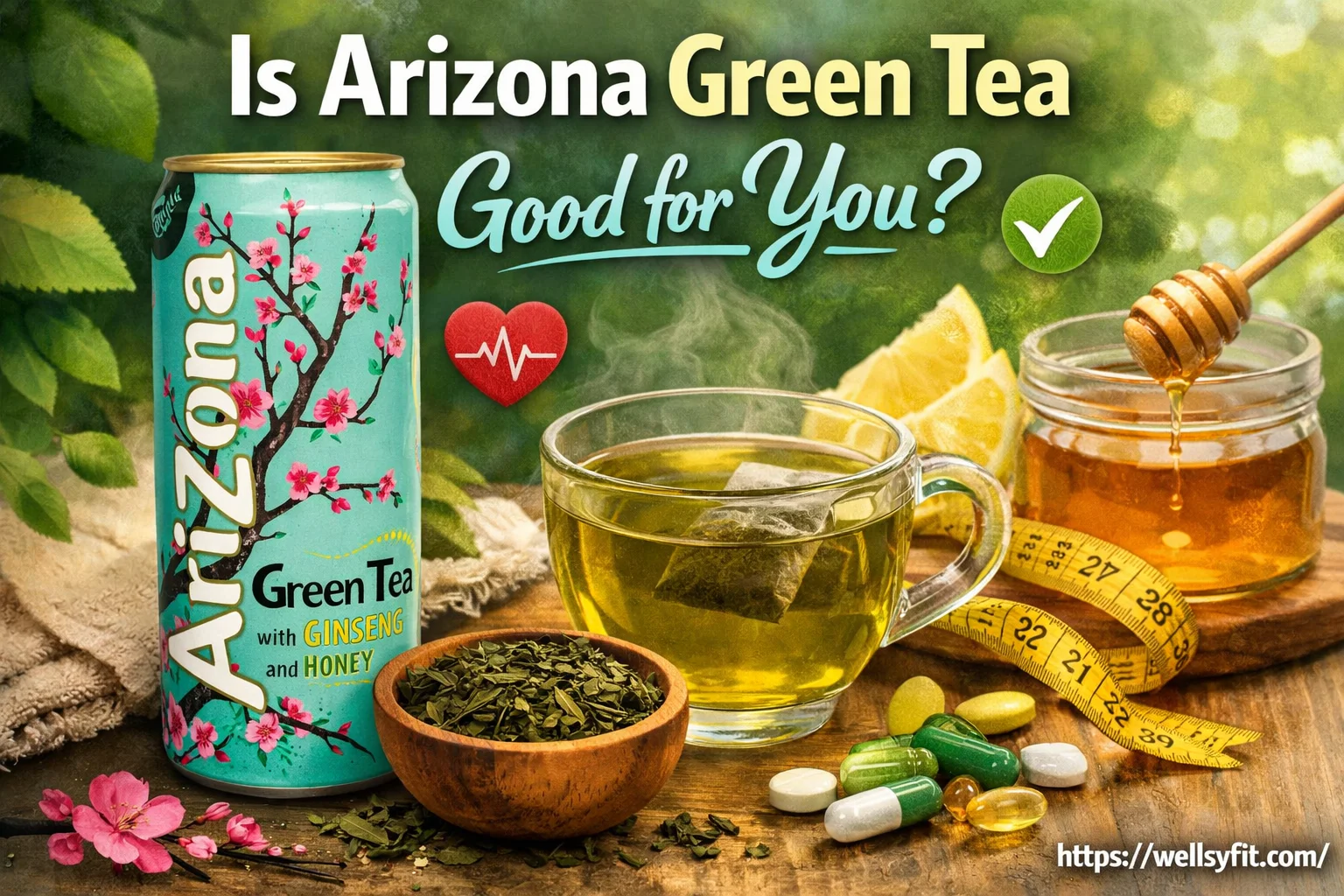
For more than three decades, the seafoam-green 23-ounce can adorned with cherry blossoms and a bold 99-cent stamp has served as an undisputed convenience store staple. Arizona Green Tea with Ginseng and Honey looks, sounds, and smells like a functional health tonic. Yet as shoppers scrutinize convenience beverages, nutritionists are quick to separate the botanical imagery from liquid reality. While a recent health.com Report outlines the verified cellular and cardiometabolic benefits of authentic green tea, shelf-stable canned varieties deliver a completely different physiological impact.
📌 Key Takeaways:
- The Sugar Load: A single 23-ounce can packs approximately 51 grams of sugar and 195 calories, driven primarily by high fructose corn syrup rather than honey.
- Antioxidant Deficit: Industrial pasteurization and extended shelf life degrade catechins, leaving negligible EGCG concentration compared to freshly steeped tea leaves.
- The Bottom Line: Drinking commercial Arizona Green Tea functions metabolically like drinking liquid dessert or soda, not a functional wellness beverage.
The Wellness Halo Behind the 99-Cent Tallboy
Arizona Beverage Company built a beverage empire by making iced tea cheaper than bottled spring water. The aesthetic works brilliantly. Soft pastel branches, delicate Asian lettering, and references to Panax ginseng extract persuade thirsty buyers that they are making an enlightened lifestyle choice. Shoppers who would instinctively bypass a 20-ounce bottle of lemon-lime soda frequently pick up Arizona Green Tea without hesitation.
The label advertises "Sue Bee Honey," invoking images of artisanal apiaries and raw enzymes. Look closer at the ingredient sequence. By law, ingredients appear in descending order of weight. Filtered water comes first, immediately followed by high fructose corn syrup. Honey occupies a minor third position, serving more as a marketing anchor and flavor note than a primary sweetener. The brain perceives tea, but the pancreas processes soda.
Deconstructing the Nutrition Facts Label
Turning the iconic cylinder around reveals a striking reality check. For years, the nutrition facts label split the tallboy into three separate 8-ounce servings, obscuring the total sugar hit from hurried consumers. Modern packaging regulations mandate clearer labeling for single-serving containers, displaying the full caloric intake in plain sight.
Downing the entire 23-ounce can introduces 51 grams of added sugars, equivalent to nearly 13 standard teaspoons of granulated sugar. The American Heart Association recommends a daily cap of 25 grams of added sugar for women and 36 grams for men. A single can obliterates that threshold in fifteen minutes. This rapid influx triggers a steep blood sugar spike, driving an aggressive insulin response that leaves the liver converting excess fructose directly into circulating triglycerides.
Antioxidant Realities: Arizona Green Tea vs. Fresh Brewed Leaves
The core scientific argument for drinking green tea revolves around green tea antioxidants, specifically epigallocatechin gallate (EGCG). In laboratory and clinical trials, EGCG protects vascular endothelial function, reduces chronic systemic inflammation, and assists with cellular repair. However, those therapeutic properties belong almost entirely to freshly brewed green tea leaves steeped in hot water.
Independent assays performed on mass-market ready-to-drink bottled teas show that processing, high-heat flash pasteurization, and room-temperature storage in presence of ambient light strip away delicate polyphenols. By the time a can reaches a gas station cooler, its active EGCG concentration has fallen to near-undetectable levels.
| Beverage Option | Total Sugar (per serving) | Caloric Intake | EGCG & Antioxidant Potency |
|---|---|---|---|
| Classic Arizona Green Tea (23 oz) | 51g (High Fructose Corn Syrup) | 195 kcal | Trace / Severely Degraded |
| Diet Arizona Green Tea (23 oz) | 0g (Sucralose & Acesulfame K) | 0, 5 kcal | Trace |
| Fresh Home-Brewed Green Tea (16 oz) | 0g (Unsweetened) | 2 kcal | 120, 250 mg Bioactive EGCG |

The Panax Ginseng and Honey Equation
The label highlights Panax ginseng extract as an invigorating adaptogen. Herbalists have long deployed Asian ginseng to combat fatigue, improve focus, and support adrenal function. Clinical benefits generally require standardized daily dosages ranging from 200 mg to 400 mg of active ginsenosides.
Arizona Beverage Company does not disclose the exact milligram quantity of ginseng present in its formula, listing it near the tail end of the formula. Food scientists estimate the concentration in commercial cans sits at sub-therapeutic, symbolic amounts. You receive just enough extract to list it legally on the aluminum label, but nowhere near enough to deliver measurable cognitive or systemic effects. The brief energy lift that consumers report after finishing a can stems almost entirely from 50 grams of rapid-absorbing carbohydrates and approximately 15 to 20 milligrams of natural tea caffeine, less than one-fourth the caffeine of an eight-ounce cup of drip coffee.
Weight Loss Effects and the Diet Alternative
Fitness enthusiasts frequently assume any fluid labeled "green tea" will rev up resting metabolic rates. Extensive clinical reviews show that while concentrated green tea extracts combined with moderate caffeine can provide modest thermogenic assistance, sugar-sweetened canned tea produces the exact opposite effect. Anyone drinking standard Arizona Green Tea under the impression that it will accelerate weight loss effects will quickly encounter stalled fat loss and unwanted weight gain.
To capture diet-conscious consumers, the brand offers Diet Arizona Green Tea. This formulation swaps out high fructose corn syrup for sucralose (commercially known as Splenda) and acesulfame potassium. For individuals managing diabetes or working to eliminate liquid calories, the diet variation prevents the glycemic spike. Yet it remains devoid of substantial antioxidant value. Swapping added sugar for artificial sweeteners eliminates the caloric penalty, but it still does not transform the beverage into the natural cellular shield that fresh tea leaves offer.
Who Should Drink It and Who Needs to Avoid It
Categorization matters. If viewed as a casual budget refreshment during a hot afternoon, an occasional Arizona Green Tea poses no catastrophic danger to a metabolically active person who otherwise eats clean whole foods. It costs less than specialty sodas and offers a milder flavor profile.
Problems arise when the beverage is treated as health fuel. Individuals with type 2 diabetes, non-alcoholic fatty liver disease, insulin resistance, or strict weight-loss targets should avoid the standard version entirely. Anyone seeking genuine cardiometabolic defense should brew loose-leaf sencha, bancha, or high-grade matcha at home, chill it in the refrigerator with fresh lemon, and drink it unsweetened.
Frequently Asked Questions (FAQ)
Q1: Does Arizona Green Tea contain real green tea?
A1: Yes, the drink begins with brewed green tea concentrate. However, commercial filtration, high-heat pasteurization, and extended shelf storage degrade the sensitive polyphenols and catechins, reducing the antioxidant potency to a fraction of freshly steeped tea.
Q2: How does the sugar in Arizona compare to a can of Coca-Cola?
A2: A standard 12-ounce can of Coca-Cola contains 39 grams of sugar. A full 23-ounce can of Arizona Green Tea contains about 51 grams of sugar. Per ounce, soda is denser in sugar, but because consumers routinely drink the entire tallboy, the Arizona can delivers a larger total dose of high fructose corn syrup in one sitting.
Q3: Is the ginseng in Arizona Green Tea effective for energy?
A3: No. The amount of Panax ginseng extract present is minimal and below the 200, 400 mg thresholds shown in research studies to improve cognitive stamina. The alertness you feel comes primarily from the surge in blood glucose and a minor caffeine contribution.
Navigating Convenience Beverages in 2026
Arizona Green Tea endures as an icon of American packaging and price stability, but its wellness reputation is an illusion created by pastel graphics and botanical marketing. High fructose corn syrup dominates the ingredient profile, delivering a hefty glycemic toll while offering negligible concentrations of active EGCG or ginseng. Treating the 99-cent can as an occasional indulgence makes nutritional sense. Treating it as a daily health tonic works directly against your metabolic health.
