Is Rice Roll Express Worth the Line? We Fact-Check the Viral Under-$10 SF Lunch Spot
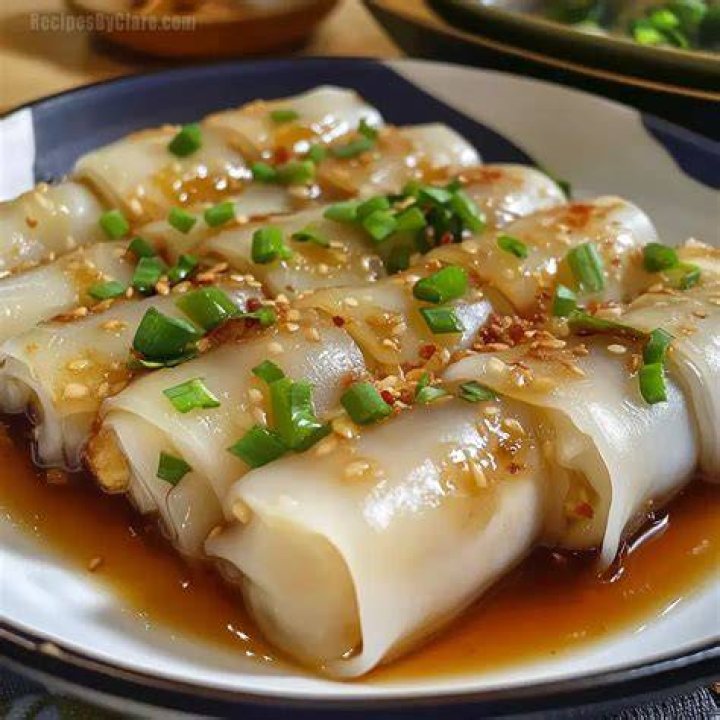
Steam billows out from the narrow Stockton Street doorway into the brisk morning air of San Francisco's Chinatown, carrying the scent of toasted sesame oil and warm starch. Outside, the queue snakes past dried herb grocers and fishmongers, mixing neighborhood grandmothers with downtown tech workers clutching folded ten-dollar bills. Freshly steamed rice noodle rolls, Cantonese cheung fun, have become the latest flashpoint of social media attention across the Bay Area. As confirmed in The Infatuation Report, Rice Roll Express manages to execute cheung fun with traditional rigor, avoiding the gelatinous shortcuts that plague so many commercial dim sum counters.
Yet internet fame rarely comes without friction. San Francisco dining in 2026 has grown notoriously steep, with median fast-casual lunches routinely eclipsing the $20 mark before tax and tip. Finding a scratch-made, filling hot meal for less than $10 feels like a temporal anomaly. The critical question for hungry diners standing on concrete for 40 minutes is straightforward: does the technical execution of this takeout counter justify the crowd, the strict cash-only protocol, and the zero-frills service?
📌 Key Takeaways:
- The Value Reality: Most signature rolls stay squarely between $5.50 and $9.25, making this one of the few authentic sub-$10 lunch options remaining in San Francisco.
- The Technique: Rice Roll Express relies on freshly ground stone batter steamed on cloth trays, producing translucent sheets with real elasticity rather than sticky premixed starch paste.
- Operational Friction: The counter remains strictly cash-only, seats zero diners, and peaks at wait times between 25 and 45 minutes from 11:30 AM to 1:30 PM.
The Physics of Stone Ground Rice Batter Behind Chinatown’s Morning Rush
Cantonese cheung fun lives or dies on the texture of its wrapper. When diners bite into an inferior rice roll, they encounter either rubbery resistance or a gluey mush that disintegrates immediately. Traditional masters avoid prepackaged bagged flours, turning instead to aged long-grain rice soaked in water and run through a mechanized stone mill. This stone ground rice batter yields a suspension of starch granules fine enough to vaporize rapidly under high heat without losing structural tension.
At Rice Roll Express, the cooks work in synchronized rhythm behind a glass partition. One worker ladles the milky white batter across a tensioned cloth screen resting above a furiously boiling water tank. Another scatters minced scallions, dried shrimp, or marinated ground pork across the white sheen. The metal lid slams shut. Ninety seconds later, the lid flies up. With two deft strokes of a wide plastic bench scraper, the cook rolls the translucent sheet into a loose, layered cylinder. The exterior glistens; the layers slide effortlessly against each other without sticking into a solid mass.
The visual payoff is evident before the first bite. You can see the pale pink shrimp and bright green flecks of scallion directly through the paper-thin skin. It is street-level food science executed at high speed, relying on constant steam pressure and batter that has not been allowed to settle or separate in the bucket.
Breaking Down the Menu Prices and Quality Across Signature Rolls
The counter keeps its menu deliberately focused. Instead of attempting a sweeping dim sum menu, Rice Roll Express concentrates on standard Cantonese breakfast foundations: steamed rice noodle rolls, warm soy milk, and congee. today a single order of har gow at an upscale downtown restaurant costs $14, these prices represent exceptional accessibility for San Francisco budget lunch hunters.
The classic dried shrimp and scallion roll costs just $5.75, delivering a savory, umami-rich chew balanced by the crunch of tiny cured seafood. The barbecue pork (char siu) version sits at $6.75, loaded with sweet, soy-lacquered ribbons of roast meat that season the surrounding starch layers. For beef lovers, the minced beef roll features subtle ginger notes and fresh cilantro for $7.25. Seafood purveyors typically gravitate toward the whole peeled shrimp option at $8.50, where plump, brined crustaceans provide a snappy contrast to the yielding rice wrap.
The technical standout, however, remains the zhaliang: a freshly fried dough cruller wrapped inside a steaming sheet of rice noodles. Executing zhaliang requires impeccable timing. Wrap the dough too early or let it sit in a plastic clamshell for ten minutes, and the steam will reduce the crisp pastry into a soggy sponge. Eaten on the sidewalk within three minutes of pickup, the contrast between the silken, tender outer skin and the deep-fried, shattering core is remarkable.
Wait Times, Line Flow, and How the Kitchen Moves
Navigating this counter requires an understanding of how the queue behaves throughout the week. Because the space operates exclusively as a dim sum takeout window with no indoor tables, the bottleneck occurs entirely at the ordering register and steam stations. The three two-burner steam units can only process approximately six portions every two minutes.
| Menu Selection | Price Point (2026) | Texture Profile | Takeout Durability |
|---|---|---|---|
| Dried Shrimp & Scallion | $5.75 | Silky, chewy, concentrated salinity | High (holds heat well for 20 mins) |
| Zhaliang (Fried Cruller) | $6.50 | Crisp interior, slippery exterior | Low (must be eaten immediately) |
| Minced Beef & Cilantro | $7.25 | Tender, aromatic, herbaceous | Moderate (best within 15 mins) |
| Whole Tiger Shrimp | $8.50 | Snappy, succulent, delicate | Moderate (sauce thins over time) |
Arrival times dictate your entire experience. Showing up between 8:30 AM and 10:15 AM on a Tuesday or Wednesday results in a negligible wait of roughly 5 to 10 minutes. The kitchen operates smoothly, and the staff packages containers without rushing. But between 11:45 AM and 1:30 PM, particularly from Friday through Sunday, the queue regularly spills thirty bodies deep down the pavement.
Because the shop enforces an uncompromising cash-only policy, latecomers who reach the window with smartphone wallets or credit cards are abruptly redirected to the nearby bank ATM on the corner, surrendering their spot. Keeping exact change or small bills ready speeds the line up for everyone.
The Sweet Soy Sauce and Condiment Balance
A pristine rice roll serves merely as a neutral carrier without its accompanying sauce. Generic restaurants often drown rolls in regular salty table soy sauce, ruining the nuanced sweetness of the rice starch. Rice Roll Express brews its own seasoned sweet soy sauce in large pots every morning.
The liquid base blends light soy sauce with rock sugar, water, dried shallots, and a splash of Shaoxing rice wine. The kitchen simmers the mixture until the alcohol dissipates and the harsh edges soften into a mellow, savory-sweet dressing. When poured over the warm noodles, the thin sauce seeps into every crevice without overwhelming the gentle aroma of the dough.
Alongside the sweetened soy, squirt bottles of roasted sesame paste and sweet hoisin sit on the counter ledge next to a fiery house chili oil. Seasoned locals apply their condiments with restraint: a zig-zag of sweet soy across the length of the roll, followed by a pencil-thin line of toasted sesame sauce and a small dollop of chili crisps on the side for dipping.
Why Traditional Dim Sum Counters Face Margin Pressures in 2026
The survival of hyper-specialized cheap eats SF spots faces systemic economic pressures. Commercial rents along historic commercial corridors in Chinatown have remained rigid, while municipal compliance costs, trash surcharges, and wholesale rice import tariffs continue to trend upward. Charging under $8 for labor-intensive, hand-steamed food leaves virtually no margin for waste or inefficiencies.
Many Chinatown business owners quietly transitioned to pre-manufactured frozen rolls delivered from industrial kitchens in the East Bay, reheating them in bulk warmers to save labor. Rice Roll Express avoids that trap by committing to raw labor: running stone mills, maintaining manual steam cloth lines, and slicing fillings fresh each morning. The volume model works only when orders keep flying out the door constantly from open until close.
That high turnover produces unavoidable trade-offs. The customer service is curt, transactional, and relentlessly fast. Do not expect polite small talk or tailored modifications at the counter window. The kitchen prioritizes speed and freshness over hospitality, a reality that visitors must accept before joining the queue.
Frequently Asked Questions (FAQ)
Q1: What is the best strategy to avoid long wait times at Rice Roll Express?
A1: Arrive before 10:30 AM on weekday mornings, or visit during the mid-afternoon lull between 2:15 PM and 3:30 PM. Peak lunch hours from 11:30 AM to 1:30 PM draw heavy local and tourist crowds.
Q2: Does Rice Roll Express accept Apple Pay, debit cards, or digital wallets?
A2: No. The establishment remains strictly cash-only. Bring crisp small bills ($1, $5, and $10 bills) to ensure rapid service at the order window.
Q3: Is there any seating available inside or nearby?
A3: There is zero indoor seating. The storefront functions purely as a takeout window. Most patrons walk two blocks to Portsmouth Square or eat immediately standing along the street to preserve the texture of the rolls.
Q4: How does Rice Roll Express compare to traditional sit-down dim sum parlors?
A4: Sit-down dim sum houses generally charge $12 to $18 for cheung fun, often prepared ahead and kept warm in steam carts. Rice Roll Express makes each order from raw batter within two minutes, offering superior texture at roughly half the retail price.
The Verdict on San Francisco’s Value Lunch Scene in 2026
Rice Roll Express is not an experience built for leisurely dining or comfortable lunch meetings. It is a loud, fast, and intensely focused production line designed to deliver high-heat Cantonese comfort food at blue-collar prices. In a city where finding exceptional scratch cooking under ten dollars has become an anomaly, the counter's enduring popularity is fully earned.
If you approach the counter with cash in hand, skip peak lunch hours, and eat your order within five minutes of leaving the window, you will experience some of the most technically precise cheung fun on the West Coast. The hype may draw the crowd, but the stone ground craftsmanship keeps the line wrapped around the block.
