Is TikTok Ad Manager Handing Control to AI Agents? Inside the 2026 Platform Overhaul
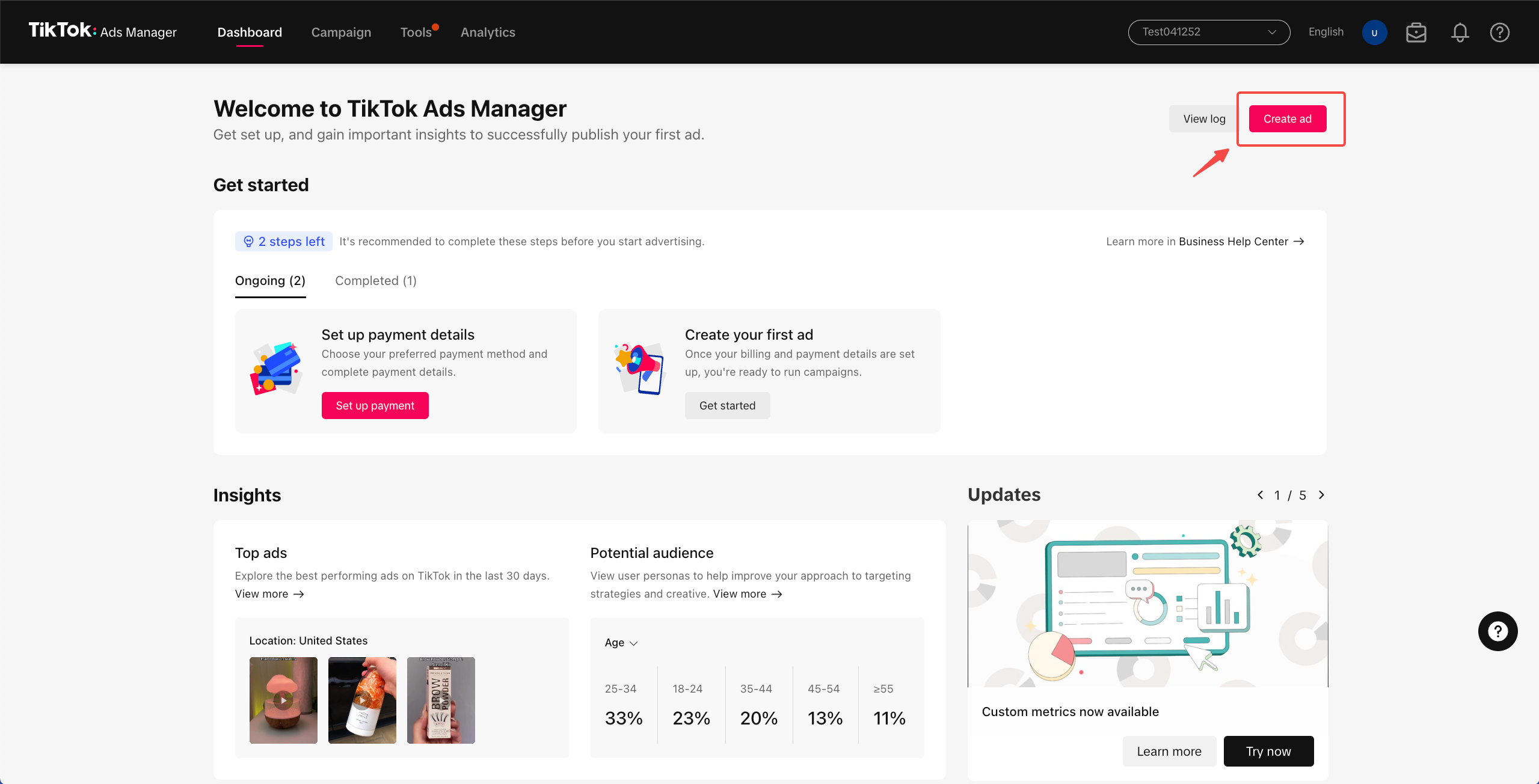
Autonomous software code is rewriting the rules of paid social media. In mid-2026, ByteDance fundamentally overhauled the TikTok Ad Manager interface by releasing an official Model Context Protocol (MCP) server, allowing external artificial intelligence agents to analyze performance, adjust budgets, and deploy creative assets without human intervention. As first tracked in a detailed Social Media Examiner Report, the move shifts media buying from point-and-click dashboard management to automated campaign management governed by machine-to-machine instructions.
The update changes how performance marketers interact with the platform. Instead of media buyers manually refreshing dashboards to tweak cost caps or duplicate ad sets, autonomous media buying agents plug directly into the TikTok Business Center infrastructure. Backed by revised multi-touch attribution models and expanded Smart Performance Campaign options, this structural shift forces brands to reconsider who, or what, actually runs their growth marketing.
📌 Key Takeaways:
- Core Platform Shift: TikTok launched an MCP server on May 13, 2026, allowing third-party AI agents to programmatically build, monitor, and optimize ad campaigns.
- Attribution Mechanics: The platform overhauled its attribution window, moving away from last-click bias toward dynamic view-through and multi-touch post-click modeling designed for synthetic media cycles.
- Practitioner Reality: Media buyers report that automated bidding strategies cut manual workflow time by 40% to 60%, but run-away budgets remain a major risk without strict API guardrails.
The Model Context Protocol: How AI Agents Plug Into Ad Accounts
The technical foundation of this transition rests on the Model Context Protocol, an open standard that allows large language models to interact safely with external software tools and databases. When Digiday reported on May 13, 2026 that TikTok had built an official MCP server, it signaled a departure from standard REST APIs. Standard APIs require rigid development pipelines, whereas the MCP server acts as an operational translator, letting autonomous agents read account analytics, evaluate real-time bid auctions, and execute adjustments based on conversational prompts.
Under this architecture, a media planner no longer builds separate ad groups manually. Instead, an agent deployed through an LLM client connects to the advertiser's TikTok Business Center account. The agent queries current metrics, pinpoints fatigue in active creative variations, and spins up new Smart Performance Campaign structures within set parameters. By providing standardized read-write hooks into algorithmic ad targeting, TikTok allows third-party tools to handle the tactical grunt work that previously occupied junior media buyers.
PYMNTS noted during the May rollout that financial institutions and retail brands were the first to test direct programmatic connections between their enterprise inventory software and the ad console. If a stock keeping unit sells out in a warehouse management system, the autonomous agent automatically pauses corresponding TikTok ad groups within 90 seconds, eliminating the latency of human oversight.
Fixing Attribution: The New Multi-Touch Measurement Model
Handing operational reins to automated systems exposed a longstanding flaw in TikTok Ads Manager optimization: broken attribution. Because users consume short-form video passively, legacy 7-day click and 1-day view attribution models routinely undervalued TikTok impressions or assigned credit erratically across marketing mixes. Automated agents optimizing solely on last-click data frequently starve top-of-funnel discovery campaigns of funding.
To address this structural friction, TikTok rebuilt its native attribution engine in mid-2026. The platform paired server-side event tracking with probabilistic multi-touch modeling, giving algorithmic systems cleaner data feeds. Adweek reported on July 29, 2026 that brands testing the integrated attribution model saw an average 18% boost in calculated return on ad spend (ROAS), because the system properly accounts for incremental views across distinct devices before an on-site purchase occurs.
This attribution upgrade directly informs TikTok bidding strategies. Rather than blindly chasing the cheapest conversion events, automated software calculates real-time customer acquisition costs across a blended path to purchase. Marketers retain visibility through unified reporting consoles, but the operational decision to throttle bids during peak traffic or scale spend overnight now rests largely on statistical machine calculations.
Manual Media Buying vs. Autonomous Campaign Management
The shift toward AI campaign orchestration has drawn clear divisions across digital agencies. Early performance data collected between 2024 and 2026 highlights how account operations have evolved as platform automation matured.
| Operational Dimension | Manual Era (2024, 2025) | Agentic Era (Mid-2026) |
|---|---|---|
| Campaign Setup & Structuring | Manual creation of ad groups, target audiences, and bidding thresholds; 30, 60 minutes per campaign. | Prompt-driven or programmatic generation via MCP; under 2 minutes per campaign framework. |
| Creative Testing Cadence | Batch uploads of 3, 5 video variants weekly; manual analysis of thumbstop and retention rates. | Creative automation tools assemble, deploy, and retire 20, 50 modular iterations daily. |
| Auction & Bid Adjustments | Human spot-checks 2, 3 times daily; manual adjustments to target CPA and daily spend caps. | Autonomous media buying agents adjust bids in sub-hourly auction windows based on real-time margin data. |
| Attribution Reliance | Heavily weighted toward last-click metrics; high discrepancy with third-party analytics dashboards. | Multi-touch modeling integrated with real-time server events via modern APIs. |
An eMarketer analysis published on July 31, 2026 emphasized that this transition changes agency fee structures. Instead of billing clients based on percentage of ad spend or hours spent configuring audience segments, agencies now charge for custom MCP agent prompts, workflow integrations, and creative strategy engineering.
Creative Automation Tools Meet Algorithmic Ad Targeting
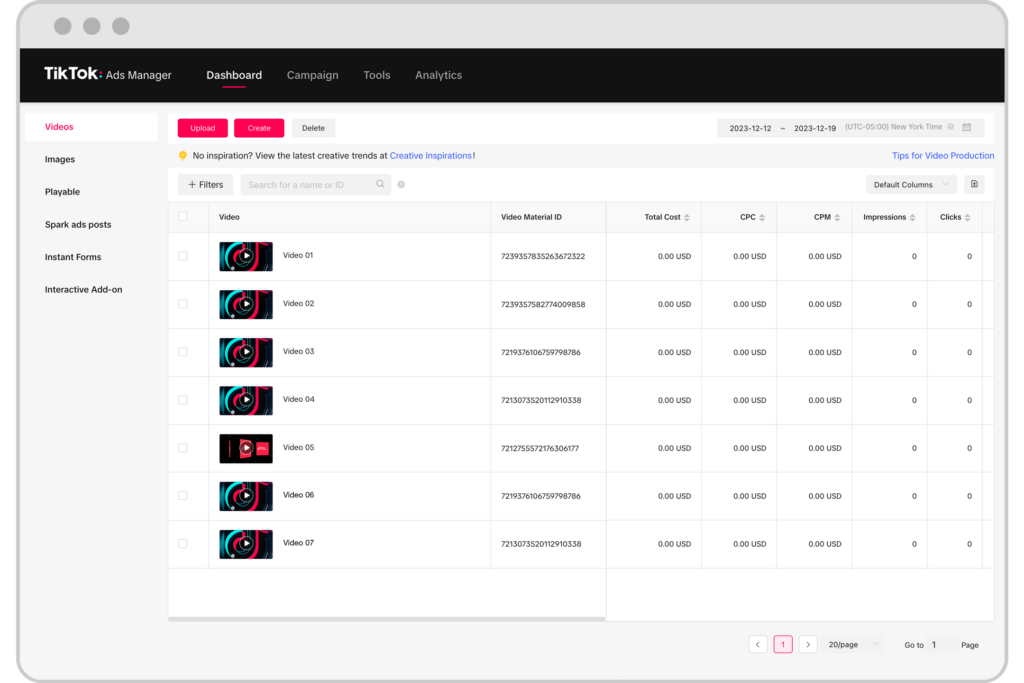
Media spend cannot succeed without strong video creative, an area where pure algorithms long struggled. TikTok tackled this limitation by connecting creative automation tools directly to the Ad Manager back-end. The system deconstructs raw brand assets into modular parts, introductory hooks, middle demonstrations, audio tracks, and end cards.
When an agent notices that an ad’s 2-second drop-off rate exceeds 65%, it does not pause the entire creative package. Instead, it instructs the platform to swap the visual hook with an alternate take from the media library. This micro-level optimization happens behind the scenes, allowing ad sets to run longer without succumbing to ad fatigue.
Practitioners participating in specialized media buying communities note that creative automation requires clear guardrails. Without defined brand safety guidelines, generative systems occasionally pair audio clips with ill-fitting product visuals. Human oversight has shifted from setting up campaigns to reviewing automated creative permutations before the agent pushes them live to public feeds.
Who Should Deploy AI Agents in TikTok Ad Manager (And Who Should Wait)
Autonomous campaign management is not a blanket solution for every brand. The technology operates on mathematical probabilities, meaning its effectiveness relies entirely on data density and account scale.
Ideal Profiles for Autonomous Integration:
- High-Volume Direct-to-Consumer Brands: Stores generating more than 500 conversions weekly give the algorithmic model enough signal to train bid strategies accurately.
- Catalog-Driven E-Commerce: Businesses with hundreds of products benefit from automated agent calls that monitor inventory and update bids without manual intervention.
- Agencies Managing High Client Volumes: Media buying teams using custom internal agents can monitor dozens of TikTok Business Center dashboards simultaneously, spotting cost spikes before budgets drain.
Brands That Should Keep Manual Control:
- Low-Budget Starters: Accounts spending under $2,000 monthly lack the conversion volume required for machine models to find statistical significance, leading to volatile daily ad spend.
- Highly Regulated Sectors: Healthcare, financial planning, and legal services require strict legal review on every creative line and copy angle, making automated generative changes risky.
- Boutique Luxury Labels: Brands where aesthetic consistency and exclusivity drive pricing power cannot risk algorithmic engines generating mismatched creative hooks to chase low-cost clicks.
Frequently Asked Questions (FAQ)
Q1: What is the TikTok MCP server, and how does it relate to ad buying?
The Model Context Protocol (MCP) server is an open interface that allows third-party AI agents to talk directly with the TikTok Ad Manager ecosystem. Instead of a human manually clicking through ad setup menus, an AI agent uses the MCP server to read performance data, adjust bids, and launch campaigns automatically.
Q2: Will autonomous media buying make media buyers obsolete?
No, but it alters their day-to-day job duties. Media buyers spend less time manually building campaigns and setting budget caps. Their responsibilities have shifted toward building compelling creative video concepts, managing data inputs, setting margin thresholds, and supervising agent operations.
Q3: How does the new attribution model prevent AI from misallocating budgets?
The revamped multi-touch attribution engine moves beyond last-click credit. It evaluates full viewer journeys across view-through windows and external web actions, ensuring algorithmic targeting tools do not turn off high-value discovery ads that produce conversions down the funnel.
Q4: What is the minimum recommended budget for Smart Performance Campaigns driven by AI?
Industry benchmarks suggest a minimum threshold of $50 per day per ad set, or enough budget to generate at least 50 optimization events per week. Lower spend levels often leave the system stuck in the learning phase, causing irregular ad distribution.
Strategic Media Buying Priorities for the Remainder of 2026
The modernization of TikTok Ad Manager reflects a broader reality across digital advertising: operational leverage has shifted from dashboard execution to strategic governance. Marketers who spent years mastering custom audience stacking and manual dayparting must adapt their skills. Success now depends on defining strict financial boundaries, engineering clean creative assets, and setting clear parameters for third-party agents.
Teams preparing for 2027 should focus on data hygiene and creative production velocity. Connecting high-intent conversion data back to the TikTok Business Center via first-party server APIs ensures that autonomous systems receive pure training signals. While AI agents can monitor auctions around the clock, human taste, brand identity, and calculated financial risk remain irreplaceable components of profitable advertising campaigns.
