Is True People Search Exposing You? Why Scammers Target Free Lookup Sites
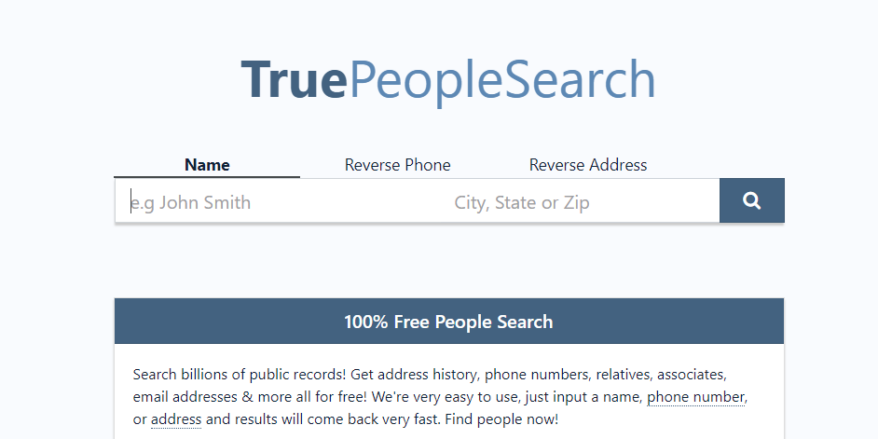
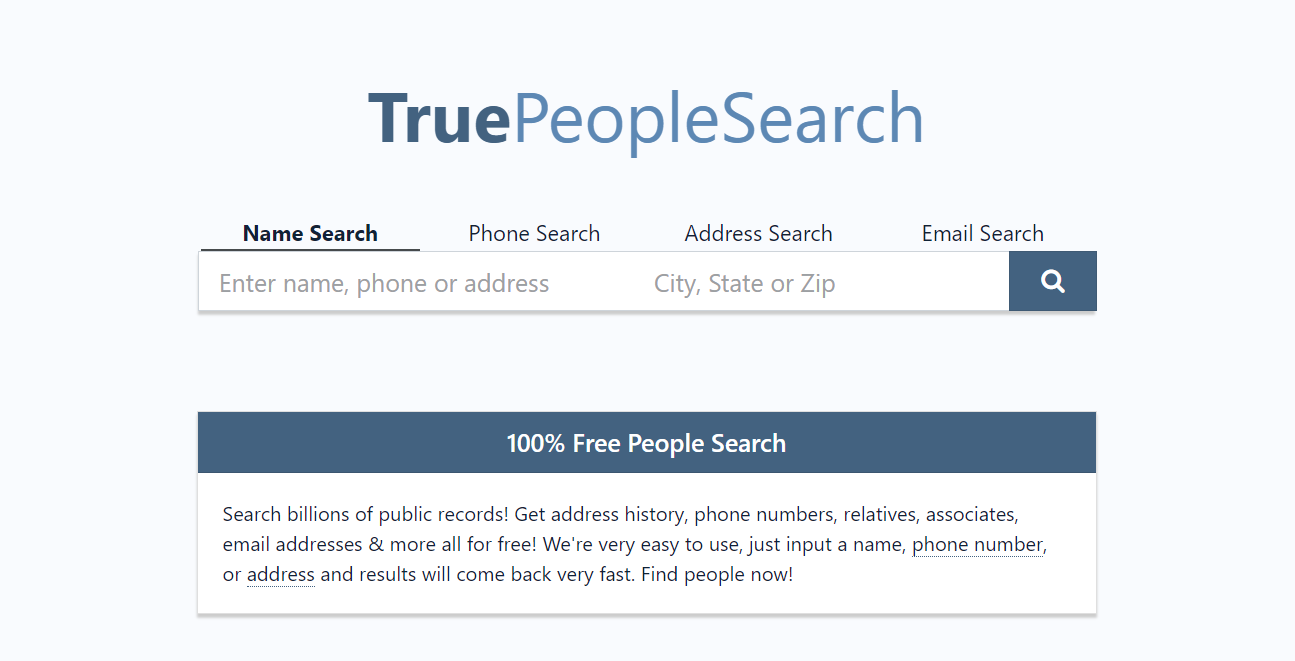
Anyone with your full name or an old mobile number can reconstruct your personal life in less than ten seconds. Typing a query into TruePeopleSearch pulls up a dossier spanning two decades: current home addresses, cohabitants, estranged relatives, satellite phone numbers, and property assessments. As detailed in a recent TechRadar Report analyzing the modern utility of open data platforms, zero-barrier people directories have transformed from casual contact-finding tools into unmonitored surveillance engines.
The platform demands no credit card, no account creation, and no justification for browsing. While hobbyists and casual users apply these tools for benign purposes, such as verifying guest lists, as documented by Social Life Magazine in late 2025, the absence of friction creates an asymmetric playground for bad actors. Criminal syndicates, aggressive collection agencies, and sophisticated phishing rings treat these free directories as turnkey reconnaissance databases.
📌 Key Takeaways:
- The Exposure Vector: TruePeopleSearch unifies fragmented public records into indexed, searchable consumer dossiers without requiring user accounts or paywalls.
- The Criminal Incentive: Threat actors scrape reverse phone lookup and address history data to craft highly convincing spear-phishing attacks, orchestrate SIM swaps, and execute impersonation fraud.
- The Direct Remedy: Consumers can suppress their personal records via the TruePeopleSearch opt out tool, though data brokers typically repopulate scrubbed records within 6 to 12 months.
The Open-Door Architecture Behind Free People Finder Sites
Most commercial background check sites hide their detailed findings behind aggressive paywalls. TruePeopleSearch operates on an entirely different commercial model. It monetizes raw attention through third-party ad exchanges while serving complete public profiles upfront. Robotics & Automation News highlighted this distinction in mid-2026, noting that no-subscription directories bypass traditional identity-verification barriers to deliver rapid results.
The underlying infrastructure relies on automated data aggregation pipelines. Proprietary scrapers continuously pull records from municipal real estate filings, voter registration logs, marriage certificates, court dockets, and commercial marketing databases. When an individual files a change-of-address form or registers a retail loyalty account, that data travels through commercial clearinghouses. TruePeopleSearch synthesizes these disparate records, matching phone numbers to street addresses and social connections with remarkable precision.
This automated aggregation introduces severe inaccuracies alongside factual records. A search often links individuals to distant acquaintances, former landlords, or relatives from whom they have been estranged for decades. Because the platform relies on probabilistic matching algorithms, outdated addresses and obsolete landline numbers remain frozen in your public profile indefinitely.
What a Single Reverse Phone Lookup Actually Exposes
A standard phone number owner lookup on the platform reveals far more than a subscriber name. The system connects the number to a web of contextual markers that expose personal routines, living arrangements, and socio-economic markers.
Run a reverse search on any mobile number, and the engine immediately returns:
- Chronological Address History: Complete physical street addresses stretching back 15 to 25 years, including exact apartment unit numbers.
- Associated Associates and Kinship Networks: Names and estimated ages of immediate family members, in-laws, and known roommates.
- Secondary Communication Channels: Unlisted landlines, alternative cell numbers, and primary personal email addresses.
- Property and Financial Footprints: County parcel records, estimated parcel values, and historical ownership transfers tied to specific residences.
These details eliminate the anonymity that once protected private citizens. Anyone possessing a single piece of contact information can build an entire structural map of your household within moments.
The Mechanics of Exploitation: From Address History to Phishing Schemes
Cybercriminals rarely hack secure corporate servers when they can harvest identical intelligence openly. Free lookup directories serve as pre-built social engineering dossiers, arming scammers with authentic personal context that bypasses an individual's natural skepticism.
In a typical impersonation attack, a fraudster contacts an elderly target claiming to represent a regional utility or financial institution. Armed with the target's previous residential address, the names of their adult children, and their spouse's birth year, all harvested directly from TruePeopleSearch, the caller establishes instant credibility. The victim hears verifiable details about their past and lowers their guard, surrendering wire transfers or account credentials.
Physical safety risks multiply when high-risk groups face exposure. Stalkers, abusive former partners, and disgruntled litigation opponents routinely turn to address history search features to track individuals who spent substantial financial resources attempting to disappear. Because the platform links family members automatically, an individual can maintain immaculate personal security yet remain exposed through the public records of an aging parent or sibling.
Free People Search Platforms Compared: Exposure Metrics and Data Depths
Understanding how free aggregators handle privacy requires examining how they gather and display consumer data relative to their competitors. The following matrix contrasts the prominent search engines active in 2026:
| Platform | Upfront Data Access | Opt-Out Processing Window | Primary Scam Vector |
|---|---|---|---|
| TruePeopleSearch | 100% Free (Unrestricted phone, address, kin) | 24, 72 hours (Online form) | Spear-phishing, family-impersonation scams |
| FastPeopleSearch | 100% Free (Unrestricted contact history) | 24, 48 hours (Online form) | Automated robocalling, credential harvesting |
| Whitepages Free | Partial (Names & street; numbers behind paywall) | 48, 96 hours (Verification call needed) | Physical harassment, junk-mail distribution |
| Radaris | Freemium (Aggressive public teaser data) | 48 hours (Requires email confirmation) | Corporate profiling, executive doxxing |
The absence of paywalls on TruePeopleSearch elevates its profile among criminal enterprises. Paid platforms track credit card transactions, creating digital paper trails that deter bulk data harvesters. Free platforms provide an anonymous canvas for scripts that harvest thousands of personal phone numbers overnight.
Executing the TruePeopleSearch Opt Out Process
Removing your record from TruePeopleSearch does not fix every exposure across the web, but it severs one of the most accessible pipelines to your private data. An investigative review published by Cybernews confirmed that the site honors consumer removal requests without imposing fees, provided you complete the verification steps precisely.
To purge your public profile from the site's live directory, execute the following steps:
First, navigate directly to the site's dedicated removal page via a web browser. Avoid using search engines to locate the removal portal, as malicious sponsored ads occasionally impersonate opt-out landing pages to collect personal information.
Second, enter a temporary or disposable email address into the verification prompt, check the statutory certification boxes, and pass the CAPTCHA check. Never provide your primary personal or work email address during a data suppression request.
Third, search for your personal record using your full legal name, city, and state. When the matching profile appears in the results, click the "Remove This Record" button located at the top of the summary card.
Finally, check your temporary email inbox for an automated confirmation link sent by the site. Clicking this link confirms the request. The operator typically processes suppression within 72 hours, dropping the indexed page from internal site queries.
Why Information Removal Remains an Ongoing Battle
Submitting an opt-out request provides temporary relief rather than permanent protection. Aggregator algorithms continuously ingest new municipal batches and commercial lists. If your name appears on a newly recorded county deed or an updated state voter file under a minor spelling variation, the system treats it as a brand-new entity and generates a fresh profile.
This reality exposes the structural flaw of manual data deletion: it requires consumers to play defensive whack-a-mole indefinitely. TruePeopleSearch does not maintain a permanent master suppression list that prevents new scraping; it merely unpublishes the specific record matched during the removal request.
Achieving durable identity theft prevention requires a multi-layered defense strategy. Beyond manual removals, consumers must request suppression directly from root brokers like LexisNexis, Verisk, and Acxiom. Freezing your credit profiles across the three major reporting bureaus, Equifax, Experian, and TransUnion, ensures that bad actors cannot open unauthorized financial accounts even if they successfully harvest your address and phone history from open-web search tools.
Frequently Asked Questions (FAQ)
Is TruePeopleSearch legal under United States privacy laws?
Yes. The platform operates within legal bounds because it compiles information from publicly accessible government archives, court registries, and commercial marketing registries. It does not qualify as a consumer reporting agency under the Fair Credit Reporting Act (FCRA), which also means employers and landlords violate federal law if they use the platform for official background checks.
Does submitting an opt-out request cost any money?
No. TruePeopleSearch processes record suppressions free of charge. Any third-party website demanding a payment or credit card number to remove records from TruePeopleSearch is either an unauthorized middleman service or a scam operation.
Can people see who searched for them on the site?
No. All queries conducted on TruePeopleSearch are completely anonymous. The platform maintains server logs for traffic management, but individual search targets receive no notifications or activity reports when someone looks up their phone number or address.
Will opting out permanently stop spam calls and identity theft risks?
No. Scrubbing your record removes your footprint from this specific website, but existing spam operations have likely already archived your details in their private offline databases. Pair directory removals with national do-not-call registries, automated call-screening tools, and comprehensive credit freezes across all primary credit bureaus.
Reclaiming Digital Perimeter Defense in 2026
The proliferation of frictionless lookup sites has permanently altered personal privacy dynamics. Public records that once gathered dust in remote county basements now sit indexed in commercial databases, accessible to any stranger armed with an internet connection. Relying on obscurity to protect your home location and private phone numbers is no longer a viable security posture.
Protecting your household requires treating personal identifiable information like sensitive financial credentials. Audit your digital presence every six months, run reverse lookups on your primary telephone lines, and methodically strip your records from unregulated aggregators. Open-web directories operate on passive extraction; keeping your life private demands active, unyielding friction.
