Jaw-Dropping Clearances: The Most Famous Bridges Cruise Ships Barely Squeeze Under
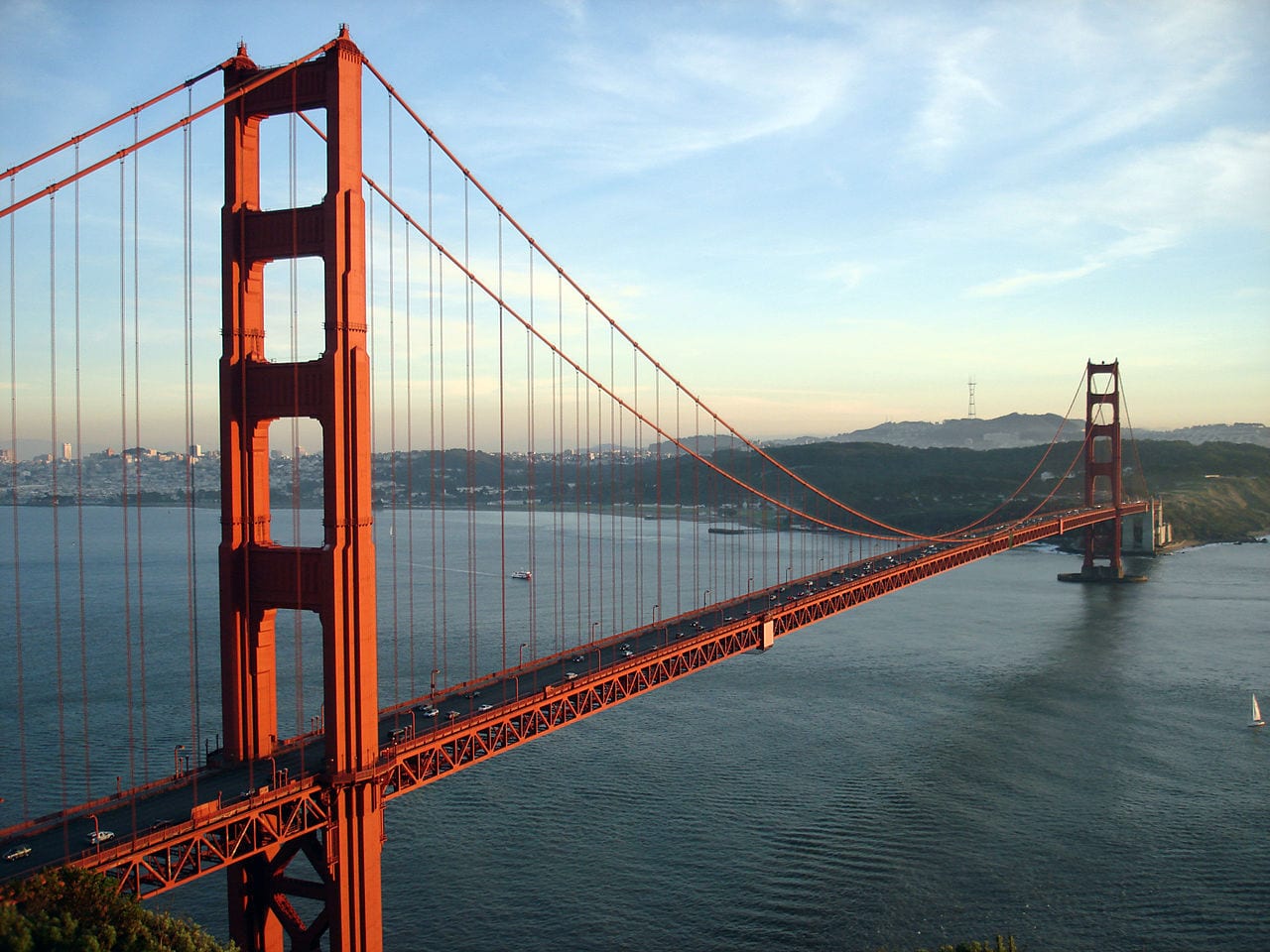
Standing on the top deck of a 220,000-gross-ton mega-vessel as steel girders pass mere inches above radar masts is an unnerving spectacle. Across global ports, modern cruise liners have grown so colossal that navigating underneath famous suspension spans has evolved into a calculated game of inches. Maritime pilots and naval architects increasingly push the boundaries of hydrodynamics, calculating water density, ballast intake, and tidal ebbs simply to slip beneath landmarks that were engineered a century before these floating resorts existed.
The operational tightrope has intensified as cruise lines deploy ever-larger vessels to historic harbors. A recent analysis in the Cruise Mummy Report highlighted seven iconic spans where ships navigate razor-thin clearances, underscoring how vertical headroom now dictates itineraries worldwide. When clearances drop below a few feet, port authorities face agonizing decisions, forcing cruise lines like Royal Caribbean to alter seasonal homeports when physical margins leave zero room for navigational error.
📌 Key Takeaways:
- The Clearance Crisis: Modern mega-ships frequently clear historical suspension spans with margins under 2 meters, relying on dead-low tides and high-speed squat effects.
- Mechanical Workarounds: Marine engineers increasingly install telescoping radar masts and retractable exhaust funnels to shave crucial feet off a vessel's total air draft.
- Network Bottlenecks: Outdated vertical clearances at legacy ports in Tampa, Baltimore, and Vancouver permanently cap ship sizes and force costly itinerary reconfigurations.
The Physics of Air Draft and Low-Tide Transits
Every transit begins with a strict metric: air draft. While naval architects track water draft to keep hulls off the seabed, air draft measures the vertical distance from the waterline to the ship's absolute highest fixed point, typically the communications array or exhaust stack. The margin between that summit and the lowest point of a bridge structure defines the vertical clearance. In modern maritime navigation, that margin is shrinking fast.
Bridge heights are never static. Thermal expansion can cause heavy steel suspension spans to sag downward by up to five feet during blazing summer heatwaves. Heavy vehicular traffic on the roadway above pushes the main deck down further. Simultaneously, astronomical high tides lift the ship upward, effectively pinching the navigational corridor from both ends. Harbor pilots must calculate these variables in reverse, deliberately selecting low-water windows while filling ballast tanks with thousands of tons of seawater to sink the vessel deep into the channel.
Navigators also exploit an aerodynamic phenomenon called dynamic squat. When a massive displacement vessel runs at moderate speed through a shallow or confined channel, water flows faster beneath the hull. The localized pressure drop pulls the ship deeper into the water, shaving crucial inches off its overhead profile. It is a counterintuitive gamble: running faster increases clearance overhead while decreasing safety margins along the muddy seabed.
Engineering Marvels: Retractable Funnels and Tilting Masts
When Royal Caribbean commissioned the Oasis-class vessels, measuring roughly 1,180 feet in length and towering more than 230 feet above the waterline, designers ran headfirst into an architectural barrier: the Storebælt Bridge (Great Belt Bridge) in Denmark. The bridge provides a fixed clearance of 65 meters (213 feet), blocking the direct Baltic route between Finnish shipyards and deep-water cruise ports. Altering the bridge was impossible; redesigning the ship was mandatory.
The solution was a mechanical innovation. Naval engineers designed telescoping exhaust funnels that sink hydraulically into the ship's superstructure, paired with hinged radar masts that tilt 90 degrees flat. When Allure of the Seas transited beneath the Great Belt Bridge, the ship engaged its retractable funnels and pushed its twin Azipod propellers to 24 knots, maximizing hydrodynamic squat. Deck observers watched the bridge girders pass with less than 20 inches (0.5 meters) of verified clearance. A gust of wind or an erroneous ballast reading would have ripped the ship's top decks away.
Similar hardware exists on transatlantic liners like the Queen Mary 2. Built specifically to clear New York harbor, Cunard designers capped the ship's total air draft at 201 feet, precisely enough to clear the Verrazzano-Narrows Bridge by roughly six feet at dead low tide. The liner's funnel features a signature truncated wind scoop specifically sculpted to avoid colliding with lower highway girders during evening departures.
Vertical Clearances and Transit Margins at World-Famous Spans
The following real-world operational benchmarks illustrate the tight engineering limits that master mariners and port pilots navigate across key global choke points:
| Bridge Landmark | Location / Waterway | Charted Clearance | Operational Squeeze |
|---|---|---|---|
| Verrazzano-Narrows Bridge | New York Harbor, USA | 228 feet (69.5 m) MHW | Mega-ships clear by 4, 8 feet; requires extreme dead-low-water timing. |
| Golden Gate Bridge | San Francisco Bay, USA | 220 feet (67.1 m) mid-span | Thermal sag and heavy vehicle weight reduce real-world vertical gap to 5, 10 feet. |
| Great Belt Bridge | Great Belt Strait, Denmark | 213 feet (65.0 m) | Oasis-class vessels require lowered funnels and high-speed squat to squeeze under by 20 inches. |
| Lions Gate Bridge | Vancouver, Canada | 200 feet (61.0 m) high water | Restricts Alaska fleet; larger ships must dock outer harbor or anchor off-berth. |
| Sunshine Skyway Bridge | Tampa Bay, USA | 180 feet (54.9 m) | Completely locks out modern cruise vessels exceeding 2,500 passengers. |
San Francisco and Vancouver: The Pacific Gateway Barriers
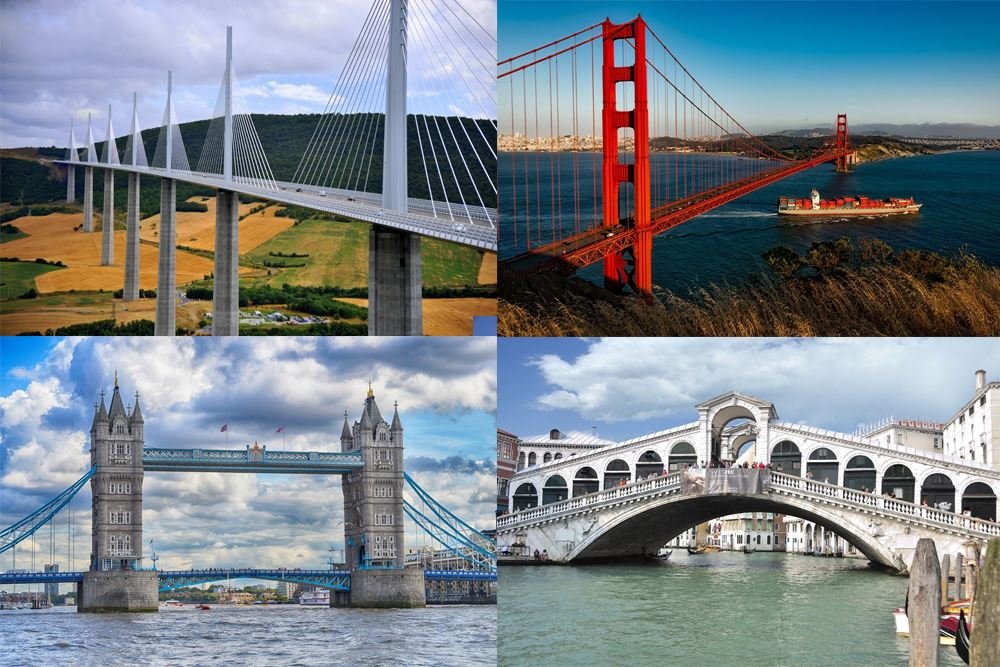
In San Francisco, the Golden Gate Bridge frames the entrance to an expansive deep-water harbor, but its center span sits 220 feet above Mean Higher High Water (MHW). When vessels like the Carnival Miracle or Princess Cruises' Royal-class ships transit underneath, harbor pilots must strictly schedule outbound sailings around tide charts. During summer months, heavy traffic jams on US Route 101 coincide with warm inland air pulling outward through the strait. The heat expands the bridge's main steel suspension cables, lowering the roadway arch just as high tides roll in.
Passengers standing on the highest observation decks often gasp as the orange underbelly of the span sweeps overhead. Perspective distortion makes the steel arch appear far lower than it actually is. Cell phones and camera lenses tilt upward, capturing the illusion that the bridge will shear away the ship's satellite domes. In reality, the gap rarely exceeds seven feet for the largest vessels homeported inside the bay.
Farther north along the Pacific coast, the Lions Gate Bridge across Burrard Inlet enforces an even harsher reality on Vancouver’s cruise hub. Providing barely 200 feet of vertical clearance at high tide, this historic suspension span prevents the newest class of cruise vessels from reaching Canada Place pier. Cruise operators must run smaller, older tonnage on Vancouver-to-Alaska itineraries, or reroute newer ships out of Seattle, altering regional tourism revenues entirely based on bridge height.
How Static Clearances Are Redrawing Cruise Homeports
Bridge heights are unyielding economic walls. Port authorities in Tampa, Florida, face a hard ceiling at the Sunshine Skyway Bridge, whose 180-foot clearance prevents contemporary mega-liners from reaching downtown berths. Tampa remains restricted to older mid-sized vessels, forcing lines to deploy their flagship assets to Port Miami or Port Everglades instead.
Similar dynamics have driven major cruise operators to alter seasonal footprints. When homeports present navigational bottlenecks or heightened risk profiles under variable tidal conditions, lines pivot. Cruise operators monitor transit safety closely; a single mechanical stall or sensor miscalculation while traversing a narrow river span risks catastrophically stranding passengers and paralyzing multi-billion-dollar commercial channels.
Infrastructure authorities occasionally evaluate options to lift or replace outdated spans, but costs frequently exceed billions of dollars. With bridge elevations largely fixed, shipping lines must choose between building specialized low-profile vessels or abandoning historic city-center terminals altogether. The architectural grandeur of a 1930s suspension bridge has become the primary limit on 21st-century nautical engineering.
Frequently Asked Questions (FAQ)
Q1: What happens if a cruise ship miscalculates vertical clearance?
A1: An air draft strike causes catastrophic structural damage to navigation systems, radar arrays, and engine exhaust stacks. It risks puncturing top decks and severing electrical conduits. Bridge structures face potential cosmetic or structural damage, and port authorities immediately suspend maritime traffic for emergency integrity assessments.
Q2: Why don't cruise ports simply dredge waterways to increase clearance under bridges?
A2: Dredging deepens the seabed, which improves water draft for heavily laden ship hulls, but does nothing for air draft. Overhead vertical clearance is determined strictly by the distance between the water surface and the bridge deck. Dredging cannot lower the water's surface elevation.
Q3: Can cruise ships sink themselves temporarily using water ballast?
A3: Yes. Modern cruise ships carry large internal ballast systems. Prior to sailing under low-clearance spans like the Verrazzano-Narrows or Great Belt bridges, engineers pump thousands of tons of sea water into double-bottom tanks to deliberately lower the hull by several inches to two feet.
Strategic Takeaways for Modern Maritime Routing
The delicate dance between historical civil architecture and naval architecture will define port developments for the next decade. As cruise lines continue designing taller ships boasting 20 deck tiers, race tracks, and observation pods, their access to the world’s most scenic historic harbors will steadily narrow. The engineering feats that allow existing ships to slip beneath suspension spans highlight human ingenuity, but they also expose a hard ceiling on vessel expansion.
For maritime travelers, these razor-thin passages remain among the most breathtaking experiences on the open water. Watching a steel suspension landmark pass within arm's reach of a cruise mast delivers an adrenaline rush rarely matched at sea. For the harbor pilots on the bridge wing, however, that view represents an intense operational calculation where tides, speed, and thermal expansion leave no room for error.
