Kitchen Pantry Staples That Never Expire: Where Vanilla Extract Ranks on the List
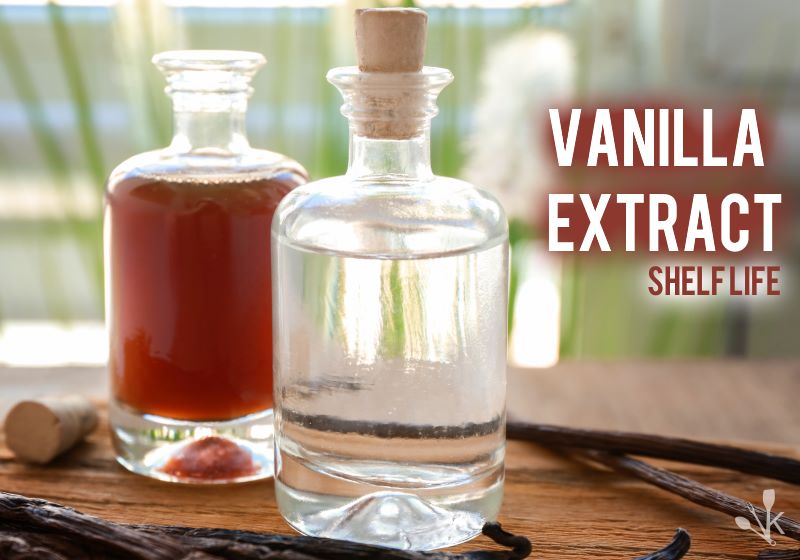
Pull a vintage, amber glass bottle of pure vanilla extract from the back of a cabinet, and the date stamped on the side might easily read five years past. Most consumers reflexively consider tossing it into the trash. Yet, according to food biochemists and culinary authorities, throwing that dark liquid away wastes one of the most resilient ingredients in modern culinary history. A comprehensive FODMAP Everyday Report tracking long-lasting pantry items classifies pure vanilla alongside white rice, honey, and salt as goods that practically defy degradation over human lifespans.
The secret behind vanilla's permanence lies in strict food standards and natural preservation chemistry. While dairy, oils, and ground spices break down, turn rancid, or fade within months, a properly sealed bottle of pure extract operates under different rules of biology.
📌 Key Takeaways:
- Indefinite Shelf Life: Pure vanilla extract does not spoil because its alcohol base prevents microbial growth and bacterial colonization indefinitely.
- Pure vs. Imitation: Synthetic substitutes rely on artificial flavor compounds in lower-proof bases, steadily losing aromatic strength within two to four years.
- Environmental Threats: Light, ambient moisture, and stove heat represent the only genuine risks to aromatic compounds inside an opened bottle.
The Chemical Armor of Pure Vanilla Extract
Pure vanilla extract does not behave like ordinary food because it is essentially a high-proof tincture. Under United States Food and Drug Administration (FDA) regulations, any commercial bottle labeled as pure vanilla extract must meet two non-negotiable criteria: it must contain a minimum of 35% ethyl alcohol percentage by volume, and it must incorporate at least 13.35 ounces of cured vanilla beans per gallon of solvent.
That 35% alcohol content equals 70-proof liquor. Microorganisms like salmonella, mold spores, and listeria require free water activity to survive and multiply. High concentrations of ethyl alcohol denature microbial proteins instantly, creating an inhospitable barrier to any biological pathogen.
Beyond acting as an antiseptic shield, the ethanol extracts and suspends vanillin, along with roughly 250 to 300 volatile aromatic compounds present in the cured pods. Over extended periods, these flavor molecules continue to react slowly in the absence of light and oxygen, mellowing out much like an aged bourbon or single-malt whiskey.
Imitation Vanilla Versus Pure Extract: The Longevity Divide
The durability of your bottle depends heavily on what is printed on the ingredients list. In an evaluation of baking essentials published by Martha Stewart Living, commercial bakers noted that the distinction between pure and synthetic formulations defines both culinary performance and long-term stability.
Imitation vanilla relies almost entirely on synthesized vanillin derived from wood pulp byproducts (lignin) or petrochemical guaiacol. To reduce production costs, manufacturers rarely match the alcohol levels found in traditional extracts. Instead, they suspend artificial flavorings, caramel coloring, and preservatives in solutions heavy with water, propylene glycol, or minimal alcohol.
Because synthetic flavor chemicals lack the complex molecular network of natural botanical extracts, they degrade steadily. Exposure to ambient air triggers oxidation, causing imitation bottles to lose their distinct aroma within two to four years. While an expired imitation extract remains generally safe to ingest, it will leave baked goods flat and chemically astringent.
Shelf-Life Benchmark: Comparing Resilient Pantry Staples
Vanilla extract shares its resilient chemistry with several other long-term culinary supplies. Understanding how different pantry staples handle time helps home cooks prevent needless food waste.
| Pantry Staple | Expected Shelf Life | Primary Preservation Mechanism | Primary Risk of Degradation |
|---|---|---|---|
| Pure Vanilla Extract | Indefinite (Decades) | ≥35% Ethyl Alcohol Content | Alcohol evaporation from loose caps |
| Imitation Vanilla | 2, 4 Years | Propylene glycol / mild preservatives | Aromatics oxidize and dissipate |
| Whole Black Peppercorns | 3, 5+ Years | Extremely low moisture content | Surface essential oils slowly dry out |
| Distilled White Vinegar | Indefinite | High Acidity (5% Acetic Acid) | Virtually none when sealed |
| Raw Honey | Indefinite | Low water activity & natural peroxides | Moisture absorption causing fermentation |
As highlighted in long-term emergency preparation studies published by Gadget Review, shelf-stable goods rely entirely on limiting water activity or introducing natural microbial inhibitors like alcohol, acid, or high osmotic sugar pressure. Pure vanilla extract fits squarely into this elite cluster of shelf-stable goods.

Decoding the Stamp: Expiration Date vs. Best By Date
Most containers feature stamped numbers on the glass neck or label base. Seeing a date pass leads many home bakers to assume safety has been compromised. In truth, regulatory mandates and retail inventory practices dictate those codes, not food safety science.
Food packaging laws in dozens of markets require manufacturers to include date stamps on bottled consumer items. Bottlers apply a best by date or best before date as a conservative quality window, typically three to five years from the bottling date. This guarantees the product retains its original factory flavor profile under variable storage circumstances.
It does not indicate an expiration date. An opened bottle from 2018 stored away from heat retains complete microbiological safety in 2026. The alcohol acts as an active preservative, making the product shelf-stable long after commercial inventory targets have lapsed.
Identifying Signs of Spoilage and Flavor Degradation
While pure extract does not rot, poor handling can degrade its quality or cause genuine spoilage. Knowing what to inspect prevents throwing away perfectly good extract while flagging ruined bottles.
Natural physical changes frequently trigger false alarms:
- Microscopic bean fibers often settle in unfiltered or minimally processed extracts. This natural sediment indicates rich bean extraction rather than spoilage.
- Cold pantry environments can cause vanillin to crystallize out of the solution, creating a faint haze. Bringing the bottle to room temperature clears the liquid.
Actual signs of spoilage stem almost exclusively from external contamination:
- Visible Mold Around the Neck: If water droplets, flour, or dirty fingers touch the rim, fungal spores can germinate on the exterior threading where alcohol has evaporated. If fuzzy growth appears on the cap or threads, discard the bottle.
- Pure vanilla hits the nose with a sharp alcohol strike followed by warm, sweet, woody aromatics. If the bottle emits a rancid, sour, or musty smell, external microbes have tainted the contents.
- Leaving a cap loose allows the volatile ethanol to evaporate. Over months, this strips away the vanilla aroma, leaving a flavorless liquid behind.
Preserving Potency: Optimal Storage Conditions for Baking Essentials
Extending the life of pure vanilla requires minimal effort, but common kitchen habits frequently ruin high-end bottles.
The single biggest mistake cooks make is putting vanilla extract in the refrigerator. Cold temperatures cause two immediate issues: they accelerate vanillin crystallization and generate condensation inside the bottle. Diluting the alcohol base with airborne moisture lowers the overall proof, weakening its natural preservative shield.
Keep the extract tucked inside a dark cabinet, isolated from heat sources. Placing extracts directly beside an oven, over a range hood, or on a sunlit spice rack breaks down volatile aromatics through heat fluctuations.
Always opt for dark amber or cobalt glass bottles. Transparent plastic containers permit ultraviolet light penetration, which alters fragile vanillin molecules over time. If you buy extract in bulk clear plastic jugs, pour a portion into a smaller, airtight dark glass bottle for routine baking needs.
Frequently Asked Questions (FAQ)
Q1: Does pure vanilla extract ever truly go bad?
Pure vanilla extract does not spoil or grow toxic bacteria because its 35% minimum alcohol content serves as a permanent preservative. If kept sealed in a cool, dark place, it remains safe to consume indefinitely.
Q2: Why does my vanilla extract smell sharply of alcohol instead of sweet beans?
A pronounced alcohol scent is normal. Because the solvent base is at least 70-proof ethanol, the initial aroma is alcoholic. Once the extract mixes into batter and undergoes cooking heat, the alcohol evaporates, leaving pure vanilla aromatics behind.
Q3: Can I restore vanilla extract that has lost its strength?
You cannot restore evaporated volatile compounds directly, but you can rejuvenate weak extract. Split two fresh, high-grade vanilla beans lengthwise, submerge them into the remaining liquid, seal the cap tightly, and let the bottle sit in a dark cupboard for four to eight weeks.
Q4: Is it safe to use vanilla extract if the cap has white crystals on it?
Yes. Those white, needle-like formations are usually pure crystallized vanillin that separated as trace amounts of alcohol evaporated near the bottle lip. Wipe the neck clean with a dry cloth and continue using the extract.
Managing Long-Term Pantry Inventory
Navigating pantry maintenance comes down to understanding the physical chemistry of what sits on your shelves. Commercial labels prioritize predictable inventory churn, stamping dates on products that do not require them. Pure vanilla extract is a functional preservative tincture, engineered by natural chemistry to outlast standard pantry staples.
Store pure extract in sealed amber glass, protect it from the heat of the stove, and skip the refrigerator entirely. Trust your senses: as long as the aroma remains rich and the rim shows no signs of physical mold, that bottle will deliver full baking flavor across years of practical use.
