Kombu, Katsuobushi, and Ferment: Visual Anatomy of Authentic Dashi Miso Broth
Most diners encounter miso soup as an afterthought: a cloudy, scalding broth ladled out of industrial warmers into plastic pint containers alongside takeout sushi rolls. It satisfies a quick craving, yet it rarely bears any resemblance to the dish cooked across Japan. As culinary writer Eric Kim observed in a dispatch chronicling homemade broths, highlighted via a facebook.com Report, slurping a paper cup of restaurant takeout holds nostalgic charm, but coaxing genuine flavor out of raw dried ingredients at your own stove reveals an entirely different craft.
The gap between takeout soup and authentic dashi miso broth is not a matter of culinary pretension; it is rooted in basic molecular chemistry and precise heat management. At its foundation, true miso soup is not salted water with paste stirred into it. It is an intricate emulsion supported by an ocean-derived foundation, where savory sea kelp, cured skipjack tuna, and fermented soybean paste align to multiply human taste perception.
📌 Key Takeaways:
- The Molecular Core: Authentic broth relies on the direct chemical reaction between naturally occurring glutamic acid in kombu seaweed and inosinic acid in katsuobushi bonito flakes, amplifying umami exponentially.
- The Extraction Window: Boiling kelp ruins the stock by releasing bitter tannins and mucilage; proper extraction requires steeping dried kelp between 60°C, 65°C before bringing the water near a brief simmer for skipjack flakes.
- Enzyme Preservation: Fermented soybean paste must never boil, as excessive heat dismantles delicate probiotic cultures and boils off fragile aroma compounds within seconds.
The Chemical Marriage: Glutamic Acid Meets Inosinate Synergy
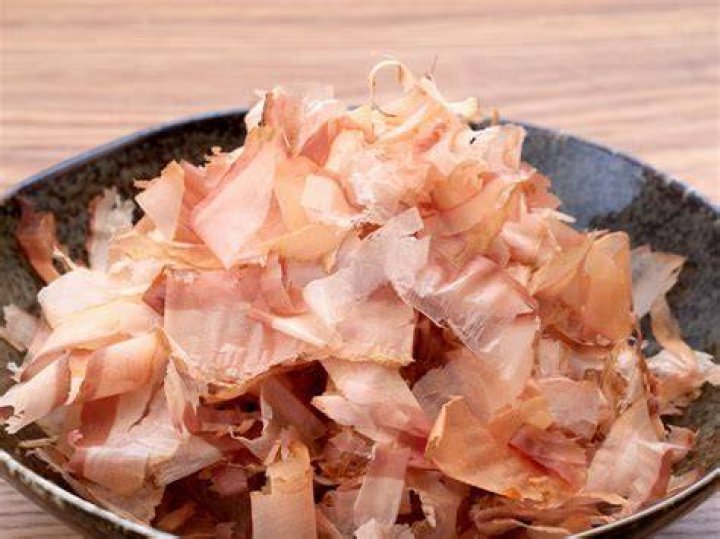
The foundation of Japanese cuisine rests on umami extraction, a biological phenomenon discovered in 1908 by chemist Kikunae Ikeda at Tokyo Imperial University. When dried kombu seaweed steeps in warm water, it yields high concentrations of free glutamic acid. On its own, kombu dashi offers a clean, faintly sweet salinity. The broth changes completely when you introduce katsuobushi bonito flakes, fermented, smoked skipjack tuna that has been dried to wood-like hardness and shaved into diaphanous ribbons.
Katsuobushi contains dense reserves of disodium inosinate. In sensory biochemistry, pairing glutamates with inosinates does not produce simple addition; it triggers a synergistic explosion. Receptors on the human tongue bind up to eight times more intensely to savory cues when both compounds meet in the same liquid. The broth feels weighty without containing a single drop of rendered animal fat or oil.
Home cooks often shortchange this interaction by relying on commercial granulated soup powders. While convenient, mass-produced dashi granules typically lean on synthetic monosodium glutamate paired with excessive table salt and hydrolysed vegetable proteins. Real stock delivers a rounded, three-dimensional savoriness that sits comfortably on the palate rather than coating it with an abrasive salty glaze.
Building the Base: Step-by-Step Umami Extraction
Making standard awase dashi requires roughly 20 minutes from cold water to strained stock. The process demands visual attentiveness rather than high heat. The golden dashi stock ratio generally calls for 20 grams of dried kombu and 20 to 30 grams of katsuobushi bonito flakes per 1,000 milliliters of cold water.
Begin by wiping the dried kombu strip gently with a damp paper towel. Never wash off the white powdery substance clinging to the surface; that powder is naturally dried mannitol, a sweet sugar alcohol that forms during curing and deepens the broth. Place the kelp in cold filtered water and set the pot over low heat. Watch the bottom of the vessel closely. Over the course of 10 to 12 minutes, the stiff kelp will soften, turning dark green and swelling to three times its dried thickness.
Keep a close eye on the simmering temperature. Tiny, pinhead-sized bubbles should emerge along the edges of the pot around 60°C, 65°C. Remove the kombu immediately before the water comes to a rolling boil. If the kelp boils, bitter polyphenols and slimy alginic acid bleed into the stock, turning it viscous and muddy. Once the kelp is out, bring the water to roughly 85°C, 90°C, take the pot off the burner, and scatter the shaved bonito flakes across the liquid. They will dance on the surface tension for a brief second before absorbing water and sinking slowly to the bottom. Let them infuse undisturbed for 2 to 3 minutes, then pour the broth through a fine-mesh sieve lined with cheesecloth or unbleached paper towels. Never squeeze or press the wet flakes; doing so forces sour, cloudy fats into what should be a crystal-clear, amber broth.
Variations in the Stock: Comparing Regional Extraction Methods
Awase dashi made from kelp and skipjack dominates metropolitan kitchens, yet Japanese home cooking frequently pivots between differing regional styles. Coastal areas and southern prefectures favor niboshi anchovy broth, which utilizes small dried juvenile sardines with their heads and bitter black viscera removed. Niboshi brings a punchy, oceanic weight well suited to hearty red misos and root vegetables.
| Dashi Style | Core Raw Ingredients | Extraction Method & Time | Primary Taste Profile |
|---|---|---|---|
| Classic Awase Dashi | Kombu seaweed + Katsuobushi bonito flakes | Gentle steep at 60°C, 65°C; 2, 3 min off-heat flake rest | Refined, fragrant, clean umami synergy |
| Niboshi Dashi | Dried baby sardines (gutted) + optional kombu | Overnight cold soak or 15, 20 min gentle simmer | Robust, rustic, deep mineral and fish notes |
| Shojin Vegetarian Dashi | Dried shiitake caps + Kombu seaweed | Cold water extraction for 8, 12 hours | Earthy, dark, high in natural guanylates |
Choosing the Ferment: The Nuance of Awase Miso Paste
Dashi provides the structure, but fermented soybean paste shapes the character of the bowl. Produced by inoculating cooked soybeans with salt and koji grain mold, miso undergoes fermentation periods spanning anywhere from 3 months to over 3 years. The spectrum spans from sweet, pale white shiro miso to pungent, brick-red aka miso.
For dependable balance, most households turn to awase miso paste, a deliberate blend of red and white varieties. Red miso brings bold, nutty depth born of extensive Maillard reactions during extended aging, while white miso injects gentle sweetness and a creamy texture from short-aged rice cultures. This blend prevents the soup from tasting either overly aggressive or cloyingly sugary.
Look at the ingredient label carefully when shopping. High-grade fermented soybean paste lists only soybeans, rice or barley, salt, and water. Avoid containers that list added alcohol, monosodium glutamate, or instant dashi extracts. Natural, unpasteurized misos preserve living lactobacillus and enzymatic properties that produce complex flavors impossible to replicate through industrial stabilizers.
The Dissolving Technique: Why You Must Never Boil the Paste
The single most destructive error made in home kitchens is dropping blocks of miso into boiling water and walking away. Boiled miso paste curdles instantly, causing the vegetable solids to clump into granular sediment while floating in translucent, separated water.
More critically, high heat destroys the broth's aromatic profile. The volatile esters and organic acids that give fresh miso its rich perfume evaporate rapidly at temperatures over 85°C. Boiling also kills the delicate active enzymes present in high-grade ferments.
The professional method requires a small, handheld fine-mesh strainer called a misokoshi, or a standard soup ladle and a pair of long cooking chopsticks. Measure out roughly 1 to 1.5 tablespoons of miso per 200 milliliters of stock. Lower the base of the strainer into the warm dashi so it partially fills with liquid. Place the miso inside the basket and work it with a small whisk or chopsticks until it softens and dissolves entirely into the surrounding broth. Alternatively, scoop a ladleful of dashi out of the pot, mash the paste inside the spoon until smooth, and stir the mixture back into the main pot. The broth should remain at a low, trembling heat, barely 75°C to 80°C, until serving.
Garnishing Discipline: Silken Tofu, Wakame, and Seasonal Accents
A bowl of dashi miso broth is meant to harmonize two distinct categories of ingredients: items that float on top, and items that rest on the bottom. In classic culinary writing, chefs Tadashi Ono and Harris Salat highlight the beauty of contrast in their works on traditional Japanese home cooking, demonstrating that even unconventional additions, such as diced heirloom tomatoes alongside cubed silken tofu, succeed when treated with textural respect.
Standard garnishes require minimal cooking time:
- Silken Tofu: Cut fresh silken tofu into modest 1-centimeter cubes. Handle them gently; rough handling tears the fragile curds. Add the tofu to the hot dashi minutes before introducing the miso paste, allowing the cubes to warm through without tumbling violently in turbulent water.
- Dried Wakame: Rehydrate dried wakame seaweed separately in a small dish of cool water for 3 to 5 minutes before adding it to the bowl. Dropping dried wakame straight into the simmering pot leaches residual iodine and excess brine into your carefully extracted dashi.
- Aromatics: Thinly sliced scallions, mitsuba herb leaves, or a single rasp of fresh yuzu zest should go straight into the serving bowl immediately before the hot broth is ladled over them. This approach traps the raw aromatics in the rising steam rather than boiling them limp.
Frequently Asked Questions (FAQ)
Q1: Can I make authentic dashi ahead of time and store it in the refrigerator?
A1: Yes. Freshly strained awase dashi holds its flavor in a sealed glass container in the refrigerator for up to 3 to 4 days. You can also freeze it in measured batches for up to 1 month. However, only add the miso paste right before serving; pre-mixed miso soup quickly loses its aromatics when reheated.
Q2: Why does my homemade miso soup separate into distinct layers when it sits on the table?
A2: Natural separation is completely normal and a sign of good technique. When miso dissolves without artificial emulsifiers or scorched starches, the fine soybean particles slowly drift downward while you sit. A gentle swirl with your chopsticks reconstitutes the cloudy, dynamic suspension instantly.
Q3: Is it safe to eat the steeped kombu seaweed and katsuobushi flakes instead of throwing them away?
A3: Absolutely. In Japanese home kitchens, spent dashi ingredients are saved to prepare tsukudani. Slice the spent kombu into ribbons and simmer it with the leftover bonito flakes, soy sauce, mirin, sake, and sesame seeds until caramelized, creating a savory topping for steamed rice.
Mastering the Daily Pot in Modern Home Kitchens
Cooking authentic dashi miso broth transforms a rushed weekday routine into an act of culinary precision. It asks the cook to pay attention to subtle sensory markers: the swelling edges of kelp in cool water, the faint rustle of skipjack shavings catching steam, and the fragrant cloud released when rich fermented soybean paste dissolves into hot stock.
Stepping away from instant powders and industrial takeout tubs reclaims a centuries-old culinary practice. By honoring the exact thresholds of water temperature, extracting the pure chemistry of umami, and respecting the living qualities of fermented soybean paste, home cooks bring the soulful, restorative clarity of Japan's staple dish straight to their everyday table.
