Las Vegas Airport Rideshare Updates: Terminal 3 Pickup Adjustments and Driverless Tech
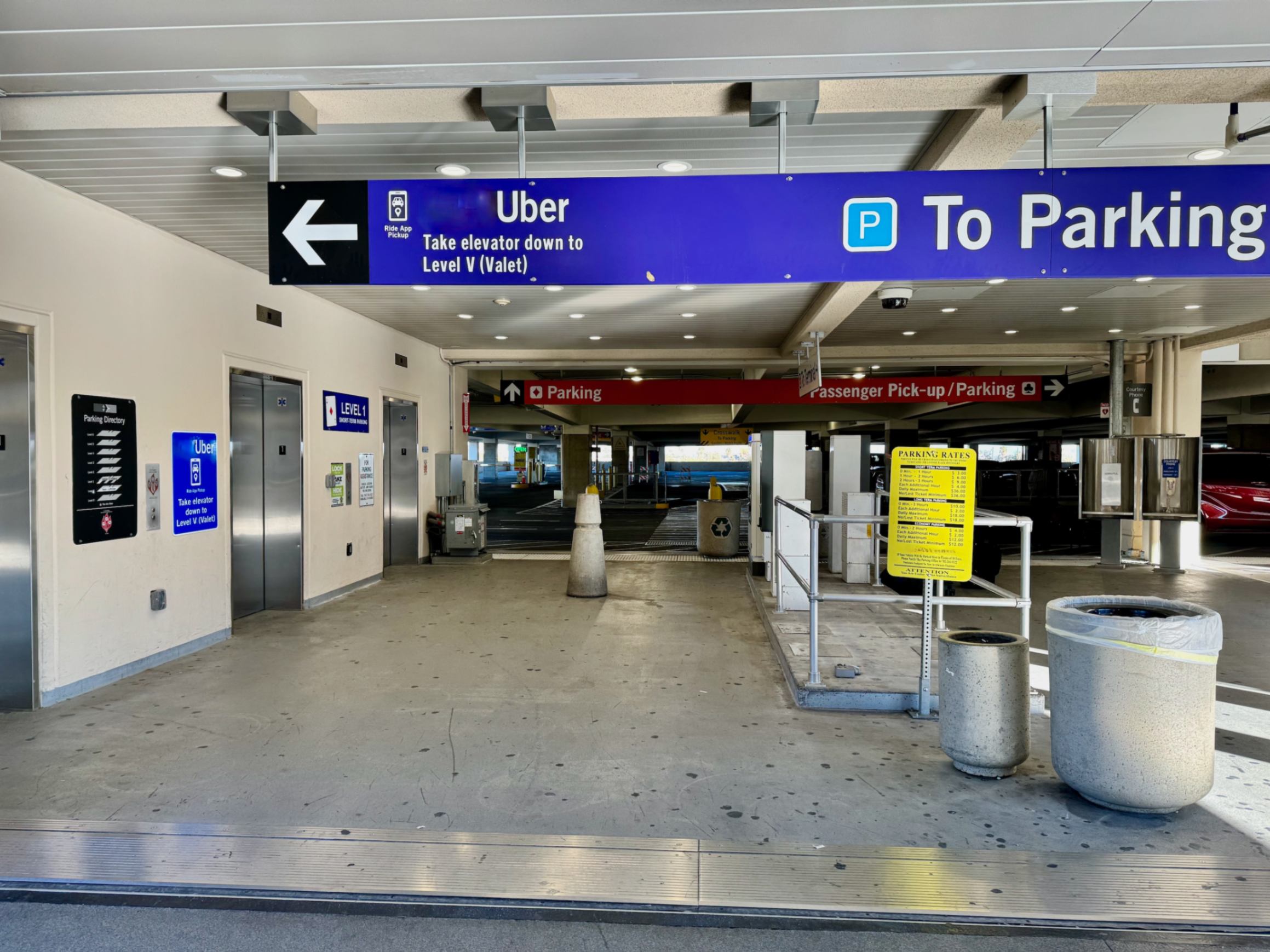
Stepping out of baggage claim into the dry heat of Paradise, Nevada, travelers at Harry Reid International Airport LAS face a radically transformed ground transportation footprint. The days of simply walking outside the sliding glass doors to flag an app ride are long gone, replaced by multi-story garage treks and strictly geofenced passenger loading zones. As passenger volume consistently tops 57 million annual travelers, Clark County aviation officials have reconfigured curb allocations across both terminals to prevent gridlock along the Las Vegas Strip corridor.
Recent operational audits, detailed in a comprehensive Upgraded Points Report, show that Terminal 3 handles the bulk of international arrivals and major domestic carriers such as United, Alaska, and JetBlue. However, the physical path from baggage carousels to vehicle seats remains one of the most misunderstood routes in modern American aviation. Adding to the shift, the introduction of commercial autonomous vehicles on airport property has upended ground transportation dynamics, transforming how arriving passengers connect with their rides.
📌 Quick Summary:
- Pick-up Location: Passengers using app-based rides at Terminal 3 must proceed to Level V (Valet level) inside the Terminal 3 parking garage.
- Autonomous Transit: Zoox robotaxis launched commercial passenger pickups at designated airport berths in September 2026, marking the nation's first airport driverless hailing service.
- Wayfinding Advice: Avoid exiting to the outer passenger curb at baggage claim; follow high-visibility rideshare pick-up zone signs directly across the pedestrian bridges into the garage core.
Exact Directions to the Terminal 3 Rideshare Staging Area
Finding your driver at Terminal 3 requires understanding the vertical architecture of the facility. After retrieving luggage from the carousels on Level Zero, do not head outside to the private vehicle pickup lanes. Drivers for Uber and Lyft cannot pick you up along that curb, and airport traffic enforcement officers aggressively cite vehicles attempting unsanctioned stops.
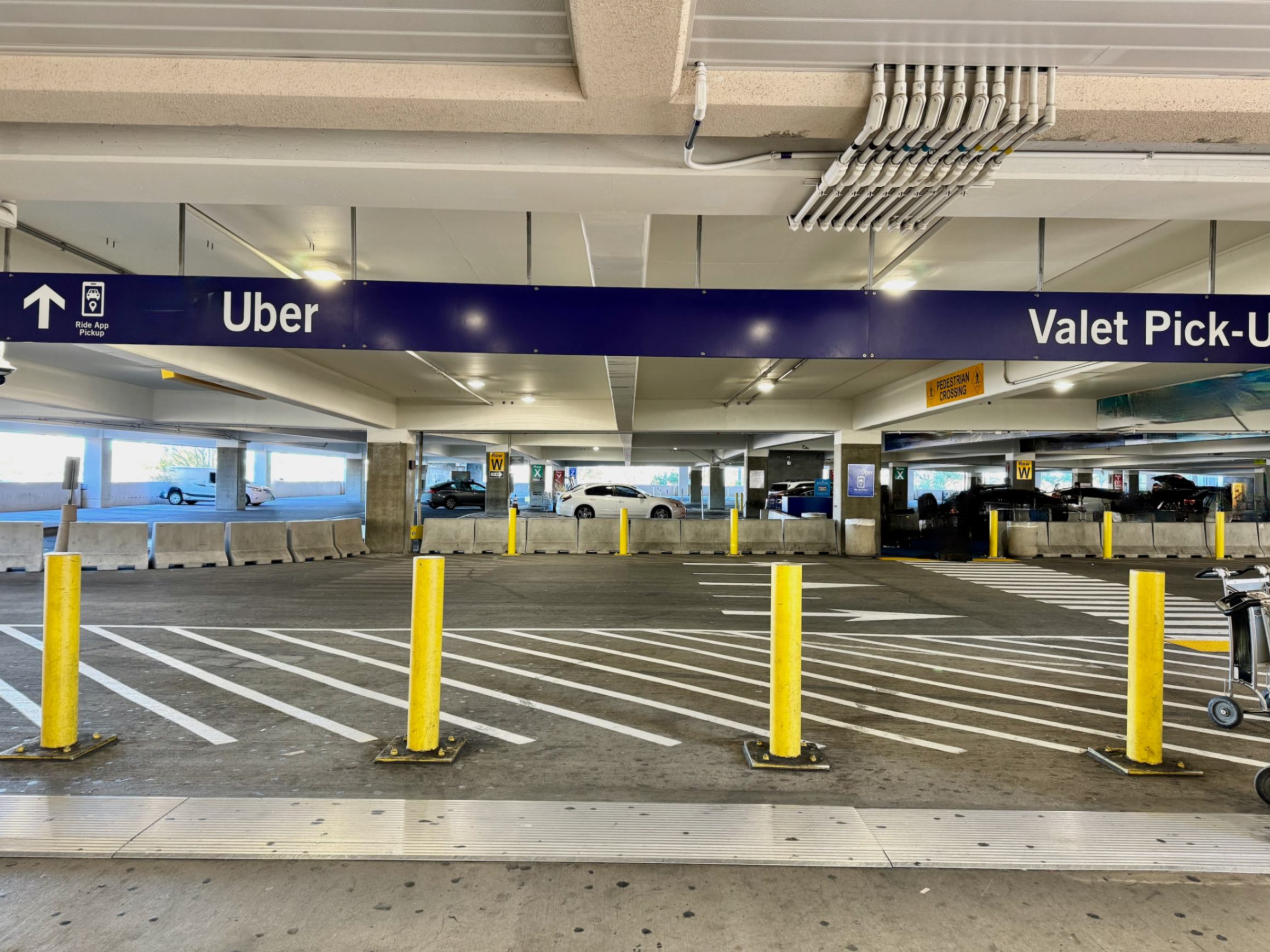
Instead, look overhead for the dark blue rideshare pick-up zone signs. Head toward the center of the terminal building and take the elevators or escalators up to Level V of the attached Terminal 3 parking garage. The airport designates this floor as Terminal 3 Level V valet parking and TNC (Transportation Network Company) staging. Pedestrian crosswalks connect the terminal structure directly to the parking complex. Once inside the garage, follow the painted floor markings toward the dedicated passenger loading zones, where stalls are numbered sequentially to help drivers locate their passengers.
Cellular data dead zones occasionally pop up inside the concrete parking structure during peak evening arrival banks. Connecting to the free airport Wi-Fi network before stepping into the garage ensures your ride app maintains continuous GPS tracking with your inbound driver.
Terminal 1 vs Terminal 3 Rideshare Logistics
Travelers accustomed to older terminal layouts often confuse the two separate complexes. The airport, which formerly operated as McCarran International before its renaming, runs Terminal 1 and Terminal 3 as entirely disconnected ground vehicle systems. There is no exterior roadway connecting the two curbs directly for pedestrians; moving between them requires boarding an inter-terminal shuttle bus or taking the automated people mover behind security.
Terminal 1 funnels rideshare traffic to Level 2M of its central parking garage. The walk from Terminal 1 baggage claim involves taking an escalator up to a pedestrian bridge, crossing over active traffic lanes, and winding through a parking annex. Terminal 3 offers a more streamlined route because its parking garage sits directly flush against the terminal envelope. The total transit time from baggage carousel to pickup stall averages four to six minutes in Terminal 3, compared to nine to twelve minutes in Terminal 1.
| Terminal Facility | Rideshare Floor / Location | Average Walk Time | Autonomous Service Access |
|---|---|---|---|
| Terminal 1 | Garage Level 2M | 8, 12 minutes | Staged pilot testing only |
| Terminal 3 | Garage Level V (Valet Deck) | 4, 6 minutes | Active commercial berths |
Zoox Robotaxis Enter the Airport Ground Grid
The ground transportation footprint at Harry Reid shifted dramatically in September 2026, when Amazon-backed autonomous vehicle company Zoox secured regulatory approval from the Clark County Department of Aviation. As reported by Casino.org and local broadcaster KSNV, Zoox became the first commercial driverless operator authorized to load ticketed air passengers curbside at the airport.
The purpose-built, bidirectional electric shuttles operate without steering wheels or human safety operators. The airport authority carved out dedicated autonomous vehicle airport pickup bays right beside the standard app loading stalls on Level V of the Terminal 3 garage. Instead of waiting for a vehicle dispatched from the distant staging lots off Russell Road, passengers can summon a driverless pod via an on-demand digital queue. The vehicles run pre-mapped, geofenced routes directly linking the airport to the Las Vegas Strip, downtown resort corridors, and the Las Vegas Convention Center.
The expansion has prompted pushback from gig workers. Human rideshare operators organized demonstrations along Kitty Hawk Way in early September 2026, protesting lost airport fare revenue. Despite local labor objections, airport management expanded autonomous staging berths to accommodate peak convention waves, aiming to cut passenger wait times that frequently exceed 25 minutes during major trade exhibitions.
Driver Staging and Congestion Realities in 2026
The airport authority enforces strict geofencing around the entire perimeter of Terminal 3. Drivers waiting for trip dispatches cannot loiter on Paradise Road or Tropicana Avenue without having their driver profiles temporarily blocked by Uber or Lyft algorithms. All traditional rideshare vehicles are held in designated ride app staging locations south of the airfield until a passenger books a trip from inside the terminal footprint.
Because drivers require roughly four to seven minutes to roll from the Russell Road staging lot to the Level V ramp, requesting your ride while still waiting at the baggage claim carousel is common practice. Doing so coordinates your walk across the pedestrian bridge with the car's arrival at the designated numbered bay. If you request too late, you face long waits on the drafty garage deck; request too early, and drivers run the risk of circling the ramp or triggering wait-time penalties.
Frequently Asked Questions (FAQ)
Q1: What exact floor is rideshare pickup at Reid Terminal 3?
A1: App-based pickups are located on Level V (Valet level) of the Terminal 3 parking garage. You reach this area by taking the terminal elevators or escalators from baggage claim up to the garage crossover bridges.
Q2: Can I hail an Uber or Lyft at the outer curb outside baggage claim?
A2: No. The curbs directly outside baggage claim are strictly reserved for private passenger drop-offs, airport shuttles, and scheduled limousines. Rideshare apps will not allow a pin drop along the ground-level curb.
Q3: How do Zoox driverless pickups work at Terminal 3?
A3: Travelers summon a ride using the Zoox mobile app once inside the terminal. The vehicles arrive at dedicated autonomous vehicle bays on Level V of the Terminal 3 garage, following pre-programmed, high-capacity routes to Strip resorts and key convention venues.
Q4: What should I do if my flight arrives at Terminal 3 but my rideshare app shows Terminal 1?
A4: Check your app's GPS pin before booking. If your ride app defaults to Terminal 1, manually update the pickup location to "Terminal 3 - Valet Level V." Ordering a ride to the wrong terminal will result in driver cancellations and missed connections, as the two staging areas are physically separate.
The Road Ahead for Las Vegas Airport Transit
Navigating the ground transportation network at Harry Reid International Airport requires understanding the physical split between its facilities and the ongoing integration of automated vehicle lanes. Terminal 3 remains the faster, more modern terminal for app-based arrivals, but passenger density during high-profile convention cycles continues to strain garage capacity. Watching for overhead directional signage, coordinating booking times with baggage delivery, and verifying your assigned bay number on Level V ensure a seamless exit toward the Strip corridor.
