Life Near the DMZ: Inside Daily Operations at Camp Casey, South Korea
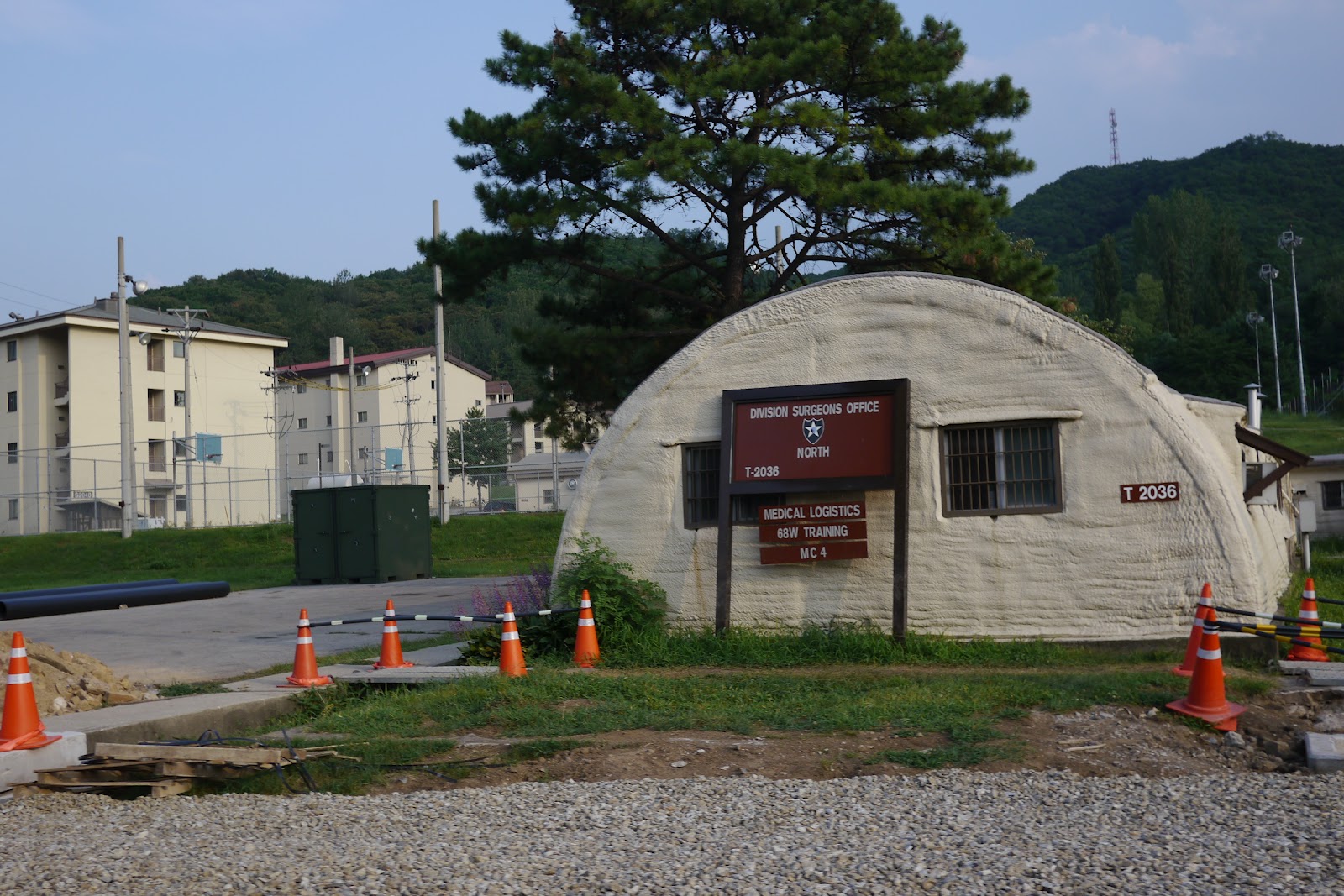
At 0530 in the shadow of Mount Soyosan, the metallic clatter of tracked vehicles cuts through the morning fog of Dongducheon. Camp Casey sits approximately 12 miles south of the Korean Demilitarized Zone (DMZ), positioned along the historic Uijeongbu invasion corridor that North Korean armor traversed in June 1950. While most United States Forces Korea (USFK) units relocated south to the sprawling flatlands of USAG Humphreys in Pyeongtaek over the past decade, Camp Casey remains active, focused, and operationally austere. The base serves as the physical backbone of frontline combat readiness on the Korean Peninsula, anchored by forward artillery brigades and rotational maneuver battalions ready to respond to provocations within minutes.
The operational gravity of the post remains personal for those serving near the border. As detailed in The Korea Times Report, senior American commanders stationed on the installation walk parade grounds and training fields bearing the names of Korean War heroes, reinforcing a multigenerational defense compact that has guarded the 38th parallel for over seven decades.
📌 Key Takeaways:
- Forward Posture: Camp Casey remains the most vital northern redoubt of the Eighth Army Korea, located roughly 40 miles north of Seoul and within range of adversary heavy artillery.
- The Artillery Shield: The installation hosts the 210th Field Artillery Brigade, tasked with counter-battery strikes against hostile rocket and cannon tubes in the event of conflict.
- Modernized Doctrine: Ongoing operations balance legacy counter-fire mandates with combined forces training, rigorous operational security, and integration with Republic of Korea (ROK) ground units.
The Tactical Geography of Dongducheon and the 2nd Infantry Division
Geography dictates military doctrine in northern Gyeonggi Province. Dongducheon is hemmed in by steep granite ridgelines, funneling transit through narrow valleys that run directly south toward the capital. Camp Casey, along with its adjacent annex Camp Hovey, occupies several thousand acres carved into the foothills. The installation operates under the umbrella of the 2nd Infantry Division/ROK-U.S. Combined Division (2ID/RUCD), a unique bilateral command structure established to ensure seamless command-and-control during high-intensity conflict.
Unlike service members stationed at Camp Humphreys, who enjoy shopping malls, contemporary suburban-style housing, and expansive recreation complexes, soldiers at Camp Casey live within immediate range of adversary long-range artillery systems. Hardened artillery sites (HARTS) situated north of the DMZ house 170mm Koksan guns and 240mm multiple rocket launch systems capable of targeting the northern outskirts of Seoul. Camp Casey sits directly between those batteries and the capital, meaning operational tempo here is shaped by minutes, not hours.
Dawn Patrols and Live-Fire Drills: What Frontline Combat Readiness Looks Like
Daily life at Camp Casey begins well before sunrise with equipment accountability, cold-weather vehicle maintenance, and physical readiness training up steep mountain inclines. Operational focus centers on the "Fight Tonight" directive. That is not a motivational slogan in Dongducheon; it is an active deployment standard requiring units to disperse, arm, and establish combat firing points on short notice.
The primary tactical punch at Camp Casey is the 210th Field Artillery Brigade. Equipped with M270A1 Multiple Launch Rocket Systems (MLRS), the brigade's mission is counter-battery warfare: identifying incoming artillery trajectories via AN/TPQ-53 radar systems and returning devastating rocket strikes within seconds to neutralize enemy launchers. Live-fire exercises regularly move through nearby impact facilities such as Rodriguez Live Fire Complex (Rodriguez Range) in Pocheon, where crews execute day and night gunnery drills under conditions that simulate GPS-denied environments and heavy electronic interference.
Operational Evolution: Camp Casey from 1953 to 2026
The strategic role of Camp Casey has adapted dramatically through seven decades of deterrence. While bilateral agreements saw tens of thousands of American troops consolidate south of Seoul under the Yongsan Relocation Plan (YRP) and Land Partnership Plan (LPP), the artillery assets in Dongducheon remained in place at the direct request of South Korean defense officials.
| Operational Era | Primary Unit Footprint | Strategic Function |
|---|---|---|
| 1953, 1971 | 7th Infantry Division | Direct armistice enforcement; primary DMZ border patrolling |
| 1971, 2004 | 2nd Infantry Division (Forward brigades) | Heavy mechanized tripwire defense along Main Supply Route 1 |
| 2004, 2018 | 210th Fires BDE; Rotational Armored BCTs | Transition toward rotational forces; counter-battery modernization |
| 2019, 2026 | 210th FAB; Combined ROK-US elements | Precision rocket fires, joint command interoperability, counter-UAS posture |
Rotational deployments have replaced permanently assigned maneuver brigades. Armored and Stryker brigade combat teams cycle through Casey on nine-month rotations from installations across the continental United States. These rotational units arrive fully trained but must rapidly adjust to the steep terrain and harsh operational climate of the northern sector.

Integrated Security: Combined Forces Training and Modern Countermeasures
Frontline defense in northern South Korea is no longer simply about entrenching infantry in bunkers. As documented by military reports from DVIDS, USFK and Eighth Army Korea units routinely execute Combined Forces Operations Security (OPSEC) Level II and tactical data-protection exercises to protect critical infrastructure from digital surveillance and reconnaissance. In modern conflict, troop movements in Dongducheon are monitored not only by cross-border observation posts, but by optical reconnaissance satellites, electronic eavesdropping, and commercial surveillance tools.
Counter-unmanned aircraft systems (C-UAS) training has become standard operating procedure across Camp Casey and Camp Hovey. Soldiers drill on tracking low-flying autonomous drones capable of reporting positions or carrying explosive ordnance. Field communication protocols emphasize low-probability-of-intercept radios and rapid displacement drills. Once a battery fires its ordnance, it must relocate within three minutes to evade retaliatory radar-directed strikes.
The Human Side: Winter Freezes, KATUSA Integration, and Barracks Life
The human environment at Camp Casey sets it apart from any other posting in the American defense apparatus. Dongducheon experiences severe seasonal swings. Winters bring Siberian winds that drop temperatures below zero degrees Fahrenheit, freezing hydraulic lines and testing maintenance teams tasked with keeping 30-ton vehicles mission-ready. Summers bring monsoon rains that saturate narrow mountain roads and risk mudslides.
Crucial to daily cohesion is the KATUSA program (Korean Augmentation to the United States Army). South Korean conscripts serve alongside American soldiers in identical duty roles, sleeping in the same barracks and sharing the same motor pool shifts. KATUSAs provide linguistic and cultural integration while gaining deep familiarity with American tactical doctrine. Off-duty, soldiers walk through the pedestrian corridors of Bosan-dong, directly outside Casey's main gate. Once defined by sprawling nightlife districts catering exclusively to foreign troops, the surrounding district has matured into a cultural enclave of international diners, clothing stores, and coffee shops reflecting Dongducheon’s broader economic transition.
Strategic Deterrence and the ROK-US Alliance Along the MSR 1 Corridor
Critics of maintaining forces in Dongducheon have pointed to the vulnerability of housing troops within artillery range. Some policy analysts have argued for moving all American forces south of the Han River. Yet military planners recognize that the forward presence at Camp Casey fulfills an irreplaceable strategic objective: certainty.
By positioning advanced counter-fire capabilities directly north of Seoul, the ROK-U.S. alliance prevents adversary planners from assuming a sudden, localized strike could seize terrain or hold the metropolitan area hostage without triggering immediate American kinetic action. The soldiers stationed in Dongducheon represent a defensive guarantee forged through seven decades of treaty commitments. Their daily training tempo, vehicle maintenance, and combined operational drills ensure that the armistice line remains stable.
Frequently Asked Questions (FAQ)
Q1: Why didn’t Camp Casey close when USAG Humphreys expanded?
A1: While the bulk of 2ID moved south to Pyeongtaek, the South Korean and American governments mutually agreed to keep the 210th Field Artillery Brigade at Camp Casey. Its MLRS systems provide an indispensable counter-battery shield against hostile artillery positions aimed directly at Seoul, an operational capability that cannot be delivered as quickly from bases further south.
Q2: How far is Camp Casey from the Demilitarized Zone?
A2: Camp Casey is roughly 12 to 14 miles south of the DMZ, depending on the route taken. Its proximity places the base within reach of long-range conventional artillery systems stationed across the border.
Q3: What units are stationed at Camp Casey today?
A3: The permanent anchor is the 210th Field Artillery Brigade, alongside rotational combat maneuver elements from the U.S. Army, support battalions, and attached Republic of Korea Army personnel under the KATUSA framework.
The Enduring Realities of Frontline Deterrence
Camp Casey remains one of the most operationally demanding postings in the modern military. The base lacks the sprawling modern amenities of bases built far to the south, replacing them with a relentless focus on readiness, equipment checks, and live-fire execution. As northern Gyeonggi Province continues to modernize with expanded high-speed rail lines and suburban development, the barbed wire and firing pads of Dongducheon serve as a daily reminder of an unfinished conflict. The alliance relies on the crews working the motor pools at dawn to maintain the balance of power across the Korean Peninsula.
