Mastering the Rex Glide Bait: Gear Setup, Cadence, and Retrieval Guide
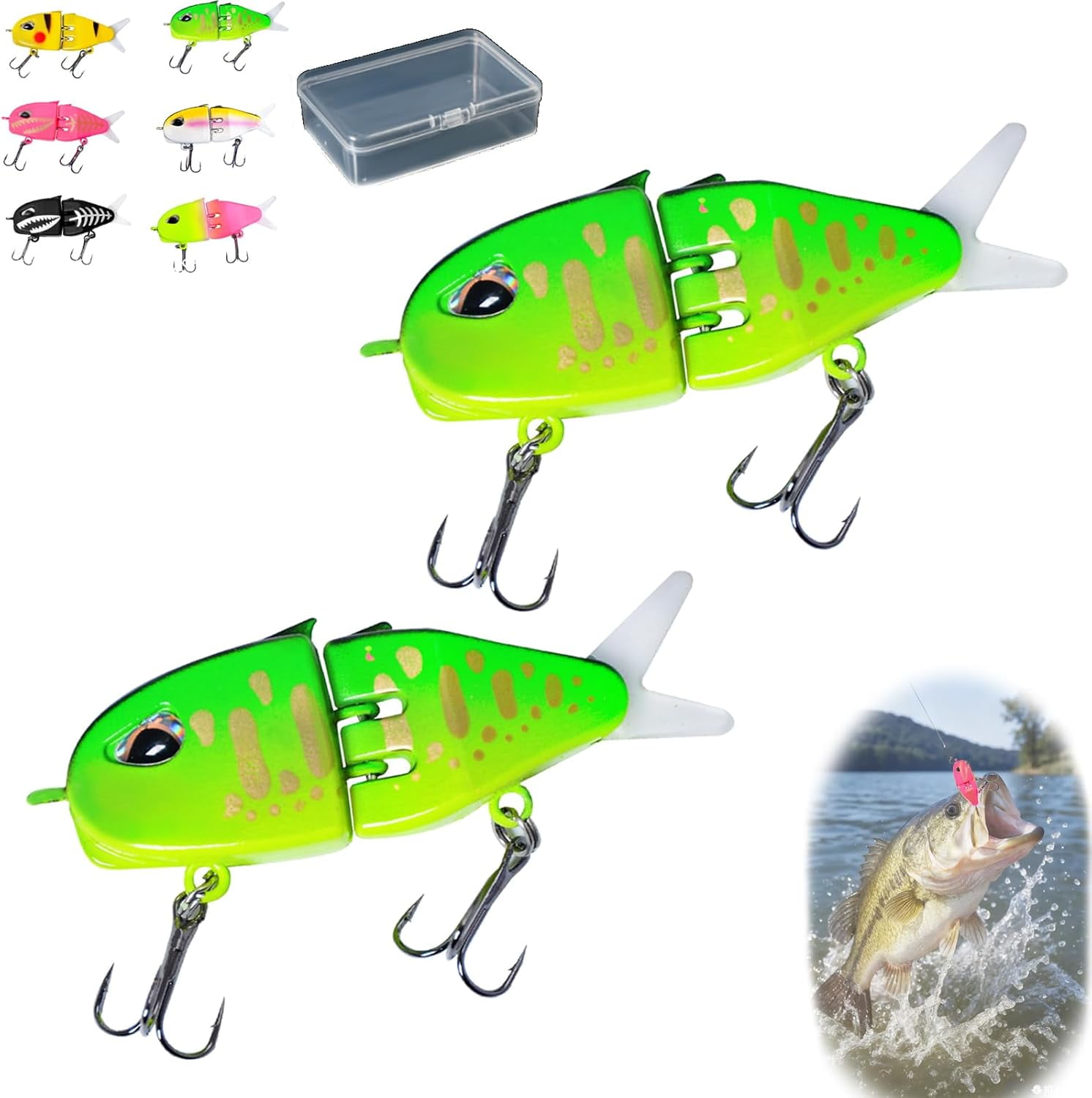
Glide bait fishing moved rapidly from a regional West Coast obsession to a standard fixture across nationwide tournament circuits. As documented in a recent MSN Report examining the evolution of heavy tackle trends, throwing oversized single-jointed hardbaits is no longer reserved for niche swimbait purists. Modern competitive anglers deploy these massive profiles to locate nomadic schools and entice heavily pressured fish that ignore conventional presentations. Within this category, the Rex glide bait earned a dedicated following for its responsive tracking, natural posture on the pause, and versatile swimming profile.
Drawing strikes on a bait of this scale requires far more than chucking it down wind and cranking the reel handle. The bait relies on hydrodynamics, angler input, and deliberate line management to trigger defensive or feeding reactions. Pairing the lure with mismatched equipment or fishing it on an improper line diameter immediately dulls its movement, reducing a high-end tool to dead weight. Unlocking its full potential requires understanding how weight distribution, rod mechanics, and subtle cadence shifts intersect.
📌 Key Takeaways:
- Matched Rod Dynamics: Throwing the Rex glide bait cleanly requires a heavy power baitcasting rod with a parabolic bend to cast heavy payloads without ripping hooks during headshakes.
- Reel Speed Precision: A swimbait reel gear ratio between 6.2:1 and 6.6:1 offers the optimal balance of torque and line take-up to impart realistic action without blowing out the glide.
- Cadence Triggers: Modulating reel handle velocity creates an expansive S-wave swimming action, while erratic directional twitches transform passive followers into committed strikers.
Hydrodynamics and Mechanics of the Rex Glide Bait
The Rex glide bait operates on a single-pin hinge mechanism that divides the lure into balanced fore and aft segments. When water pushes against the angled face and flanks, the front segment displaces fluid while the rear tail section swings outward. This displacement initiates an uninterrupted S-wave swimming action that looks remarkably like an unsuspecting gizzard shad or trout cruising open water.
A central design feature of the bait is its calibrated slow sink rate. Falling horizontally through the water column at roughly 0.5 to 1 foot per second, it remains in the productive strike window longer than baits biased toward a fast plunge. The horizontal posture prevents the tail from dragging downward, which often spooks educated fish in clear impoundments. The bait glides several feet off-center on a slack-line glide, giving aggressive bass the silhouette of an easy, injured target with substantial caloric reward.
Selecting the Ideal Swimbait Rod Setup
Hinging several ounces of hard-bodied plastic into a long cast exposes every weakness in a rod blank. You cannot throw this profile on a standard heavy flipping stick; the fast, brittle tip will either snap under the load or launch the bait with a violent whip that overruns your spool. A dedicated swimbait rod setup requires an 8-foot to 8-foot-6-inch heavy power baitcasting rod rated specifically for 2 to 6 ounces with a moderate-fast taper.
The parabolic bend of a moderate-fast blank loads progressively into the midsection during the cast, slinging the bait smoothly rather than jarring it. This moderate action serves a dual purpose once a fish strikes. Massive bass generate violent torque when thrashing near the surface. A stiff rod gives them leverage to throw heavy treble hooks, while a blank with adequate cushion absorbs directional shifts, keeping the hooks pinned securely during hard surges.
Swimbait Reel Gear Ratio and Line Management
The reel serves as the steering wheel and the engine for single-jointed baits. A swimbait reel gear ratio of 6.2:1 to 6.6:1 provides the exact inches-per-turn (IPT) needed to sweep the bait wide without overwhelming the hinge. High-speed reels pulling over 35 IPT often burn through the water too quickly, causing the bait to roll on its side or pull upward toward the surface. Low-speed cranking reels lack the recovery speed needed to pick up slack when an active fish charges the boat.
Line selection directly governs bait depth and swimming width. Straight 17-pound to 25-pound fluorocarbon remains the standard choice for open-water applications because its negative buoyancy pulls the bait down into the target zone. Anglers who prefer braided line should spool 50-pound to 65-pound braid connected to a 20-pound fluorocarbon leader measuring 6 to 8 feet. The leader absorbs shock and prevents the slick braid from wrapping around the oversized front treble hook during sharp directional changes.
Cadence Variations and Water Column Control
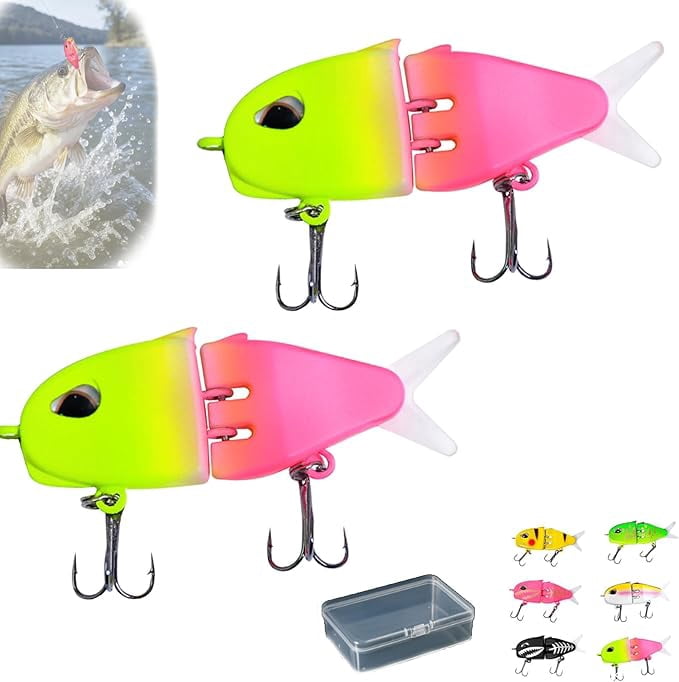
Working the Rex glide bait is rarely an exercise in straight steady retrieves. The magic happens during intentional variations in handle speed. Learning to feather the retrieve allows you to alternate between sweeping broad tracks and erratic, tight darting motions.
| Cadence Style | Target Depth & Structure | Reel Input & Speed | Primary Strike Trigger |
|---|---|---|---|
| Steady S-Sweep | Suspended offshore humps (8, 15 feet) | 1 to 1.5 handle rotations every 2 seconds | Natural hydrodynamic hunting path |
| Chop & Pause | Steep bluff walls and timber edges (4, 10 feet) | Quarter-turn snaps with 1-second pause | Sudden 90-degree lateral snap |
| Burn & Kill | Grass flats and shallow points (2, 6 feet) | 3 rapid reel rotations followed by dead stop | Fleeing flash into suspended stall |
Executing the glide bait twitch technique requires coordinated rod-tip slack. When turning the handle sharply, immediately push the rod tip forward an inch or two toward the bait. This tiny allowance of slack gives the bait the mechanical freedom to slide out to its absolute maximum lateral extension. If you hold the line tight during the handle turn, the nose gets pulled forward rather than sideways, cutting the glide width in half.
Optimizing Swimbait Terminal Tackle and Weight Tuning
Factory hardware on hardbaits does not always survive violent impacts with trophy-class predators. Upgrading your swimbait terminal tackle prevents catastrophic hardware failures on the fish of a lifetime. The stock split rings should be checked or swapped for heavy-gauge #5 or #6 forged stainless steel oval split rings, which distribute load across two planes rather than trapping line or hook eyes in the wire split seam.
Hook choice can modify both hookup percentages and swimming behavior. Premium 1X or 2X strength round bend trebles (size 1/0 or 2/0) provide ample bite without adding excessive mass that deadens the hinge. If local conditions demand a deeper presentation, stick-on lead strips or tungsten adhesive putty placed directly on the belly, just behind the front hook hanger, lowers the center of gravity. This modification increases the sink rate without destabilizing the glide axis.
Triggering Followers on Open Water Structure
Few fishing situations match the adrenaline rush of seeing a giant bass trail inches behind a hardbait. Yet watching endless follows without bites is the ultimate frustration of open water glide baiting. Bass track large single-jointed lures out of raw curiosity; closing the deal requires deploying deliberate glide bait follow to bite triggers before the fish spots your boat hull.
When you see a dark silhouette tracking the bait 15 feet out, resist the urge to slow down. Slowing down reveals the artificial nature of the bait and gives the fish time to inspect hardware details. Instead, execute two rapid quarter-turns on the reel handle followed immediately by a sharp downward flick of the rod tip. This forces the Rex glide bait to snap around 180 degrees to face its pursuer.
This dramatic turn breaks the bass's predatory tracking script. The fish is confronted with a retreating bait that suddenly wheels around to contest the space. In trophy bass fishing, this sudden confrontation prompts a reflex strike where the fish engulfs the bait simply to kill it. Keep your knees bent and prepare to sweep into the fish on an angle rather than snapping straight upward.
Frequently Asked Questions (FAQ)
Q1: What is the primary difference between retrieving a glide bait with the reel versus the rod?
A1: Working the bait with the reel handle keeps the line under controlled tension and maintains your rod tip pointed down the line for immediate hooksets. Twitching with the rod often introduces too much uncontrolled slack, leaving you out of position when a fish hits the bait on the pause.
Q2: Should I use a snap to connect my line to the Rex glide bait?
A2: Yes. Using a heavy-duty, rounded swimbait snap (rated 80 to 100 pounds) gives the nose of the bait maximum pivot freedom. Tying directly to a split ring can wedge your knot into the ring's wire separation, leading to line abrasions and sudden breakoffs under pressure.
Q3: How deep can I effectively fish the Rex glide bait in clear water?
A3: In standard configuration, the bait shines in depths ranging from 3 to 12 feet. In high-clarity reservoirs, its massive visual profile draws bass up from depths as deep as 20 to 25 feet along standing timber or submerged rock piles.
Refining Your Glide Bait Strategy on the Water
Operating single-jointed swimbaits effectively is an exercise in restraint, spatial awareness, and gear synergy. Every variable in the system, from the parabolic rebound of an 8-foot blank to the inches of fluorocarbon picked up per handle crank, shapes how that bait behaves in front of a predator. Dedicating time to study the bait's lateral reach next to the boat yields immediate insights into how line slack dictates turning radius.
Treat every retrieve as an interactive performance. Observe how local fish react to various swimming cadences across changing light conditions and water clarities. Once you master the subtle interplay between steady swimming lines and confrontational direction changes, you will transform passive followers into aggressive, committed bites.
