Micellar Water vs. Cleansing Balms: What Actually Removes Waterproof Eyelash Adhesive?
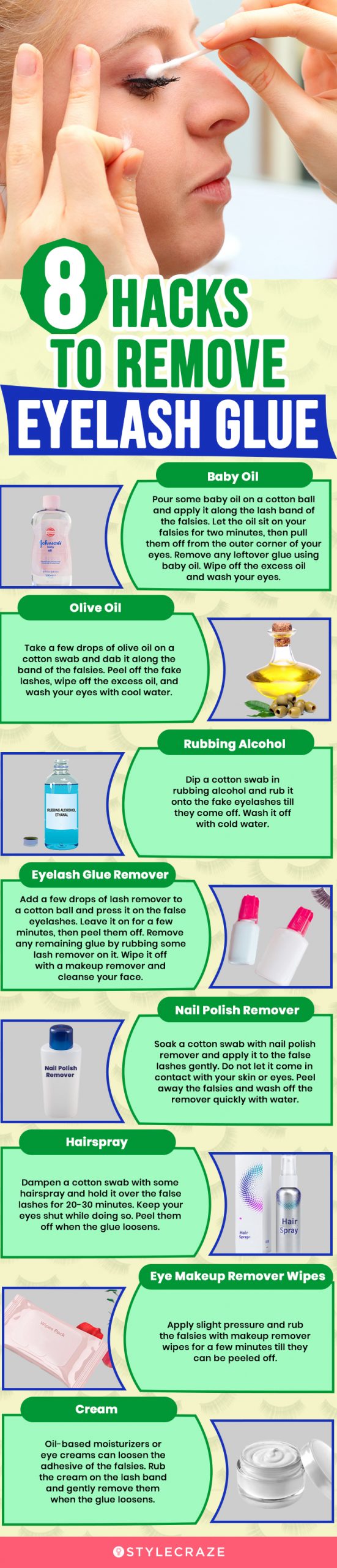
Every night, millions of people stand in front of bathroom mirrors tugging violently at their eyelids. Social video feeds insist that saturating a cotton round with pink-cap micellar water will float away strip lashes instantly. In practice, the cotton catches, the band sticks fast, and three natural eyelashes rip out by their roots. With waterproof polymers dominating modern cosmetics, the friction between consumer habits and industrial adhesives has reached a breaking point. When laboratory testers at an instyle.com Report evaluated top-performing makeup removers against stubborn mascaras and adhesives, one reality surfaced quickly: water-dominant formulas simply cannot break down high-tack elastomer bonds without punishing the skin barrier.
The issue boils down to basic polymer chemistry. Glued-on eyelashes rely on hydrophobic adhesives engineered to withstand sweat, high humidity, sebum, and tears. Defeating those bonds requires precise chemical dissolution rather than sheer physical force. Understanding what breaks down synthetic adhesives protects the delicate lash margin from permanent follicle scarring.
📌 Key Takeaways:
- The Micellar Myth: Standard micellar water lifts light oils and pigments, but lacks the non-polar solvent density needed to dissolve cross-linked waterproof lash adhesive.
- Balm Supremacy: Solid cleansing balm formulations rich in synthetic esters and plant lipids soften acrylic polymers in under 60 seconds without mechanical pulling.
- Follicle Preservation: Mechanical tugging accounts for the vast majority of traction-induced lash thinning, making chemical dissolution mandatory for natural lash protection.
The Polymer Science Behind Modern Lash Adhesives
To safely dissolve an adhesive, you have to understand how it hardens. Modern strip lash glue uses synthetic latex, ammonium acrylates copolymer, or rubber elastomers. These water-resistant compounds dry through evaporation, cross-linking into a resilient, rubbery web along the lash line. High-end waterproof formulas add silicone derivatives and tackifying resins to guarantee a 24-hour hold through rain and eyelid friction.
Water bounces right off this barrier. Standard micellar waters consist of tiny surfactant molecules suspended in purified water. These surfactants trap free surface oils and dirt particles, but they cannot penetrate dense, cured acrylate networks. Squirting micellar water over a glued lash line merely slicks the outer surface. When users pull, they are not peeling softened glue; they are tearing unyielding plastic away from vulnerable skin.
True solvent action requires a non-polar base. Lipophilic compounds dissolve lipophilic bonds. When an oil-rich formula contacts an acrylate matrix, the lipid molecules slide into the polymer structure, swelling the glue, weakening its cohesion, and releasing the grip on the eyelid within seconds.
Micellar Water vs. Oil Formulations: The Breakdown Mechanism
The gap between micellar water and an oil-based makeup remover becomes obvious under close examination. Standard micellar formulas carry roughly 90% to 95% water by volume. Even dual-phase micellar waters, which feature a floating layer of cyclopentasiloxane or mineral oil, deliver only a fraction of the solvent power found in dedicated lipid cleansers. Shaking a bi-phase bottle creates an unstable emulsion that separates quickly, leaving too little active oil behind to penetrate the glue layer.
A cleansing balm works completely differently. Typically formulated with ester bases like ethylhexyl palmitate, caprylic/capric triglyceride, and targeted plant oils, balms stay solid at room temperature and melt on contact with skin heat. This thick, buttery texture keeps the active lipids directly on the adhesive without dripping into the eye. The concentrated fatty esters dismantle the glue's acrylic polymer matrix.
Patience plays a decisive role here. Glues require dwell time. A cotton swab saturated with an oil-rich formula must sit directly over the strip band for at least 30 to 45 seconds. This window allows the lipids to migrate through the glue film. Once softened, the false lash glides away freely, leaving the natural roots intact.
Head-to-Head: Evaluating Common Lash Removal Methods
Beauty enthusiasts use a wide range of techniques to tackle stubborn adhesives, from salon-grade solvents to kitchen pantries. The performance gap between balanced cosmetic formulations and improvised hacks is stark.
| Removal Method | Active Mechanism | Breakdown Speed | Follicle Traction Risk |
|---|---|---|---|
| Standard Micellar Water | Aqueous surfactants (micelles) | Very Slow (>180 seconds) | High (requires heavy rubbing) |
| Cleansing Balm | Lipid esters and emulsifiers | Fast (30, 60 seconds) | Very Low (slides off cleanly) |
| Dual-Phase Eye Remover | Silicone/hydrocarbon + water | Moderate (60, 90 seconds) | Low to Moderate |
| Pure Coconut Oil | Lauric and myristic fatty acids | Moderate (90, 120 seconds) | Low (pore clog risk high) |
| Steam & Olive Oil | Thermal softening + heavy triglycerides | Slow (120, 240 seconds) | Moderate (thermal irritation) |
The Real Hazards of Kitchen-Cupboard Hacks
Social platforms regularly promote raw kitchen oils as zero-cost beauty removers. The coconut oil dissolver trend and the steam and olive oil method draw millions of views each week. While pure culinary oils will eventually soften adhesives, they bring distinct dermatological hazards when applied near the eyes.
Unrefined coconut oil ranks at a 4 out of 5 on the comedogenic scale. Applied along the eyelid margin, it frequently blocks the tiny Meibomian glands lining the inner rim. These glands produce the protective lipid layer of your tear film. Clogging them sparks blepharitis, chalazions, and painful styes that can take weeks to heal.
The steam and olive oil method carries its own risks. Holding your face over boiling water to soften adhesives risks minor facial burns and dilates fragile eyelid capillaries. Olive oil also contains high concentrations of oleic acid, which can disrupt the skin barrier, prompting contact dermatitis. Professionally formulated cleansers include built-in emulsifiers. These allow oils to bind with water and rinse away cleanly, preventing heavy lipid films from lingering on delicate tissues.
The Safe Removal Protocol: Step by Step
Removing glued eyelashes without sacrificing your natural fringe requires deliberate technique, not speed. A targeted cotton swab applicator ensures the solvent lands precisely on the glue rather than running into the eye.
Warm a pea-sized amount of cleansing balm between clean fingertips until it liquefies into an oil. Dip a cotton swab into the melted balm, coating the tip thoroughly. Close one eye and trace the swab along the upper lash band, moving smoothly from outer corner to inner corner. Deposit the balm directly where the false band meets your eyelid, avoiding contact with the eyeball itself.
Wait 45 seconds. This pause is non-negotiable. Give the fatty esters time to penetrate the polymer structure. Next, take the pad of your index finger or a clean swab and nudge the outer corner of the false lash downward. If you applied the balm correctly, the band will lift away from the skin without resistance. If you feel any pinch or tension, pause immediately. Reapply a drop of balm, wait another 30 seconds, and test the release again.
Once the false strip comes off, persistent lash band residue usually remains on the natural lashes. Moisten a lint-free cotton pad with gentle eye makeup remover. Hold it against the closed eyelid for 15 seconds, then sweep downward toward the cheek. This captures leftover adhesive crumbs without ripping delicate hairs from their roots.
Strip Lash Glue vs. Semi-Permanent Lash Extensions
You must know what kind of adhesive is on your eyes before reaching for any oil-based cleanser. The instructions detailed above apply exclusively to temporary strip lash glue and short-wear cluster tabs. These rely on flexible latex or acrylic rubber adhesives designed to break down under cosmetic lipids.
Professional individual lash extensions exist in an entirely different chemical category. Salon technicians attach individual synthetic fibers using medical-grade ethyl cyanoacrylate. Cyanoacrylate does not melt under cosmetic cleansing balms or plant oils. Exposing extensions to oil-based products will not dissolve the glue; it merely weakens the bond unevenly, turning the adhesive gummy, brittle, and messy.
Trying to rub off professional cyanoacrylate extensions at home with balms or oils leads directly to severe traction alopecia. The sticky, half-dissolved glue clumps neighboring natural hairs together, yanking whole clusters out during removal. Semi-permanent extensions require a professional-grade cream remover containing targeted solvents like butyrolactone, applied by a licensed technician. Know the product on your eyes before starting any removal process.
Frequently Asked Questions (FAQ)
Q1: Will micellar water work if I use the waterproof, bi-phase version?
A1: A bi-phase micellar water performs better than regular micellar water because of its silicone and hydrocarbon content, but it still struggles with thick, cured waterproof latex adhesives. You must saturate a pad, press it firmly against the lash line for at least 60 seconds, and let the oils penetrate. If you feel any resistance when sliding the band away, switch to a rich cleansing balm instead of tugging.
Q2: How do I clean leftover glue from false lash bands so I can re-wear them?
A2: Keep oils away from the lash bands if you plan to reuse them, as residual lipids prevent new glue from sticking. Instead, lay the false lashes on a clean paper towel and use a cotton swab soaked in 70% isopropyl alcohol or standard micellar water to gently scrape away softened glue remnants. Allow the bands to dry fully before placing them back in their storage case.
Q3: What should I do if lash glue accidentally gets into my eye?
A3: Never rub your eye, as hardened glue can scratch your cornea. Flush the open eye immediately with sterile saline solution or lukewarm tap water for 10 to 15 minutes. If you feel persistent scratching, pain, redness, or light sensitivity, visit an optometrist or urgent care clinic right away to check for corneal abrasions.
Protecting Your Eyelid Margin and Follicles
Your natural eyelashes do far more than frame your eyes; they act as a biological shield, keeping dust, airborne debris, and sweat away from your corneas. Each eyelid holds only 90 to 150 lashes on the upper lid, and each individual hair takes between 4 to 8 weeks to regenerate after being pulled from an active follicle. Repeated mechanical trauma damages the dermal papilla, causing sparse regrowth or permanent follicle loss.
No cosmetic strip lash is worth permanent lash damage. Giving up fast, friction-heavy wipes in favor of lipid-dense cleansing balms transforms lash removal from a painful chore into a simple, skin-safe routine. Respect the chemistry of your cosmetics, give active solvents the time they need to work, and your natural lashes will stay healthy and full year after year.
