Noah and Allie Reimagined: How the Stage Musical Brings Three Generations to Life
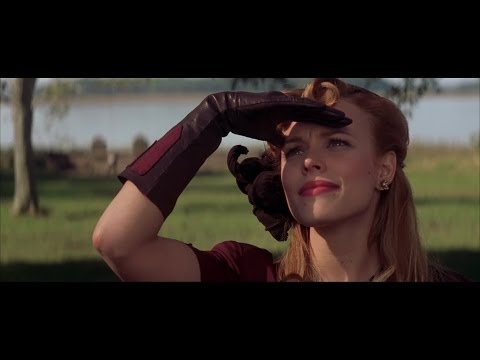
For two decades, the cultural memory of Noah Calhoun and Allie Hamilton remained frozen in a torrential rainstorm. Ryan Gosling and Rachel McAdams sealed the lovers into pop culture history in 2004, cementing Nicholas Sparks's 1996 debut novel as the definitive millennial romance. Yet when theatrical producers announced a stage adaptation, skepticism ran high. Audiences wondered how a Broadway musical could replicate the raw chemistry of cinema without descending into cheap nostalgia. The answer arrived through an ambitious structural overhaul that stripped away Hollywood melodrama to uncover an aching meditation on human memory.
Now reaching audiences across North America, the production has entered a new phase of cultural life. As detailed in the Broad Street Review Report, Ensemble Arts Philly and the Shubert Organization have brought the national tour of The Notebook to historic venues, showing how this story continues to captivate theatergoers. By dismantling the conventional two-hander format and casting three distinct pairs of actors across three phases of life, the creative team has turned a standard summer romance into an expansive stage epic.
📌 Key Takeaways:
- The Tripartite Device: Instead of aging up a single pair with prosthetics, the musical casts Younger, Middle, and Older Noah and Allie simultaneously, allowing past and present to interact live on stage.
- A Modernized Book: Playwright Bekah Brunstetter retooled Allie Hamilton from a passive romantic prize into an autonomous visual artist grappling with societal expectations.
- Folk-Pop Emotional Weight: Singer-songwriter Ingrid Michaelson abandoned traditional showtune structures, building an acoustic, character-driven score focused on interior grief and neurological decline.
From Bestseller to Screen Legend: The Genesis of Noah Calhoun and Allie Hamilton
Nicholas Sparks wrote The Notebook over six months in 1994, drawing inspiration from the grandparents of his wife, Cathy Cote. Married for over 60 years, the couple lived with an unshakeable devotion that outlasted failing memories. Published in October 1996, the novel spent more than a year on bestseller lists. Readers connected instantly with Noah, the introspective North Carolina laborer, and Allie, the spirited heiress navigating family demands.
Nick Cassavetes adapted the material in 2004, directing Gosling and McAdams into iconic status. The film altered Sparks's timeline, pushed the narrative into coastal 1940s Seabrook, and emphasized passionate, combustible conflict. That film grossed $118 million worldwide and dominated cable reruns for a generation. It also established an almost insurmountable visual benchmark: the drenched kiss on the dock, the rowboat surrounded by white geese, and the quiet tragedy of an assisted-living facility. Adapting that imagery for the Broadway stage required looking past cinematic spectacle and returning to the novel's core emotional spine.
The Radical Triple-Casting Device That Shattered Broadway Tradition
When directors Michael Greif (Rent, Dear Evan Hansen) and Schele Williams (The Wiz) mounted the production, they abandoned cosmetic aging tricks. Instead, they hired three different pairs of performers to play Noah and Allie as "Young," "Middle," and "Older."
This design creates an ongoing visual conversation between different eras of identity. On stage, Young Noah and Middle Noah frequently observe Older Noah as he reads from the leather-bound diary to Older Allie, whose memories are stolen by Alzheimer's disease. The staging rejects racial matching between the generations. A Black actress might portray Middle Allie, while a white actress portrays Young Allie, and a mixed-race actor portrays Older Noah. Audiences suspend disbelief within minutes because the thematic focus shifts away from physical appearance toward the internal continuity of the soul.
During the 2024 Broadway run at the Gerald Schoenfeld Theatre, this structural choice earned critical raves. Maryann Plunkett and Dorian Harewood secured Tony Award nominations for their portrayals of Older Allie and Older Noah. Their quiet, understated acting anchored the sprawling choreography, illustrating how an eighty-year-old woman can momentarily reconnect with her seventeen-year-old self through a fleeting melody.
Ingrid Michaelson and Bekah Brunstetter: Re-Scoring Memory and Grief
The score represents singer-songwriter Ingrid Michaelson's theatrical debut. Rather than leaning on brassy Broadway showstoppers, Michaelson developed an intimate palette of finger-picked guitars, sweeping cellos, and delicate piano figures. The original cast recording delivers songs that feel like interior confessions rather than performed numbers.
Songs like "If This Is Love," "My Days," and "I Wanna Go Back" capture the internal turbulence of young adulthood and middle-age regret. In "My Days," Middle Allie confronts the life choices that sidelined her ambition, asking whether she built a life out of love or out of compliance with high-society expectations. Bekah Brunstetter, known for her writing on NBC's hit drama This Is Us, reshaped the book to give Allie Hamilton distinct agency. Allie no longer sits between two men waiting to be claimed; she wrestles with her own art, her autonomy, and the terrifying realization that her memories are actively slipping away.

Across Decades and Media: Comparing the Evolutions of The Notebook
| Core Dimension | Nicholas Sparks Novel (1996) | New Line Cinema Film (2004) | Broadway Stage Musical (2024, 2026) |
|---|---|---|---|
| Casting & Structure | Single narrative split between diary recollection and nursing home. | Dual casting: Gosling/McAdams alongside Garner/Rowlands. | Triple casting: Six principal actors portraying three life eras at once. |
| Allie's Character Arc | Gentle Southern socialite returning to resolve old feelings. | Fiery, torn between social duty and consuming teenage passion. | Independent painter actively choosing self-actualization over family control. |
| Tone & Thematic Core | Sentimental devotion, faith, and lifelong romantic endurance. | Melodramatic passion, class warfare, and iconic romantic cinema tropes. | Existential meditation on memory loss, communal grief, and shared identity. |
| Musical Landscape | Poetic references to Walt Whitman and classical verse. | Orchestral score by Aaron Zigman with 1940s big band jazz standards. | Indie folk-pop score by Ingrid Michaelson featuring acoustic strings and chorales. |
The National Tour and Life Beyond the Silver Screen Shadow
Taking this production on the road presents distinct technical and artistic challenges. The Broadway staging relied on a rain-soaked moat built into the stage floor, designed by scenic designers David Zinn and Brett J. Banakis, where water mirrored the fluidity of memory. As the national tour moves through cities under the stewardship of organizations like Ensemble Arts Philly and the Shubert Organization, local theatergoers can experience this technical staging firsthand.
Ticket demand reflects a changing demographic. The audiences packing these touring venues represent multi-generational groups: mothers who read the novel in 1996, daughters who watched the movie in high school, and younger theater fans who discovered Michaelson's score via streaming platforms. The musical succeeds because it does not attempt to impersonate Ryan Gosling or Rachel McAdams. It treats their characters as archetypes, inviting spectators to see their own families, losses, and aging processes reflected in the Calhoun household.
Frequently Asked Questions (FAQ)
Q1: Why does the musical cast three actors for Noah and Allie instead of two?
A1: The directors chose triple casting to show how memories exist simultaneously. Having Younger, Middle, and Older versions of Noah Calhoun and Allie Hamilton share the stage allows the characters to literally witness, support, and mourn their earlier choices in real time without clumsy prosthetic makeup.
Q2: Does the stage musical include the famous rain kiss scene from the movie?
A2: Yes. The stage production features an elaborate onstage water system where actual rain drenches Middle Noah and Middle Allie during their emotional reunion, paying homage to the film while integrating seamlessly into the score.
Q3: How faithful is the musical to Nicholas Sparks's original novel?
A3: The musical honors the book's central premise, an older man reading a notebook to his wife who lives with dementia, but borrows structural elements from the 2004 film. Playwright Bekah Brunstetter also enriched Allie's personal identity, focusing on her journey as an artist rather than treating her purely as a romantic love interest.
Q4: Where can fans listen to the stage musical soundtrack?
A4: The Broadway cast recording, featuring music and lyrics by Ingrid Michaelson, is available on all major digital music platforms, including Spotify, Apple Music, and Amazon Music, released via Atlantic Records.
The Lasting Resonance of an American Love Story
Stories about passionate young love are common, but stories about the long, exhausting work of loving someone through illness are remarkably rare. Noah and Allie endure because their relationship is tested by time itself. The true climax of the narrative is not the teenage reunion in coastal Carolina, but the quiet patience of an elderly man who sits beside a woman who no longer recognizes his face, opening a notebook to read her the story of who they used to be.
By transforming that daily act of devotion into a communal theatrical event, The Notebook proves that classic love stories can evolve. The stage version strips away modern irony, providing audiences with an honest encounter with love, time, and human mortality.
