NYC Dive Bar Legend Ray's Lands in Detroit: Inside the Buzz Behind Parker's Alley
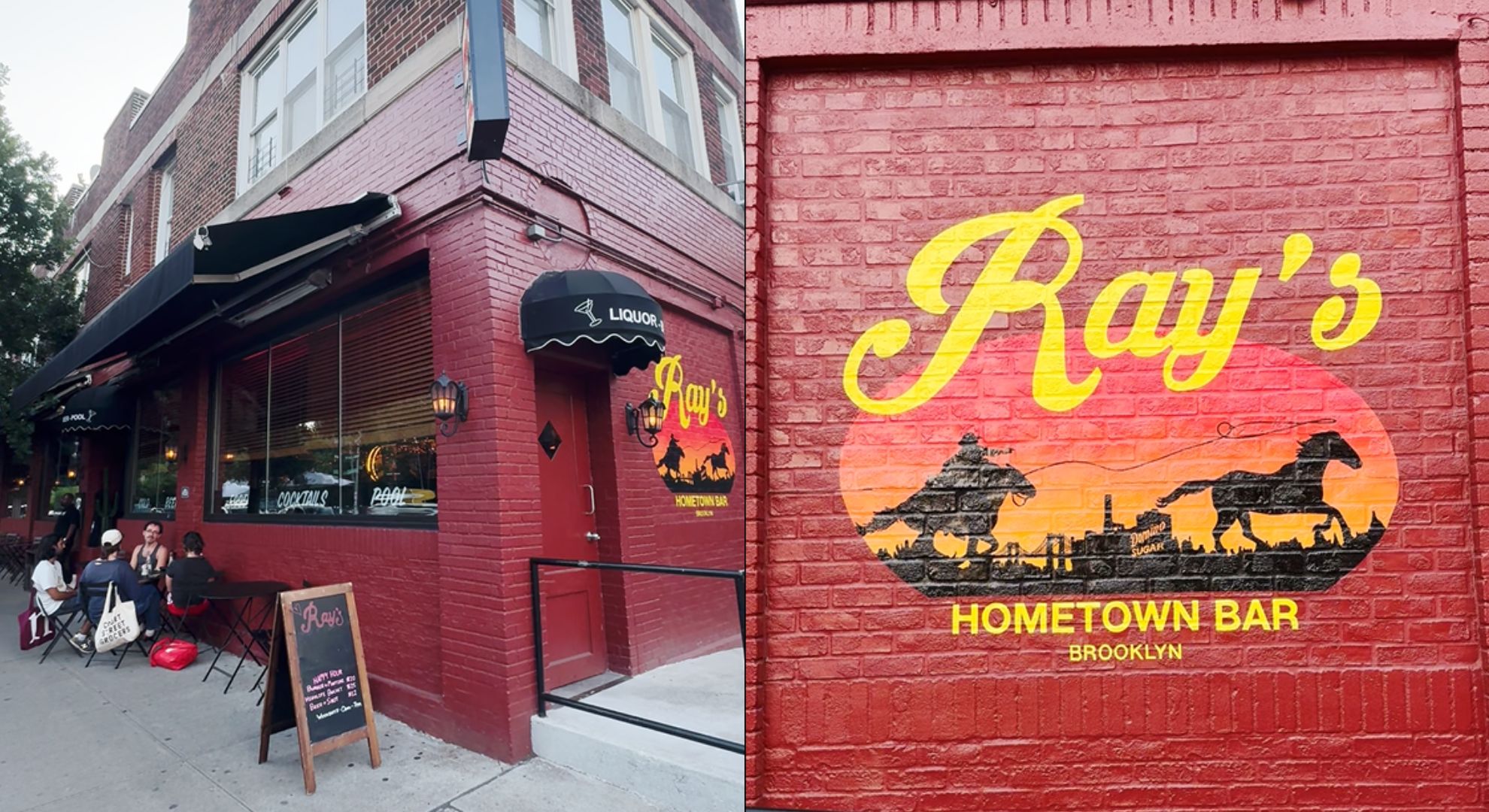
Downtown Detroit's hospitality corridor just imported a heavy dose of Lower East Side grit. Ray’s Hometown Bar, the celebrity-backed Manhattan dive bar celebrated for its dim red lighting, vintage beer memorabilia, and deliberate disregard for cocktail-lounge pretensions, has officially opened its doors in Parker’s Alley behind the Shinola Hotel. As detailed in an nrn.com Report on the brand's national footprint, the arrival represents the concept's first major expansion outside New York, landing smack in the middle of a historic downtown revitalization.
First reported by local broadcast outlets including WXYZ 7 News Detroit during its quiet rollout in early September 2026, Ray's quickly transitioned from a curious construction project into one of the most talked-about evening destinations in the city. The Detroit opening challenges conventional wisdom about what kinds of venues thrive in Parker's Alley. Instead of another polished high-concept bistro, Detroit got an intentional throwback: wood-paneled walls, cheap domestic drafts, and a pool table anchoring the room.
📌 Key Takeaways:
- The Footprint: Ray's Hometown Bar debuted its Detroit outpost in September 2026, occupying prime real estate in Parker's Alley directly behind the Shinola Hotel.
- The Concept: Founded in Manhattan's Lower East Side by actor Justin Theroux, restaurateur Carlos Quirarte, and partners, the bar replicates the look and feel of an unpretentious 1970s corner tavern.
- The Local Dynamic: The bar enters a fiercely proud Detroit drinking culture, blending cold cans of local favorites like Stroh’s with house cocktails, drawing steady crowds from evening till 2 a.m.
From Chrystie Street to Parker's Alley: Exporting the NYC Tavern
When Ray's opened on Chrystie Street in Manhattan in 2019, it arrived with immediate celebrity cachet. Backed by Justin Theroux, Nicholas Shumaker, and hospitality veteran Carlos Quirarte, the bar pitched itself as an antidote to $24 molecular gastronomy lounges and sterile hotel lobby bars. It offered cold domestic beer, checked linoleum, a jukebox, and an atmosphere that felt lived-in from day one.
Taking that formula across state lines carries clear operational risks. Downtown Detroit is not Manhattan's Lower East Side. The local bar ecosystem has deep roots built around storied legacy dives like the Old Miami in Midtown and the Two Way Inn on the city's east side. Dropping an out-of-town hospitality group's interpretation of a dive bar into Detroit required careful calibration.
The team opted for Parker's Alley, a pedestrian walkway developed by Bedrock that runs parallel to Woodward Avenue. The alleyway has spent the last five years cultivating boutique retail and specialty culinary storefronts. Ray's provides an intentional counterweight to the surrounding luxury retailers. The frontage looks understated, almost weathered, standing in direct contrast to the sleek brickwork and manicured glass entries nearby.
Inside the Venue: Taxidermy, Pool, and Cold Cans
Step through the heavy door into Ray's Detroit, and the downtown foot traffic disappears. The interior relies on amber hues, low-wattage fringe lamps, dark wood paneling, and vintage sports ephemera. A regulation pool table commands the floor, surrounded by patrons holding longneck bottles and tallboys.
The beverage program mirrors the New York flagship's balance of unpretentious staples and sharp execution. Draft lines pour cold lagers alongside domestic cans, but the back bar supports serious mixed drinks. You can order an ice-cold beer and a shot of rye for an accessible price, or pivot to an expertly balanced spicy tequila cocktail served without decorative garnishes or velvet-rope fanfare.
Local touches have been worked into the inventory. Stroh’s has a permanent presence in the coolers, acknowledging Michigan brewing heritage. The music skews toward classic rock, Motown soul, 1990s hip-hop, and outlaw country, played at a volume that encourages conversation early in the evening before climbing as the late-night crowd packs the floor.
Comparing Concepts: Ray's vs. The Traditional Detroit Tavern
The arrival of Ray's sparked immediate debate among local service-industry workers and nightlife regulars. To understand where the venue fits into the regional ecosystem, consider how its menu, atmosphere, and pricing align against both its Lower East Side sibling and Detroit's indigenous watering holes.
| Feature | Ray's Hometown Bar (Detroit) | Ray's Flagship (NYC LES) | Traditional Detroit Neighborhood Dive |
|---|---|---|---|
| Core Location | Parker's Alley / Downtown | Chrystie Street / Lower East Side | Midtown, Corktown, Outer Neighborhoods |
| Beer Pricing (Domestic) | $5, $7 | $7, $9 | $3, $5 |
| Cocktail Program | Streamlined classics & highballs ($12, $15) | Highballs, boilermakers, house specialty pours ($15, $18) | Basic well-and-mixer ($6, $9) |
| Design Aesthetic | Curated retro-tavern, wood paneling, pool table | Gritty mid-century Americana, low red lights | Organic patina, decades of accumulated artifacts |
| Primary Audience | Downtown workers, hotel guests, weekend revelers | Creative-industry locals, downtown nightlife crowd | Longtime neighborhood residents, regulars |

The Cultural Friction of Importing Dive Culture to Motown
Whenever an out-of-town group packages a "dive bar" aesthetic, skepticism follows. On local digital forums and social platforms throughout September 2026, Detroiters debated whether an imported New York bar could capture genuine neighborhood warmth or if it was simply selling a stylized costume of working-class drinking culture.
Detroit has never suffered a shortage of authentic dives. Establishments like the Bronx Bar or Nancy Whiskey earned their reputations over decades of continuous operation. Ray's does not pretend to have fifty years of history on Woodward Avenue. Instead, it positions itself as an unpretentious gathering space within a district that has grown increasingly upscale.
For visitors staying at the Shinola Hotel or diners finishing meals at nearby upscale restaurants, Ray's provides an easy, low-friction escape. There is no dress code, no guest list, and no bottle service. That accessibility explains why early customer lines have stretched into the alley on Thursday, Friday, and Saturday nights.
Parker's Alley and the Downtown Foot Traffic Economy
The opening reflects broader economic shifts across Metro Detroit's core. As reported by the Detroit News in their September 2026 restaurant and bar census, downtown hospitality leasing has shifted toward concepts that bridge the gap between high-end tourism and everyday local patronage.
Bedrock, the real estate firm behind much of the district's redevelopment, has deliberately targeted concepts with national social capital to drive evening foot traffic. Parker's Alley, once an underutilized service lane behind the historic J.L. Hudson department store site, has evolved into a functioning entertainment pocket. Ray's acts as an anchor tenant for the alley's nocturnal economy, pulling patrons out of formal dining rooms and keeping them downtown past midnight.
The spillover effect has already impacted surrounding businesses. Neighboring retail storefronts report stronger late-afternoon exposure, while adjacent casual food spots benefit from patrons stepping out of Ray's in search of a late bite. It demonstrates how an intentional nightlife addition can anchor an entire micro-district.
Frequently Asked Questions (FAQ)
Q1: Where is Ray's Hometown Bar located in Detroit?
Ray's is located in Parker's Alley in Downtown Detroit, situated directly behind the Shinola Hotel between Grand River Avenue and State Street, just east of Woodward Avenue.
Q2: Does Ray's Detroit accept reservations or charge a cover?
No. True to its tavern format, Ray's operates on a strict walk-in basis with no table reservations and no general admission cover charge, though lines are common during peak weekend hours.
Q3: What are the hours of operation?
The bar operates seven days a week, opening in the late afternoon and serving through 2:00 a.m., catering to both after-work crowds and late-night downtown revelers.
The Evolution of Downtown Detroit Nightlife
Ray's Hometown Bar opening in Parker's Alley signals an evolving chapter for Detroit's urban center. National operators no longer view the city solely as an experimental outpost for sprawling food halls or luxury steakhouses. Instead, they are testing whether nuanced, street-level tavern concepts can thrive alongside homegrown favorites.
By pairing unvarnished tavern culture with prime downtown real estate, Ray's has carved out an immediate niche. Whether it becomes a permanent institution will depend on how effectively it continues to welcome neighborhood regulars alongside the weekend crowds passing through Parker's Alley.
