Parkway Gardens in 2026: Fact-Checking Crime Trends and Reality Behind Notorious 'O Block'
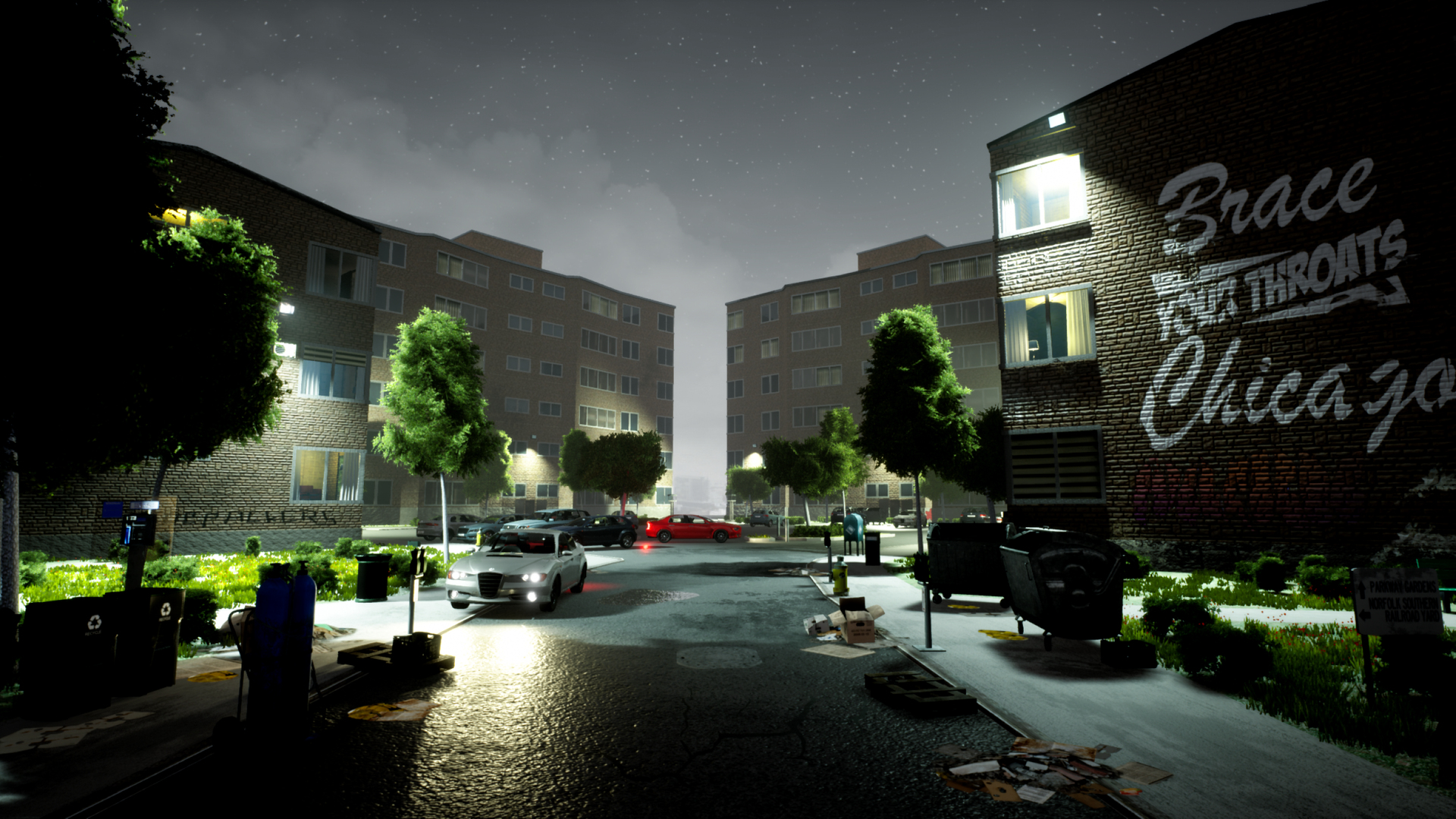
For more than a decade, the three-story brick apartment buildings stretching along the 6400 block of South King Drive have occupied an outsized footprint in global popular culture. Dubbed "O Block" by the late rapper King Von in honor of slain resident Odee Perry, the Parkway Gardens affordable housing complex in Greater Grand Crossing became the epicenter of Chicago drill music culture. YouTube vlogs, social media documentaries, and streaming lyrics transformed a standard subsidized apartment complex on the South Side of Chicago into an exaggerated symbol of urban lawlessness. Yet the lived reality behind the perimeter gates tells a far more grounded and complicated story.
The numbers driving that reality are shifting. According to the latest Chicago Tribune Report, the city recorded 319 homicides through late September 2026. While that benchmark reflects an ongoing, multi-year drop from the severe violence spikes seen between 2020 and 2022, frontline residents and organizers know that broader municipal percentages rarely tell the full story of individual city blocks. Separating internet myth from day-to-day life requires looking directly at official Chicago Police Department crime statistics, local gang intervention programs, and the real community infrastructure working to protect Parkway Gardens.
📌 Key Takeaways:
- The Data Trend: Citywide homicides dropped to 319 by late September 2026, continuing a multi-year decline despite unpredictable spikes during high-temperature holiday weekends.
- The Internet Gap: Drill music platforms built a lucrative digital mythology around O Block, but Parkway Gardens remains a working-class residential development home to more than 600 families.
- Grassroots Reality: Sustained community safety initiatives, tenant associations, and neighborhood violence interrupters are driving local stability more than federal policing surges.
The Drill Music Spotlight on South King Drive
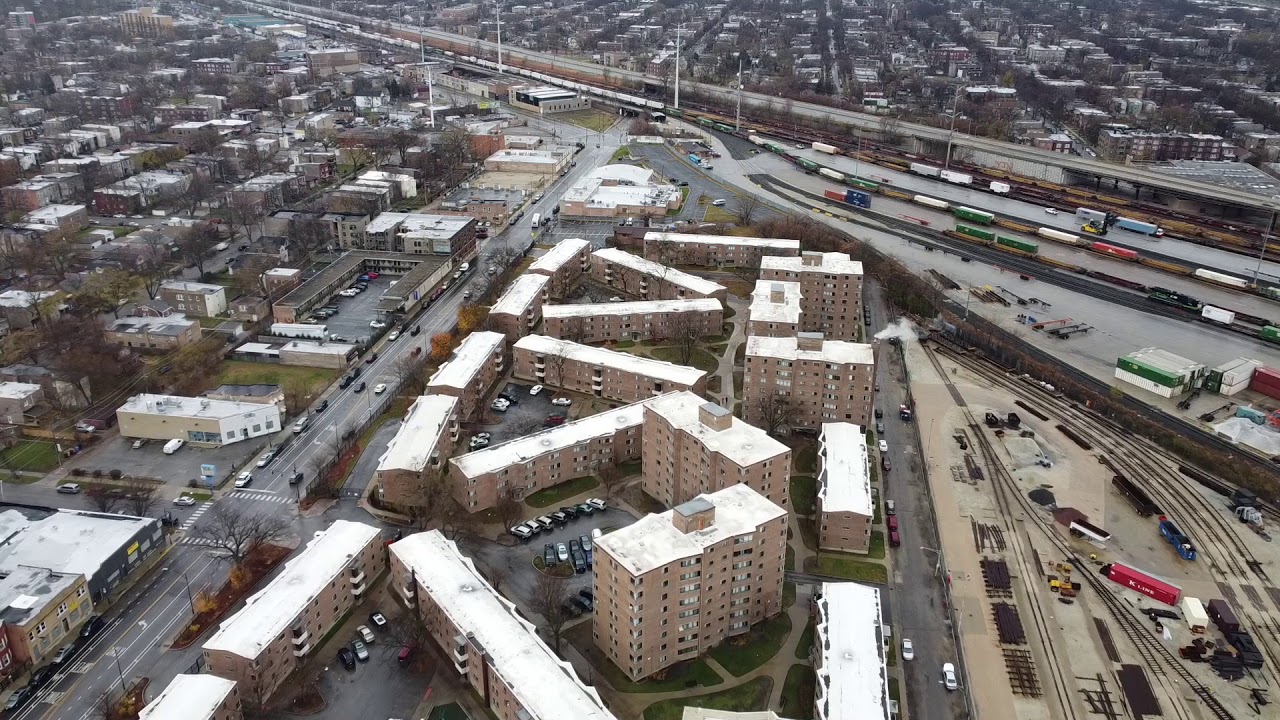
Parkway Gardens was never intended to be an international media hub. Built in the mid-1950s as a cooperative development for middle-class Black Chicagoans, the 35-building, 694-unit complex represented a landmark achievement in community-led housing. Over decades of industrial disinvestment and demographic shifts across Greater Grand Crossing, the property transitioned into a federally subsidized affordable housing complex administered through Section 8 contracts.
The cultural inflection point arrived in 2012 when Chief Keef introduced the neighborhood to global audiences, followed years later by King Von's vivid, narrative-driven lyricism. Online channels began monetizing street disputes, treating internal courtyard conflicts like serialized entertainment. Millions of digital spectators across the globe began treating a private residential complex like a public tourist attraction. Internet vloggers frequently fly into Chicago to film unauthorized tours outside the entry gates, confusing algorithmic rap folklore with the actual lives of working mothers, school children, and senior citizens who call the complex home.
This digital lens erased the real community. Longtime residents often express frustration at being reduced to background extras in an online drama. The complex contains playgrounds, resident gardens, and mutual-aid networks that never appear on hip-hop blogs or sensationalized police scanner channels.
Separating Internet Myth from Housing Realities
Online forums routinely depict Parkway Gardens as an ungoverned war zone devoid of rules or safety measures. In reality, the complex operates with professional property management, active electronic key-card gates, perimeter cameras, and contracted private security teams. Entering the property requires authorization, and unauthorized visitors are routinely turned away or cited for trespassing by local patrols.
The tension lies in the physical design of the property. Spanning nearly 13 acres along South King Drive, the mid-century layout features expansive interior courtyards, narrow pedestrian passages, and open walkways that can be difficult to monitor continuously. When violence does flare, it rarely stems from random acts within the interior hallways. Law enforcement reviews indicate that incidents overwhelmingly trace back to targeted, hyper-localized disputes involving young men whose conflicts often originate or escalate on social media before spilling into the streets.
Equating the entire apartment community with the actions of a small group of gang-affiliated youth misrepresents hundreds of households. Most families living inside Parkway Gardens are focused on navigating inflation, securing childcare, and helping their children graduate from local public schools.
What 2026 Chicago Police Crime Metrics Actually Show
Analyzing safety around Greater Grand Crossing requires looking past sensational headlines and examining verifiable Chicago Police Department crime statistics. The homicide trends in 2026 show meaningful improvement compared to earlier decades, though violence still clusters around specific seasonal windows and weekend shooting rates.
A major milestone occurred when Chicago leaders celebrated a historic breakthrough: the city saw 0 homicides over the entire Memorial Day weekend in May 2026, a four-day stretch that historically brings significant violence across the South and West sides. That quiet start to the summer proved that hyper-local violence interruption and coordinated city planning could break deadly cycles.
Yet seasonal volatility returned as temperatures climbed. During a mid-August weekend, citywide shootings left 25 victims, with six murdered on a single Sunday. By late August, another bloody weekend prompted South Side community members to hold press conferences calling for expanded federal resources as detectives investigated shootings that killed at least four people. The following month, police reported 8 people killed in shootings over Labor Day weekend across the city.
| Timeframe & Event | Citywide Official Crime Metric | Local Context on South King Drive |
|---|---|---|
| Memorial Day Weekend 2026 | 0 homicides recorded citywide | Youth sports programs and peace rallies held without incident |
| Mid-August Weekend 2026 | 25 shooting victims; 6 killed on Sunday alone | Increased 3rd District vehicle patrols around 63rd to 66th Street |
| Labor Day Weekend 2026 | 8 killed in shootings across Chicago | Perimeter security maintained; targeted disputes contained off-site |
| Year-to-Date (Sept 28, 2026) | 319 homicides reported citywide | Violent incident rates continue multi-year decline from 2020 peaks |
The city's year-to-date total of 319 homicides demonstrates that Chicago is recording significantly lower casualty numbers than in 2021, when annual homicides reached near-record levels above 800. For Parkway Gardens, this citywide cooldown translates to fewer retaliatory shootouts along the perimeter, though property managers still maintain strict access controls to prevent outside conflicts from breaching the gates.
Community Safety Initiatives and Structural Interventions
The downward pressure on violent crime figures has not happened by accident. City officials and community leaders have shifted resources away from blunt mass-policing strategies toward neighborhood-based intervention networks. In Greater Grand Crossing, street outreach workers, many of whom grew up in the surrounding blocks, spend their afternoons mediating interpersonal disputes before they turn fatal.
Organizations like Chicago CRED, Communities Stop the Tears, and local faith-based coalitions maintain an active presence along South King Drive. These groups use direct street mediation, cognitive behavioral therapy, and guaranteed job placements to reach young people most at risk of participating in gun violence. When summer violence flared in August and community members demanded intervention, grassroots leaders emphasized that long-term social services, rather than short-term policing surges, produce durable neighborhood safety.
Inside the complex, resident-led initiatives provide daily stability. Youth mentorship programs, back-to-school backpack distributions, and after-school academic tutoring run directly out of the on-site community center. These programs provide practical alternatives for adolescents who might otherwise get pulled into local street disputes.
Property Management, Redevelopment, and Resident Autonomy
Beyond street dynamics, Parkway Gardens faces ongoing discussions about housing stability and urban development. A few years ago, when the real estate investment firm that owned the complex put it up for sale, speculation ran rampant about private redevelopment, potential tenant displacement, or luxury conversion. However, because Parkway Gardens is bound by federal Project-Based Section 8 housing contracts overseen by the U.S. Department of Housing and Urban Development (HUD), the complex remains legally dedicated to providing affordable housing to low-income families.
Maintaining a massive, aging housing development built in the 1950s presents operational challenges. Capital investments have focused on structural repairs, upgraded security doors, energy-efficient interior lighting, and centralized camera monitoring tied directly to local safety teams. Tenant organizers continually advocate for better property maintenance, timely appliance repairs, and clean common areas, proving that their primary concerns center on standard quality-of-life needs rather than the violent lore celebrated online.
The long-term health of Parkway Gardens depends on preserving high-quality affordable housing on the South Side. As private developments expand closer to the incoming Obama Presidential Center in nearby Jackson Park, protecting deeply subsidized housing prevents longtime residents from being priced out of their historic neighborhoods.
Frequently Asked Questions (FAQ)
Q1: Why is Parkway Gardens called "O Block"?
A1: The nickname was popularized by Chicago drill rapper King Von to honor Odee Perry, a 20-year-old resident killed nearby in 2011. While widely recognized in music and online culture, the complex's legal and historical name is Parkway Gardens.
Q2: Is Parkway Gardens public housing owned by the Chicago Housing Authority?
A2: No. Parkway Gardens is a privately owned affordable housing complex supported by federal Project-Based Section 8 contracts from HUD. It is not owned or operated by the Chicago Housing Authority (CHA).
Q3: How dangerous is O Block compared to what is shown on YouTube and TikTok?
A3: Social media content routinely dramatizes the area for views and ad revenue. While Greater Grand Crossing faces real economic and street-level challenges, Parkway Gardens is a gated, monitored residential community where hundreds of working families live normal, routine lives.
Q4: How do 2026 Chicago crime statistics compare to previous years?
A4: Chicago's crime metrics have dropped substantially from the elevated levels seen between 2020 and 2022. With 319 homicides recorded through late September 2026, overall violent crime continues a steady downward trend, highlighted by milestones like a homicide-free Memorial Day weekend.
The Road Ahead for Parkway Gardens in 2026
Parkway Gardens stands at a crossroads between its digital reputation and its actual neighborhood role. As 2026 crime data confirms an ongoing cooling trend across Chicago, the sensationalized myths that once dominated online discussions about South King Drive are losing their grip on reality. The area is neither an untouchable playground of internet folklore nor an abandoned urban desert.
The true story of Parkway Gardens is written by the people who live there: tenant leaders organizing food drives, street outreach teams resolving conflicts on street corners, and young people pursuing careers outside the limits of internet rap culture. Strengthening this community requires sustained funding for local schools, reliable affordable housing protections, and direct investment in community safety initiatives that respect the residents behind the gates.
