Perlas de Éter Uncovered: Archival Evidence and Medical Realities Behind the Trend
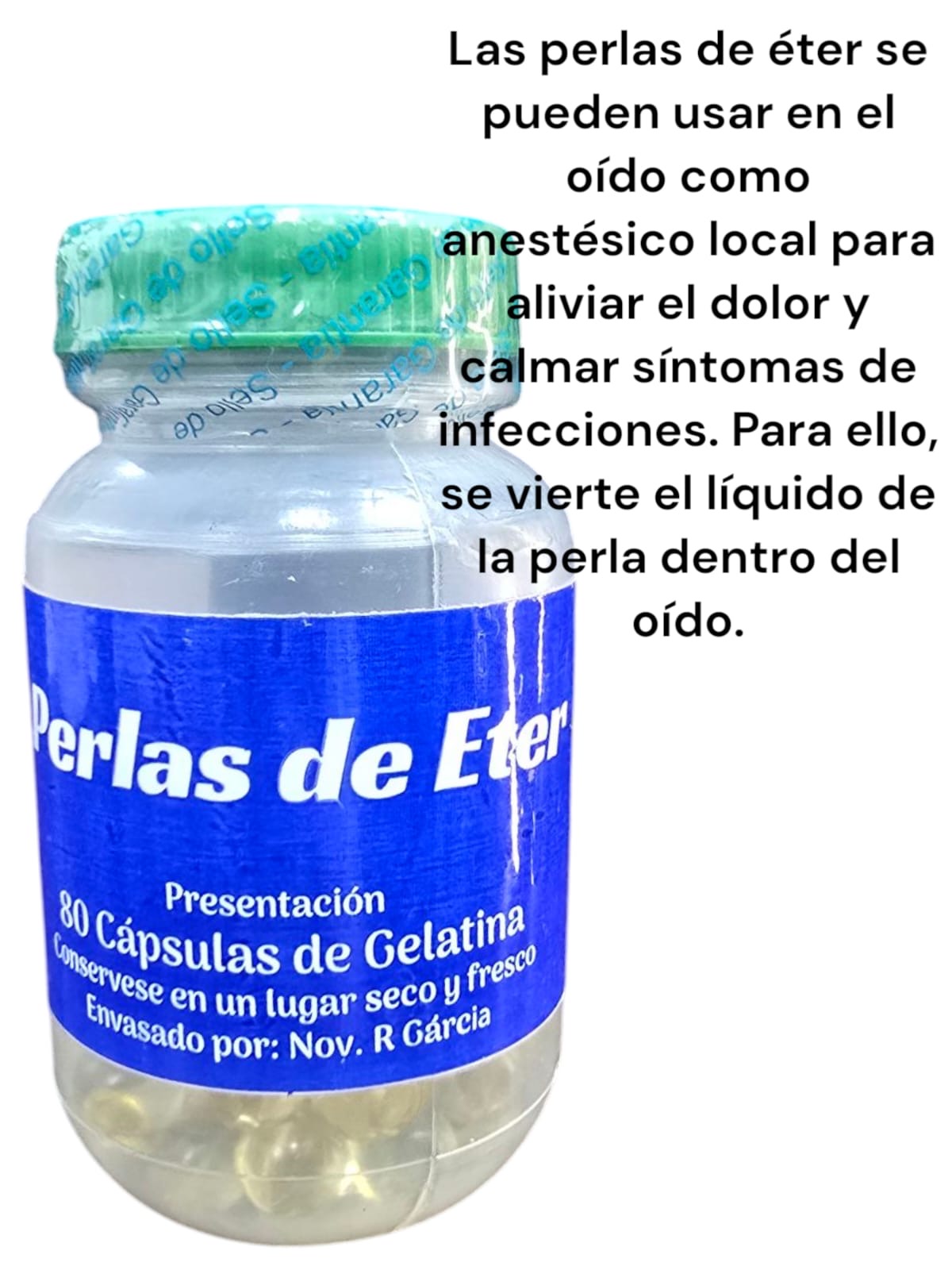
Inside dust-dusted medicine cabinets across Mexico and southwestern diaspora enclaves sit small, amber vials holding amber-tinted gelatin spheres. Older generations call them perlas de éter. These soft capsules, encasing pure diethyl ether, represent one of the most persistent intersections between nineteenth-century industrial chemistry and domestic folk tradition. While modern archival projects document regional artifacts, much like media preservation surveys tracked in historical archives such as the Wikipedia (en) Report, pharmacy registries show that these volatile solvent pearls slipped through the cracks of commercial medicine for decades, transitioning from hospital-grade surgical agents into casual household cures for fright, shock, and grief.
Swallowing or puncturing an ether capsule produces an unmistakable, chilling vapor that instantly stuns the senses. For over a century, families treated them as an infallible reset button for acute emotional trauma. Beneath the nostalgic enamel labels lies an acute medical hazard: a volatile solvent with an ultra-low boiling point that converts into expanding gas inside the human digestive tract, carrying severe risks of chemical burns, respiratory depression, and gastric rupture.
📌 Key Takeaways:
- The Chemical Reality: Diethyl ether capsules deliver an industrial, highly flammable central nervous system depressant directly into mucous membranes without clinical dosing controls.
- The Cultural Mechanism: Widely preserved as home remedies for susto (fright) and nervous hysteria, the capsules relied on rapid neurological sedation to mimic psychological recovery.
- The Gastric Danger: Because diethyl ether boils at 34.6°C (94.3°F), below average internal body temperature, ingesting the liquid causes rapid phase expansion into volatile gas, risking severe stomach distension and mucosal necrosis.
How Industrial Solvents Became Domestic Medicine in Mexican Boticas
The path from general anesthesia to household medicine began during the late nineteenth century. European pharmacopeias had already popularized Liquor Hoffmanni, a mixture of alcohol and diethyl ether devised by German physician Friedrich Hoffmann in the early 1700s, to treat colic, fainting spells, and spasms. By the 1880s, Mexican pharmacists operating community boticas adopted and refined these formulations. They recognized that stabilizing volatile liquid ether inside small, chewable gelatin globules made transportation and sale remarkably simple.
These capsules entered the market during a transitional era of pharmaceutical history. Regulatory bodies had not yet standardized modern clinical trials, and community apothecaries compounded products based on empirical observation. Diethyl ether was cheap, synthesized effortlessly through the acid-catalyzed dehydration of ethanol with sulfuric acid. When sealed inside gelatin, the solvent remained stable on dry dispensary shelves, evading the rapid evaporation that plagued standard glass medicine bottles.
Over the twentieth century, industrial pharmaceutical manufacturers phased out ether in favor of safer, non-flammable volatile anesthetics like halothane and isoflurane. Yet in Latin American domestic spaces, commercial drug brands continued pressing perlas de éter into consumer blisters and bottles. The capsules retained a stubborn foothold in corner pharmacies, sold over the counter as an unprescribed cure-all alongside aspirin and tincture of arnica.
Treating Susto: The Cultural Psychology of Shock and Inhaled Solvents
In traditional Mexican folk healing, illnesses extend beyond physical pathology to encompass psycho-spiritual imbalances. Central to this belief system is susto, an acute condition triggered by profound fright, sudden trauma, or shocking news. Folk tradition dictates that severe emotional distress dislodges the vital spirit from the physical frame, manifesting in insomnia, chronic fatigue, anxiety, anorexia, and emotional apathy.
To counter this sudden rupture, domestic healers and grandmothers turned to perlas de éter. When a family member witnessed an accident, suffered a panic attack, or received tragic news, an elder broke open a pearl beneath the patient's nostrils or placed it directly on the tongue.
The immediate pharmacological shock of diethyl ether creates an aggressive somatic diversion. The solvent induces an intense, icy-hot sensory jolt on mucous membranes, followed by rapid systemic absorption into the bloodstream. As a potent central nervous system depressant, the vapor suppresses the cerebral cortex and depresses synaptic transmission, replacing acute panic with disorienting sedation. Families interpreted this sudden cessation of hysterical crying or trembling as evidence of spiritual realignment. In reality, the patient had simply inhaled a surgical sedative capable of shutting down higher cortical processing within seconds.
Inhalation Versus Ingestion: The Physics of Internal Boiling
The physiological outcome of using an ether pearl depends entirely on the method of consumption, and each route carries its own brand of bodily trauma. When individuals bite the capsule to inhale its fumes, the concentrated vapor hits the upper respiratory tract. It numbs olfactory receptors, irritates delicate bronchial tissues, and triggers intense salivation alongside an immediate risk of chemical pneumonitis if micro-droplets reach the lungs.
Swallowing the capsule intact introduces a physics problem directly into the digestive tract. Diethyl ether possesses a normal boiling point of 34.6°C (94.3°F). The human stomach operates at an internal temperature of roughly 37°C (98.6°F). Once stomach acids break down the protective gelatin exterior, the liquid inside reaches its boiling point almost instantly.
| Therapeutic Property | Perlas de Éter (Folk Remedy) | Modern Clinical Anesthetics |
|---|---|---|
| Active Formulation | Pure liquid diethyl ether (0.2, 0.5 mL) | Halogenated ethers (Sevoflurane, Desflurane) |
| Delivery Method | Oral ingestion or crude olfactory crushing | Calibrated vaporizer with oxygen support |
| Phase Change Point | Boils at 34.6°C (undergoes violent gas expansion in gut) | Vaporized externally under controlled pressure |
| Primary Danger | Gastric distension, mucosal necrosis, asphyxiation | Controlled hemodynamic depression |
| Regulatory Status | Banned or unapproved in standard retail registries | Strict hospital-only prescription control |
When liquid ether boils inside the stomach, it expands hundreds of times in volume into dense vapor. This sudden release of pressurized gas causes severe gastric bloating, acute abdominal pain, and violent, uncontrollable eructation (burping). If the gas cannot escape rapidly through the esophagus, it places immense tensile pressure on the gastric lining, risking tears or perforation. Furthermore, the expelled burps carry flammable solvent gas, presenting a bizarre but real fire risk if the user sits near an open flame or stove.

Toxicology Risks and the Neurological Toll of Repeated Exposure
The hazards of vintage apothecary medicine often hide behind survival bias. While many elderly patients recall taking ether pearls without lasting harm, toxicological analyses paint a hazardous picture. Diethyl ether crosses the blood-brain barrier with remarkable speed, binding to gamma-aminobutyric acid (GABA) receptors while inhibiting NMDA glutamate receptors.
Casual exposure triggers standard ether pearls side effects, including sudden dizziness, ataxia, slurred speech, profuse cold sweating, and profound drowsiness. In higher or repeated doses, the solvent induces profound respiratory depression. It reduces the body's natural sensitivity to carbon dioxide buildup, slowing breathing until hypoxemia sets in.
Chronic misuse carries even darker complications:
- Central Nervous System Habituation: Ether produces intense psychological dependence and rapid tolerance, historically termed "etheromania."
- Cardiovascular Instability: Diethyl ether sensitizes the myocardium to circulating catecholamines, increasing the risk of fatal cardiac arrhythmias during moments of acute fear.
- Chronic breakdown of the solvent strains both the liver and kidneys, where metabolites and industrial impurities trigger tissue inflammation.
- If a sedated individual vomits while under the influence of the pearl's vapor, suppressed laryngeal reflexes often lead to catastrophic airway obstruction.
Regulatory Bans and the Black Market of Modern Botanicas
The commercial life of perlas de éter finally ran out as health agencies modernized safety statutes. Mexico's Federal Commission for the Protection against Sanitary Risks (COFEPRIS) systematically tightened controls over volatile solvents, stripping over-the-counter authorization from consumer ether formulations. In the United States, the Food and Drug Administration (FDA) classifies unauthorized imports of diethyl ether capsules as unapproved, misbranded drugs, seizing illicit shipments crossing commercial borders.
Despite regulatory actions, the market did not vanish overnight. Demand simply moved into the shadows. Unlicensed yerberías, border botanicas, and unregulated internet storefronts still traffic in gray-market bottles sourced from underground compounding outfits. On digital platforms like TikTok and Instagram, nostalgic videos showing users exploring vintage Mexican apothecary kits frequently spark revived curiosity among younger consumers, misrepresenting a volatile hospital solvent as a quaint, retro anxiety hack.
Law enforcement agencies and chemical diversion boards monitor diethyl ether tightly because it serves as an essential precursor chemical in the illicit synthesis of cocaine hydrochloride. A product once sold for pennies in neighborhood drugstores now faces dual scrutiny as both an obsolete medical hazard and a restricted chemical precursor.
Frequently Asked Questions (FAQ)
Q1: Are perlas de éter legal to buy and use today?
A1: In most countries, including the United States, selling diethyl ether as an over-the-counter internal medication is illegal. Health regulatory bodies like the FDA and COFEPRIS do not approve these capsules for human consumption. While possession of vintage bottles is not typically treated as a criminal offense, commercial production and retail distribution for medicinal use violate federal drug safety laws.
Q2: What happens if someone swallows a diethyl ether capsule?
A2: Swallowing an ether pearl forces a chemical that boils at 34.6°C into an environment that sits at 37°C. As the capsule dissolves, the liquid boils inside the stomach, rapidly creating large volumes of volatile gas. This results in severe abdominal cramps, violent belching of solvent-scented gas, nausea, mucosal inflammation, and a dangerous risk of gastric rupture or chemical aspiration.
Q3: Why did older generations believe ether pearls cured sudden fright?
A3: The capsules act as a crude, fast-acting sedative. The potent central nervous system depression caused by inhaling or absorbing diethyl ether suppresses panic responses, inducing immediate numbness and mental confusion. Observers mistook this pharmacological stupor for an emotional reset, giving rise to the folk belief that the remedy healed the spiritual trauma of susto.
The Modern Reckoning with Ethylic Nostalgia
The enduring legend of perlas de éter illustrates how deeply cultural ritual can mask chemical risk. For generations of families dealing with panic, heartbreak, and emotional shock, these translucent amber spheres offered tangible comfort when professional psychiatric and emergency care was economically out of reach. The sensory ritual, the sting of the vapor, the cold shock on the palate, the quick descent into quiet sedation, felt like clinical magic.
Examined through modern pharmacology and toxicology, that magic fades into reckless chemistry. Diethyl ether earned its historical place as a pioneering surgical anesthetic on nineteenth-century operating tables, but it has no business circulating as an unmeasured home remedy. As public health initiatives dismantle lingering romanticism around vintage apothecary nostrums, the ether pearl stands not as a lost ancestral treasure, but as a cautionary relic of an era when hazardous industrial solvents masqueraded as family medicine.
