Popeyes Side Menu Overhaul: Did the Chain Change Its Red Beans and Rice Recipe?
Red beans and rice sits at the center of the Popeyes culinary identity. Even as parent company Restaurant Brands International adjusts operations and pushes legacy menu staples into nationwide supermarket aisles, an initiative detailed in a recent parade.com Report charting the brand's grocery expansion, the chain's signature side dish continues to generate confusion for diners navigating strict dietary boundaries.
Online forums and social platforms regularly see diners questioning whether modern supply chain tweaks stripped the dish of its traditional animal fats. The reality on the ground tells a much simpler, uncompromising culinary story.
📌 Key Takeaways:
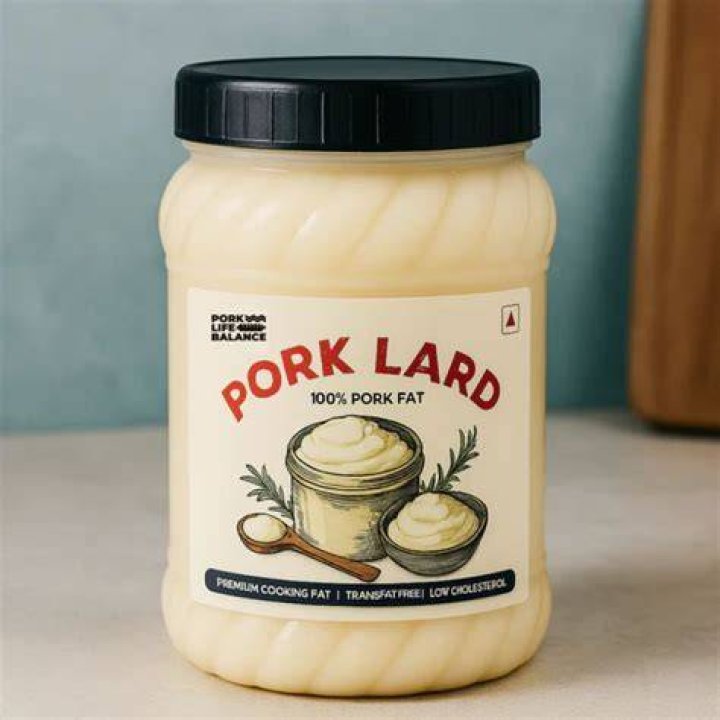
- The Meat Ingredient: Official ingredient listings and operational manuals confirm that Popeyes red beans and rice contains rendered pork fat and pork-derived flavor bases.
- Dietary Incompatibilities: The presence of porcine ingredients excludes the side dish from vegetarian, halal, and kosher diets across US locations.
- Recipe Preservation: While other legacy sides like Cajun rice experienced menu cuts and localized revivals, the core recipe for red beans has maintained its original 1972 seasoning blueprint.
The New Orleans Origins of Al Copeland’s Signature Recipe
Al Copeland launched Popeyes in Arabi, Louisiana, in 1972. He set out to counter blander commercial fried chicken chains with aggressive New Orleans seasoning. Copeland ran his operations with high sensory intensity. He famously preferred his dining rooms cold, dark, and loud, pairing that environment with food driven by heavy fats and fiery cayenne punches.
Authentic Louisiana style red beans are not a vegetarian dish. Across South Louisiana, cooks traditionally prepared red beans on Mondays using leftover Sunday ham bones, pickled pork, or sliced andouille. The marrow and melted fat broke down over hours of simmering, giving the cooking liquid its velvety, gravy-like body. Copeland refused to rely on plain water and canned legumes. He built Popeyes red beans on a commercial translation of that domestic ritual, steeping small red kidney beans in liquid smoke, garlic, onion, and rendered pork fat.
What the Official Ingredients List and Allergen Guides Reveal
Popeyes maintains a transparent public allergen guide and ingredient roster for domestic stores. Looking closely at the side menu ingredients, the bean preparation relies directly on meat flavoring and pork lard elements within its seasoned slurry.
The beans arrive at individual restaurant kitchens par-cooked and frozen in concentrated batches. Crew members reconstitute the seasoned beans in steam wells, holding them at hot serving temperatures before ladling them over parboiled white rice. The rich, savory sheen visible on the surface of the beans comes directly from porcine lipids rather than vegetable-based thickening agents. Substituting plant oils would alter the mouthfeel that regional customers expect, which has kept the corporate kitchen from modifying the base formulation.
Dietary Boundaries: Halal Compliance, Kosher Standards, and Vegetarian Restrictions
The inclusion of rendered pork fat instantly disqualifies Popeyes red beans and rice for multiple demographic groups. Diners following kosher dietary laws or seeking halal compliance cannot consume the dish under standard religious guidelines. Porcine products are strictly forbidden under both dietary frameworks, regardless of how thoroughly the meat dissolves into the sauce.
Vegetarians and vegans frequently order the side under the mistaken belief that beans and rice constitute a safe plant-based fallback. Because Popeyes does not place explicit "contains pork" badges directly on overhead menu boards, casual consumers miss the animal component. While the chain’s plain white rice contains no animal products, cross-contact during kitchen assembly remains high. Scoops move rapidly between steam tables, and beans frequently drip into adjoining warm holding pans during peak lunch rushes.
Fast-Food Side Dish Formulations Compared
Different regional quick-service chicken brands take distinct approaches to their traditional Southern sides, as outlined below:
| Chain & Menu Item | Primary Fat / Protein Base | Dietary Classification |
|---|---|---|
| Popeyes: Red Beans & Rice | Rendered pork fat and cured pork flavorings | Contains pork; non-vegetarian |
| Popeyes: Mashed Potatoes | Beef and pork neck/giblet meat base (in Cajun gravy) | Contains pork and beef; non-vegetarian |
| Popeyes: Cole Slaw | Soybean oil and egg yolk dressing | Vegetarian friendly; pork-free |
| Bojangles: Dirty Rice | Minced pork sausage and chicken broths | Contains pork; non-vegetarian |
| Church's Texas Chicken: French Fries | Vegetable frying oil blend | Pork-free; vegetarian friendly |
Retail Grocery Expansion and Consistency Across Channels
Commercial consumer packaged goods (CPG) versions of fast-food menu items often introduce formula modifications to extend shelf life or cut ingredient costs. When consumer brands enter the frozen or canned retail space, food scientists sometimes replace animal fats with palm oil, hydrolyzed yeast extract, and artificial flavor compounds.
Popeyes maintains rigid control over its licensed profile. When licensing deals bring items like seasoned beans and signature spices to retail grocery channels, the trademark agreements enforce adherence to the foundational flavor signature. The company guards the exact balance of Copeland's original spice-and-pork profile because that specific taste drives customer retention across both retail and restaurant sectors.
The Commercial Stakes of Altering Legacy Flavor Profiles
Fast-food executives evaluate menu modifications through the lens of brand equity. While stripping pork out of red beans and rice would immediately open the menu to millions of vegetarian, halal, and kosher consumers, it introduces a severe operational hazard: alienating the brand's core Southern consumer base.
Animal fat carries volatile aroma compounds that synthetic flavorings struggle to replicate. Plant-based oils produce a thinner body and coat the palate differently than rendered pork lard. In taste tests conducted across commercial fast-food supply chains over the past decade, alterations to legacy seasonings consistently produce customer backlash. Popeyes already faced intense consumer resistance when it retired Cajun rice from national menu boards in 2021. Knowing that legacy sides anchor consumer loyalty, corporate management has opted to leave the red beans formula untouched.
Frequently Asked Questions (FAQ)
Q1: Does Popeyes offer a vegetarian version of its red beans and rice?
A1: No. All US locations serve a uniform recipe formulated with pork fat and animal-derived seasonings. Popeyes does not offer custom, meatless batches in its restaurants.
Q2: Can diners request Popeyes red beans without the pork seasoning?
A2: No. The beans arrive pre-seasoned at restaurant locations in frozen batch packages. Crew members cannot separate the pork fat from the legumes or sauce during preparation.
Q3: Are there any vegetarian-friendly side dishes available at Popeyes?
A3: Options are extremely limited. The cole slaw and cinnamon apple pie are pork-free and meatless. The signature fries, biscuits, and hash browns avoid pork lard but may encounter shared-fryer cross-contact with fried chicken and seafood.
Navigating Popeyes Side Menu in 2026
For diners managing specific dietary codes, transparency matters far more than corporate marketing slogans. Popeyes red beans and rice remains an authentic artifact of 1970s Louisiana commercial cooking: deeply seasoned, unapologetically rich, and rooted in rendered pork fat. Those avoiding pork for ethical, health, or religious reasons must steer clear of the steam tables and look elsewhere on the fast-food map.
