Shameless UK vs US Complete Guide: Which Version Should You Watch First?

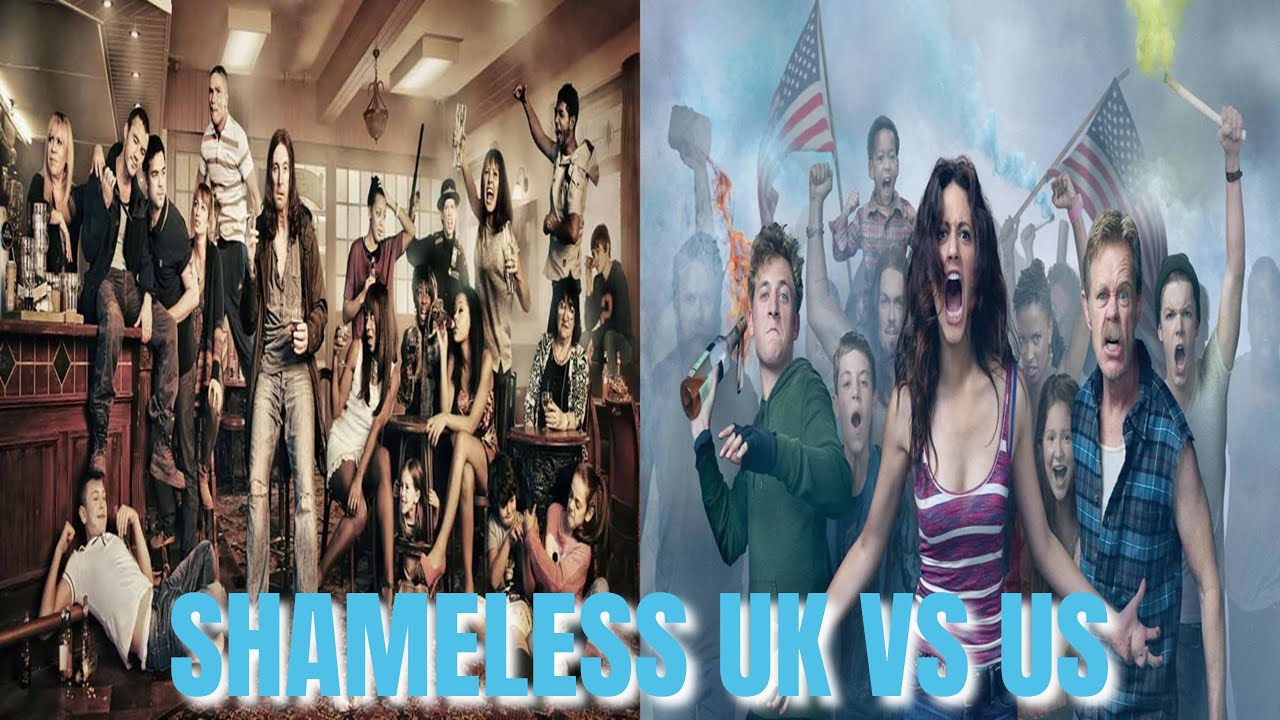
More than two decades after Frank Gallagher first staggered onto British television screens, the cross-Atlantic battle between Channel 4’s scrappy council-estate original and Showtime’s glossy prestige powerhouse continues to divide audiences worldwide. As detailed in a retrospective by the looper.com Report, both series took identical pilot scripts and gradually steered them down drastically divergent storytelling paths. Deciding which incarnation to watch first is not merely a question of British versus American humor; it comes down to whether you prefer biting, community-driven social realism or character-centric serialized drama with cinematic scope.
📌 Quick Summary:
- The Essential Split: Channel 4’s UK run relies on rotating community ensembles and unvarnished social commentary, while Showtime’s US remake anchors itself to long-form serialized drama focusing relentlessly on the central nuclear family.
- The Creative Pivot: After a near-carbon-copy Season 1 episode-by-episode remake, showrunner John Wells diverted Showtime’s trajectory away from creator Paul Abbott’s original narrative blueprint.
- The Best Starting Point: Viewers who want tight, auteur British gritty realism should tackle the UK series (Seasons 1, 4), whereas fans of sprawling, multi-season character arcs and high-production prestige television should start with the US edition.
From Manchester’s Chatsworth Estate to Chicago’s South Side
When series creator Paul Abbott brought the Gallagher clan to Channel 4 in January 2004, he drew directly from his working-class upbringing on a council estate in Burnley. The fictional Chatsworth Estate in Manchester was grimy, raw, and unmistakably authentic. The set captured a specific brand of British working-class survivalism where benefit fraud, police avoidance, and community solidarity coexisted beneath gray skies.
When television producer John Wells developed the Showtime adaptation in 2011, he recognized that transferring Abbott’s vision to American soil required a radical change in geographical context. He chose Chicago's South Side, planting the American Gallaghers in a neighborhood contending with gentrification, harsh midwestern winters, and predatory urban development.
While the British run drew laughs from absurd local antics, the US series leaned directly into the harsh economic realities of contemporary urban America. Chatsworth functioned as an insulated fishbowl where eccentric neighbors dominated entire episodes. Chicago’s South Side served instead as an unforgiving economic gauntlet, forcing the Gallagher children into relentless struggles against eviction notices, predatory loan schemes, and systemic poverty.
Two Patriarchs: William H. Macy vs David Threlfall
The central dynamic of any Shameless viewing experience rests entirely on the patriarch. In the Frank Gallagher character comparison, audiences meet two vastly different monsters.
David Threlfall played the UK’s Frank as a shambolic, quasi-philosophical vagrant. Clad in an iconic stained green parka, Threlfall's Frank felt like a local pub fixture who somehow survived every calamity by blending into the neighborhood background. Abbott wrote him not as a malicious villain, but as an articulate, drug-addled poet laureate of the dole queue. He was neglectful, yes, but he felt woven into Chatsworth's communal fabric.
William H. Macy, by contrast, leaned into calculating American narcissism. Macy’s Frank is visibly more destructive, leveraging sharp legal knowledge and desperate schemes to exploit his children at every turn. While Threlfall’s Frank can evoke genuine melancholy when slumped on a Manchester curb, Macy plays the character with ferocious manic energy. He will steal a child’s prosthetic leg or fake his own liver failure for an insurance settlement without blinking.
Macy earned five consecutive Primetime Emmy nominations between 2014 and 2018 for his depiction. He made Frank undeniably watchable while keeping him completely irredeemable, cementing the Showtime adaptation as one of the network's crowning achievements.
| Structural Metric | Channel 4 Original (UK) | Showtime Adaptation (US) |
|---|---|---|
| Original Broadcast Run | 2004, 2013 (11 Seasons) | 2011, 2021 (11 Seasons) |
| Total Episode Count | 139 Episodes (plus 9 specials) | 134 Episodes |
| Episode Runtime | 45, 50 minutes | 55, 60 minutes |
| Narrative Focus | Broad neighborhood ensemble; rotating cast | Gallagher family core; serialized drama |
| Tonal Identity | Satirical kitchen-sink realism; farce | Gritty dramedy; prestige melodrama |
| Primary Streaming (2026) | Channel 4 Streaming, BritBox, Tubi | Paramount+ with Showtime, Netflix |
The Season 1 Blueprint and the Fiona Gallagher Divergence
Viewers jumping between both pilots will experience intense déjà vu. The Season 1 episode-by-episode remake on Showtime lifted scene beats, jokes, and camera angles straight from Paul Abbott’s original scripts. Fiona tracks down Steve after her purse is snatched; Ian hides his sexuality while working at the local corner store; Lip uncovers his brother's secret and offers unconditional support.
After that first run, the storylines broke apart completely.
The biggest split lies in the Fiona Gallagher storyline divergence. In the Channel 4 original, Anne-Marie Duff left the role of Fiona after just two seasons. The UK writing team chose to write Fiona off by having her escape with Steve (James McAvoy), leaving the family under the chaotic management of Lip, Debbie, and the Maguire clan.
Showtime chose an entirely different creative path. John Wells signed Emmy Rossum to a long-term contract, positioning Fiona as the show's moral core for nine full seasons and 110 episodes. Viewers watched Rossum portray Fiona’s exhausting, tragic descent: clawing out of poverty, securing a steady job, falling into self-sabotage, battling legal probation, and fighting the same generational cycles that broke her parents. Fiona's protracted presence turned the American series into a deeper, far more emotionally devastating character study.
The "Gallavich" Transformation: How Mickey Milkovich Reshaped the US Series
No character arc highlights the difference between British gritty realism and American melodrama better than the Ian Gallagher and Mickey Milkovich dynamic.
In the UK series, Mickey Maguire (played by Ciaran Griffiths) began as a thuggish neighborhood bully and drifted out of Ian’s central orbit after brief encounters. The British show handled Ian’s queer identity with straightforward, matter-of-fact working-class naturalism: he was gay, his family accepted it, and life moved on across the estate without grand romantic crescendos.
The Showtime writers took an entirely different route with Mickey Milkovich, played by Noel Fisher. Originally booked for only a brief three-episode guest arc, Fisher brought unexpected vulnerability to the South Side delinquent.
The US creative team paired him permanently with Cameron Monaghan’s Ian, developing an explosive, decade-long romance that tackled internalized homophobia, institutional incarceration, and Ian's bipolar disorder. The relationship, affectionately nicknamed "Gallavich" by fans, generated a global social media following and became the emotional engine of the show's later seasons. The UK series favored social authenticity; the US series leaned into sweeping operatic romance, and audience engagement soared because of it.
Where the Original UK Cast Landed and the US Legacy
For audiences curious about UK original cast whereabouts, revisiting Channel 4's early seasons feels like browsing a registry of Hollywood and prestige British drama talent.
The British production served as an extraordinary launchpad for major cinematic careers:
- James McAvoy (Steve McBride) vaulted from Chatsworth straight into Hollywood blockbusters, securing roles in The Chronicles of Narnia, Atonement, and playing Professor Charles Xavier across the X-Men franchise.
- Anne-Marie Duff (Fiona Gallagher) established herself as an elite force on the British stage and television screen, collecting Olivier Award nominations and winning a BAFTA TV Award for Bad Sisters. McAvoy and Duff also married in real life after meeting on the Shameless set, remaining together for a decade.
- Jody Latham (Lip Gallagher) took leading roles in The Fixer and EastEnders before stepping back from screen work to launch successful commercial ventures in cosmetics and manufacturing.
- Maxine Peake (Veronica Fisher) became one of the most respected dramatic actors in modern British television, headlining acclaimed BBC productions including Silk, Three Girls, and Rules of the Game.
Meanwhile, the US counterpart carved out its own major milestone in television history. By the time it wrapped its 134-episode run in April 2021, the American show had officially become the longest-running Showtime drama of all time, outlasting heavyweights like Dexter and Homeland.
Frequently Asked Questions (FAQ)
Q1: Do I need to watch the UK version before the US version?
No. The two shows operate as separate narrative universes after Season 1. You can jump directly into either production without losing any context.
Q2: Is the American Shameless just an exact copy of the British one?
Only Season 1 copies the British plots closely. From Season 2 onward, the US show wrote entirely original storylines, keeping the central Gallagher family together while the British original shifted focus to other neighborhood families.
Q3: Which version has more episodes to watch?
The UK series features 139 episodes across 11 seasons (averaging 45 to 50 minutes each). The US adaptation features 134 episodes across 11 seasons, but with longer premium cable runtimes (55 to 60 minutes each), making the total watch time of the US series slightly longer.
Q4: Where can I stream both shows in 2026?
In the United States, the US series streams on Paramount+ with Showtime and Netflix, while the UK series is available on BritBox, Tubi, and Pluto TV. In the UK, the original series is available on Channel 4 Streaming, and the US version streams on Netflix.
Choosing the Right Gallagher Family for Your Watchlist
Choosing between Shameless UK and Shameless US comes down to your personal storytelling preferences.
Pick Shameless UK if you appreciate authentic, dry British humor, social satire, and unvarnished working-class life. The first four seasons represent modern British television at its absolute best. The dialogue crackles with regional slang, and the lower production values give the Chatsworth Estate an uncompromising, grounded documentary feel. Be prepared, however, for major cast turnover; nearly the entire starting cast exits by the halfway mark.
Opt for Shameless US if you want deep, serialized character development, high-end production, and powerful dramatic acting. The American version keeps its primary cast together across a decade, providing emotionally resonant payoffs for Lip, Ian, Debbie, Carl, and Fiona. It is rowdier, far more tragic, and built specifically for dedicated binge-watching.
