Small White Dog Care Guide: How to Prevent Crust, Stains, and Odor
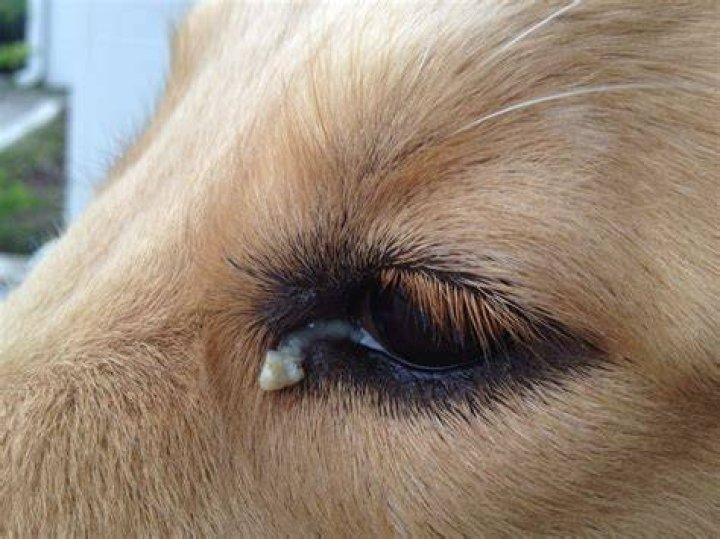
Across social platforms and dog parks, the term "crusty white dog" has evolved from an affectionate internet meme into a genuine clinical headache for millions of pet parents. Maltese, Bichon Frises, Poodles, and Shih Tzus frequently develop stubborn, rust-colored streaks and hardened mucus cement around their eyes, muzzle, and paws. While casual observers dismiss the discoloration as cosmetic negligence, veterinary ophthalmologists warn that facial buildup often signals chronic low-grade inflammation, anatomical drainage faults, or secondary microbial blooms. According to a recent veterinary review featured in the PetMD Report on tear stain treatments, eliminating persistent facial debris requires addressing the underlying biological chemistry rather than simply scrubbing the surface coat.
Pet owners spend hundreds of dollars annually on brightening shampoos, commercial treats, and specialty chews, yet facial crust frequently returns within forty-eight hours. The issue is rarely poor hygiene alone. Genetics, skull structure, environmental allergens, and dietary minerals interact directly with canine physiology, turning clear tear film into an oxidized, rusty mess. Halting this cycle requires parsing the chemistry of iron compounds in bodily fluids, understanding tear drainage mechanics, and deploying a measured, non-abrasive daily grooming protocol.
📌 Key Takeaways:
- The Root Chemical Culprit: Porphyrins, iron-containing metabolic breakdown products excreted in tears and saliva, oxidize upon contact with air and light, creating signature copper-red staining on pale fur.
- Cosmetic vs. Clinical Distinction: Brittle, rust-colored fur indicates localized oxidation, whereas yellow-green discharge, persistent squinting, and foul odor point to active bacterial conjunctivitis or corneal ulceration.
- Daily Intervention Protocol: A two-minute routine combining sterile saline flushing, gentle combed extraction, and thorough drying outperforms aggressive chemical bleaches without risking chemical corneal burns.
The Biochemistry Behind Porphyrin Staining and Facial Crust
The rusty red pigmentation clinging to your dog's inner eye corners is not dirt. It is the visible result of red blood cell degradation. When a dog's body breaks down hemoglobin, it produces compounds known as porphyrins. In humans, porphyrins clear primarily through bile and the digestive tract. In domestic canines, excess porphyrins exit through urine, saliva, and tears. When clear lacrimal fluid spills onto white hair shafts, the iron within those molecules oxidizes in ambient air, tinting the fur copper-brown.
Moisture traps warmth against the skin, creating an ideal breeding habitat for Malassezia pachydermatis, a commensal yeast, alongside opportunistic bacteria like Pseudomonas. These microorganisms feed on organic salts and proteins inside canine eye discharge. As yeast colonies expand, they generate a distinct, stale corn-chip odor and produce darker, blackish-brown sludge that dries into tough, cement-like scabs. If you scrape at this crust while dry, hair follicles tear and delicate periorbital tissue bleeds, exposing your dog to secondary bacterial infections.
Anatomical Triggers: Why Small White Breeds Overflow with Tears
Excessive tear overflow, clinically termed epiphora in dogs, is rarely a random event. Toy breeds have been bred over centuries for compact, infant-like facial features. These exact proportions compromise the nasolacrimal drainage system. A normal canine eye produces tears to lubricate the cornea, then funnels the liquid through microscopic holes inside the eyelid margins, emptying cleanly into the nasal passages. In brachycephalic and toy skulls, several mechanical bottlenecks ruin this balance:
- Shallow Eye Sockets: Breeds with prominent, round globes leave little room for tears to pool naturally in the lacrimal lake. Fluid spills immediately over the lower eyelid onto the face.
- Blocked Tear Ducts: Punctal stenosis, imperforate lacrimal puncta, or structural kinks along the tear duct route prevent fluid drainage into the nose.
- Trichiasis and Distichiasis: Stray hairs growing along the facial fold or rogue eyelashes sprouting along the inner lid sweep directly against the wet cornea, sparking continuous reflex tearing.
- Medial Caruncular Hairs: Hairs sitting on the tiny fleshy nodule in the inside corner of the eye act as natural wicks, pulling moisture straight from the eyeball onto the facial hair.
Maltese grooming care and Bichon Frise facial hygiene must account for these mechanical realities. If a dog's drainage tube is physically pinched or occluded, no surface wipe will stop tear production. The focus shifts toward continuous moisture management and keeping facial skin entirely dry.
Diagnostic Contrast: Normal Secretions vs. Active Eye Infections
Before buying grooming supplies, owners must distinguish between harmless biological staining and active pathology. Overlooking acute conjunctivitis symptoms while treating an eye problem as a grooming inconvenience risks permanent corneal damage.
| Symptom Profile | Benign Porphyrin Staining | Clinical Canine Eye Infection |
|---|---|---|
| Discharge Consistency | Watery, clear moisture drying into red-brown, brittle crumbs. | Thick, viscous yellow, green, or cloudy mucus (mucopurulent). |
| Sclera & Lid Condition | Clear white sclera, normal pale pink conjunctiva, relaxed eyelids. | Injected blood vessels, swollen inner lids, prominent third eyelid. |
| Pain & Behavioral Cues | None. The dog does not paw at eyes or rub against carpets. | Frequent blinking, blepharospasm (squinting), facial pawing, sensitivity to light. |
| Odor Profile | Slight earthy smell, or faint sour yeast aroma in damp folds. | Strong, rancid, foul biological odor indicating active microbial necrosis. |
| Veterinary Cost Range | $0, $45 (Over-the-counter hygienic maintenance and wipes). | $120, $450+ (Fluorescein stain, tear test, prescription antibiotics). |
When discharge shifts from thin rust to thick green, grooming stops and medical evaluation begins. Veterinary testing typically involves a Fluorescein stain test (averaging $35, $65) to verify the absence of corneal ulcers, alongside a Schirmer tear test ($40, $75) to screen for Keratoconjunctivitis Sicca, commonly known as dry eye. Using a topical steroid wipe on an undiagnosed eye ulcer can cause ocular perforation within forty-eight hours.
The Safe Daily Protocol for Removing Eye Debris
Tearing hardened crust from delicate eye corners causes intense pain. It also triggers a defensive stress reaction, making future grooming sessions miserable for both dog and owner. A measured, gentle physical approach works far better than raw force.
Start by softening the debris. Soak a sterile lint-free gauze pad in buffered, preservative-free veterinary eye wash or plain isotonic saline. Hold the soaked compress against the dried facial crust for sixty seconds. Saline dissolves dried proteins without stinging bare mucosal tissues. Avoid cotton balls, which unravel and leave microscopic fibers stranded across the dog's cornea.
Next, use a stainless steel, sixty-five-teeth-per-inch flea comb or dedicated eye comb. Angle the teeth parallel to the dog's skin, starting at the root of the hair, and comb outward away from the eyeball. Softened crust slides off cleanly. Finish by blotting the skin dry using a dry microfiber cloth. Moisture remaining at the skin fold restarts yeast replication within three hours.
Pre-moistened dog eye wipes offer a quick alternative between deep cleans. Choose formulas made with plant-derived surfactants, chamomile, or hypochlorous acid. Avoid formulations containing synthetic fragrances, alcohol, or harsh sulfates. Never clean your dog's face with human baby wipes or household sanitizing towels. Their neutral-to-acidic pH damages the canine epidermal barrier, which sits at a distinct 6.8, 7.4 pH level.
Environmental Upgrades and Diet Adjustments That Reduce Tearing
Local tap water often exacerbates severe facial staining. Municipal supplies rich in calcium, magnesium, and dissolved iron deliver a steady stream of minerals that end up in saliva and ocular discharge. Transitioning small white dogs to reverse-osmosis filtered water or bottled spring water cuts mineral intake, often reducing stain intensity within four to six weeks.
Food bowls play a surprisingly large role as well. Porous plastic bowls harbor microscopic surface scratches that collect bacteria and oils over time. When a dog eats, its muzzle rubs against these contaminated surfaces, fueling contact dermatitis and bacterial loads around the mouth and lower cheeks. Replace plastic dishes with non-porous stainless steel or high-grade glazed ceramic bowls, and wash them daily in hot water.
Dietary sensitivities also manifest around the eyes. Food allergies in dogs typically present as cutaneous inflammation, itching, and increased mucous production. Diets relying on cheap grain fillers or specific high-histamine proteins can provoke continuous tear leakage. Many pet parents see improvements after switching to novel protein diets under veterinary supervision. However, steer clear of unregulated commercial supplements promising instant stain elimination; several products tested by regulatory authorities previously contained trace levels of tylosin tartrate, an antibiotic that creates dangerous drug resistance when fed casually over long periods.
Frequently Asked Questions (FAQ)
Q1: Can I use human hydrogen peroxide or gentle dish soap to bleach away dark tear stains?
A1: Absolutely not. Applying hydrogen peroxide or household detergents near an animal's eyes is extremely dangerous. Even faint fumes cause severe corneal ulceration, chemical conjunctivitis, and permanent blindness. Stick strictly to certified canine tear stain remover solutions formulated specifically for ophthalmic safety.
Q2: Why does my dog's facial crust smell strongly like sour cheese or stale corn chips?
A2: That distinct smell indicates an overgrowth of Malassezia yeast. Constant tear moisture turns warm skin folds into an ideal microbial incubator. You must eliminate excess moisture, soften the crust with an isotonic rinse, comb the debris out gently, and keep the skin thoroughly dry.
Q3: Does trimming the hair around my Maltese or Shih Tzu's eyes reduce tear staining?
A3: Trimming can help, but blunt cuts can backfire. Freshly cut, stiff hair ends easily poke inward toward the cornea, causing mechanical abrasion and triggering heavier reflex tearing. Let an experienced professional groomer bevel the inner corners using rounded-tip safety shears, or grow the bridge hair out and clip it back cleanly with small bands.
Q4: How long does it take for oxidized red tear stains to completely disappear?
A4: Stained hair shafts are permanently dyed and will not turn white overnight. Once you fix the underlying cause with proper hydration, gentle hygiene, and diet adjustments, new fur emerges pure white at the base. You can expect visible improvement within four to eight weeks as stained ends grow out and get trimmed away.
Sustaining a Clean, Pain-Free Coat Through 2026
Managing a bright, clean white coat is ultimately an ongoing exercise in balance rather than an aggressive chemical battle. White-coated companion breeds do not develop facial crust out of stubbornness; their anatomy leaves them vulnerable to drainage overflows and localized oxidation. Pushing back against this tendency requires patience, steady habits, and gentle, non-irritating care.
Trade harsh whitening bleaches for warm saline compresses, sterile eye washes, and clean stainless steel grooming tools. By keeping the facial folds dry, providing mineral-filtered drinking water, and consulting your veterinarian at the first hint of green discharge or squinting, you break the cycle of discoloration at its root. Consistent, gentle care keeps your dog comfortable, odor-free, and healthy year-round.
