Smart Campus in Action: How NEST Integrates AI and Analytics at Saint Joseph's

When Saint Joseph's University teamed up with national facilities management provider NEST, the goal was not simply to upgrade maintenance software or replace aging HVAC sensors. Instead, the Philadelphia university set out to turn its physical infrastructure into a living laboratory for business analytics. As detailed in an initial PR Newswire Report, the partnership integrates commercial operational software directly into the curriculum, giving students access to live commercial work orders, supply chain records, and algorithmic building diagnostics.
The collaboration represents an unusual convergence of higher education and enterprise services. Commercial facilities management has historically operated in the background, governed by manual repair logs and reactive dispatchers. Now, through a multimillion-dollar stream of enterprise data and targeted corporate backing, Saint Joseph's students are analyzing predictive maintenance schedules and field contractor performance before they even graduate.
📌 Key Takeaways:
- The Initiative: Saint Joseph's University and national firm NEST partnered to embed real-time facility data and machine learning tools across undergraduate and graduate business curricula.
- The Capital Investment: A $200,000 commitment launched The Hawk's NEST, a specialized learning center dedicated to integrated facilities management (IFM) and skilled trades intelligence.
- The Strategic Objective: The project trains business students to resolve national trade labor shortages and operational inefficiencies using predictive analytics and automated workflows.
Rob Almond and the Haub School of Business: Roots of the Alliance
The institutional ties behind this initiative run deep. NEST Chief Executive Officer Rob Almond is an alumnus of Saint Joseph's University, having maintained close ties with faculty and administrators for years. In March 2024, the university formally recognized Almond's industry leadership by inducting him into the Haub School of Business Hall of Fame.
That induction set the stage for an operational shift. Rather than limiting corporate involvement to standard guest lectures or modest scholarship checks, Almond pushed for deeper integration between NEST's corporate platform and Haub’s analytics labs. NEST oversees thousands of retail, restaurant, and institutional sites across North America, including high-growth national footprints like restaurant chain honeygrow. That scale generates massive amounts of telemetry and contractor data.
Academic leaders recognized an untapped resource. Traditional business analytics tracks often rely on synthetic datasets or stale retail records. By linking Haub coursework directly to NEST's operational stream, professors give students exposure to unresolved, messy supply chain logistics. Students parse contractor availability, material costs, and seasonal demand swings, testing analytical models against live physical environments.
Inside The Hawk's NEST: Funding Skilled Trades Intelligence
Corporate investment in the initiative accelerated when NEST committed $200,000 to fund a dedicated academic hub: The Hawk's NEST. The center targets a distinct intersection of operations management, titled "Building the Future of IFM and Skilled Trades Intelligence."
The facilities management industry faces an acute demographic crisis. Experienced electricians, plumbers, and HVAC specialists are retiring faster than trade schools can replace them. The solution is rarely as simple as hiring more dispatchers. It requires optimized routing, precise parts delivery, and diagnostic triage performed by software before an engineer arrives at a job site.
The Hawk's NEST uses this exact problem set as its baseline. Students analyze real-world repair logs, technician travel routes, and regional invoice pricing. They run predictive analyses on work tickets to discover which types of mechanical breakdowns lead to the highest downtime. This is not purely theoretical work. Student teams present analytical findings to corporate leaders, proposing specific workflow adjustments that reduce administrative costs across enterprise real estate portfolios.
Bridging Field Work and Algorithmic Operations
For decades, higher education treated skilled trades and executive business programs as separate worlds. Saint Joseph's is actively erasing that division. Modern integrated facilities management depends heavily on artificial intelligence, algorithmic dispatching, and Internet of Things (IoT) sensors installed throughout commercial facilities.
At Saint Joseph's Philadelphia campus, students examine data points streaming directly from heating and cooling systems, security monitors, and power grids. If a chiller unit experiences power surges or temperature fluctuations outside normal ranges, machine learning models flag the deviation hours before the hardware breaks.
Students learn how software automates work order dispatching. Algorithms assess contractor skill rankings, localized traffic, part availability, and agreed hourly caps to deploy trade specialists automatically. By dissecting this process, undergraduates learn to supervise enterprise automated systems rather than handling basic clerical tracking.
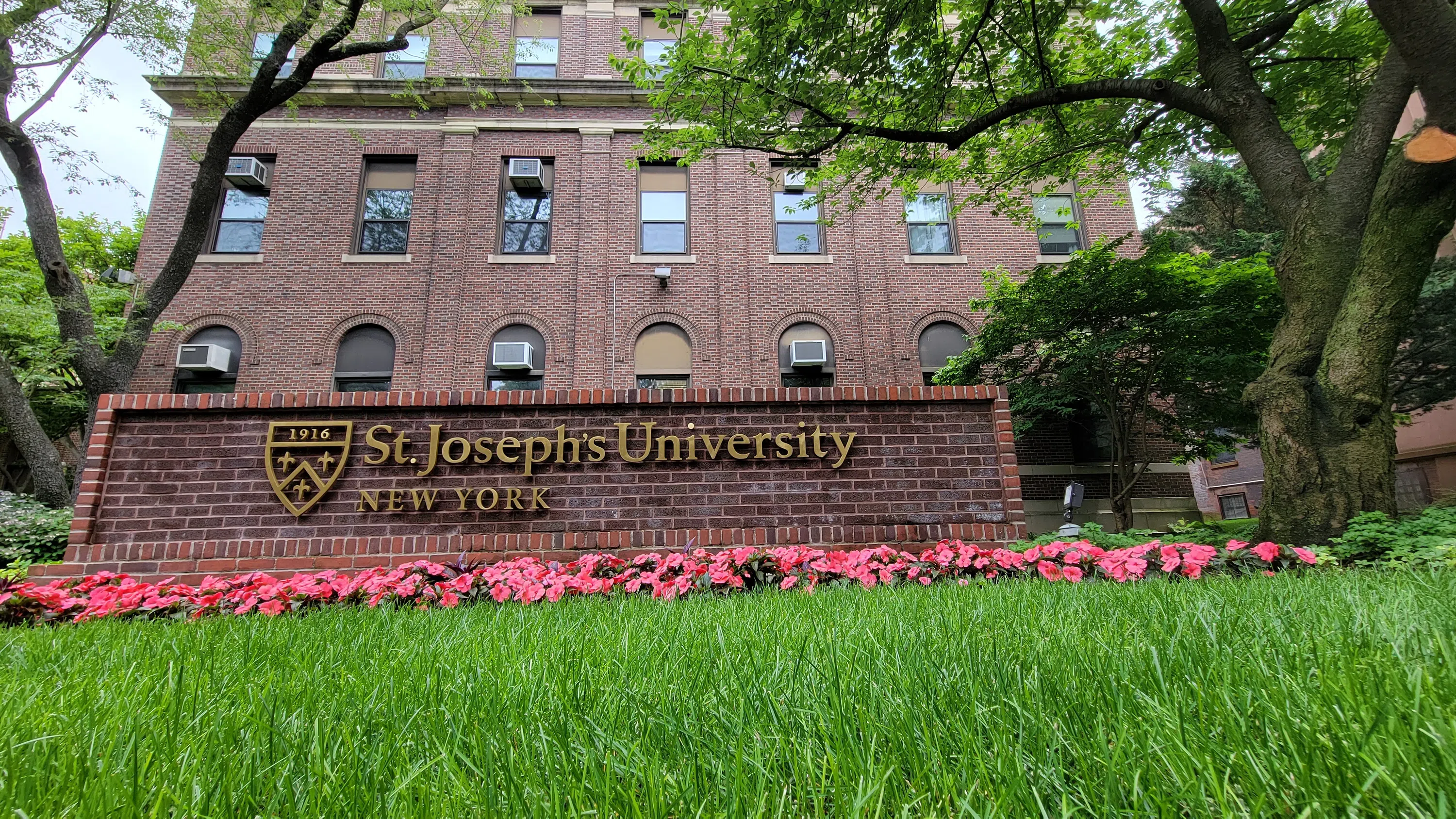
Milestones in the Saint Joseph's and NEST Collaboration
The relationship between the university and the enterprise management company evolved from typical alumni networking into a structured academic pipeline.
| Timeframe | Milestone Event | Strategic Focus |
|---|---|---|
| March 2024 | Rob Almond inducted into Haub Hall of Fame | Formalizes leadership dialogue between NEST and business faculty |
| February 2026 | Academic Partnership Launched | Integrates live commercial operations data and AI curriculum |
| July 2026 | $200,000 Funding for The Hawk's NEST | Establishes skilled trades intelligence center and student lab |
Addressing the Labor Deficit with Predictive Maintenance
The broader economic backdrop explains why corporations are investing capital into undergraduate classrooms. Commercial real estate operates under severe financial strain. Elevated borrowing costs and inflation demand disciplined cost controls across physical properties. At the same time, regional trade contractors are harder to find and command higher rates.
Facilities managers cannot afford to send an electrician to diagnose an issue that could have been resolved remotely. Nor can they afford to wait three weeks for a boiler part that an algorithm should have ordered two months earlier.
NEST solves this by using operational intelligence to direct trade workers where they are needed most. By training undergraduates inside this framework, Saint Joseph's prepares managers who understand both bottom-line finance and technical trade logistics. Students study the realities of supply chain bottlenecks, union contracts, and contractor retention. They leave the university prepared to deploy software that simplifies operations for field technicians, rather than imposing administrative hurdles.
Frequently Asked Questions (FAQ)
Q1: What is The Hawk's NEST at Saint Joseph's University?
The Hawk's NEST is a specialized academic hub funded by a $200,000 corporate gift from NEST. It provides students at the Haub School of Business with real-time enterprise facility data, AI-driven diagnostic tools, and case studies focused on integrated facilities management and skilled trade logistics.
Q2: How does the partnership directly benefit students?
Students work directly with commercial work-order datasets, automated dispatch algorithms, and Internet of Things telemetry. Instead of learning theoretical models on static spreadsheets, they test machine learning applications against live enterprise challenges, building high-demand operational management skills.
Q3: Why are facilities management companies investing in business analytics education?
The facilities industry faces chronic skilled labor shortages and rising operating expenses. Enterprise providers require managers who can deploy artificial intelligence to predict equipment failures, automate scheduling, and cut administrative overhead across thousands of client locations nationwide.
The Road Ahead for Tech-Enabled Campus Management
Corporate partnerships in higher education often amount to branded lounges or isolated recruitment sessions. The Saint Joseph's and NEST initiative establishes a far more practical precedent. By weaving industrial sensor streams and commercial logistics into everyday coursework, the Haub School of Business anchors its students in real-world infrastructure challenges.
The long-term impact extends beyond student job placements. As commercial operations become increasingly automated, the divide between executive decision-making and hands-on maintenance is narrowing. Managers who understand data pipelines, trade logistics, and predictive analytics will dominate corporate operations in the coming decade. Through this initiative, Saint Joseph's University is transforming building maintenance from a routine overhead cost into a sophisticated, analytical discipline.
