Spicy Crab Roll Nutrition and Health Reality: Calories, Sodium, and Allergens
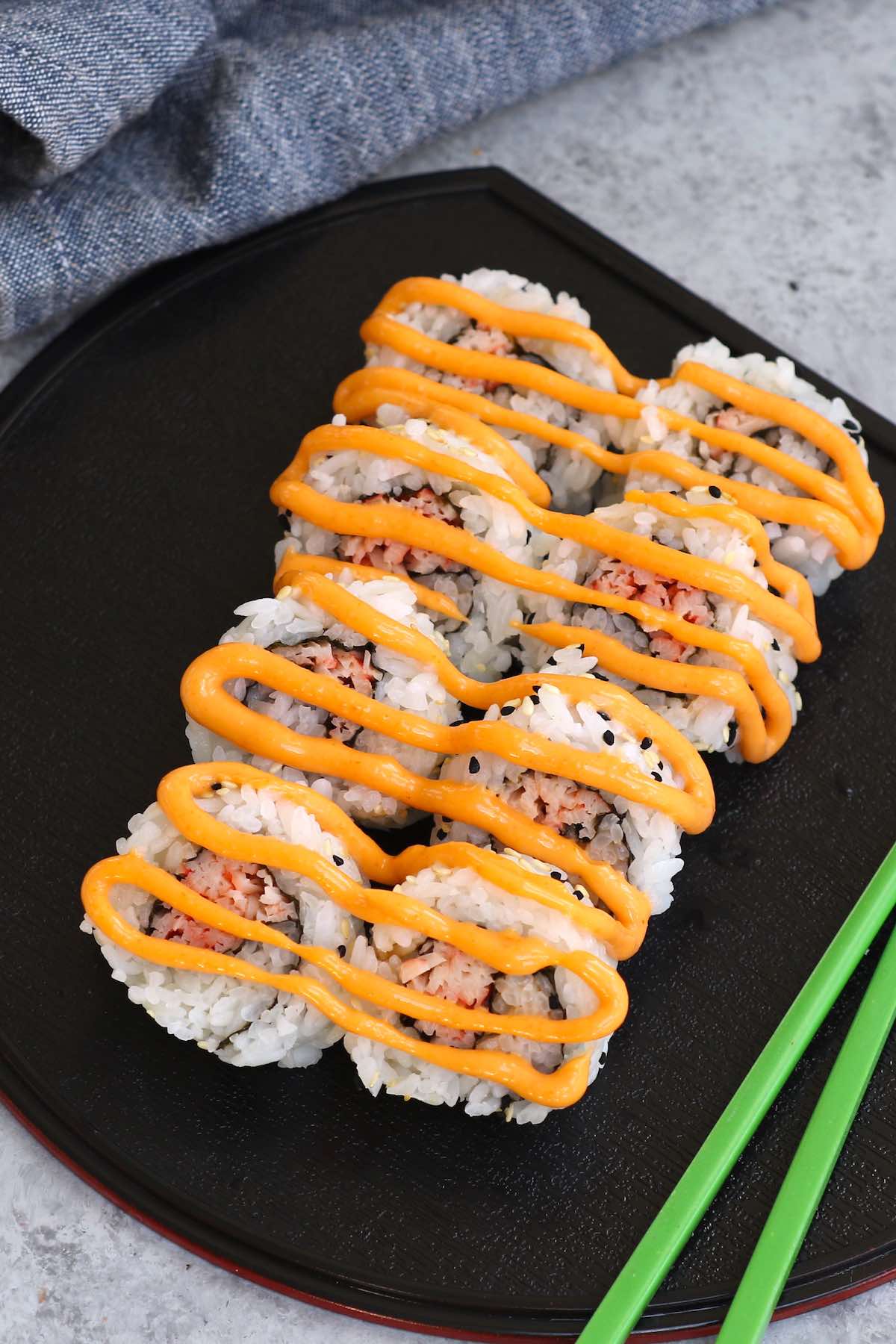
Pick up a plastic tray of sushi from a grocery display or order a round from your neighborhood bistro, and the spicy crab roll will almost certainly anchor the menu. As visual food culture expands across local communities, a phenomenon documented in regional food features like the Springfield News-Sun Report, this fiery, creamy staple remains one of the most frequently ordered items in Western sushi culture. Diners routinely view it as an accessible, health-conscious alternative to heavy fried foods. The assumption is straightforward: seafood, seaweed, and rice equate to a light, protein-packed meal.
The nutritional profile tells a far more complicated story. Beneath the crimson drizzle and toasted sesame seeds lies a combination of heavily processed seafood paste, emulsified vegetable oils, and starch-stabilized rice. Before you place your next order, understanding the distinction between whole shellfish and industrial substitutes changes how this everyday item fits into your daily diet.
📌 Key Takeaways:
- Core Ingredient: More than 90% of commercial rolls rely on imitation crab (surimi), a paste engineered from minced wild Alaska pollock, egg whites, and wheat starch, rather than lump crab meat.
- Calorie and Fat Drivers: The signature sriracha mayonnaise sauce drives calorie counts to between 350 and 520 calories per eight-piece roll, with up to 15 grams of fat.
- Hidden Metabolic Traps: Sweetened short-grain sushi rice and salted fish pastes push sodium levels past 850 milligrams and carbohydrate counts over 55 grams per standard serving.
The Surimi Switch: Decoding What Passes for Crab
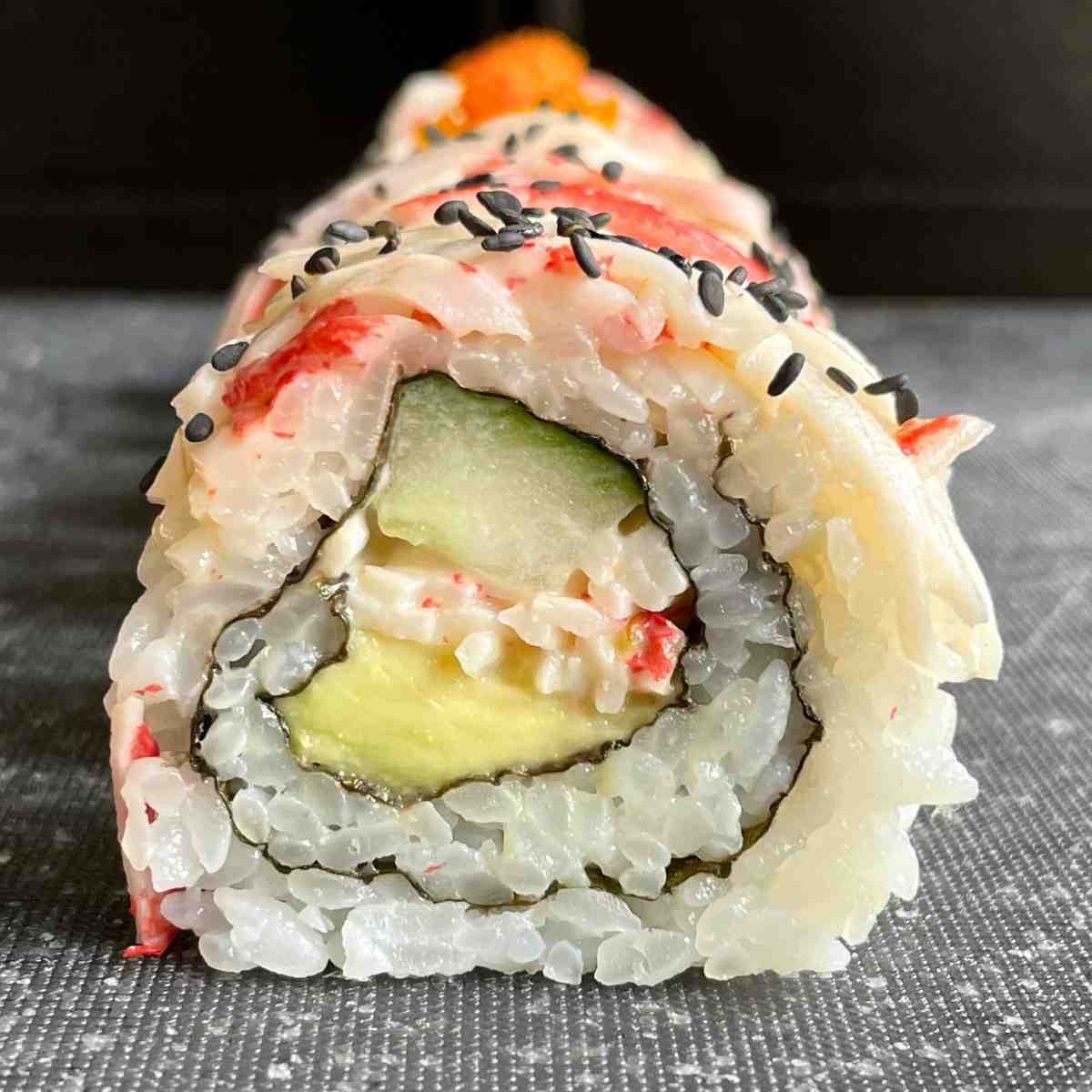
Genuine crab meat is sweet, fibrous, and expensive. Fresh blue crab or Dungeness crab wholesales at steep premiums, forcing fast-casual establishments and supermarket chains to look elsewhere. Their solution is surimi, a processed fish paste invented centuries ago in Japan and perfected for industrial mass production in the 1970s. When you eat a standard spicy crab roll, you are consuming wild Alaska pollock or Pacific whiting that has been washed repeatedly, pulverized into an odorless gel, and blended with binders.
Food processors blend that minced fish base with wheat starch, sorbitol, vegetable oils, salt, and pulverized crab shell extract for aroma. Potassium chloride and carmine dyes provide the bright crimson stripe along the outer casing. Surimi provides lean marine protein, but the processing alters its nutritional integrity. The natural mineral density of genuine crustacean meat disappears during the intense washing cycles, replaced by added sodium and binding carbohydrates that inflate shelf life.
The Caloric Footprint: Breaking Down Spicy Mayo and Seasoned Rice
The defining element of the roll is its creamy, fiery binder: spicy mayo sauce. In casual kitchens and high-volume grocery hubs, chefs blend Japanese Kewpie mayonnaise, made exclusively with egg yolks and monosodium glutamate, with sriracha chili sauce and toasted sesame oil. A two-tablespoon serving adds roughly 180 calories and 18 grams of dietary saturated fats to a dish diners believe is essentially fat-free.
The sushi rice carbohydrate intake represents another overlooked metabolic factor. Authentic sushi rice is not just steamed grain; chefs fold in a hot seasoned vinegar slurry containing rice vinegar, sugar, and salt. A standard 7-ounce roll contains between half a cup to three-quarters of a cup of densely packed white rice. That starch foundation yields 50 to 65 grams of rapidly digestible carbohydrates with minimal fiber, creating rapid blood glucose spikes followed by midday lethargy.
The Nutritional Ledger: Real Crab vs. Supermarket Surimi Rolls
Commercial variations differ dramatically depending on preparation styles. A premade refrigerated pack, such as the Whole Foods Market 7-ounce spicy crab leg California roll variation, provides a consistent formula, whereas high-end izakayas hand-pick blue crab dressed with house-fermented chili paste. The table below outlines how common preparations stack up against modern plant-based vegan sushi alternatives.
| Roll Style | Calorie Range | Total Fat (Saturated) | Carbohydrates | Sodium Level | Protein Content |
|---|---|---|---|---|---|
| Standard Grocery Surimi Roll (8 pcs) | 390, 480 kcal | 14g, 19g (2.5g, 3.5g) | 56g, 64g | 820mg, 1,050mg | 9g, 12g |
| Authentic Real Crab Spicy Roll (8 pcs) | 290, 360 kcal | 8g, 12g (1.5g) | 42g, 48g | 540mg, 680mg | 18g, 24g |
| Plant-Based Vegan Spicy Roll (8 pcs) | 260, 340 kcal | 7g, 11g (0.8g, 1.2g) | 46g, 52g | 480mg, 620mg | 4g, 7g |
Hidden Sodium, Sugar, and Shellfish Allergy Risks
The combination of ingredients makes this roll an unexpected sodium bomb. The nori seaweed wrap contributes natural trace minerals and iodine, but manufacturers season commercial nori sheets with brine sprays. Add the sodium inherent in pollock surimi processing, the salt inside the sriracha mayonnaise, and the obligatory splash of soy sauce, and a single lunch can easily eclipse 1,400 milligrams of sodium, more than 60% of the American Heart Association's daily recommended cap.
The health risks are not solely cardiovascular. Shellfish allergy risks present a serious medical pitfall with imitation products. Many diners with crustacean allergies assume surimi is completely safe because its primary biomass comes from whitefish. In practice, major surimi manufacturers use genuine crab broth, pulverized lobster shells, or natural crab extractives to impart authentic sweetness. Individuals with severe tropomyosin sensitivities face real threats of anaphylaxis from cross-contact and unlisted crustacean flavorings. Gluten sensitivities present another obstacle: wheat starch serves as the ubiquitous structural binder holding surimi sticks together.
Mercury Levels and the Rise of Plant-Based Vegan Alternatives
Diners frequently ask whether consuming spicy rolls exposes them to heavy metals. Because commercial operations build these rolls around wild Alaska pollock rather than predatory pelagic fish like bigeye or bluefin tuna, mercury levels remain exceptionally low. Pollock consistently ranks among the cleanest whitefish caught in cold northern waters, making surimi a low-mercury option for pregnant women who want to avoid apex-predator toxicity.
Those seeking to cut ultra-processed binders and avoid animal proteins altogether are driving a shift toward plant-based dining. Recent industry surveys, including PETA's guide to vegan sushi across the United States, highlight an explosion of creative alternatives. Chefs now shred seasoned king oyster mushroom stems, jackfruit, or blanched hearts of palm, folding them into vegan spicy mayo sauce made from aquafaba and cold-pressed chili oil. These preparations match the texture of traditional rolls while delivering clean dietary fiber and zero cholesterol.
Frequently Asked Questions (FAQ)
Q1: How can I tell if a sushi restaurant uses real crab or surimi?
Check the menu pricing and phrasing carefully. If the roll costs under $12, it is almost certainly surimi. Establishments using genuine crustacean meat will explicitly advertise "100% Real Blue Crab" or "Snow Crab" and price the roll between $16 and $24.
Q2: Is a spicy crab roll safe for pregnant women to eat?
Yes, provided the ingredients are handled safely. Commercial surimi is fully pasteurized and cooked during production, eliminating the bacterial and parasite risks linked with raw sashimi. Wild pollock also carries minimal mercury. Expectant mothers must still account for the elevated sodium and sugar content.
Q3: Does imitation crab trigger crustacean shellfish allergies?
Yes. Manufacturers frequently add real crab extract, boiled shell broth, or natural seafood essences to enhance the taste of pollock paste. Anyone diagnosed with an allergy to crustacean shellfish must steer clear of surimi unless the packaging guarantees an allergen-free facility.
Q4: How can I make my spicy crab roll order healthier?
Ask the kitchen to place the spicy mayonnaise sauce on the side so you control the portion size. Requesting a roll wrapped in cucumber rather than rice removes roughly 45 grams of refined carbohydrates and slashes 180 calories from the meal instantly.
Smart Adjustments for the Modern Sushi Counter
The spicy crab roll is an Americanized sushi classic that delivers reliable flavor at an accessible price point. Approaching it as an ultra-lean health food, however, obscures its real nutritional profile. Between the emulsified sriracha mayonnaise, the starch-heavy surimi binders, and the sugar-seasoned sushi rice, this roll acts more like a decadent comfort food than a restorative post-workout snack.
Diners do not need to abandon the roll entirely. Balance your order by pairing four pieces of spicy crab with clean sashimi, edamame, or wakame salad. Savor the spice and texture for what they truly are: an engineered culinary treat rather than a pure dip into wild ocean seafood.
