The 2026 Water Emergency: From World Water Day to Landmark Scientific Breakthroughs
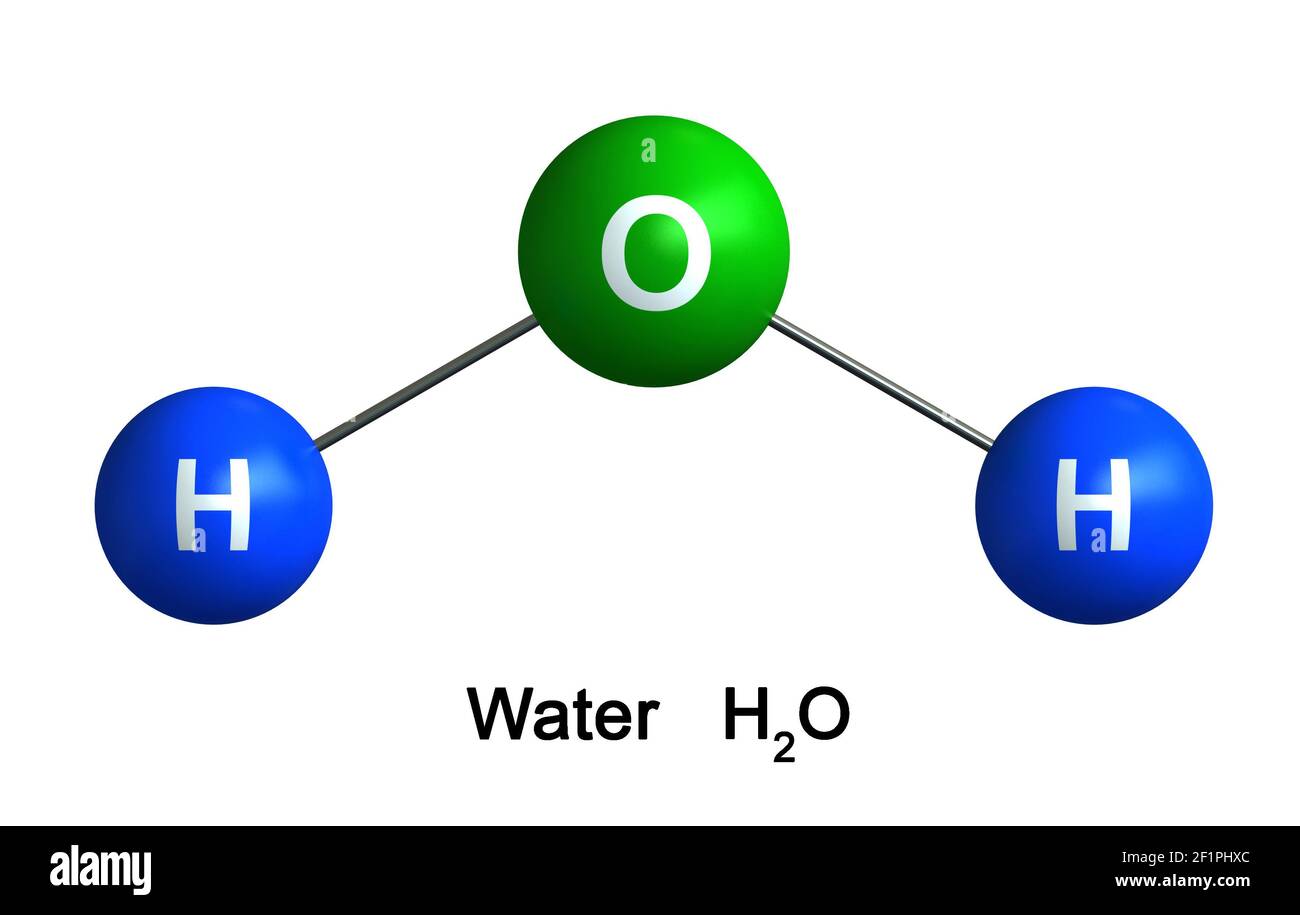
At its elementary baseline, H2O is the chemical formula of water: two hydrogen atoms tethered to a single oxygen atom through polar covalent bonds. This tiny molecular structure sustains every terrestrial ecosystem, dictates planetary weather through the hydrological cycle, and exhibits anomalous physical properties that baffle chemical engineers. Yet in 2026, the question of what water is has collided violently with the question of who gets to consume it. Pure water is no longer treated merely as a textbook solvent; it is an increasingly contested strategic asset subject to systemic shortages, erratic weather extremes, and aging distribution networks.
The cultural and existential weight of water has resurfaced across public discourse, from investigative field dispatches to theological retrospectives like the Patheos Report on the biblical significance of H2O, published in tandem with World Water Day milestones. While historical literature revered water as a spiritual instrument of renewal and survival, municipal engineers and federal regulators in 2026 view it through a grimmer lens. Across the globe, from the drought-hammered reservoirs of the Caribbean to strained aquifers in North America and Southern Europe, securing clean, potable drinking water has transformed into an acute emergency.
📌 Key Takeaways:
- Molecular Architecture: Water owes its high heat capacity, strong surface tension, and liquid density anomalies to an asymmetrical 104.5-degree polar covalent bond and relentless intermolecular hydrogen bonding.
- The 2026 Caribbean Crisis: Puerto Rico entered a state of acute water rationing in early 2026, driven by chronic reservoir siltation, unstable electrical grids, and multi-year precipitation deficits affecting over 750,000 residents.
- Technological Horizons: Discoveries unveiled ahead of World Water Day 2026 highlight biomimetic aquaporin membranes and low-energy capacitive deionization, cutting purification energy consumption by up to 35%.
The Subatomic Architecture of the Bent Molecule
To grasp why water behaves so abnormally in nature, one must look directly at its subatomic geometry. Oxygen carries an electronegativity value of 3.44 on the Pauling scale, compared to hydrogen's 2.20. This vast disparity pulls shared electrons tightly toward the oxygen nucleus, generating a permanent electrical dipole. The two non-bonding electron pairs push the bonded hydrogen atoms together, establishing a bent molecular geometry fixed at an angle of 104.5 degrees.
Because of this charge separation, each water molecule acts like a microscopic magnet. The partially negative oxygen atom attracts the partially positive hydrogen atoms of neighboring molecules, establishing transient networks of hydrogen bonding. These bonds persist for only picoseconds at a time, yet their collective strength produces liquid state anomalies that defy ordinary thermodynamic patterns. Without hydrogen bonds, water would boil at -80 degrees Celsius, leaving the planet devoid of oceans and lakes.
Instead, water displays immense cohesive strength, yielding a surface tension of 72.8 millinewtons per meter at room temperature. It also exhibits an inverted density curve: liquid water reaches peak density at 3.98 degrees Celsius. As temperatures fall below freezing, the molecules arrange themselves into an open hexagonal lattice, causing solid ice to expand and float. This simple chemical quirk insulates aquatic life beneath frozen lakes during winter, preventing entire biomes from freezing solid from the bedrock upward.
Puerto Rico’s 2026 Supply Emergency and Grid Failures
The physics of water may be elegant, but municipal distribution remains brittle. In early 2026, Puerto Rico became the epicenter of an acute regional water scarcity crisis when a sequence of extended dry spells, combined with chronic reservoir sedimentation, forced the Aqueduct and Sewer Authority (PRASA) to initiate rotational shutoffs across the San Juan metropolitan district. Key supply reservoirs, including Carraízo and La Plata, dipped into critical reserve territory after losing more than 40% of their functional storage capacity to decades of accumulated silt.
The situation escalated when instability across the territory's privatized power grid repeatedly disabled high-volume pumping stations. Water filtration facilities depend on uninterrupted three-phase power to drive flocculation, chemical dosing, and pressurized line conveyance. When voltage dropped, millions of gallons of treated water backed up into holding basins or drained prematurely from uphill storage tanks, leaving hillside communities without pipeline pressure for days at a time.
By late February 2026, over 750,000 residents were placed on scheduled 24- to 36-hour rationing rotations. Bottled water shipments arrived at San Juan ports, but retail costs climbed rapidly, prompting municipal leaders to set up emergency distribution bladders in public plazas. The emergency exposed a fundamental truth: possessing ample annual rainfall means little when infrastructure cannot catch, clarify, and pump the liquid.
Tracking the 2024, 2026 Global Water Crises and Tech Milestones
The crisis in the Caribbean is not an isolated event. Over the past three years, structural droughts and mechanical failures have hit urban water basins worldwide. The timeline below illustrates how consecutive infrastructure shocks forced a global pivot toward advanced purification technology by World Water Day 2026.
| Timeframe | Critical Regional Shock | Infrastructure & Engineering Response |
|---|---|---|
| Q1 2024 | Catalonia, Spain declares a formal state of drought emergency as reservoirs sink to 16% capacity. | Emergency deployment of floating desalination units in Barcelona Harbor; strict consumption caps at 200 liters per resident per day. |
| Q3 2024 | Severe water pressure collapse across Johannesburg, South Africa, driven by pump outages and pipeline leaks. | Initiation of telemetry-guided acoustic leak detection to curb system losses running higher than 40%. |
| Q2 2025 | US Bureau of Reclamation reduces Colorado River allocations as Lake Mead hovers near critical pool elevations. | Agricultural fallowing subsidies expand; municipal wastewater recycling programs accelerate in Southern California and Arizona. |
| Q1 2026 | Puerto Rico declares an island-wide drinking water supply emergency following reservoir siltation and electrical grid failure. | Deployment of microgrid-backed containerized filtration units; federal release of emergency reservoir dredging funds. |
| March 2026 | World Water Day summit showcases breakthroughs in energy-efficient modular water treatment. | Validation of biomimetic aquaporin membranes achieving 99.4% salt rejection while cutting operational energy costs by 35%. |
Industrial Contaminants, Dihydrogen Monoxide, and Potable Security
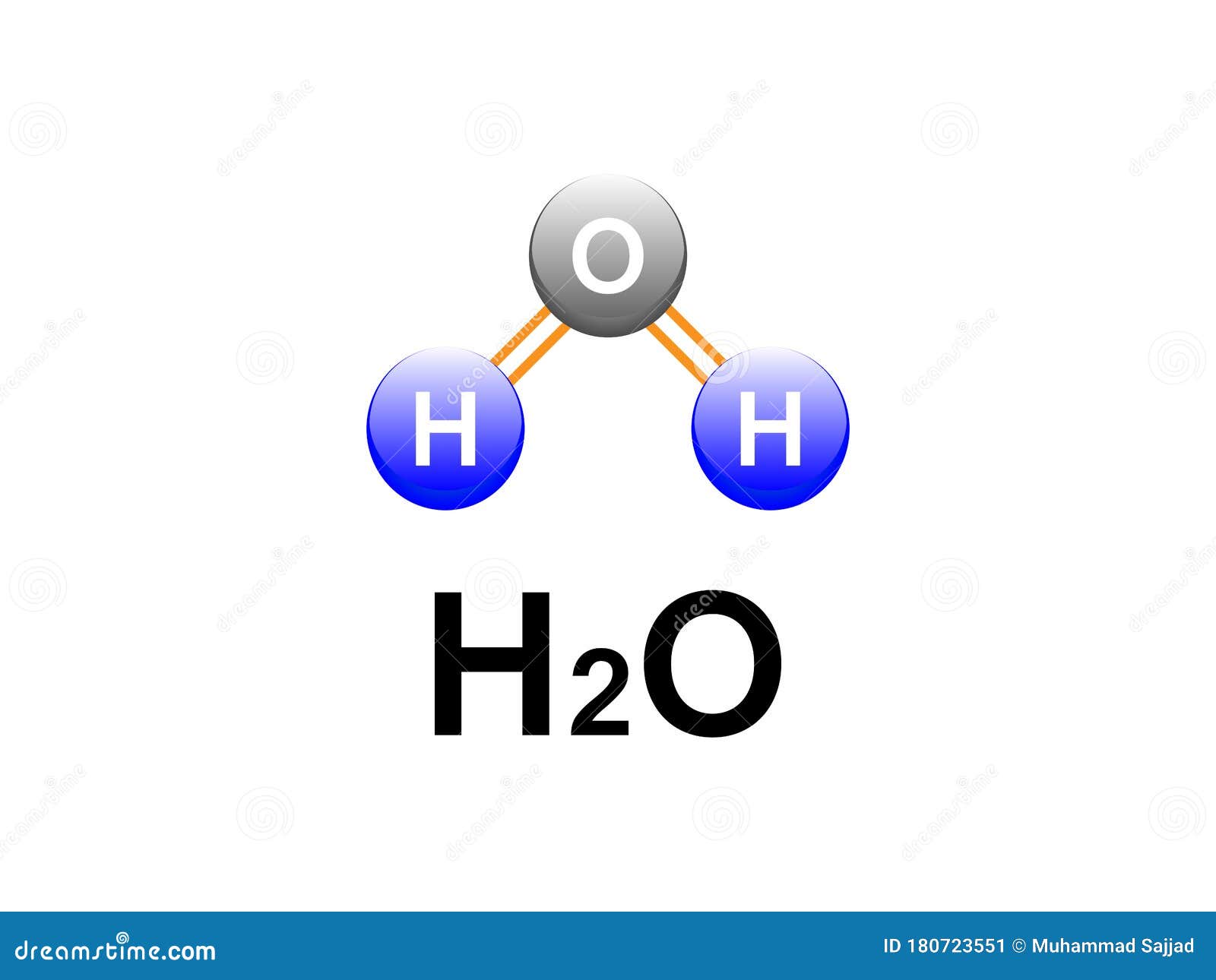
Chemists sometimes refer to water facetiously as dihydrogen monoxide to highlight public misunderstandings of chemical nomenclature. Yet the challenge of producing safe drinking water from natural sources is increasingly serious. The universal solvent properties that make water indispensable to biology also make it extraordinarily vulnerable to chemical pollution. Water readily dissolves heavy metals, agricultural nitrates, and synthetic fluorinated chemicals known collectively as PFAS.
Municipal plants designed in the mid-twentieth century relied on simple sedimentation, sand bed filtration, and chlorination. These legacy systems are ill-equipped to eliminate per- and polyfluoroalkyl substances, which persist due to practically indestructible carbon-fluorine bonds. In the United States, municipal water utilities faced rigorous federal regulations in 2026 that slashed permissible PFAS levels down to 4 parts per trillion for specific compounds, requiring an estimated $1.5 billion in annual capital upgrades nationwide.
Granular activated carbon beds and ion-exchange resins offer proven remediation pathways, but they saturate rapidly and generate concentrated toxic waste. Consequently, utility directors have shifted their focus to point-of-entry nanofiltration and high-pressure reverse osmosis systems, passing the financial burden onto industrial rate bases and municipal water bills.
Next-Generation Purification Technologies Unveiled on World Water Day
During the international research symposia tied to World Water Day in March 2026, scientific consortia unveiled several practical alternatives to energy-intensive reverse osmosis. The most promising development centers on biomimetic aquaporin filtration. By embedding synthetic aquaporin protein channels into thin-film composite polymer membranes, engineers replicate the microscopic pores biological cells use to transfer water across membranes without passing sodium or chloride ions.
Data presented at the conference showed these aquaporin sheets operate at pressures 25% to 35% lower than conventional polyamide membranes while maintaining salt rejection rates above 99%. This efficiency allows small island communities and coastal towns to operate modular, containerized desalination systems powered entirely by local solar-plus-storage arrays, decoupling water production from fragile centralized electrical networks.
Parallel advancements in capacitive deionization (CDI) showed substantial progress in treating brackish groundwater. Instead of forcing water through microscopic pores at massive hydraulic pressures, CDI runs brackish water between pairs of porous carbon electrodes. Applying an electrical potential difference of just 1.2 volts draws salt ions directly out of the stream and binds them to the electrode surfaces. When the electrodes reach saturation, the electric charge reverses, releasing the trapped salts into a concentrated waste stream while recovering up to 50% of the consumed electricity.
Frequently Asked Questions (FAQ)
Q1: Why is H2O referred to scientifically as dihydrogen monoxide?
A1: Dihydrogen monoxide is the systematic chemical name derived from IUPAC naming conventions: "di-" signifies two hydrogen atoms, and "monoxide" indicates one oxygen atom. While chemically accurate, the phrase is commonly used in consumer literacy demonstrations to point out how technical jargon can make familiar substances sound dangerous.
Q2: How does hydrogen bonding create liquid state anomalies?
A2: Because oxygen is significantly more electronegative than hydrogen, water molecules carry a strong permanent dipole. The electrostatic attraction between adjacent molecules forms hydrogen bonds, which hold the liquid together. This network requires immense thermal energy to disrupt, giving water its unusually high boiling point, elevated heat of vaporization, and the ability to expand when freezing into an open hexagonal crystal matrix.
Q3: What triggered the severe water rationing measures in Puerto Rico in 2026?
A3: The emergency stemmed from a compounding failure of natural storage and electrical infrastructure. Silt deposits had compromised over 40% of the storage volume in reservoirs like Carraízo and La Plata. When prolonged dry weather lowered raw water levels, chronic brownouts across the electrical grid took heavy lift pumps offline, preventing treatment plants from delivering potable supply through municipal mains.
The Trajectory of Global Water Security Beyond 2026
The molecular simplicity of H2O conceals the fragile engineering web required to pipe it into kitchen sinks, medical clinics, and industrial facilities. As shifting climate baselines push the hydrological cycle into increasingly volatile extremes, historical water management models centered on passive catchment reservoirs and centralized high-energy filtration are reaching their limits. The compounding emergencies in Puerto Rico, Southern Europe, and southern Africa demonstrate that municipal vulnerability rarely stems from an absolute absence of rainfall; it stems from a failure to store, purify, and distribute water without relying on brittle electrical grids.
Resolving this systemic imbalance requires a fundamental shift in municipal strategy. Cities are turning toward modular, decentralized purification systems, pairing low-energy biomimetic membranes with local renewable microgrids. Water security in the late 2020s rests not on the sheer scale of centralized infrastructure, but on whether treatment technologies can operate reliably when regional power supplies fail. Protecting Earth's most vital molecule demands an engineering architecture as resilient, responsive, and adaptive as the physics of water itself.
