The Charlie Kirk Mii Trend Explained: Origin, Facts, and Nintendo's Rules
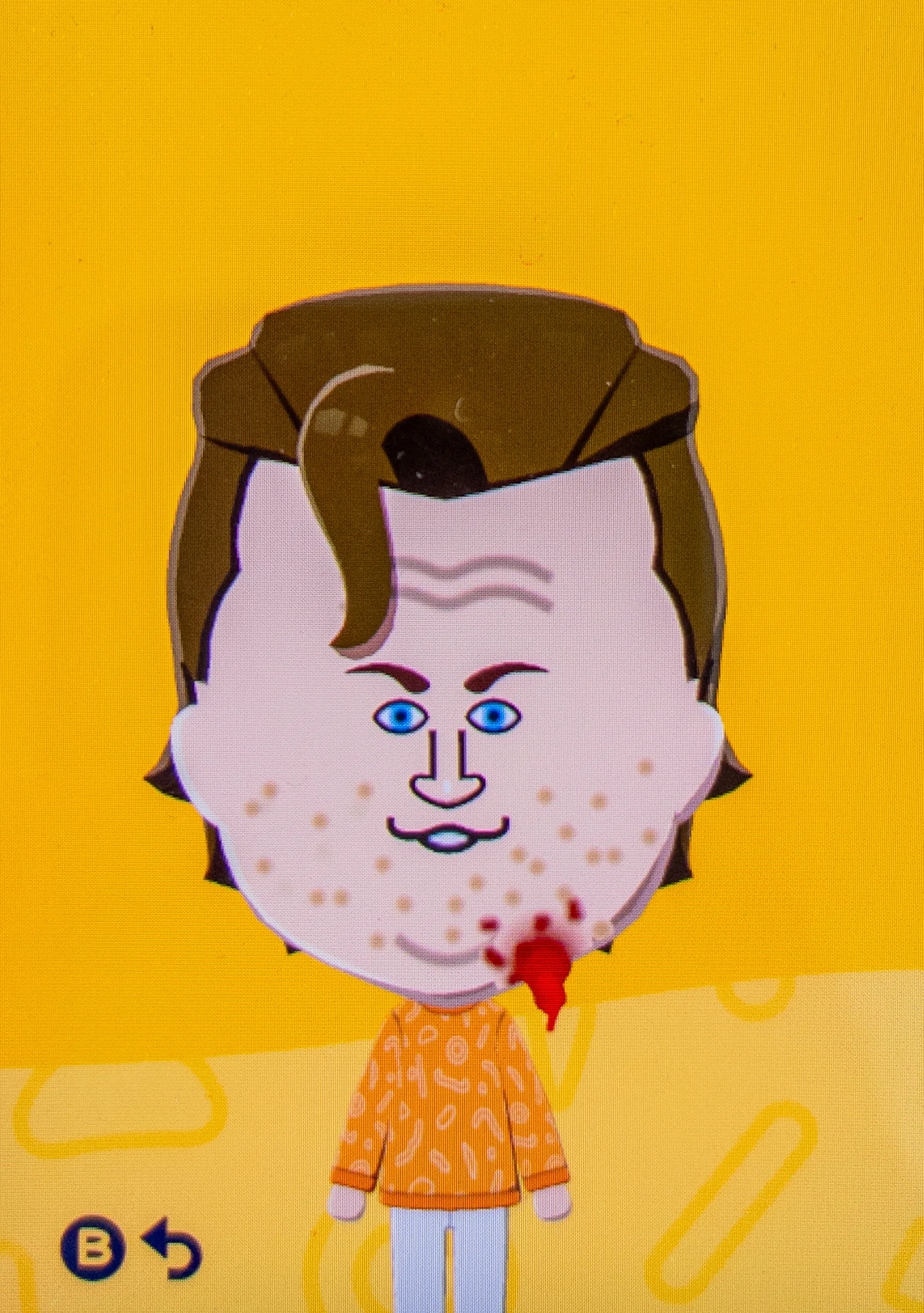
When rumors began swirling across social platforms about an upcoming Nintendo Direct announcement centered on life simulation games, the online gaming subculture reacted with its signature brand of weaponized absurdism. Within hours of speculation hitting Reddit and X in late January 2026, social feeds drowned in thousands of digital avatars sporting enormous foreheads, receding hairlines, and impossibly compacted facial features. As tracked by an early GAMINGbible Report, the frenzy kicked off when fans anticipated a dedicated Tomodachi Life Direct, sparking a massive Charlie Kirk meme flood that rapidly hijacked game-sharing forums across the web.
The movement did not stay confined to joke threads. Within 48 hours, panic posts claimed Nintendo had started mass-banning user accounts, purging custom avatars, and blocking online sharing codes that featured the Turning Point USA founder's likeness. The reality is far less dramatic, though far more revealing of how modern gaming communities exploit platform creation tools to satirize political figures.
📌 Key Takeaways:
- The Rumor: Claims that Nintendo is actively issuing console bans specifically targeting Charlie Kirk Miis are completely unfounded.
- The Catalyst: The meme surged when community excitement over a long-rumored Tomodachi Life revival intersected with longstanding internet jokes mocking Kirk's facial proportions.
- The Enforcement: Nintendo relies on automated keyword filters and user report thresholds under its Network Services Code of Conduct, not targeted manual blacklists for specific political memes.
How a 2018 Photoshop Joke Collided with Nintendo's Avatar Maker
The visual joke did not originate on gaming consoles. It began around 2018 on satirical subreddits like r/ToiletPaperUSA, where users routinely edited photographs of political commentators to alter their physical traits. Posters made Kirk's face marginally smaller while keeping his skull intact, creating uncanny images that left casual viewers wondering if the image was legitimate or photoshopped.
When players booted up the Nintendo Mii maker on the Nintendo Switch, they discovered that the software's geometric sliders could replicate this exact visual trick without any external photo-editing tools. The interface allowed players to push facial proportions to absolute extremes. By selecting the widest jawline available, stretching the skull upward, and clustering the eyes, nose, and mouth directly into the center of the canvas, users could craft an instantly recognizable, hyper-compressed caricature.
The practice migrated from individual console memory to community sharing hubs during the 2021 release of Miitopia. That title introduced expanded makeup layers, custom stickers, and advanced Mii avatar customization, allowing users to draw hyper-detailed features directly onto base models. What began as a scattered visual gag on message boards solidified into a repeatable template circulated through 7-character access keys.
Is Nintendo Actually Banning Charlie Kirk Miis?
The short answer is no. Nintendo has not published an edict singling out Charlie Kirk, nor has the company deployed engineers to scour cloud servers for shrunken digital faces. The rumors of widespread account terminations trace back to screenshots shared across TikTok and X during the final week of January 2026, where several users showed temporary suspensions alongside images of their avatars.
Those suspensions stemmed from automated systems handling user reports rather than a top-down ban on political parody. Under Nintendo's Network Services Code of Conduct, user accounts face automated review if their shared content accumulates multiple community reports for harassment, hate speech, or inappropriate naming conventions. When creators uploaded their creations using profanity-laced captions, derogatory island names in older 3DS saves, or explicit profile tags, the automated moderation stack triggered standard 24-hour or 7-day online lockouts.
Independent platform analysis confirms that thousands of avatars with modified proportions remain completely accessible across Nintendo Switch Mii libraries. Unless an avatar is uploaded alongside blacklisted text strings or reported en masse by other players in public lobbies, Nintendo's automated compliance framework ignores facial geometry entirely.
Timeline of the Trend: From Reddit Shitpost to Nintendo Community Sensation
The trajectory of this phenomenon reveals how quickly niche gaming communities can transform a years-old internet running joke into a dominant online trend whenever corporate announcements loom.
| Timeframe | Catalyst Event | Community & Platform Impact |
|---|---|---|
| 2018, 2020 | Photoshop edits peak on Reddit political parody forums | Visual template established; initial 3DS Mii QR code sharing begins |
| May 2021 | Miitopia launches on Nintendo Switch with deep makeup tools | Miitopia Mii codes circulate; Kirk designs gain tens of thousands of downloads |
| January 27, 2026 | Social channels ignite over speculative Tomodachi Life Direct news | Viral gaming memes flood X and Reddit; download codes re-trend across gaming hubs |
| January 29, 31, 2026 | False ban rumors circulate following automated moderation strikes | Fact-checkers and gaming outlets clarify platform terms of service |
Nintendo's Content Policies: What Gets Custom Avatars Flagged
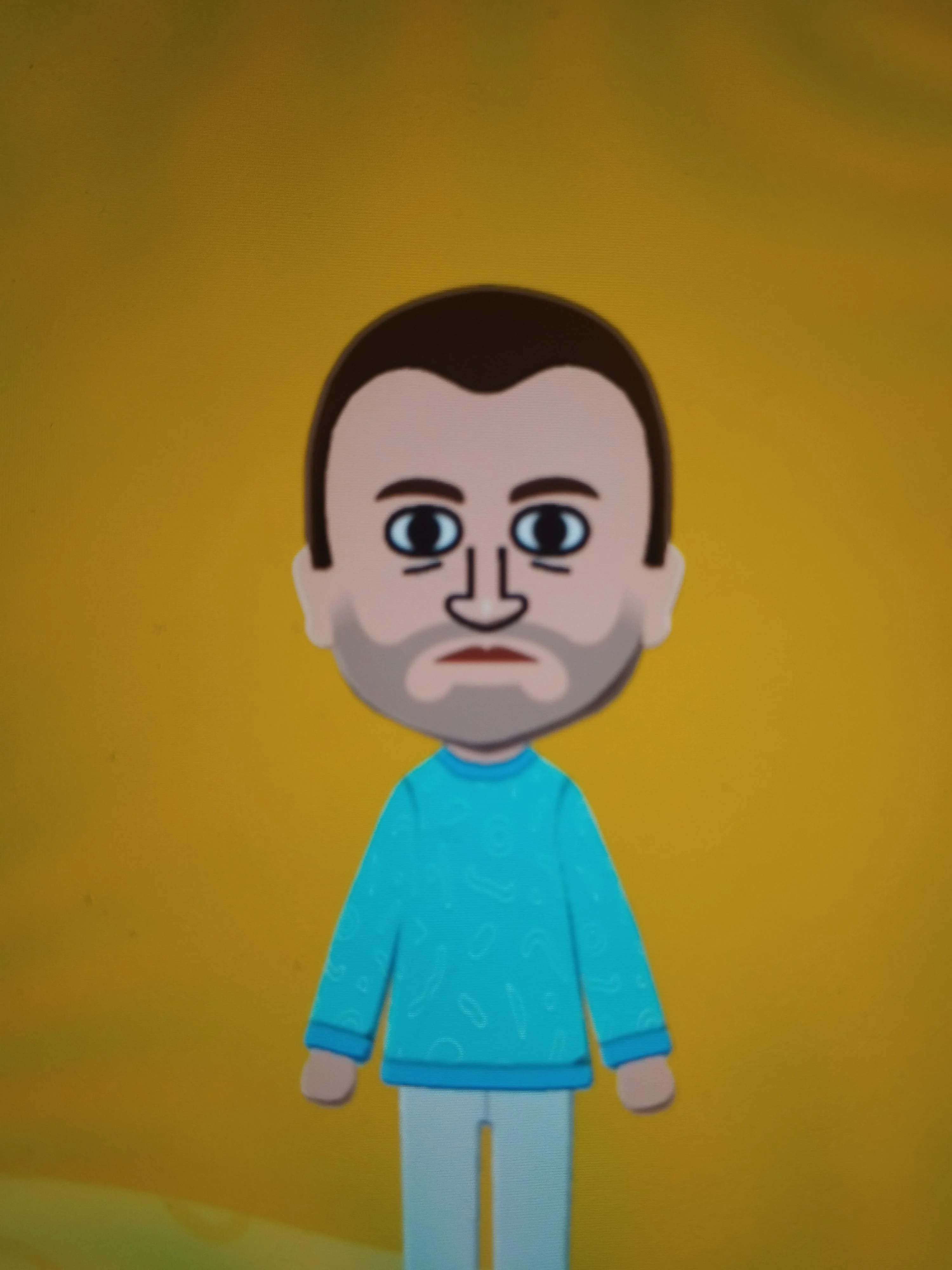
Nintendo maintains some of the strictest family-friendly platform guidelines in the interactive entertainment sector. The company's global terms of service explicitly outline behaviors that will result in the suspension of Nintendo Network Services. Avatars themselves rarely trigger regulatory strikes unless they violate clearly defined categories.
First, text fields represent the primary vector for disciplinary action. A player can construct any facial layout imaginable, but naming that character with hate speech, slurs, or harassment phrases trips server-side regex filters immediately. Second, graphic sexual representations created via layered textures, an issue that briefly plagued Miitopia lobbies during its initial rollout, are banned under obscenity rules. Third, community brigading can prompt automatic removals; if a high-profile creator's island or lobby receives hundreds of negative flags in a few hours, the system defaults to temporary hiding pending automated or human review.
Parody of a public political figure does not breach these terms unless the accompanying text crosses into targeted harassment or defamation. For millions of casual players swapping access codes, standard caricature design remains entirely compliant with platform terms.
Why Life Simulation Communities Turn to Satirical Avatars
Life simulation games like Tomodachi Life thrive on emergent, chaotic social dynamics. In these games, characters live in self-contained apartment complexes, form arbitrary romantic pairings, start absurd arguments, and perform nonsensical musical numbers on demand. The inherent mechanics encourage players to populate their islands with bizarre combinations of historical icons, real-world politicians, anime heroes, and personal acquaintances.
Dropping a hyper-exaggerated political commentator into an apartment next to Garfield or a pop star creates a comedic contrast built directly into the game design. Because the title treats every resident with the same cheerful, computerized indifference, players use caricature to strip divisive public figures of their real-world rhetoric. The avatar becomes an empty vessel subject to the whims of the simulation's quirky routines.
This dynamic explains why community reactions to any potential revival of the series immediately default to caricature libraries. Players do not build these avatars out of political alignment; they build them because seeing a self-serious public figure perform an interpretive pop dance about tap water is the exact kind of lighthearted irreverence the software was built to produce.
Frequently Asked Questions (FAQ)
Q1: Can your Nintendo Switch account get banned for downloading a Charlie Kirk Mii?
A1: No. Downloading an avatar using an access code or scanning a legacy QR code will not trigger an account ban. Nintendo's enforcement mechanisms target offensive account names, profanity in shared bios, and explicitly vulgar texture modifications, not political parodies.
Q2: Why did the Charlie Kirk Mii trend spike again in early 2026?
A2: The resurgence followed widespread internet rumors regarding an unannounced Tomodachi Life Direct. Fans of the franchise began circulating dream rosters for potential new game saves, causing older character codes and avatar templates to go viral across social media feeds simultaneously.
Q3: How do players get these specific proportions in the standard Mii Maker?
A3: Players achieve the look by picking the widest base head structure, maximizing the forehead height slider, and dragging the eyes, nose, and mouth down to the lowest and most centered coordinates allowed by the configuration tools.
The Cultural Staying Power of Digital Caricature
The Charlie Kirk Mii phenomenon demonstrates how modern digital communities repurpose corporate creative tools into democratic arenas for satire. Nintendo built the Mii Maker twenty years ago on the original Wii to give everyday users a friendly, simplified representation of themselves. Players instantly realized that those same clean lines and geometric constraints made the system an ideal engine for quick political caricature.
As rumors of new hardware and software iterations circulate through 2026, the underlying impulse of players remains completely unchanged. Whenever platforms offer customization tools, communities will find the exact boundaries of those tools, push the sliders to their physical limits, and craft absurd figures to share with their peers. Nintendo's moderation systems will continue flagging profanity and genuine platform abuse, but the shrunken faces of internet folklore are likely here to stay.
