The Complete Narrative Arc of 'Pierce My Heart': From Acclaimed Premiere to Polarizing Climax
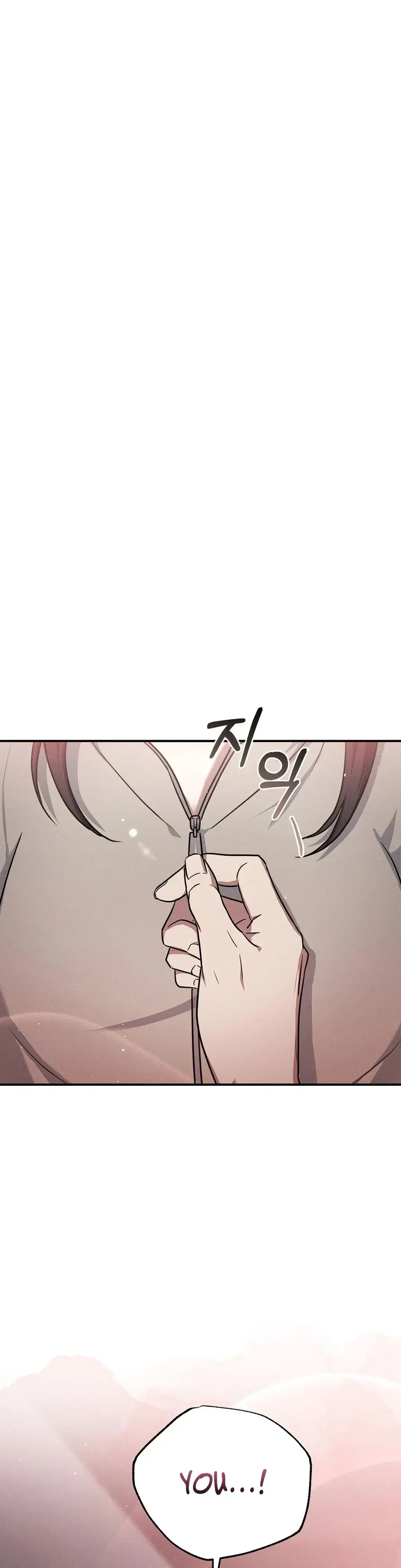
Serial serialization in digital comics rarely allows for second chances. When Pierce My Heart debuted, it immediately separated itself from standard romance drama manhwa tropes through sharp psychological realism, kinetic line work, and an agonizingly grounded dynamic between its central leads. Readers flocked to discussion boards weekly, praising the production for trading cheap romantic escapism for authentic emotional fallout. Yet, as the narrative barrels toward its concluding chapters, the community atmosphere shifted from universal admiration to bitter factionalism.
The title's volatile trajectory mirrors a wider editorial dilemma across Korean webcomic production. As tracked in an investigative ScreenRant Report analyzing serialized romance and villainess adaptations that derailed in their final acts, the pressure of maintaining momentum often creates severe narrative whiplash when studio deadlines collide with ambitious story arcs. For Pierce My Heart, that collision produced one of the most hotly contested final runs in modern digital comic fandom.
📌 Key Takeaways:
- The Spark: Pierce My Heart earned widespread acclaim for replacing sanitized romance tropes with high-stakes psychological tension and nuanced main character development.
- The Rupture: A mid-series pacing acceleration compressed pivotal character motivations, culminating in a polarizing webtoon climax that alienated large portions of the readership.
- The Resolution: While the final chapters deliver thematic closure on self-determination, unresolved subplots left the audience deeply divided over whether the finale was poetic or rushed.
The Debut That Captivated Webtoon Readers
Pierce My Heart entered the digital publishing ecosystem at a moment when audiences were experiencing genre fatigue. Countless historical and contemporary romance drama manhwa relied on identical beats: misunderstandings cleared up in single chapters, flat antagonists, and male leads whose toxicity was routinely excused as protective passion.
The comic bypassed these conventions. From Chapter 1, the narrative established an atmosphere heavy with claustrophobia and moral ambiguity. The protagonist did not stumble into high-society drama with wide-eyed innocence; she navigated a brutal social hierarchy where every interaction carried financial and bodily risk.
Visual execution elevated the writing. The creative team discarded standard flat digital color fills in favor of a desaturated palette punctuated by harsh, expressive lighting. Close-up panels lingered on micro-expressions: the twitch of a mouth, a averted glance, the physical exhaustion of surviving an impossible domestic situation. Reader metrics reflected the difference. Within its first 15 chapters, the series achieved an average chapter rating of 9.8 out of 10 on major publishing apps, quickly becoming an essential recommendation across online fiction communities.
Core Character Arcs and the Engine of Emotional Conflict
The heart of the webcomic rested on an intricate power struggle rather than a straightforward courtship. Unlike boilerplate male leads designed solely for wish fulfillment, the male protagonist in Pierce My Heart possessed genuine character defects that drove the plot forward. He was suspicious, manipulative, and emotionally guarded, reflecting his own traumatic background within the story's political landscape.
Every interaction carried stakes. Dialogue was dense and layered with subtext, forcing readers to parse what remained unsaid between the panels. The female lead’s character progression was particularly celebrated during the early volumes. She did not gain supernatural agency overnight; instead, she fought for micro-victories using wits, social positioning, and painful emotional compromises.
This balance made the romantic development slow, painful, and earned. Early chapter analyses on Reddit and serialized review blogs routinely commended the author for allowing the characters to fail each other. Their relationship was not healthy, but it was compelling because the narrative refused to romanticize their mutual destruction. That deliberate, heavy pacing made the comic an exceptional emotional drama webtoon during its initial run.
The Mid-Series Turning Point and Pacing Disruption
Cracks in the narrative structure surfaced around Chapter 65. Where the first two arcs allowed scenes to breathe over multiple weeks, the middle run began skipping critical conversational aftermaths. Major political betrayals that had been built up for months resolved off-panel or inside single-chapter confrontations.
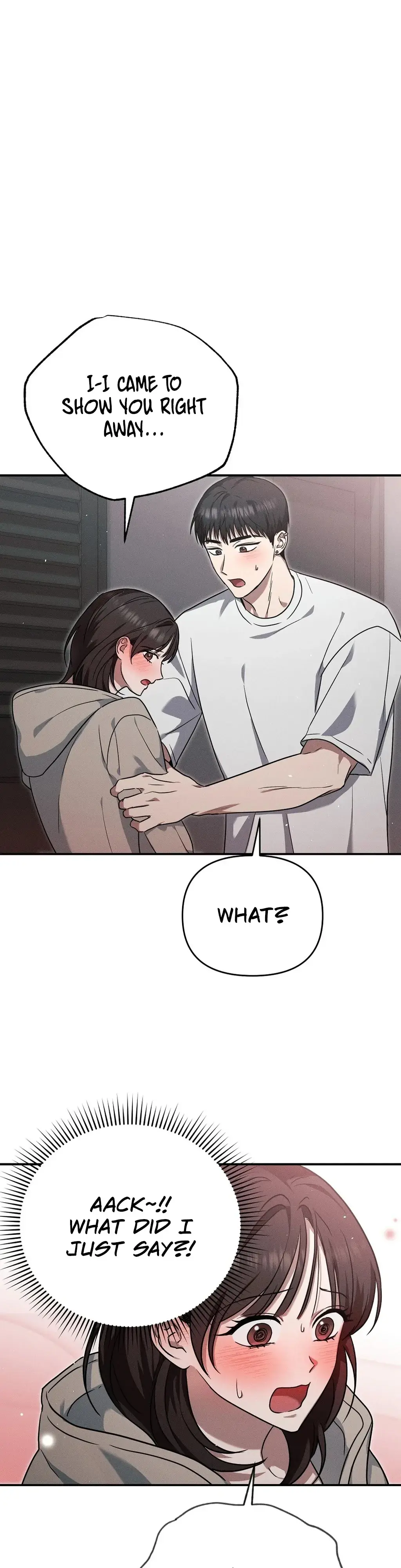
The story pacing controversy quickly dominated comment sections. Readers who had grown accustomed to granular psychological breakdowns found themselves tracking jarring time jumps and abrupt emotional resets. Supporting characters who once served as complex foils were flattened into functional plot devices designed simply to move the leads from one tragic scenario to the next.
Online engagement metrics during this transition period revealed a sharp divide. While raw view counts climbed due to heightened melodrama and cliffhangers, reader satisfaction scores plummeted from 9.8 to roughly 8.2. Fans took to social media to speculate about behind-the-scenes strain, noting shifts in panel complexity and shorter chapter lengths that hinted at heavy production deadlines common within the digital serialization industry.
Reader Sentiment Across Major Story Arcs
To understand how the audience reaction shifted, it helps to examine how the production changed from its debut to its final installment:
| Publication Arc | Narrative Focus | Fanbase Reception & Impact |
|---|---|---|
| Chapters 01, 35(The Introduction Arc) | Establishment of class struggle, psychological tension, and high-detail line art. | Universal acclaim; average rating 9.8/10; hailed as a breath of fresh air in the romance drama space. |
| Chapters 36, 64(The Conflict Arc) | Intensified romantic friction, complex political intrigue, and slow-burn reveals. | Peak serialized engagement; strong theories and community discussions on forums. |
| Chapters 65, 85(The Acceleration Arc) | Rapid plot progression, frequent time skips, compressed dialogue, and unresolved secondary arcs. | Mounting criticism over pacing; user ratings slipped to 8.0, 8.3/10 amid forum debates. |
| Chapters 86, Finale(The Climax & Epilogue) | Drastic character departures, non-traditional romantic closure, and ambiguous open ending. | Intensely polarizing; comment sections split between praise for realism and fury over unfulfilled expectations. |
Pierce My Heart Ending Explained: Deconstructing the Divisive Climax
The finale delivered a decisive shock to readers expecting conventional catharsis. In the final three chapters, the anticipated romantic reunion never occurred. Rather than granting the leads a hard-fought life together or offering a cleanly packaged tragedy, the narrative opted for physical separation and ideological estrangement.
The female protagonist chose self-preservation over romantic devotion. Recognizing that the male lead’s sociopolitical environment would permanently reduce her to a collateral liability, she left the capital entirely, abandoning both her claims and the romantic relationship. The male lead, meanwhile, consolidated his political authority, ending the series trapped inside the exact institution he spent the story attempting to reform.
This ending polarized the community for two distinct reasons:
First, the thematic justification was clear. The comic consistently argued that systemic oppression and deep emotional trauma cannot be cured simply by mutual affection. In that sense, separation was the most honest outcome for the protagonist’s survival.
Second, the execution felt unearned. The narrative spent over eighty chapters building intricate romantic loyalty, only to sever that connection across two hurried epilogue panels. Vital questions regarding the secondary cast were left unanswered. Readers felt cheated not by the tragedy itself, but by the omission of necessary emotional transition scenes that would have made such a stark resolution feel natural.
The Production Realities Behind Webtoon Storyline Collapses
The trajectory of Pierce My Heart is not an isolated incident. The high-volume weekly schedule expected of modern webtoon studios forces creators into punishing production cycles. Delivering 60 to 80 full-color, meticulously rendered vertical panels every seven days inevitably strains writers and artists alike.
When health issues or contractual deadlines hit late in a serialization run, creators face an impossible choice: enter indefinite hiatus or truncate the manuscript. Many studios push for the latter, prioritizing a scheduled series finale over long-term narrative coherence. When writers condense forty chapters of novelized plot into twelve illustrated installments, character choices begin to feel arbitrary rather than earned.
Pierce My Heart fell victim to this structural pressure. The author’s ambition demanded a sprawling, nuanced psychological tragedy. The reality of the digital release schedule provided only enough room for a sprint toward the finish line.
Frequently Asked Questions (FAQ)
Q1: Does Pierce My Heart have a happy ending?
A1: No. The manhwa concludes with a bittersweet, non-traditional ending. The main leads do not end up together. The female protagonist departs to pursue personal survival and independence, while the male lead remains isolated within his political station.
Q2: Why did the finale cause so much controversy among readers?
A2: The backlash was driven primarily by pacing rather than the tragic tone. The story spent dozens of chapters building deep romantic and narrative tension, only to resolve complex political subplots and character dynamics in a rushed three-chapter epilogue without adequate closure.
Q3: Is Pierce My Heart still worth reading despite the rushed ending?
A3: Yes, for readers who appreciate intense character drama, atmospheric artwork, and realistic psychological stakes. Those seeking a conventional, neatly resolved romance may find the later chapters frustrating, but the first two arcs remain standout examples of serialized digital comics.
What Pierce My Heart Leaves Behind in 2026
Years after its final chapter landed, Pierce My Heart continues to spark debates across webtoon communities. It remains a case study in both the potential and the structural pitfalls of modern digital comic serialization.
The story refused to patronize its audience with an easy happy ending. That artistic choice deserves credit in a market often saturated with formulaic wish fulfillment. Yet the series serves as a cautionary tale for publishers. Brilliant character writing and striking visual style cannot compensate for a rushed final stretch. When the journey is defined by deep emotional realism, readers expect an ending that takes the time to honor that investment.
