The Complete Taco Bell Crunchwrap Supreme Guide: Hacks, History, and Secret Builds
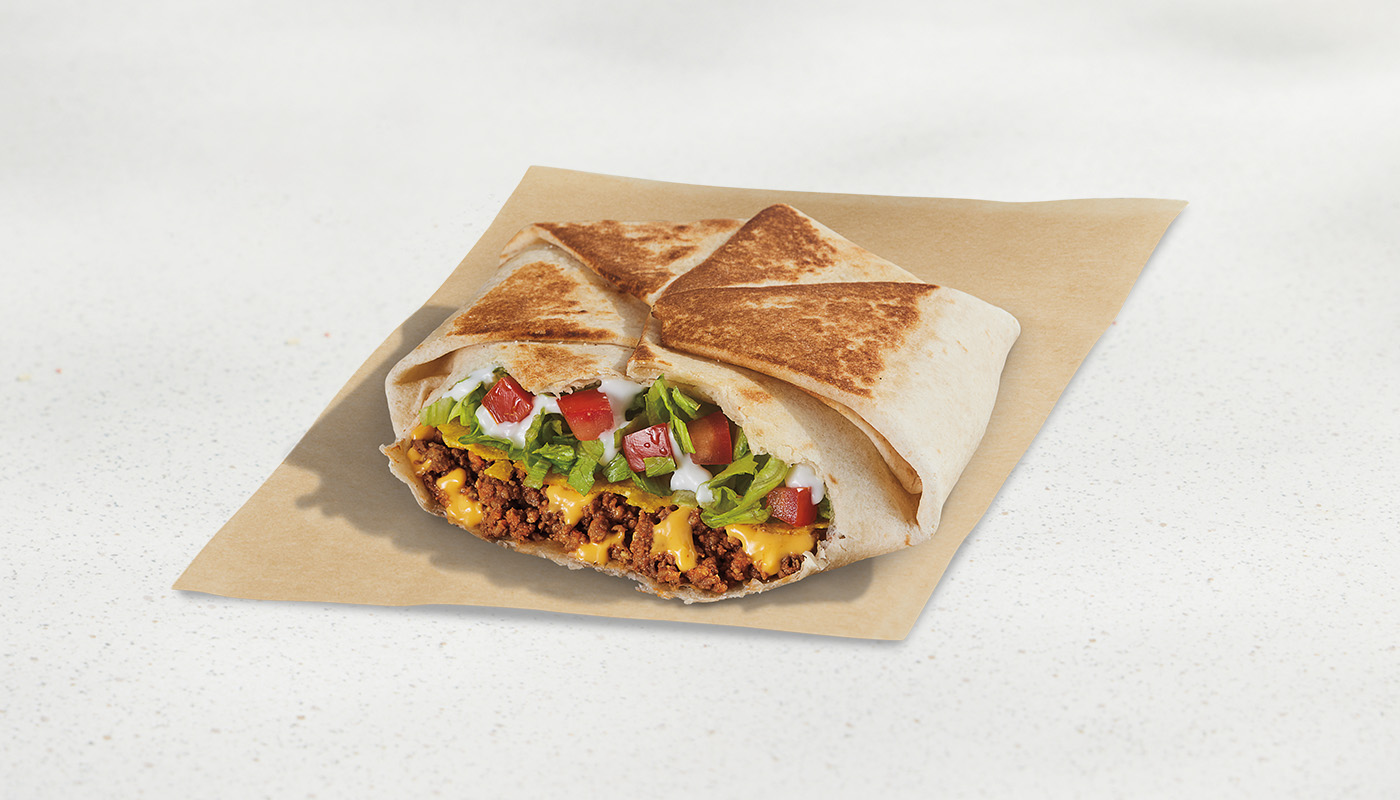
When Taco Bell introduced the Crunchwrap Supreme as a limited-time promotional item in 2005, corporate executives anticipated a standard seasonal sales bump. What followed was the most successful product rollout in the chain's modern era. Within months, customer demand forced Yum! Brands to cement the six-sided handheld into the permanent lineup by January 2006. Two decades later, as reported across fast-food menu tracking and dietary breakdowns like the recent chowhound.com Report, the item remains an undisputed titan of structural food engineering, inspiring everything from retail grocery kits to obsessive online customization communities.
The Crunchwrap accomplished something rare in fast food menu innovation: it solved the messiness problem of traditional hard tacos without sacrificing texture. By encasing a crisp disc inside a warm flour tortilla and sealing it on a flat-top grill, Taco Bell created a self-contained, fully portable meal designed specifically for consumption behind the steering wheel. Today, navigating its best iterations requires an understanding of how its distinct layers interact, how to upgrade its flavor profile at the digital kiosk, and how to avoid the common pitfalls that leave you with a soggy center.
📌 Key Takeaways:
- Origins: Developed in 2005 under product developer Lois Carson, the Crunchwrap became permanent in early 2006 after driving record-breaking quarter-over-quarter sales for Taco Bell.
- The Architecture: A central tostada shell crunch provides structural separation between hot ingredients (ground beef, cheese sauce) and cold ingredients (lettuce, tomato, sour cream).
- Customization Value: Swapping the standard nacho cheese for creamy jalapeno sauce and adding black beans or potatoes substantially upgrades texture and heat balance.
- Retail Expansion: The Kraft Heinz "Cravings Kit" retail launch in 2024 brought proprietary components directly to supermarket shelves, expanding consumer access beyond the drive-thru.
The Fast Food Menu Innovation That Redefined Drive-Thru Dining
Before 2005, fast-food Mexican items suffered from an inherent design flaw. Hard tacos shattered on the first bite, scattering ground beef and shredded cheddar into vehicle cup holders. Burritos remained neat but lacked contrasting crunch. Soft tacos offered neither structure nor bite-resistance. Lois Carson, then a top food product developer at Taco Bell's test kitchen in Irvine, California, set out to engineer an item that offered crunch while remaining entirely one-handed.
The answer emerged from culinary architecture history: wrap a rigid core within an expandable outer envelope. Rather than folding the tortilla into a standard cylinder or half-moon, Carson's team turned to the hexagonal fold technique. Six overlapping pleats distributed tortilla tension evenly across the surface. When placed seam-side down on an industrial clamshell grill for roughly 17 seconds, the starch caramelized, sealing the folds into a unified, leak-proof disc.
The promotional campaign leaned heavily into commuter convenience, advertising the item as "Good to Go." Commercials showed drivers navigating traffic while eating with one hand, free of grease splatters. Customers bought millions of units during the initial ten-week run. By the time regional franchises ran through their tostada allocations ahead of schedule, corporate leadership recognized they had discovered their most durable asset since the 1962 founding.
Engineering the Hexagonal Fold: How the Architecture Works
The Crunchwrap relies on a thermodynamic boundary. If you assemble hot meat against fresh produce without insulation, trapped steam wilts the greens within three minutes. Carson solved this by using a circular fried corn tostada as an edible firewall. Everything beneath the tostada stays hot; everything above stays cool.
The bottom layer begins with a 12-inch flour tortilla spread with a standard scoop of seasoned beef recipe, clocking in at approximately 1.5 ounces of protein seasoned with chili powder, cumin, onion powder, and garlic salt. Kitchen operators pump warm nacho cheese sauce directly over the meat. The viscosity of the cheese anchors the corn disc, preventing the components from sliding around during transport.
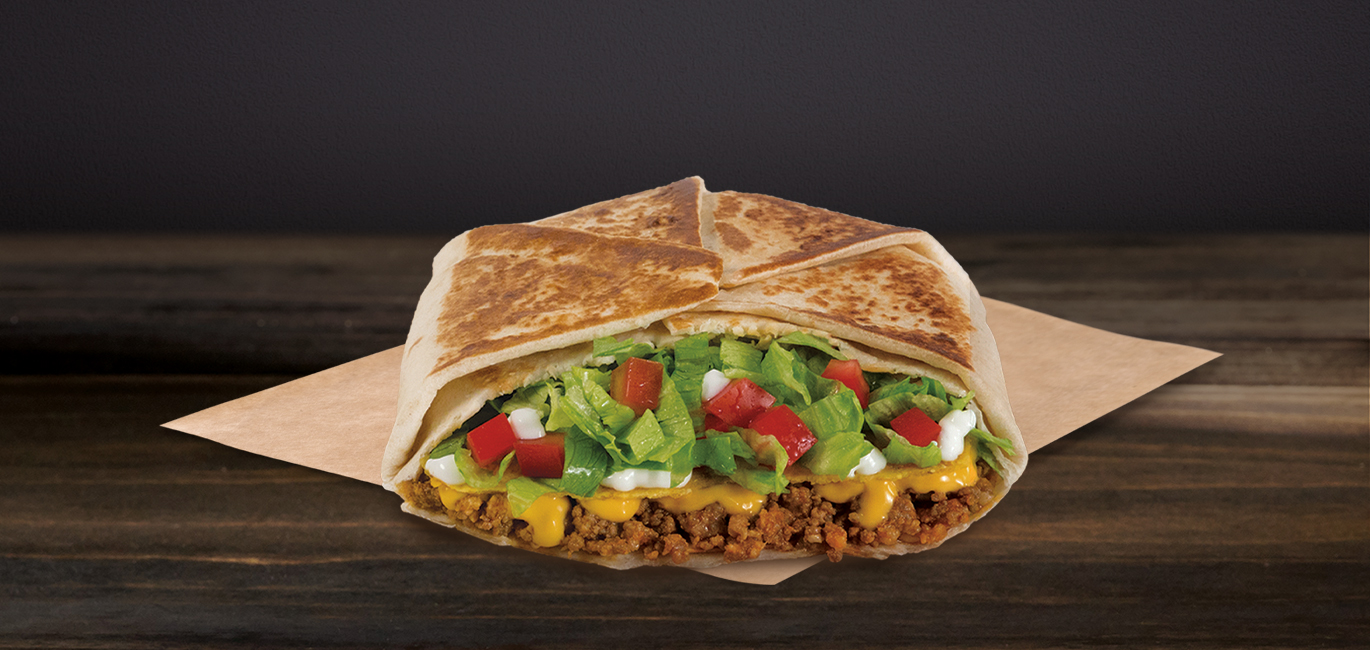
Above the crisp tostada shell crunch sits the cold zone. Assembly lines apply a dollop of reduced-fat sour cream, followed by shredded iceberg lettuce and diced Roma tomatoes. The cook then gathers the edges of the tortilla, creating six tight pleats that leave a small circular gap in the center. At corporate training stations, line cooks are taught to cover this gap with a miniature flour tortilla circle before grilling, guaranteeing zero leaks. The finished parcel weighs around 9.3 ounces and delivers an unmistakable sequence of textures: warm and chewy, smooth and molten, sharp and crunchy, followed by cold and crisp.
Two Decades of Menu Iterations and Grocery Expansions
Following its 2006 permanent menu debut, Taco Bell leveraged the platform across multiple seasonal variants and brand extensions. These iterations ranged from spicy riffs to high-calorie breakfast versions, eventually prompting major consumer packaged goods collaborations.
| Release Era | Product Variant | Core Architectural Change | Market Performance |
|---|---|---|---|
| 2005, 2006 | Original Crunchwrap Supreme | 12-inch tortilla, tostada core, beef, nacho cheese | Permanent menu status achieved in record time |
| 2014, 2016 | Breakfast Crunchwrap | Replaced tostada with fried hash brown; added eggs and bacon | Drove corporate morning traffic up by 6% nationwide |
| 2021, 2023 | Cheez-It & Vegan Prototypes | Oversized Cheez-It cracker or proprietary vegan cheese and oat beef | High viral engagement; limited regional release |
| 2024, 2026 | Cravings Kit (Retail Grocery) | Packaged tortillas, tostadas, cheese sauce, and seasoning | Sold out in major retail outlets nationwide within weeks |
The item stepped into retail supermarkets through a joint venture between Yum! Brands and Kraft Heinz in January 2024. The Taco Bell Cravings Kit grocery release bundled authentic shelf-stable nacho cheese sauce, branded seasoning packets, flour wraps, and corn tostadas into a single box. Home cooks needed to supply only their chosen protein and fresh vegetables. By bringing the proprietary components into domestic pantries, the company widened consumer familiarity with the construction process itself.
Secret Menu Customizations and Flavor Upgrades at the Register
The standard build suffers from a recognized weakness: uneven ingredient dispersion. Because the nacho cheese and sour cream are pumped onto flat surfaces, the outer perimeter occasionally tastes like plain dry flour tortilla. Mobile ordering apps and touch kiosks allow customers to correct this imbalance through targeted substitutions.
The most critical flavor upgrade involves the creamy jalapeno sauce addition. By paying an extra $0.50 to $0.75, you swap out or supplement the mild nacho cheese with the smoky, tangy sauce used on Taco Bell's chicken quesadilla. This introduces noticeable acidity that cuts cleanly through the richness of the ground beef and sour cream.
Texture enthusiasts often request the item "double grilled." Standard protocol leaves the tortilla soft on one side and lightly browned on the other. A double press creates a brittle, golden-brown crust across both faces, reinforcing structural integrity so the fold never opens midway through consumption. For spice lovers, asking the line to add pickled jalapenos beneath the tostada layer introduces a sharp burst of vinegar and capsicum heat without making the lettuce soggy.
Plant-based eaters can utilize the vegetarian black bean swap. Substituting seasoned black beans or refried pinto beans for ground beef transforms the order into a certified vegetarian item without extra charge. The natural starch in black beans absorbs the nacho cheese, creating a dense, savory foundation that holds up remarkably well against the crisp tostada core.
Replicating the Drive-Thru at Home: Seasoned Beef to Golden Sear
Making a successful at-home copycat recipe requires understanding moisture control. If your ground beef holds excessive fat or residual broth, the steam will destroy the tostada within two minutes of assembly.
Begin by browning 80/20 ground beef in a skillet. Drain off roughly 80 percent of the rendered fat before stirring in an authentic blend of smoked paprika, cumin, onion powder, garlic powder, cornstarch, salt, and water. Let the mixture simmer until the gravy tightens completely into a glaze. A wet beef slurry is the primary cause of internal sogginess.
Warm a large 12-inch flour tortilla in a dry cast-iron skillet for five seconds per side to make it pliable. Spread two tablespoons of the meat onto the center, keeping it within a five-inch circle. Layer warm cheddar or store-bought queso over the meat, then set a fried corn tostada directly on top. Lightly coat the tostada with sour cream, shredded lettuce, and diced tomatoes. If the outer flaps do not meet comfortably in the center, cut a small circle from an extra flour tortilla and lay it over the produce.
Execute the fold by pleating the outer edges inward tightly, working clockwise in six deliberate folds. Press a heavy, preheated skillet directly over the seam side down on a medium-low flame. Cook for two minutes until the pleats seal into an airtight bond, flip carefully, and brown the reverse side for sixty seconds. Slice straight across the middle to admire the dual thermal layers before serving immediately.
Frequently Asked Questions (FAQ)
Q1: Why is my Crunchwrap Supreme sometimes soggy instead of crunchy?
A1: Steam migration is the culprit. If the item sits inside a wrapped foil paper bag for longer than 8 to 10 minutes, the steam from the hot meat softens the corn tostada. Ordering the item double-grilled and eating it immediately prevents moisture buildup.
Q2: Is the Crunchwrap Supreme certified gluten-free?
A2: No. The outer boundary is an oversized wheat flour tortilla, and cross-contact risks are present throughout commercial Taco Bell kitchen stations. While the inner tostada is made from corn, the overall item is unsuitable for those with celiac disease or severe wheat allergies.
Q3: How many calories are in a standard Crunchwrap Supreme?
A3: A standard beef Crunchwrap Supreme contains 540 calories, 21 grams of fat, 71 grams of carbohydrates, and 16 grams of protein. You can reduce the caloric density to roughly 470 calories by ordering it "Fresco style," which replaces the cheese sauce and sour cream with freshly diced tomatoes.
Q4: Can you get a Crunchwrap made with Doritos Locos shell pieces?
A4: Many locations will honor a request to substitute a broken Doritos Locos hard taco shell for the flat tostada. Availability depends on the franchise and kitchen manager, as the flat tostada remains standard equipment on the assembly line.
The Structural Legacy of a Fast-Food Masterpiece
The Crunchwrap Supreme achieved rare longevity because it solved a genuine engineering puzzle rather than relying on novelty. By balancing hot savory fillings against cool vegetables through a rigid corn barrier, Lois Carson created a format that stands alongside the double-decker burger and the breakfast biscuit sandwich as foundational American quick-service staples.
Menu trends fluctuate, and promotional gimmicks vanish from board menus within six-week windows. Yet the Crunchwrap continues to anchor Taco Bell's afternoon and late-night trade. Armed with kiosk modifications like the creamy jalapeno upgrade, double grilling, and bean conversions, diners can customize the iconic hexagon to extract maximum crunch, heat, and value from every single visit.
