The Evolution of Doctor Johnny Sins: How an Adult Star Became the Internet's Favorite Folk Hero
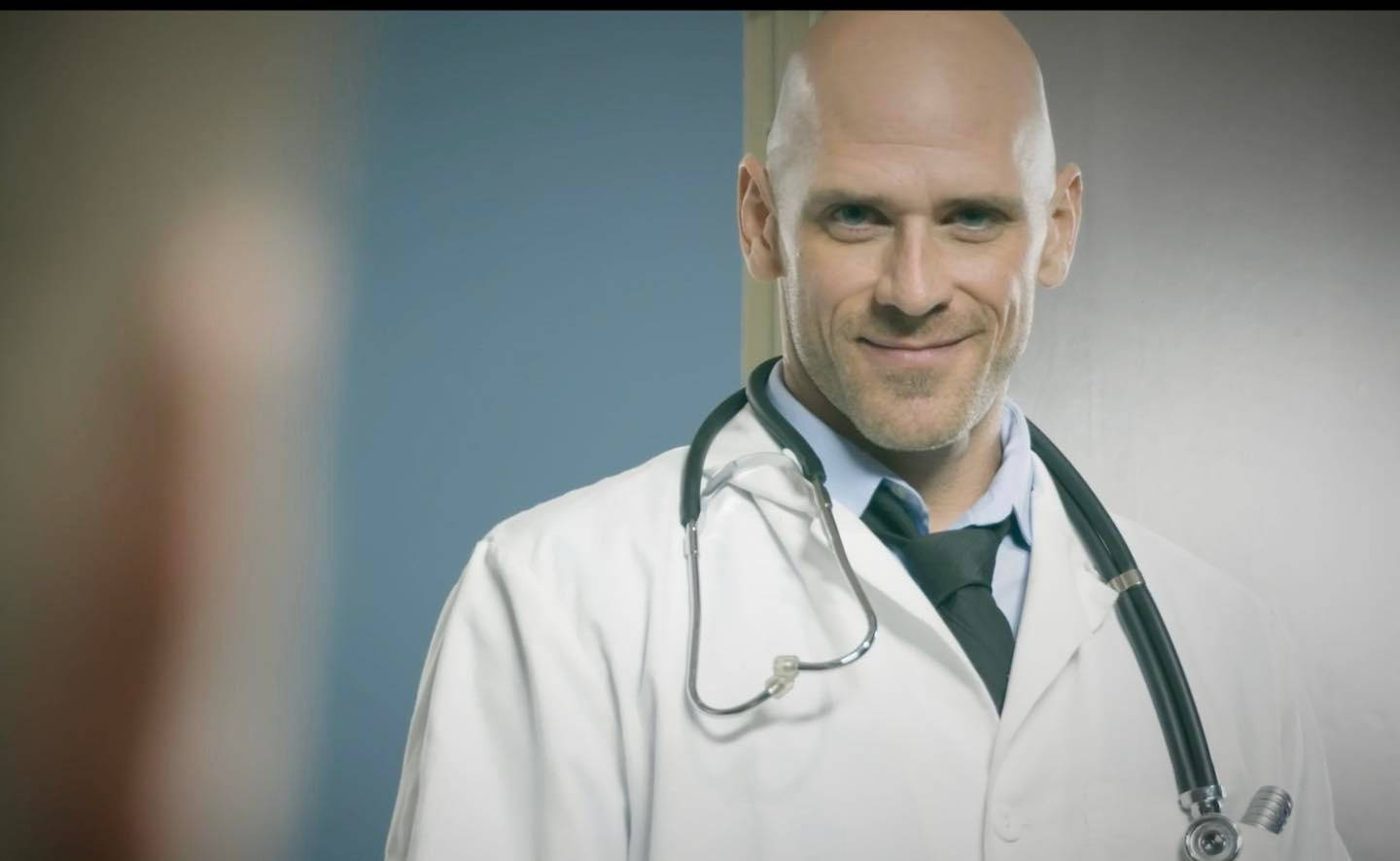
In September 2020, university athletic officials in Mississippi faced an unexpected public relations disaster. Ahead of a college football season overshadowed by a global health emergency, the University of Mississippi printed thousands of commemorative souvenir cups intended to honor frontline medical staff. Instead of highlighting local hospital workers, the graphics department mistakenly grabbed a viral stock photo of adult film performer Johnny Sins clad in hospital scrubs and a stethoscope. As documented by an Audacy Report at the time, the stadium souvenir cup incident went viral within hours, leaving administrators scrambling to explain how an adult video actor ended up immortalized on official university merchandise.
The episode was neither the first nor the last time the character entered mainstream public discourse. Over the past decade, Sins, born Steven Wolfe, has transformed into an improbable internet folk hero. His bald head, intense gaze, and recurring wardrobe of professional uniforms turned him into an omnipresent gag: the astronaut, the plumber, the teacher, and above all, the doctor.
📌 Key Takeaways:
- The Origin: Low-budget studio wardrobe choices unintentionally mirrored generic stock photography, sparking the earliest iterations of the multi-career meme around 2015.
- The Real-World Blunder: The September 2020 Ole Miss stadium cups blunder exposed massive blind spots in corporate image sourcing, validating the meme's penetration into offline institutions.
- Information Hazards: Satirical memes frequently cross the line into genuine public confusion, duping political commentators, anti-vaccine authors, and automated content scrapers.
From Low-Budget Tropes to Digital Folklore
Adult production companies like Brazzers relied for years on occupational roleplay to set up basic narrative premises. Performers had to cycle through half a dozen costumes a week: fire helmets, police badges, toolbelts, lab coats. Sins happened to feature prominently across hundreds of these scenes. His clean-shaven head, athletic build, and deadpan delivery made him instantly recognizable regardless of the uniform he wore.
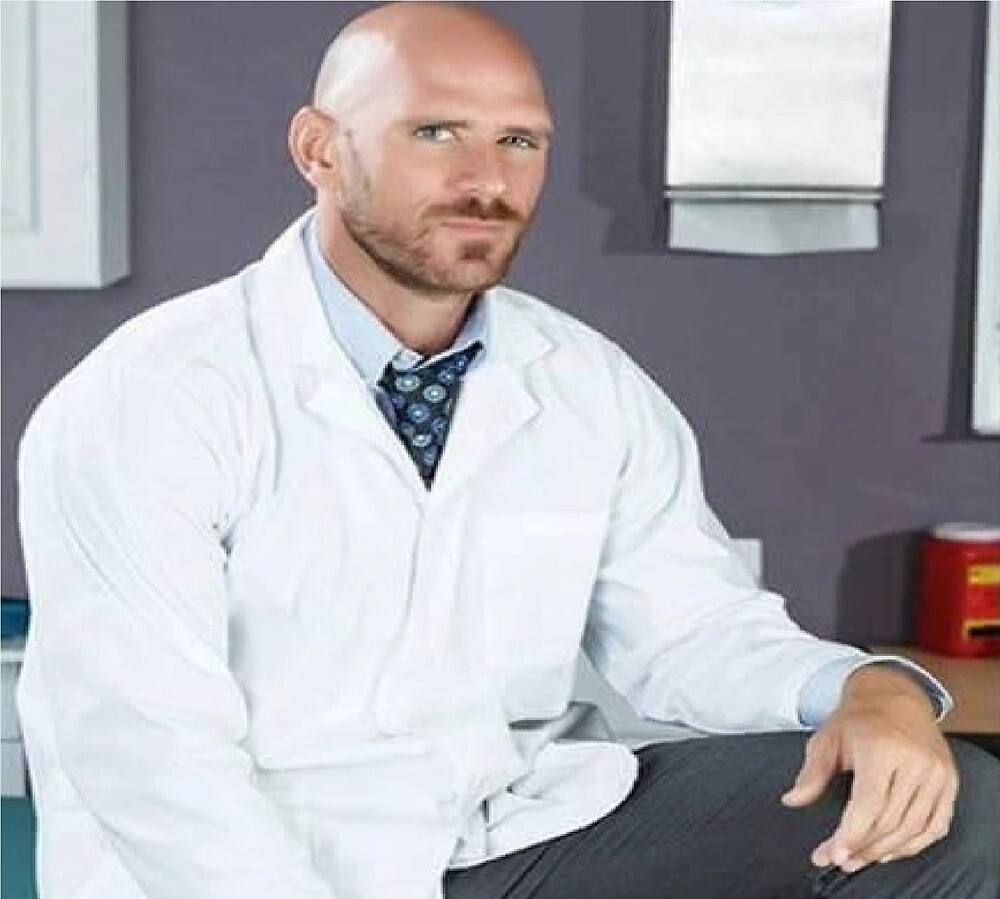
By 2014, users across Reddit, 4chan, and Twitter began isolating still frames from these scenes. When stripped of explicit context, a high-definition photograph of Sins holding a clipboard looked nearly indistinguishable from an authentic Getty Images stock photo. Users started captioning these images with melodramatic tributes: "This is Dr. Steven, he performed 18 hours of open-heart surgery to save my father."
The joke worked precisely because it depended on shared, unstated knowledge. If you recognized the man, you were part of the in-group; if you didn't, you saw a dedicated professional saving lives. What began as an adult industry crossover meme quickly mutated into a widespread template for social media identity pranks.
The Ole Miss Stadium Cups Blunder
The boundary between online irony and institutional reality evaporated on September 11, 2020. Facing the return of Southeastern Conference football during peak pandemic restrictions, Ole Miss Athletics rolled out a promotional stadium cup intended as a healthcare worker tribute mix-up. The plastic cup displayed the phrase "Heroes Work Here," accompanied by a grid of medical personnel.
Right among the genuine portraits of regional doctors and nurses sat a prominent image of Sins in blue scrubs, smiling politely with a stethoscope slung over his shoulders.
Student workers or design interns tasked with building the collage had apparently run a quick web image search for terms like "doctor scrubs hero," grabbed a high-resolution search result, and dropped it directly onto the print proof. Nobody on the approval chain caught the mistake until boxes of the cups were unloaded at Vaught-Hemingway Stadium. Social media users noticed within minutes of gates opening. The athletic department was forced to pull the cups from concession stands, but thousands had already escaped into the wild, instantly becoming sought-after collector items on secondary markets.
Viral Medical Hoaxes and the Credulity Trap
The stadium souvenir cup incident proved that image verification protocols at mid-sized institutions were dangerously frail. It also highlighted how easily bad actors could manipulate public trust using the exact same visual asset.
In March 2021, an American anti-vaccine author fell squarely into a fake doctor quote controversy. Social media trolls created a graphic featuring Sins wearing a lab coat alongside a completely fabricated quote warning the public against the safety of COVID-19 mRNA vaccines. The quote was credited to a fictitious "Dr. Jonathan Sins, Chief Medical Officer." The author retweeted the image to tens of thousands of followers, citing it as proof of medical establishment defectors, before public mockery forced a rapid deletion.
The same graphic appeared in multiple languages across international borders:
- In India, WhatsApp forwarding chains circulated his image as an Ayurvedic practitioner who had supposedly cured advanced diabetes through herbal remedies.
- In Brazil, hyper-partisan Facebook groups shared his portrait claiming he was a defecting doctor exposing hospital corruption in Brasília.
- In the United Kingdom, satirical accounts submitted his photo to evening news broadcasts for televised "shout-outs" honoring key workers during lockdown, prompting automated broadcast systems to put his face on screen before producers could intervene.
These recurring hoaxes demonstrated how visual signifiers, a lab coat, clean lighting, a calm expression, carry an implicit authority that bypasses critical thinking. The meme exposed the vulnerability of reverse image search tools and human editorial oversight alike.
The Evolution of Doctor Johnny Sins Across Pop Culture
The trajectory of the persona mirrors the broader changes in meme mechanics between 2015 and 2026. The gag evolved from an obscure adult-board running joke into a versatile vehicle for satire, video edits, and institutional parodies.
| Time Period | Dominant Narrative Format | Primary Platform | Real-World Manifestation |
|---|---|---|---|
| 2015, 2017 | "Jack of all trades" image macros | Reddit, 4chan, 9GAG | Confining jokes inside niche message boards |
| 2018, 2020 | Fake hero tribute posts & identity pranks | Twitter / X, Facebook, WhatsApp | Ole Miss stadium cup print error; news ticker pranks |
| 2021, 2023 | Video edits, Avengers parodies & anti-misinformation baits | YouTube, TikTok, Instagram Reels | Public figures falling for satirical vaccine quotes |
| 2024, 2026 | Self-referential mainstream branding & creator economy | YouTube, Twitch, Cameo, Podcast appearances | Commercial sponsorships and self-aware parody cameos |
Instead of sending cease-and-desist letters or running away from the joke, Wolfe actively leaned into it. He launched a YouTube channel, built a social media presence, and regularly appeared on podcasts acknowledging his status as an absurd internet archetype. When fans ordered Cameo videos asking him to recite faux medical diagnoses or offer motivational speeches as a decorated astronaut, he delivered the lines in full deadpan sincerity. This lean-in strategy transformed an embarrassing identity leak into a lucrative personal brand.
The Anatomy of an Internet Folk Hero
Why did Sins become the definitive archetype, when thousands of other adult actors have donned the exact same lab coats?
The answer lies in visual ambiguity. Many adult performers have heavy tattooing, specialized aesthetics, or distinct physical mannerisms that immediately signal alternative subcultures. Wolfe, by contrast, looks like an everyday character actor. He looks like someone who could pitch you car insurance, walk into an operating theater, or fix your water heater. He is the ultimate everyman slate upon which any job title can be stamped.
In online lore, his persona functions as a modern trickster figure. The humor does not derive from cruelty toward the actor; it stems from testing the guardrails of polite, corporate society. When an official news station or a collegiate athletic department accidentally honors him, the public laughs at the institution's incompetence, not the man himself. He acts as an accidental stress test for institutional vetting procedures.
Frequently Asked Questions (FAQ)
Q1: Did Ole Miss ever address the Johnny Sins cup incident officially?
A1: Athletic department officials quietly recalled the remaining stock from concession stands inside Vaught-Hemingway Stadium before kickoff. While they avoided issuing a high-profile press release to minimize further embarrassment, spokespeople confirmed internally that the incident was caused by an unverified graphic pull by an outside design contractor.
Q2: Why do people consistently fall for the "Doctor Johnny Sins" meme?
A2: Most internet users spend less than two seconds evaluating an image before sharing or reacting. High-definition images of Wolfe wearing authentic medical attire trigger immediate heuristics of credibility: professional lighting, clean white scrubs, and medical props like stethoscopes. Without prior knowledge of his adult film background, individuals assume the photograph depicts a legitimate physician.
Q3: How has Johnny Sins responded to his medical persona memes?
A3: Wolfe has embraced the persona entirely. Over the past several years, he has incorporated the joke into his YouTube content, merchandise, and paid personalized video greetings, frequently thanking the internet community for giving his career an extended second act as a pop culture fixture.
What the Gag Reveals About Media Literacy in 2026
The legacy of the Johnny Sins medical persona is ultimately a case study in how visual information circulates in the modern era. When a photo of an adult actor can seamlessly infiltrate college merchandise and deceive published authors, the breakdown is not technological, it is procedural.
Editorial teams, social media managers, and graphic designers frequently rely on speed over scrutiny. Image scrapers aggregate photos without metadata, search engines elevate high-resolution joke templates over genuine medical faculty directories, and casual observers accept costumes as credentials.
Doctor Johnny Sins remains the web's most durable cautionary tale. Every time his face resurfaces on a local council slide deck or an earnest Facebook tribute, it reminds audiences that on the internet, a stethoscope does not make a physician, and appearances are only as reliable as the reverse image search behind them.
