The Evolution of RIPNDIP Care Tags: From Skater Jokes to Viral Outrage
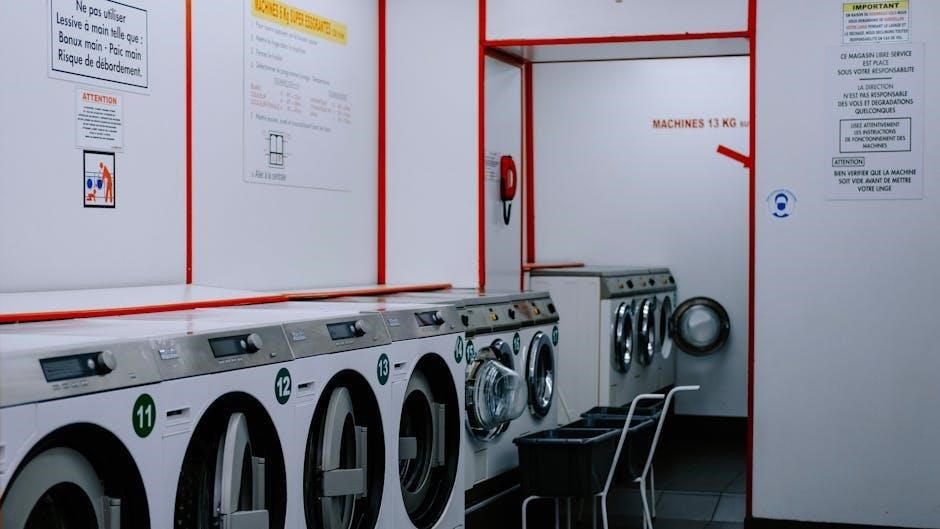
When streetwear enthusiasts inspect the inner seam of an older RIPNDIP hoodie, they often notice more than standard washing symbols. Hidden beneath the fabric contents sits an artifact of early 2010s skate humor: "GIVE IT TO YOUR MOM, SHE KNOWS HOW TO DO IT." For years, this one-liner slipped by as harmless boundary-pushing inside skate parks. That changed when a December 2021 social media wave ignited national coverage, as documented in a Newsweek Report tracking how viral videos called out apparel brands for perpetuating retro domestic stereotypes.
The resulting conversation exposed a cultural fault line between unapologetic, DIY skate branding and modern consumer expectations. Behind the controversy lies a very real, practical question that tens of thousands of buyers ask every month: how do you actually wash these heavyweight cotton garments without ruining the graphics?
📌 Key Takeaways:
- The Controversy: Viral clips exposed retro "give it to your mom" laundry tags, triggering accusations of casual misogyny against streetwear brands that relied on edgy 2010s tropes.
- The Brand Response: Major skate labels, including RIPNDIP, shifted their retail labeling toward neutral, universal fabric care symbols as distribution widened to mass retailers like Zumiez.
- The Practical Reality: Preserving heavy cotton fleece and plastisol graphics requires a strict cold-water, inside-out wash routine paired exclusively with air-drying.
From Garage Screen Printing to Fairfax Avenue Irreverence
RIPNDIP emerged in 2009 out of Orlando, Florida, when founder Ryan O'Connor began screen-printing skateboards and clothing in his garage. The label relocated to Los Angeles, planting its flag directly on Fairfax Avenue alongside Supreme and The Hundreds. The entire aesthetic was built on thumbing its nose at polite society. Central to that identity was Lord Nermal, an otherwise innocent-looking white cat flashing double middle fingers from inside chest pockets.
Care labels became an extension of the joke. Independent skate apparel companies routinely hid easter eggs on interior tags. They printed quips like "Don't feed after midnight," "Wash when dirty," or "Give it to your mom." For a niche, male-dominated skate demographic in 2012, this was regarded as standard counterculture irony. The apparel was designed to feel illicit, rebellious, and untamed by corporate oversight.
As the label scaled from regional skate shops into a global business generating millions in retail revenue, its demographic shifted dramatically. Teenagers, women, and mainstream streetwear collectors began buying the heavyweight hoodies. The joke remained sewn into the side hem, quiet and largely unexamined, until platform algorithms put it under a magnifying glass.
The Viral Care Tag Backlash and Changing Consumer Standards
The reckoning arrived when TikTok creators started examining their garments under macro lenses. Short clips highlighting the phrase "Give it to your mom / She knows how to do it" racked up millions of impressions within 48 hours. Comment sections divided instantly. Critics pointed out that saddling mothers with household chores was not witty satire; it was tired 1950s domestic shorthand stitched into $90 sweatshirts.
Skate traditionalists pushed back, dismissing the outcry as manufactured indignation from outsiders who did not understand tongue-in-cheek skate history. The clash highlighted how radically the audience for graphic streetwear had expanded. Retailers operating at scale could no longer rely on localized subcultural immunity.
The care label controversy forced manufacturers across the apparel space to rethink their interior branding. Retail partners stocking RIPNDIP, including mall mainstays, preferred clean, legally standard compliance tags to avoid consumer complaints. Over successive production runs, brands gradually phased out the controversial punchlines in favor of standardized wash icons, focusing consumer attention back on garment longevity rather than social media debates.
Timeline of Streetwear Care Tags and Public Backlash
The evolution of interior streetwear labeling mirrors the trajectory of skate apparel moving from underground garages into institutional retail racks.
| Era | Tag Phrasing & Style | Market Context & Reaction |
|---|---|---|
| 2009, 2014 | "Give it to your mom" and joke maintenance lines. | Niche skate shop circulation; zero public blowback; celebrated as rebel humor. |
| 2015, 2020 | Dual labeling: technical instructions combined with brand slogans. | Rapid retail expansion via Zumiez and global flagships; customer base broadens. |
| 2021, 2023 | Tag controversy erupts on TikTok; national outlets report on domestic stereotyping. | Intense online pushback; brands quietly retire domestic jokes in newer production batches. |
| 2024, 2026 | Standardized ISO care symbols; fabric composition; country-of-origin tags. | Modern technical transparency; secondary resale market prizes vintage tags as historical novelties. |
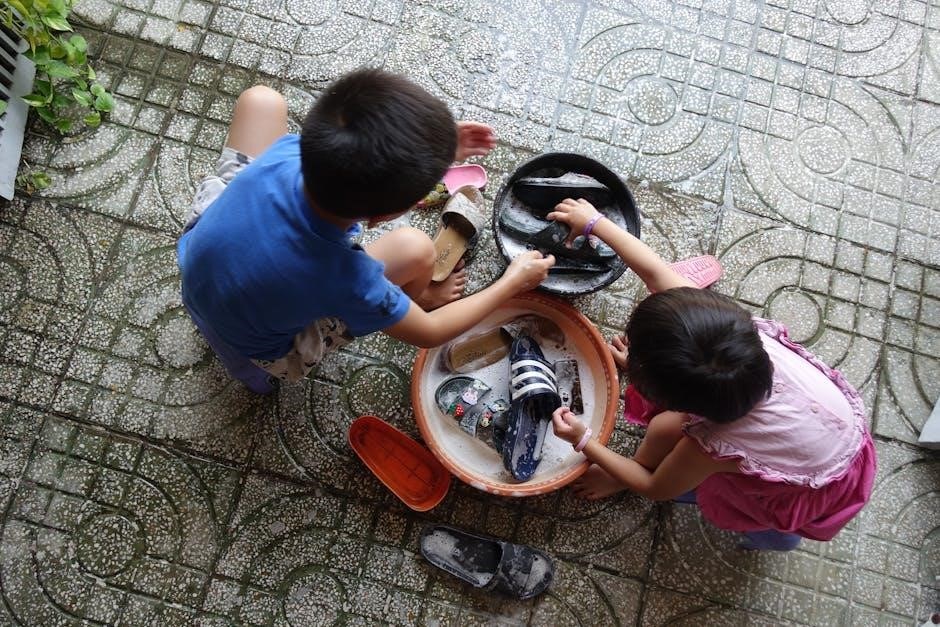
Fabric Shrinkage Prevention and Cotton Fleece Care
Beyond the social commentary, the technical reality of RIPNDIP hoodie care comes down to material science. Most brand hoodies use a heavy 100% cotton fleece or an 80/20 cotton-poly blend weighing between 350 and 450 grams per square meter. Untreated natural cotton fibers absorb moisture rapidly, swell during agitation, and contract sharply when introduced to heat.
Washing these garments in hot water causes irreversible fiber tightening. A standard men's large can lose up to two full inches in torso length after a single aggressive wash-and-dry cycle. To keep the silhouette boxy and relaxed, always select a gentle cold wash cycle with water temperatures at or below 30°C (86°F).
Detergent selection matters just as much as temperature. Aggressive biological detergents packed with optical brighteners can degrade custom dye washes, turning deep mineral blacks and vibrant pastels into muted, chalky fabrics. A mild liquid detergent without fabric softeners preserves the natural loft of the fleece without leaving chemical residues that stiffen the interior lining.
Preserving the Lord Nermal Graphic: A Streetwear Laundry Guide
The real danger point of laundering RIPNDIP gear is screen print preservation. Large-format graphics featuring Lord Nermal are typically applied using plastisol ink or direct-to-garment (DTG) printing. Plastisol is essentially a liquid PVC suspension that sits atop the fabric fibers. Heat and mechanical friction are its greatest enemies.
Follow these steps every laundry day:
1. Always turn the garment inside out. This is non-negotiable for screen print preservation. Inside out washing ensures the print rubs against soft inner fleece rather than the rough metal drum of the washing machine or zippers from other garments.
2. Load with similar weights. Never wash a heavy fleece hoodie alongside raw denim or heavy-duty work jackets. Metal buttons and heavy zips will abrade the print surface, causing tiny micro-fissures that turn into flaking within three washes.
3. Skip the tumble dryer entirely. The care tag might technically state "tumble dry low settings," but machine drying is the primary culprit behind cracked prints. Tumble heat causes the underlying cotton to shrink while the plastisol ink layer remains rigid. That structural difference pulls the print apart, creating visible cracks. Hang dry streetwear on a sturdy, rounded wooden hanger or lay it flat on a drying rack away from direct sunlight.
4. Ironing precautions. If your fleece wrinkles, never touch an iron directly to the print. High heat will instantly melt the plastisol ink onto the soleplate. Iron the garment inside out on low heat, or place a damp cotton pressing cloth over the graphic.
Frequently Asked Questions (FAQ)
Q1: Why did vintage RIPNDIP tags say "Give it to your mom"?
A1: It was an irreverent joke common among indie skate brands in the late 2000s and early 2010s, intended to mimic slacker counterculture rather than function as formal apparel instructions.
Q2: Will a RIPNDIP hoodie shrink in the dryer?
A2: Yes. Heavy cotton fleece shrinks considerably when subjected to dry heat. Even using tumble dry low settings can shrink the torso and sleeves by 5% to 8% while warping the chest graphics.
Q3: How do I stop Lord Nermal prints from cracking?
A3: Always wash inside out on a cold wash cycle, use mild liquid detergent, skip fabric softeners, and let the hoodie air-dry naturally on a rack.
Streetwear Maintenance in the Post-Edgelord Era
The cycle of outrage that swept across TikTok in late 2021 signaled an unmistakable shift in streetwear culture. What passed for playful irreverence in a local skate shop failed to hold up when projected onto millions of smartphone screens. Today, the conversation around brand care tags is less about novelty punchlines and far more about garment sustainability and longevity.
High-end streetwear is treated increasingly like an investment. Collectors who hunt down archive RIPNDIP pieces look for intact graphics, vibrant colors, and original tags without cracking or fading. Laundering these pieces properly, cold water, inside out, and air dried, remains the only reliable way to ensure that the fabric, and the history stitched into it, survives.
