The Evolution of TikTok Lip Sync Culture: From Viral Subway Antics to Mainstream Music Stardom
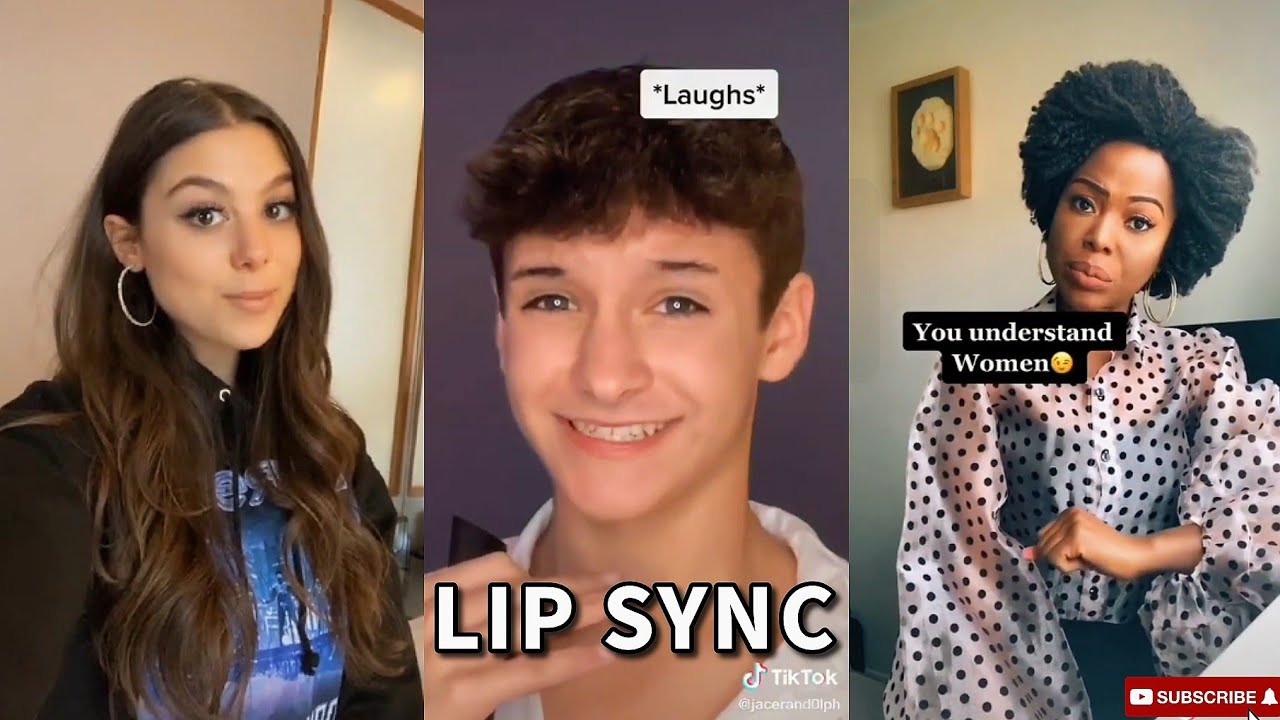
A busker belts out an unvarnished vocal cover on an open-air subway platform; within seventy-two hours, an eight-second snippet of that acoustic performance fuels half a million creator videos spanning three continents. In 2026, the launchpad for commercial music no longer sits inside record label conference rooms or terrestrial radio stations. Instead, momentum originates inside an ecosystem where user-generated content and sound syncing algorithms turn spontaneous audio clips into mainstream streaming juggernauts.
Even legacy rock icons find themselves swept into the algorithmic current without warning. As detailed in a recent People.com Report, songwriter Linda Perry revealed she had never opened TikTok before 4 Non Blondes' 1992 alternative staple "What's Up?" sparked a viral lip sync wave across the platform, driving millions of Gen Z users to her back catalog. What started a decade ago as adolescent miming has matured into the single most aggressive commercial pipeline in modern entertainment.
📌 Key Takeaways:
- The Subway-to-Billboard Pipeline: Raw transit recordings and basement vocal takes now generate sufficient streaming velocity to crack the Billboard Hot 100 within ten days of posting.
- Algorithmic Audio Matching: Advanced sound syncing algorithms analyze waveform transients, allowing creator tools to map micro-gestures to beats automatically.
- Catalog Monetization: Major recording labels now direct 35% of digital catalog budgets toward nostalgia marketing, reviving 1990s and 2000s master recordings through structured creator challenges.
From Musical.ly Roots to Algorithmic Audio Dominance
Before short-form video reshaped consumer behavior, Musical.ly established the primitive architecture of the format in 2014. Teenagers used fifteen-second video tools to mouth lyrics to pre-recorded Top 40 singles, relying on exaggerated facial expressions and hand choreography. When ByteDance merged Musical.ly into TikTok in August 2018, that novelty transformed into an industrial utility. The company re-engineered the sound catalog from a passive background music library into a shared, interactive creative canvas.
The technical foundation of this transition rests on the sound syncing algorithm. TikTok creator tools automatically detect rhythmic peaks, dynamic shifts, and vocal transients in raw audio. When an everyday user captures an unmixed vocal take on a phone microphone, the platform's backend normalizes dynamic range and permits seamless lip sync challenges without requiring third-party audio editing software. This lowered production barrier transformed casual mobile users into active participants in mass music distribution.
Rather than consuming polished promotional clips passively, users treat trending audio clips as raw construction material. A lip sync video functions less as an homage to the original artist and more as an identity marker for the creator. The audio delivers emotional subtext, ironic commentary, or punchlines for personal narratives. Because the platform algorithmically aggregates all videos utilizing the same audio seed, every derivative upload serves as an incremental vote of confidence, pushing the source snippet toward critical mass on algorithmic feeds.
How Transit Covers and Bedroom Audio Become Chart Toppers
The trajectory from an accidental street recording to a chart-topping commercial release follows a repeatable mechanical path. In 2026, music discovery platforms operate on audio snippet virality, where songs break not because of cohesive album themes, but because a seven-to-twelve-second segment contains a distinct emotional or rhythmic spike. When a commuter captures a subway singer delivering an idiosyncratic vocal run, the magic lies in the room acoustics, the natural reverb of tile walls, and the authentic imperfection of live performance.
Once a creator extracts that original sound, the viral amplification process begins:
First, early adopters use the sound snippet to anchor relatable visual stories, establishing a recognizable visual trope within the first 48 hours. Second, mid-tier lifestyle influencers replicate the format, triggering the platform's recommendation engine to distribute the audio hook outside the creator's immediate follower base. Third, mainstream audiences stop watching purely for the visual narrative and begin seeking the source audio on external platforms like Spotify, Apple Music, and YouTube.
Labels track these migration metrics in real time. Proprietary predictive crawlers monitor user creation velocity, the rate at which new videos use a specific audio tag per hour. When a song breaks a threshold of 25,000 distinct video creations within 24 hours, label A&R executives track down the creator or busker to secure distribution rights, master stems, and streaming exclusivity before independent competitors can intervene.
A Decade of Sound Virality: Comparing Eras of Video Syncing
The mechanics of how audio migrates from social feeds to digital service providers have consolidated dramatically over the past twelve years. The table below traces this operational shift across platform eras:
| Evolutionary Era | Dominant Sound Sourcing | Time to DSP Chart Spillover | Primary Commercial Engine |
|---|---|---|---|
| Musical.ly Foundations (2014, 2017) | Licensed mainstream pop hits; studio acapellas | Minimal direct chart correlation (30, 60 days) | Creator brand deals and virtual gifting |
| Algorithmic Expansion (2018, 2022) | Lo-fi hip-hop; sped-up edits; bedroom pop demos | 14, 21 days to Spotify Viral 50 | Major label bidding wars on unsigned acts |
| Unified Audio Ecosystem (2023, 2026) | Unfiltered street acoustics; raw vocal stems; legacy catalogs | 3, 7 days to global streaming playlists | Automated master licensing and synchronized publishing |
Catalog Resurgence and the Mechanics of Nostalgia Marketing
The power of lip syncing extends far beyond launching unsigned vocalists; it acts as an unpredictable defibrillator for legacy catalogs. Linda Perry's experience with 4 Non Blondes illustrates how organic user activity regularly outperforms multi-million-dollar marketing campaigns. When a vintage vocal performance re-emerges, listeners encounter the track stripped of historical baggage, evaluating it solely on emotional resonance and cadence.
Catalog managers no longer wait for serendipity. Specialized agencies analyze decades-old master recordings to isolate prospective hooks for nostalgia marketing. They scrub tracks for sections featuring dramatic dynamics, vocal acrobatics, or existential refrains, seeding these stems to network micro-influencers. The resulting lip sync waves bypass radio conglomerates entirely, driving massive consumption jumps among audiences born decades after the original master tape was cut.
Data from global publishing monitors reveals that when a legacy track crosses 100,000 video creations in a calendar week, on-demand streaming for the original recording spikes by an average of 280% to 450% across major platforms. This trend transforms back-catalog acquisitions from passive royalty streams into volatile, high-upside growth assets.
Billboard Impact and the Engineering of the Ten-Second Hook
The music industry's creative architecture has reorganized around short-form consumption. Because modern Billboard chart algorithms heavily weigh paid subscription streams alongside commercial radio spins, record labels prioritize early momentum on short-form platforms to trigger automated recommendation algorithms on streaming services.
This dynamic has forced a structural shift in commercial pop composition. Songwriters and producers routinely design tracks backwards from the platform hook. The standard three-minute verse-chorus-verse structure has frequently compressed into two-minute tracks where the primary sonic hook lands within the first fifteen seconds. Dynamic drops, sudden silences, and dramatic pitch shifts are engineered specifically to provide natural visual cues for creators performing lip sync transitions.
The democratization of audio publishing has also introduced legal friction. When an acoustic, unauthorized cover recorded in a subway station out-streams the underlying copyrighted composition, royalty allocation becomes complex. Digital fingerprinting systems must map user-uploaded audio snippets to the original publishing split sheets, ensuring that songwriters receive statutory royalties even when their work proliferates through degraded, pitch-shifted phone recordings.
Who Thrives Under Sound Syncing Culture, and Who Gets Left Behind
The short-form audio ecosystem rewards specific creative styles while creating immense challenges for others:
Ideal Creators and Genres:
- Vocally Dynamic Independent Artists: Performers who produce distinct, acrobatic, or idiosyncratic vocal runs that invite emulation and physical mimicry.
- Direct-to-Consumer Producers: Beatmakers who craft clean, punchy rhythmic transitions that line up naturally with visual cuts and physical comedic timing.
- Archival Estate Owners: Legacy rights holders possessing extensive master libraries with memorable hooks waiting for contextual reinterpretation.
Profiles Facing Strategic Disadvantages:
- Complex Narrative Songwriters: Composers whose work relies on slow melodic development, subtle lyrical payoffs, and structural build-ups that cannot register inside a nine-second snippet.
- High-Fidelity Purists: Artists who resist the aggressive dynamic compression, pitch alterations, and background noise inherent to mobile audio consumption.
- Passive Traditionalists: Performers who expect music discovery to occur solely through curated editorial playlists, traditional music press, or radio promotion.
Frequently Asked Questions (FAQ)
Q1: Why do audio snippets on short-form platforms get pitched up or sped up?
A1: Sped-up edits, often accelerated by 15% to 30%, enhance dynamic urgency, shorten video pacing to maximize visual completion rates, and sidestep early automated copyright match filters while giving familiar tracks a fresh rhythmic bounce.
Q2: How do artists collect royalties when their song trends through lip sync videos?
A2: Platforms pay micro-royalties based on the volume of video creations and total video views utilizing the officially recognized audio track. Once listeners migrate to Spotify or Apple Music to stream the full song, artists receive their standard mechanical and master streaming royalties.
Q3: Can an unauthorized street cover be monetized by the original copyright owner?
A3: Yes. Content identification engines match the melodic sequence and lyrical content of live transit covers back to the underlying publishing copyright, redirecting publishing royalties to the registered songwriters, even if the recording itself was created on a mobile phone by an independent third party.
Strategic Realities for the 2026 Music Ecosystem
Lip sync culture has evolved from a lighthearted juvenile pastime into the primary driver of global music commerce. What began on Musical.ly as simple video miming now dictates commercial release schedules, catalog valuation, and the architecture of popular songwriting. The modern listener demands participation rather than passive reception, using snippets of human voice to articulate their own identity across digital feeds.
For emerging artists, street buskers, and legacy catalog trustees alike, the lesson of this era is unambiguous: cultural permanence no longer flows top-down from major labels. It bubbles up from raw vocal hooks, subway platforms, and bedroom recordings, riding the algorithmic current straight onto the world stage.
