The Golden Eras of Dance Cinema: From Classic Musicals to Street Battles

Cinematic dance has always operated as a barometer for cultural tension. When the world fractures or shifts under economic pressure, bodies on screen push back, turning rhythm into rebellion, discipline into drama, and spectacle into emotional truth. Long before algorithmic feeds made dance choreography ubiquitous across vertical video platforms, theatrical cinema used physical movement to tell stories that spoken dialogue could never articulate. From mid-century studio sets to asphalt parking lots, popular dance films have evolved from escapist theater into raw cultural commentary.
Aggregated viewer metrics reflect this lasting fascination. According to historical user data compiled in the kinopoisk Report on international dance cinema, films centered on choreographed movement maintain remarkably high lifetime retention rates across generations. Audiences do not just revisit these films for their narratives; they return for the kinesthetic thrill of human bodies defying physical limits. Tracing this arc exposes how shifting camera technology, changing musical tastes, and socio-economic realities transformed dance from elite soundstage glamour into high-stakes underground competition.
📌 Key Takeaways:
- Aesthetic Shift: Cinematography moved from static, wide-angle tracking shots showcasing full-body technique to visceral, handheld multi-camera coverage embedded directly inside dance crews.
- Cultural Engine: The genre shifted away from studio-sanctioned ballroom and theatrical routines toward working-class subcultures, hip hop battles, and psychological character studies.
- Financial Resilience: Dance films routinely generate outsized box-office returns relative to modest production budgets, heavily amplified by multi-platinum movie soundtracks.
The Studio Era: Fluidity, Control, and the Unbroken Wide Shot
The foundation of popular dance movies rests on the exacting standards of classic Hollywood musicals during the 1930s through the 1950s. Directors like Vincente Minnelli and choreographers like Gene Kelly insisted on staging numbers in long, unbroken takes. Fred Astaire famously demanded that the camera frame the dancer head-to-toe throughout the performance, refusing cutaways that obscured footwork or faked agility through editing room sleight of hand.
This approach treated dance as pure physical architecture. In productions such as Singin' in the Rain (1952) and The Band Wagon (1953), movement dictated camera movement. Cranes swooped across colossal soundstages, but the dancer remained the central stabilizing force. The aesthetic was seamless, aristocratic, and joyful, masking the brutal physical toll required to hit every syncopated beat on wooden floorboards under sweltering studio lights.
The 1980s Counterculture: Neon, Rebellion, and Iconic Soundtracks
By the 1980s, the polished veneer of mid-century productions dissolved into sweat, neon, and blue-collar angst. Dance ceased to be an aristocratic pursuit and became an escape hatch for disenfranchised youth. Emile Ardolino's Dirty Dancing (1987) captured this transition perfectly, pitting stuffy resort etiquette against the illicit, hip-grinding mambo practiced behind closed cabin doors.
The film grossed over $214 million worldwide against a modest $5 million production budget, driven in large part by its chart-topping, multi-platinum musical selections. Across the decade, titles like Flashdance (1983) and Footloose (1984) severed ties with theatrical stage traditions. Movement became rougher and sweat-drenched, heavily integrated with pop radio hits and MTV-style quick cuts. These films proved that audiences responded voraciously to dance as a vehicle for class mobility, sexual awakening, and defiance against social conformity.
Decades of Movement: Technical Evolution Across Dance Cinema
The technical handling of dance choreography has shifted across eras alongside changes in film stock, stabilization rigs, and editing philosophy. The following breakdown tracks how major movements reshaped the genre's technical and thematic hallmarks.
| Era & Dominant Style | Flagship Titles | Technical & Cinematographic Focus | Core Narrative Tension |
|---|---|---|---|
| 1930s, 1950s: Classic Hollywood Musicals | Top Hat, Singin' in the Rain | Unbroken wide shots, master takes, precise proscenium tracking | Romantic courtship and theatrical triumph |
| 1980s, 1990s: Pop Rebellion & Ballroom | Dirty Dancing, Strictly Ballroom | Close-up tactile framing, rapid rhythm cuts, pop-scored montages | Class divides and institutional resistance |
| 2000s, 2010s: Urban Battles & Street Crews | Step Up, You Got Served | Handheld multi-camera rigs, ground-level sweeps, Steadicam combat framing | Territory, peer respect, and economic survival |
| 2010s, 2020s: Psychological & High-Art Drama | Black Swan, Climax | 360-degree roving lenses, disorienting handhelds, VFX body horror | Perfectionism, psychological collapse, physical sacrifice |
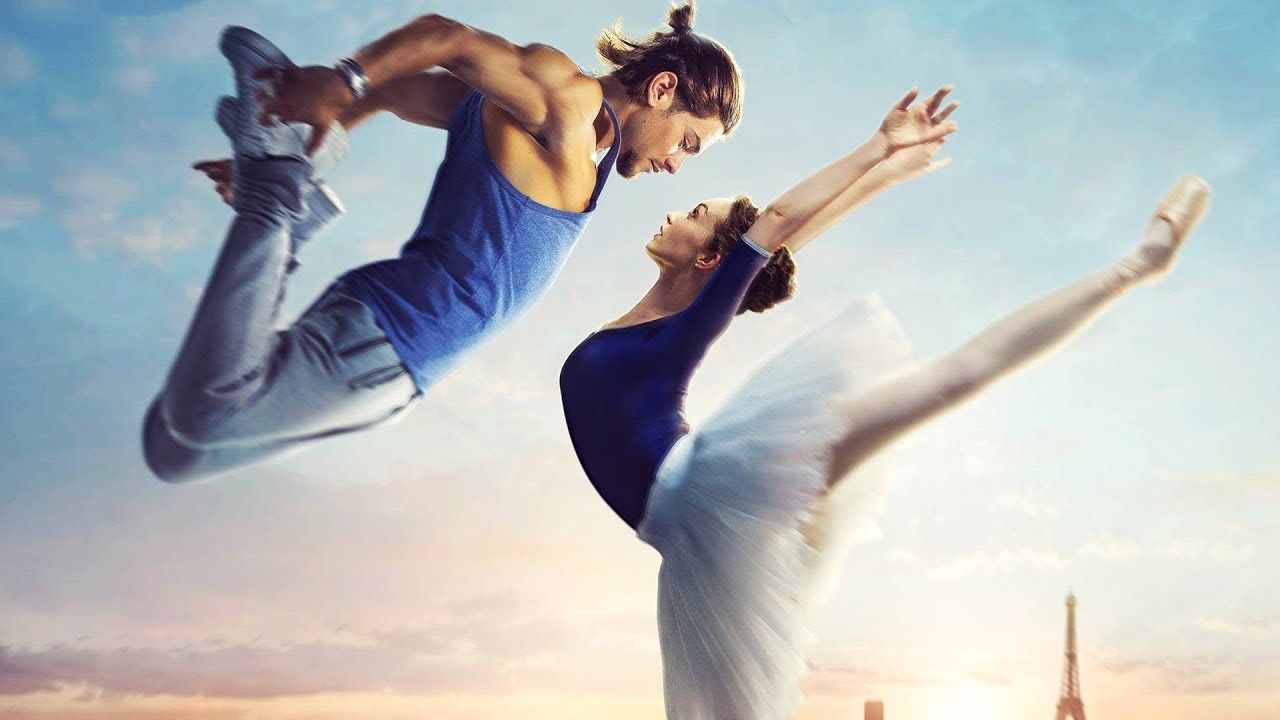
The 2000s Boom: Hip Hop Choreography and Street Dance Battles
The early 2000s bypassed traditional conservatories to spotlight underground dance culture. Releases like You Got Served (2004) and the sprawling Step Up franchise launched hip hop choreography into mainstream box-office gold. The opening installment of Step Up (2006) turned a production budget of $12 million into more than $114 million in worldwide ticket sales, establishing an operational blueprint that spawned four sequels and a digital series.
These films replaced romantic partner dances with crew battles, popping, locking, breaking, and krumping. Cinematographers adapted by throwing their cameras into the center of dance circles. Gone were the high-angle, detached studio perspectives; lenses dropped down to ankle height to catch power moves, footwork flares, and aerial flips. The friction between classical ballet training and street battle improvisation served as the central engine for these films, mirroring real-world shifts where commercial street dancers began claiming space on global stages.
The Dark Mirror: Ballet Dramas and the Cost of Physical Obsession
While street cinema celebrated collective crew identity, ballet drama films turned inward, dissecting the psychological toll of elite performance. Darren Aronofsky's Black Swan (2010) stands among the highest-rated dance cinema ever produced, grossing roughly $329 million globally while securing five Academy Award nominations.
Aronofsky discarded the celebratory tones common to the genre. He framed the preparation for Tchaikovsky's Swan Lake as a descent into paranoia, capturing torn toenails, fractured metatarsals, and mental degradation. Benjamin Millepied's award-winning dance choreography combined classical precision with nervous, twitching physicality. By filming the dancers with intimate handheld 16mm cameras, the production forced the audience into direct physical proximity with the agony behind the poise. Dance was no longer just an expressive art form; it was presented as an unforgiving, ritualistic meat grinder.
Competitive Ballroom and the Global Crossover
Outside of North American street battles and European ballet traditions, competitive ballroom dancing carved its own cinematic niche. Baz Luhrmann's Strictly Ballroom (1992) laid the groundwork by treating Australian regional competitions with theatrical satire and genuine reverence, highlighting the tension between dogmatic panel judging and individual artistic expression.
This dynamic crossed borders with international releases like Japan's Shall We Dance? (1996), which earned critical praise and inspired a major American remake. Ballroom cinema operates on rigid geometric rules: frame posture, foot placement, and partner synchrony. When protagonists intentionally break posture to execute prohibited steps, the moment delivers the same emotional jolt as an aggressive breakdance freeze. The rules are different, but the fundamental cinematic grammar remains identical.
Frequently Asked Questions (FAQ)
Q1: Why did the camera technique in dance movies change from wide shots to rapid cuts?
Classic Hollywood relied on performers who trained for decades in theatrical staging, allowing cameras to hold static wide angles without breaking continuity. As editing styles accelerated in the 1980s, directors began using close-ups and fast cuts to generate kinetic energy, sometimes using edits to mask the limitations of actors who were not professional dancers.
Q2: What makes the Step Up franchise commercially resilient?
The franchise leaned heavily on casting authentic, elite street dancers rather than standard dramatic actors learning basic steps. By maintaining lean production budgets, targeting universal visual storytelling over complex dialogue, and packaging releases with contemporary urban soundtracks, the series generated high returns across international markets.
Q3: Which dance films hold the highest critical standing among cinephiles?
Titles like The Red Shoes (1948), Singin' in the Rain (1952), Cabaret (1972), All That Jazz (1979), and Black Swan (2010) consistently occupy the top tier of international critical ratings. These films treat dance not simply as entertainment, but as an existential manifestation of the characters' psychological realities.
The Evolution of Dance in the Streaming Era
The medium continues to transform as streaming platforms invest in international productions, ranging from South Korean B-boy documentaries to Latin American street-style dramas. The proliferation of short-form mobile choreography has altered audience expectations; viewers now recognize complex movement combinations and camera maneuvers that once appeared only on silver screens.
Directors working today increasingly prioritize authentic physical execution over digital trickery. Long, fluid takes are regaining popularity among contemporary filmmakers who want to prove that the performers inside the frame are executing genuine, unassisted physical feats. Whether captured on soundstages, competitive sprung floors, or wet city streets, dance cinema endures because it speaks a universal physical language that requires no translation.
