The Hidden Costs of GLP-1 Transformations: What the Before and After Photos Won't Show You
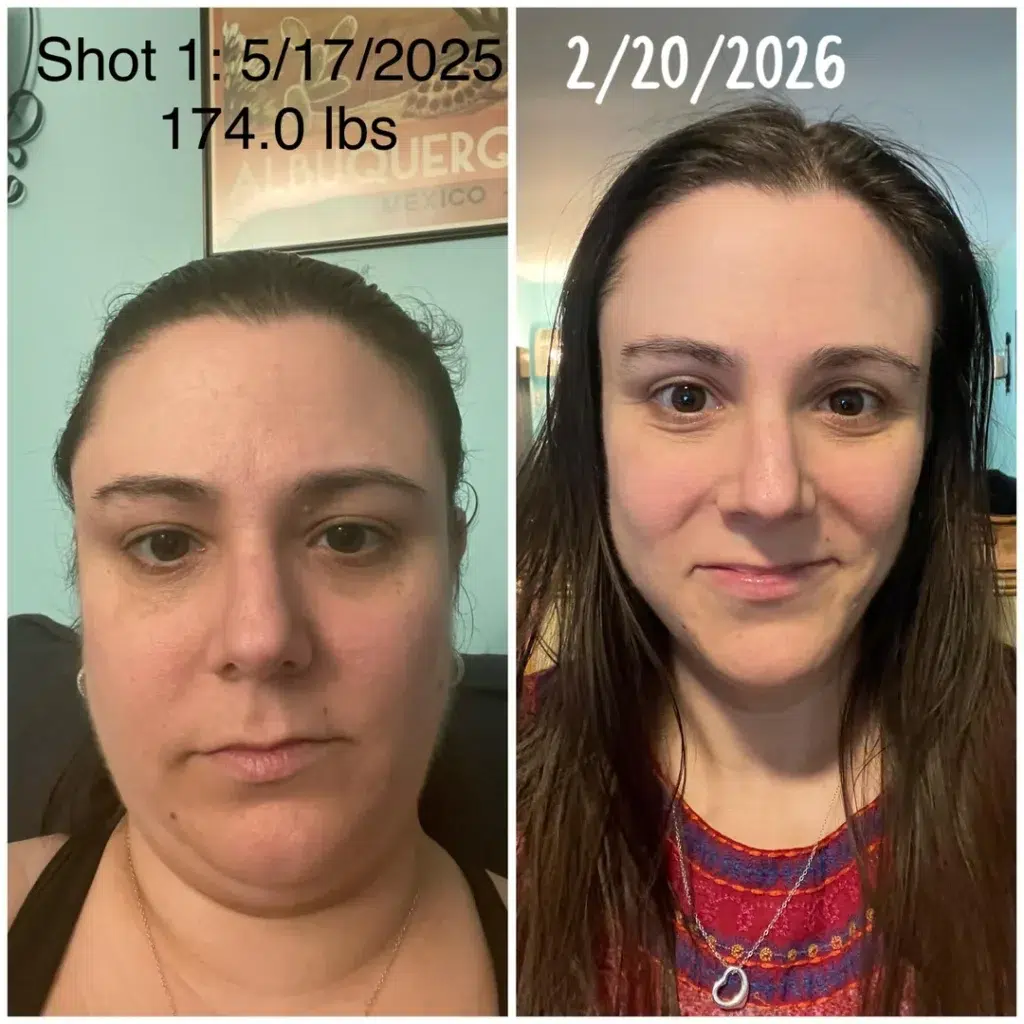
Social media feeds remain inundated with side-by-side split screens: a tailored suit hanging loosely on a frame, sunken cheeks framed as "Ozempic face," and waistlines halved over the course of nine months. Yet the tidy narrative told by the typical glp 1 before and after snapshot conceals a complex physiological recalibration. As clinical researchers examine multi-year patient cohorts, the biological reality looks less like an irreversible triumph and more like an active, ongoing negotiation between endocrine signaling, organ function, and pharmacological dependency.
Recent evaluations, including an exhaustive med.stanford.edu Report, demonstrate that while GLP-1 receptor agonists deliver unprecedented reductions in adiposity and glycemic indices, the long-term safety profile requires strict vigilance. Behind the polished imagery of sudden personal reinvention lie distinct metabolic shifts, sudden cardiovascular swings upon cessation, and severe procedural warnings that operate far outside the frame of an Instagram post.
📌 Key Takeaways:
- Lean Mass Depletion: Clinical scans indicate up to 25% to 40% of weight dropped during treatment stems from lean muscle, fundamentally lowering baseline metabolic burn.
- Cardiovascular Rebound: Abruptly discontinuing semaglutide or tirzepatide can rapidly reverse blood pressure and glycemic benefits, elevating acute stroke and heart attack risk.
- Surgical Aspiration Hazards: Delayed gastric emptying persists silently, forcing anesthesiologists to demand strict drug pauses prior to elective procedures to prevent pulmonary aspiration.
What the Scale Leaves Out: Lean Muscle Mass and Skeletal Density
The standard visual evidence of weight loss assumes all shed mass is surplus adipose tissue. Whole-body dual-energy X-ray absorptiometry (DEXA) scans tell a vastly different story. In clinical trials tracking semaglutide and tirzepatide body composition, skeletal muscle loss accounts for an unsettling proportion of total reduction, often ranging between 25% and 40% of the lost weight if patients do not perform heavy resistance training and follow aggressive protein protocols.
Sarcopenia, the accelerated loss of muscle tissue, introduces profound metabolic penalties. Muscle functions as the primary glucose sink in the human body. When patients shed vast amounts of lean tissue alongside visceral fat, their resting metabolic rate drops faster than expected based on scale weight alone. For patients over 50, this rapid muscle mass reduction threatens structural mobility, bone mineral density, and lifelong metabolic resilience, converting a cosmetic success into a functional liability.
Community reports across clinical forums mirror these laboratory findings. Patients who achieved their target weight frequently report chronic fatigue, unexpected physical weakness, and joint instability. The sudden reduction in visceral volume alters posture and gait mechanics, leaving structural frames unsupported by the musculature that originally held them upright.
The Cardiovascular Rebound Effect Following Discontinuation
The unspoken truth of the GLP-1 era is the friction of indefinite adherence. High out-of-pocket costs, supply-chain bottlenecks, and debilitating gastrointestinal intolerance lead an estimated 50% to 70% of patients to discontinue treatment within 12 to 24 months. When the injections stop, the body's compensatory mechanisms trigger an aggressive counter-response known clinically as the cardiovascular rebound effect.
Data from WashU Medicine and recent clinical updates published by ScienceDaily document that halting these medications can quickly erase hard-won vascular gains. When a patient stops Ozempic or Wegovy, the sudden return of metabolic baseline hormones induces rapid blood pressure changes after stopping, alongside spikes in circulating lipids. In high-risk cohorts, this abrupt hemodynamic volatility escalates heart attack and stroke risk well above baseline levels.
Compounding the vascular strain is Ozempic rebound weight gain. When gastric motility accelerates back to normal and central satiety signals diminish, appetite returns with compensatory intensity. Patients frequently regain two-thirds of their lost weight within a single year, but the composition of that regained weight skews heavily toward visceral adipose rather than lean muscle. This shifts the individual into a more metabolically compromised body composition than before they started.
Hidden Complications: Rare Vision Loss and Systemic Warnings
As the exposed population numbers in the tens of millions, rare adverse reactions previously hidden in standard trial samples have surfaced under post-market surveillance. Among the most closely tracked is non-arteritic anterior ischemic optic neuropathy (NAION), a condition characterized by sudden, painless vision loss caused by insufficient blood flow to the optic nerve head.
Surveillance updates broadcast by major medical reporting outlets, including ABC News, highlighted clinical observations showing an increased diagnosis rate of NAION among patients using semaglutide for diabetes or weight control compared to non-GLP-1 cohorts. While the absolute statistical incidence remains low, the permanent nature of the visual deficit demands immediate consultation if visual changes occur. It highlights that GLP-1 receptor agonist safety encompasses microvascular and neurological pathways that extend far beyond pancreatic and gastric targets.
Similarly, unexpected gastrointestinal pathology, including severe gastroparesis (stomach paralysis) and small bowel obstruction, has spurred regulatory agencies to revise warning labels. For a subset of patients, what begins as common semaglutide side effects such as nausea or transient reflux solidifies into chronic dysmotility that outlasts the medication itself.

Clinical Tracking: The Physiological Timeline of GLP-1 Intervention
| Phase of Use | Primary Physiological Marker | Clinical Risk Profile |
|---|---|---|
| Active Escalation (Weeks 1, 16) | Gastric emptying slows by 35%, 50%; early satiety spikes; rapid drop in caloric intake. | Severe nausea, dehydration, acute biliary sludge formation, gallbladder issues. |
| Plateau & Maintenance (Months 6, 18) | Adipose loss stabilizes; lean muscle loss peaks at up to 40% of total mass lost without intervention. | Resting metabolic depression, sarcopenic vulnerability, emerging ocular or neural microvascular flags. |
| Acute Discontinuation (Weeks 1, 12 Post-Stop) | Hyperphagia returns; rapid upward shift in blood pressure and fasting plasma glucose. | Cardiovascular rebound effect, elevated stroke and cardiac events, aggressive visceral fat deposition. |
The Operating Room Hazard: Silent Gastric Retention
One of the most consequential clinical warnings surrounding GLP-1 therapies sits directly inside surgical suites. Anesthesiologists across major trauma centers and outpatient surgical clinics have flagged a surge in pulmonary aspiration events, a life-threatening situation where stomach contents enter the lungs during endotracheal intubation.
The standard pre-operative fasting rule, consuming no solid food for eight hours prior to surgery, assumes normal gastric emptying rates. In patients taking semaglutide or tirzepatide, food frequently lingers inside the stomach for several days. Even after a standard 12-hour fast, bedside point-of-care ultrasound often reveals full, solid-phase gastric contents.
The American Society of Anesthesiologists now mandates that elective surgical patients withhold once-weekly GLP-1 injections for at least one full week prior to scheduled procedures, while daily formulations must be paused on the morning of surgery. Failure to disclose use before urgent or elective operations places patients at severe risk of chemical pneumonitis, respiratory failure, and extended intensive care admissions.
Who Should Use GLP-1s vs. Who Should Step Back
The indiscriminate off-label distribution of these compounds has blurred vital medical boundaries. Determining who truly benefits from chronic GLP-1 treatment requires looking strictly at metabolic balance sheets rather than aesthetic goals.
Ideal Clinical Candidates:
- Individuals diagnosed with severe Type 2 diabetes unresponsive to baseline therapies.
- Patients with clinically diagnosed obesity (BMI over 35, or over 30 with severe comorbidities like non-alcoholic steatohepatitis, severe sleep apnea, or established cardiovascular disease).
- Patients prepared for lifelong therapy who have an established infrastructure for progressive resistance training and high-protein nutritional tracking.
High-Risk Profiles (Who Should Exercise Extreme Caution):
- Individuals seeking short-term cosmetic weight loss (10 to 20 pounds) for upcoming life events, where Ozempic discontinuation risks heavily outweigh transient aesthetic benefits.
- Patients with personal or family histories of medullary thyroid carcinoma or Multiple Endocrine Neoplasia syndrome type 2.
- Older adults suffering from baseline osteopenia, low muscle reserves, or balance disorders.
- Anyone facing upcoming major elective surgeries who cannot safely pause medication protocols under close physician monitoring.
Frequently Asked Questions (FAQ)
Q1: Is it possible to prevent muscle mass reduction while taking a GLP-1?
A1: Complete preservation is rare, but muscle loss can be significantly mitigated. Patients must consume 1.2 to 1.6 grams of protein per kilogram of body weight daily and engage in structured progressive resistance training at least three times per week throughout the entire duration of treatment.
Q2: Why does blood pressure spike after stopping semaglutide?
A2: GLP-1 receptor agonists directly modulate natriuresis (sodium excretion) and induce vascular vasodilation. When the compound clears the bloodstream, these protective mechanisms drop sharply, leading to fluid retention, vascular constriction, and acute blood pressure changes after stopping.
Q3: How far in advance must GLP-1s be paused before surgery?
A3: Current clinical consensus from anesthesia societies recommends pausing weekly injections at least seven days before an elective procedure requiring general anesthesia or deep sedation. For daily oral formulations, pause on the morning of the procedure. Always consult your surgical team directly for individualized instructions.
Q4: Does everyone experience Ozempic rebound weight gain after cessation?
A4: Nearly all longitudinal studies indicate that without intensive behavioral, lifestyle, or alternative pharmacological support, patients regain the majority of weight within 12 months. Obesity is a chronic neurobiological condition; removing the chemical satiety signal typically restores previous biological weight setpoints.
Navigating the Long-Term Arc of GLP-1 Therapies in 2026
The visual culture built around the glp 1 before and after narrative presents an incomplete timeline. By freezing the frame at the moment of lowest scale weight, it skips past the structural, metabolic, and systemic consequences that dictate lifelong health.
Weight loss maintenance on these compounds is not a temporary checkpoint. It represents an ongoing medical intervention with clear physical costs. Preserving vascular stability, protecting vital skeletal muscle, and navigating anesthesia protocols demand that patients and clinicians treat these medications as potent systemic interventions rather than rapid aesthetic fixes. The true balance sheet of GLP-1 therapy is written over years of metabolic adaptation, long after the initial excitement of a transformation photo has faded.
