The Hidden Markup on TikTok Coins: Why In-App Purchases Cost You 30% More

Every night, millions of users tap the bright pink gift button during interactive broadcasts, sending digital roses, lions, and galaxies to their favorite streamers. Behind this casual digital tipping economy lies a quiet transaction fee that drains consumer wallets before a single coin reaches a broadcaster's screen. As tracked in an investigative Cybernews Report examining platform microtransactions, the price of purchasing digital coins varies dramatically depending on whether the checkout occurs inside a smartphone application or through a standard desktop browser.
The gap is neither an accident nor an algorithmic glitch. Mobile users routinely swallow a surcharge reaching up to 31% on identical bundles of virtual currency, an in-app purchase markup engineered directly by platform distribution economics.
📌 Key Takeaways:
- The Platform Surcharge: Purchasing coins inside mobile apps costs roughly 30% more than buying the identical balance via a web browser.
- The Fee Structure: Apple and Google collect a 30 percent fee on in-app digital goods, a cost ByteDance shifts directly to the consumer rather than absorbing.
- Creator Impact: The markup increases creator tipping costs without increasing streamer earnings, because gifts convert into diamonds at fixed virtual currency exchange rates.
The Invisible App Store Tax That Inflates Digital Gifting
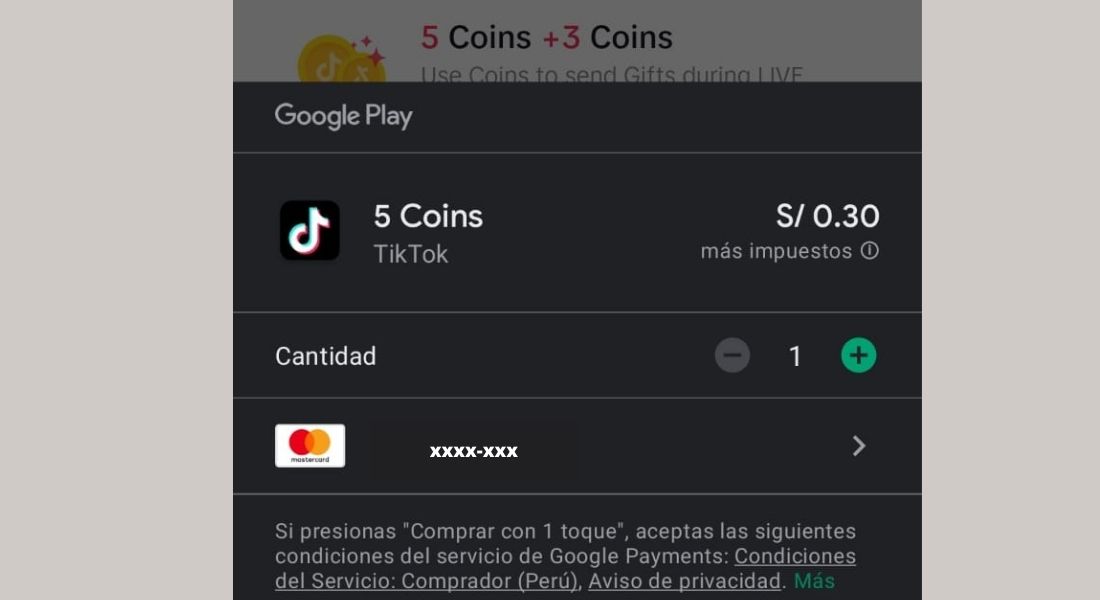
The pricing split traces back to mobile ecosystem rules established over a decade ago. Both Apple and Google mandate that digital goods consumed within native mobile applications must flow through their proprietary payment architectures. Through the Apple App Store commission and Google Play's billing service, mobile platform operators collect a 30 percent fee on digital microtransactions.
Most consumer services handle this platform levy in one of two ways. Subscription platforms like Spotify famously removed direct in-app subscriptions altogether to avoid the cut, while cloud services absorb the transaction fee into enterprise overhead. TikTok chose a different route: passing the bill directly to users through an in-app purchase markup.
When you initiate a transaction inside the native iOS or Android app, you pay the base coin price plus the platform distributor's processing margin. ByteDance prices coins higher within native operating systems to ensure that its net revenue per token remains consistent across distribution endpoints. The mobile app store tax is not deducted from corporate profits; it is tacked directly onto your credit card receipt.
App Store Versus Web Billing: A Line-by-Line Cost Breakdown
The mechanical difference becomes obvious when comparing identical packages on a mobile screen versus the official desktop recharge hub. An analysis by tech publication MakeUseOf documented how web-based purchasing bypasses mobile application processing fees entirely. By executing transactions through direct payment channels like credit cards, PayPal, or regional debit rails, TikTok evades the 30% platform cut and offers consumers standard baseline rates.
Users who buy large coin packages for high-stakes TikTok LIVE gifting feel the financial penalty most acutely. Over an extended streaming campaign, the price difference accumulates into hundreds of wasted dollars.
| Coin Package | In-App Store Price (iOS/Android) | TikTok Recharge Website (Direct) | Price Difference (%) |
|---|---|---|---|
| 70 Coins | $0.99 | $0.74 | +33.7% in app |
| 350 Coins | $4.99 | $3.70 | +34.8% in app |
| 1,400 Coins | $19.99 | $14.80 | +35.0% in app |
| 7,000 Coins | $99.99 | $74.00 | +35.1% in app |
| 17,500 Coins | $249.99 | $185.00 | +35.1% in app |
The math reveals that buying via mobile apps consistently costs roughly 25% to 35% extra across every standard bundle tier. A user spending $100 per month on virtual gifts through an iPhone forfeits over $300 annually to transaction fees, receiving no extra coins or perks in exchange.
How the Coin-to-Diamond Conversion Rate Diminishes Payouts
A widespread assumption among casual viewers is that paying a higher price for coins somehow benefits the streamer on screen. It does not. The platform's balance sheet operates with complete separation between fiat currency intake and internal virtual asset accounting.
When a viewer sends an animated gift during a broadcast, the system logs the event based on coin count, not the real-world dollars spent to acquire those coins. The gift is instantly credited to the creator as diamonds at a standard internal diamond conversion rate. Historically, diamonds are valued at roughly 50% of the coin's base value, with one diamond equating to approximately $0.005 USD upon redemption.
Because the conversion mechanics rely strictly on coin units, creators receive the exact same payout whether a viewer bought those coins on a discounted desktop link or through an overpriced mobile payment window. The extra 30% extracted by in-app stores vanishes entirely into platform processing infrastructure. For audience members focused on maximizing financial support for creators, mobile in-app buying represents a severe efficiency loss.
Regional Coin Pricing and the Currency Arbitrage Trap
Beyond the gap between web and app purchases, global currency volatility has triggered a complex grey market around regional coin pricing. Platforms adjust the cost of virtual goods across different sovereign territories to reflect local purchasing power, regional inflation, and currency exchange rate dynamics.
In online communities across Reddit and Telegram, users frequently discuss exploiting regional disparities by switching billing regions via virtual private networks (VPNs) to purchase coins using Turkish Lira or Brazilian Reais. While the cost savings look dramatic on paper, the risks outweigh the discounts.
ByteDance’s fraud-prevention algorithms track geographic metadata, IP addresses, and payment card origins closely. When system checks detect a disparity between an account's primary activity region and its billing origin, automated protocols intervene quickly. Sanctions range from instant payment blacklisting to permanent account terminations. Attempting cross-border currency arbitrage often results in a frozen coin balance with zero path to recovery.
Securing Direct Payment Channels Without Triggering Fraud Bans
Legitimate savings do not require deceptive VPN tricks. The single reliable method to secure baseline pricing is shifting payment behavior to authorized web infrastructure.
ByteDance hosts its own billing portal accessible through standard mobile and desktop browsers at tiktok.com/coin. When users complete a desktop coin purchase through this hub, the transaction processes through established merchant gateways such as Stripe or PayPal. Once the payment clears, the coins credit automatically to the linked account profile across every device.
To avoid payment rejections, users must ensure their billing details match their registered account country. Using direct payment channels via standard web browsers violates no terms of service. It simply bypasses the mobile app store fee architecture that inflates the purchase price.
Frequently Asked Questions (FAQ)
Q1: Are coins bought on the website visible in the mobile app immediately?
Yes. TikTok balances are tied to user account IDs rather than device hardware. Coins bought on the desktop site update inside your mobile app wallet instantly.
Q2: Is buying coins through a browser safe and approved by TikTok?
Yes. The web recharge portal is an official ByteDance service. TikTok openly encourages web checkout to retain platform revenue and bypass third-party app store commissions.
Q3: Does using a VPN to buy coins in a cheaper currency violate platform rules?
Yes. Using proxies to fake your geographic location violates payment terms of service and triggers automated risk flags, often leading to account restrictions or permanent bans.
The Shifting Economics of Microtransactions in 2026
The friction surrounding virtual tokens reflects a broader shift across the global software economy. As regulatory pressures mount against closed mobile ecosystems in the European Union and the United States, tech giants face growing scrutiny over thirty-percent distribution surcharges. Legislative actions like the Digital Markets Act have forced app stores to acknowledge external checkout options, yet consumer education continues to lag.
For live-stream supporters, the financial lesson is straightforward. Native mobile apps offer undeniable convenience at the price of steep, silent markups. By moving digital coin recharges to an ordinary web browser, users permanently bypass artificial store taxes, keep their accounts fully compliant, and ensure their spending power supports content creators rather than mobile app store infrastructure.
