The JOP vs. Rancho Humilde Timeline: How a Golden Partnership Turned into a Public Legal Feud

For nearly a decade, the rise of música mexicana across global streaming charts looked like an unstoppable coalition of street-level hustlers outmaneuvering traditional major labels. At the epicenter stood Jesús Ortiz Paz, the charismatic frontman of Fuerza Regida, and Jimmy Humilde, the visionary executive whose independent imprint, Rancho Humilde, turned Southern California street culture into a billion-dollar export. That united front fractured in late June 2026, exploding into a public, bitter confrontation played out across social media feeds before migrating into high-stakes legal chambers.
The sudden fallout caught fans and industry power brokers off guard, yet insiders recognized the dispute as an inevitable clash between an artist who outgrew his original terms and an executive determined to enforce them. As detailed in a comprehensive Los Angeles Times Report, the rupture escalated rapidly from heated Instagram stories into formal contract maneuvers, bringing the financial architecture of the urban corridos boom directly into courtrooms and public view.
📌 Key Takeaways:
- The Core Dispute: Jesús Ortiz Paz (JOP) initiated steps to sever ties with Rancho Humilde, alleging unaligned commercial interests, financial opacity, and restrictive publishing conditions.
- The Immediate Trigger: Jimmy Humilde fired back publicly on Instagram in late June 2026, threatening legal injunctions against unapproved song releases and invoking strict breach of contract clauses.
- Industry Stakes: The clash puts millions of dollars in catalog revenues, publishing rights, and global touring logistics at risk, marking a watershed moment for independent Mexican music label contracts.
The Architecture of an Urban Corrido Empire
To understand the depth of this split, you have to look at the landscape in 2018. Fuerza Regida was grinding in San Bernardino, playing backyard shows and underground gatherings with acoustic instruments and heavy brass basslines. Jimmy Humilde saw what major labels ignored. He recognized that Mexican-American youth in Compton, East Los Angeles, and the Inland Empire spoke a distinct cultural dialect, one that blended traditional Sinaloan storytelling with the swagger, fashion, and hustle of West Coast hip-hop.
Humilde signed Fuerza Regida to Rancho Humilde, joining a roster that included Natanael Cano and Junior H. Together, they invented the commercial foundation of corridos tumbados. Humilde was more than a label boss. He was their cultural evangelist, brokering joint distribution pacts with major labels while fiercely defending his status as an independent renegade. Ortiz Paz became the label's swaggering anchor, scoring historic Billboard Hot 100 placements and selling out massive stadium tours across North America.
Success brought complexity. Over eight years, Fuerza Regida transformed from an ambitious garage band into an enterprise generating tens of millions of dollars annually across merchandise, corporate sponsorships, and festival headlining fees. As the revenue multiplied, the original contracts that launched the band began to feel less like a launchpad and more like a cage.
The Instagram Meltdown That Torched a Decade of Goodwill
Public exposure arrived abruptly. Instead of issuing sanitized corporate statements through entertainment publicists, both figures took their grievances directly to their multi-million-follower audiences on social media. Ortiz Paz posted cryptic video clips and direct statements signaling his intent to operate on his own terms, previewing solo and collaborative material outside the label’s scheduled pipeline.
Humilde answered with fury. The Rancho Humilde founder uploaded a series of intense, unvarnished videos addressing Ortiz Paz directly. He accused the frontman of disloyalty, memory loss regarding who funded the group's early tours, and explicit attempts to bypass valid, ongoing contractual commitments. The exchanges dropped all industry diplomacy. Humilde openly dared Ortiz Paz to test their binding agreements in court, warning potential third-party collaborators and distributors that any unauthorized release would be hit with an immediate cease-and-desist order.
Fans watched the feud unfold like a real-time soap opera. Reddit threads and music forums dissected every deleted story within minutes. For legal observers, the rhetoric signaled an irreversible breakdown. When an entertainment partnership implodes on Instagram, corporate settlement talks have already failed behind closed doors.
The Contractual Fault Lines: Masters, Touring, and Publishing Rights
Beneath the raw emotions sits an intricate web of intellectual property and financial obligations. When young acts sign their initial contracts with independent labels, they frequently agree to sweeping 360-style provisions. The label takes a significant percentage of recording royalties, live touring, merchandise, and publishing in exchange for early capital investment, production facilities, and street-level promotion.
By 2026, Ortiz Paz and Fuerza Regida wielded enough individual leverage to demand an entirely different split. The main pressure points center around catalog ownership and publishing administrator rights. With urban corridos commanding global streaming volume, the royalty payments on back-catalog hits represent reliable, long-term passive cash flow.
| Core Contract Area | Early Deal Terms (2018, 2021) | The 2026 Disputed Friction Points |
|---|---|---|
| Master Recording Rights | Label owned 100% of masters; standard royalty splits after recording recoupment. | Ortiz Paz seeks reversion of master ownership or major buyout of modern streaming tracks. |
| Music Publishing Rights | Exclusive in-house publishing administration tied directly to Rancho Humilde subsidiaries. | Allegations of delayed accounting and demands for independent song administration. |
| Release Autonomy | Label executive approval required for release calendars, collabs, and visual media. | JOP attempting self-directed drops via independent channels without label clearance. |
| Touring & Brand Deals | Direct participation by the label across all live performance guarantees and ancillary earnings. | Fuerza Regida's personal holding companies seeking complete separation of live tour revenue. |
Label executives build their balance sheets on the enduring value of catalog assets. If a flagship artist walks away with their masters or publishing rights, the valuation of the entire label drops instantly. That fundamental economic reality explains why Humilde refused to quietly renegotiate terms behind closed doors.
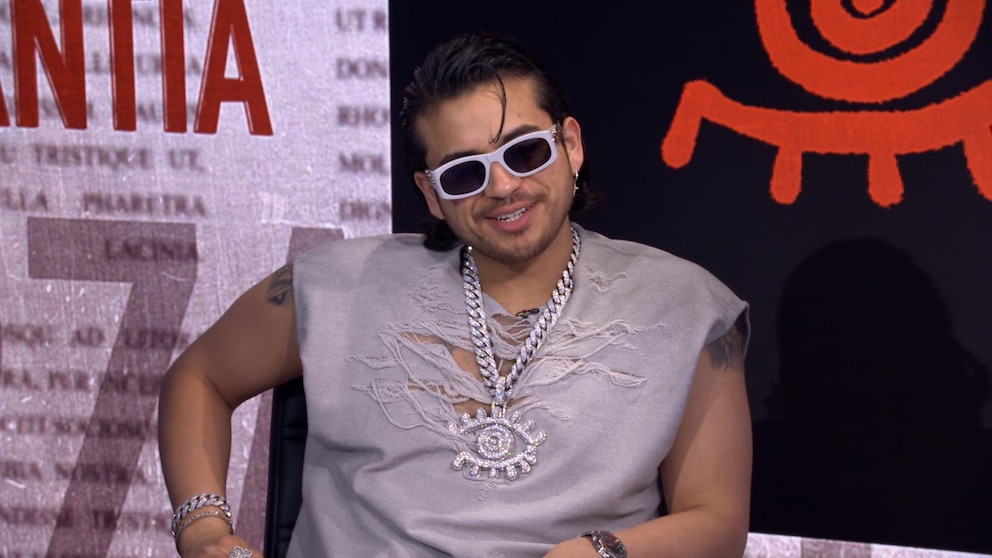
Street Logic Meets Corporate Paperwork in Breach-of-Contract Claims
The transition from street culture to boardroom legalities reveals an ongoing tension inside the regional Mexican music industry. For years, handshake agreements and loyalty played outsized roles in how business was conducted. Agreements were signed quickly, often without the artists retaining elite, independent entertainment litigation counsel.
When lawsuits emerge in these settings, they follow a predictable legal sequence. Artists typically file complaints alleging breach of fiduciary duty, fraud in the inducement, and failure to provide clean, verifiable audit accounting. Labels respond with heavy counterclaims: anticipatory breach of contract, tortious interference against new management or rival labels, and immediate requests for preliminary injunctions to freeze new releases.
In this dispute, both men are betting that their public credibility will influence their leverage at the negotiating table. Ortiz Paz is gambling that his massive personal fanbase will follow him regardless of where or how his music appears. Humilde is betting that enforceable, signed contracts will stand up in court, halting unauthorized distribution and forcing the artist back into line.
The Ripple Effect Across Regional Mexican Music
This battle is not happening in a vacuum. It reverberates across the entire contemporary corrido movement. Independent labels proved that localized movements could compete with multinational corporations like Universal, Sony, and Warner. But as these independent powerhouses evolved, they began to mirror the exact corporate behaviors they once criticized.
Young artists throughout the genre are watching the confrontation closely. The dispute proves that independent labels can be just as legally entrenched as legacy corporate giants. Newer acts are already restructuring their approaches, refusing long-term exclusive production pacts and demanding clear reversion clauses before penning signatures.
The feud also strains ongoing collaborative relationships. Fuerza Regida frequently collaborates with other stars on the Rancho Humilde roster. When the executive leadership and the top-tier talent split so violently, producer credits, feature approvals, and joint promotional schedules grind to a complete halt.
Frequently Asked Questions (FAQ)
Q1: Has Fuerza Regida officially left Rancho Humilde?
A1: As of mid-2026, the formal separation remains locked in active legal review. While Jesús Ortiz Paz has declared his intent to operate independently, existing multi-album contracts and exclusive recording clauses mean that any permanent separation requires a negotiated financial settlement or an explicit ruling from a judge.
Q2: Can Jesús Ortiz Paz release solo music while under contract?
A2: Releasing music under a different name or as a solo act does not bypass exclusive recording agreements. Standard industry contracts explicitly bind the individual members of a group as well as the group name itself. Any unapproved release faces immediate copyright strikes, digital platform takedowns, and breach-of-contract lawsuits.
Q3: How does this legal dispute affect upcoming tour dates?
A3: Live touring generally continues because scheduled dates are backed by performance guarantees, promoter commitments, and arena contracts. However, the distribution of touring revenue and the participation percentages claimed by the label remain primary points of financial contention in the wider lawsuit.
What the Rancho Humilde Split Signals for Artist Ownership
The dispute between Jesús Ortiz Paz and Jimmy Humilde marks the end of an era for the urban corrido boom. The early years of pure creative energy and informal loyalty have collided with the reality of corporate finance. Música mexicana is no longer a regional specialty; it is a commanding force in global streaming, attracting institutional investors, private equity catalog buyers, and international touring conglomerates.
When millions of dollars enter the ledger, early contractual promises rarely survive without revision. Whether Ortiz Paz successfully buys out his independence or Humilde enforces his company's operational contracts, the blueprint of the genre has altered permanently. The legal war proves that the hardest part of building an empire is not conquering the industry together, it is surviving the contract that made it possible.
