The Real Story Behind 'Iron Chef Dad': Staged Viral Trend or Pure Culinary Genius?
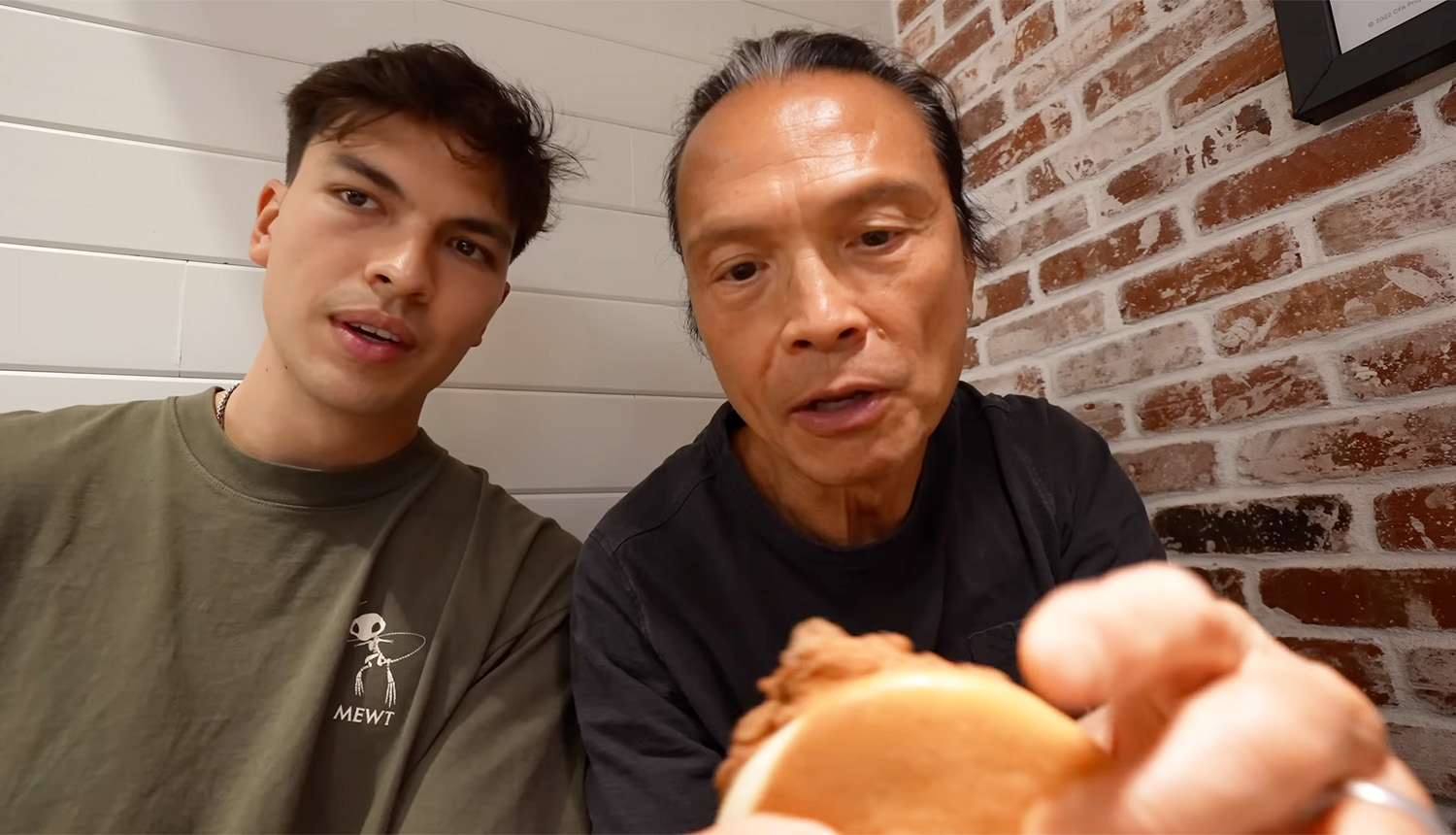
Jet Bent-Lee walks into a sunlit Toronto kitchen, drops a crumpled paper bag of cold fast food on the marble island, and deadpans a single challenge to his father: make this taste like fine dining. Standing on the other side of the counter is Susur Lee, the legendary chef whose ponytailed silhouette and hyper-inventive fusion menus helped redefine modern North American gastronomy in the late 1990s and 2000s. With a mixture of parental exasperation and surgical precision, the elder Lee takes soggy French fries, battered chicken tenders, or instant ramen, strips them down to their basic components, and rebuilds them into high-end restaurant plates. As detailed in a Good Morning America Report covering their meteoric social media rise, this father-son cooking series turned the veteran television chef into a global viral phenomenon known across millions of feeds simply as "Iron Chef Dad."
The concept looks simple on a smartphone screen, yet it has sparked a fierce debate among food critics and home cooks. Cynics dismiss the trend as clever staging, arguing that adding black truffles, wagyu fat, and microgreens to a processed burger makes for entertaining short-form theater rather than practical culinary innovation. Industry veterans, however, see something far rarer: an elite classical craftsman demystifying decades of Cantonese technique and French saucing for an audience that grew up on ultra-processed delivery apps. The tension between fleeting algorithmic stunts and genuine master-level kitchen wisdom sits at the very heart of the channel's runaway success.
📌 Key Takeaways:
- The Viral Formula: Content creator Jet Bent-Lee challenges father Susur Lee to reconstruct everyday convenience foods using elite kitchen discipline.
- The Technical Reality: While the sixty-second edits emphasize dramatic visual reveals, the transformations rely on fundamental Cantonese wok mastery, emulsification, and classical French stocks.
- Generational Reach: The series successfully introduced an elite heritage chef to Gen Z and Gen Alpha audiences who bypassed traditional cable food networks entirely.
From Iron Chef America to the Modern Smartphone Screen
Long before short-form video disrupted food media, Susur Lee was a formidable force on network television. The Hong Kong-born chef made culinary history on Iron Chef America, famously tying with Bobby Flay in a tense Battle of the Masters before storming through Top Chef Masters with near-perfect scores. In Toronto, his eponymous restaurants, including Susur, Lee, and later Luckee, earned international acclaim for pioneering a radical blend of classical Cantonese banquet techniques and European fine-dining aesthetics. Food critics traveled across continents to sample his signature 19-ingredient Singapore slaw.
By the time his son Jet began experimenting with video formats on YouTube and TikTok, that traditional broadcast prestige carried little weight with younger viewers. High-end food programming had become locked behind premium cable packages or prestige streaming subscriptions. Jet identified an open lane: instead of inviting casual viewers into an intimidating Michelin-caliber dining room, he dragged the intimidating Michelin-caliber intellect directly onto a casual cutting board. The moniker "Iron Chef Dad" took root naturally, bridging the culinary gravitas of 1990s culinary television with the irreverent, fast-paced editing style demanded by social feeds.
Deconstructing Fast Food: Staged Illusion or Legitimate Culinary Mastery?
Online skeptics frequently question whether the transformations produced by Susur Lee are genuine culinary solutions or performative kitchen theater. When Susur receives a box of Wendy's chicken nuggets, he does not simply reheat them. He strips off the fried breading, pulses the meat into a savory farce, balances the processed salt levels by folding in fresh aromatics, and forms delicate potstickers or steamed dim sum dumplings. The breading itself is often dried, pulverized into fine crumbs, toasted with garlic and chilies, and repurposed into a crispy Cantonese typhoon shelter topping.
This process exposes the mechanics of commercial food processing. Fast-food items contain engineered flavor profiles dominated by sodium, sugar, and monosodium glutamate. Transforming them requires structural rebalancing. Susur counters heavy industrial grease with high-acid reductions, balancing deep-fried batter with ginger, scallions, and shaoxing wine. Rather than masking the ingredients under expensive distractions, he treats the commercial base as an assembly of raw building blocks. The result works because his foundational instincts, developed during brutal 16-hour apprenticeships at Hong Kong’s Peninsula Hotel in the 1970s, remain active, whether he handles fresh abalone or a cardboard carton of French fries.
The Generational Dynamic Powering the Screen
The visual hook brings audiences to the videos, but the interpersonal dynamic between father and son keeps them returning. Jet plays the deadpan provocateur, representing a generation raised on food delivery apps and viral life-hacks. Susur operates as the stern, razor-focused elder craftsman, inspecting plastic containers with obvious disbelief before his muscle memory takes over. There is zero theatrical screaming; instead, viewers see genuine familial warmth layered over professional discipline.
This dynamic struck an immediate chord within online diaspora communities. For millions of first- and second-generation immigrant viewers, Susur’s kitchen behavior felt intimately recognizable. His habit of saving vegetable scraps for stock, smelling ingredients to test freshness, and issuing quiet corrections mirrored immigrant household dynamics worldwide. The series moved beyond typical cooking tutorials, transforming into an exploration of generational collaboration where heritage knowledge is passed down not through formal lectures, but across a chaotic kitchen counter.
Evolution of Fine Dining Media: Cable Prestige vs Social Feeds
The transition from traditional cooking competition series to direct-to-consumer social video marks a fundamental pivot in how audiences consume culinary knowledge. The table below charts how Susur Lee’s public kitchen presence evolved across three distinct eras of food media production.
| Media Era | Core Format & Runtime | Primary Distribution | Culinary Objective |
|---|---|---|---|
| Legacy Broadcast (2005, 2014) | 44-minute network competitions (Iron Chef America, Top Chef Masters) | Food Network, Bravo Cable TV | Intimidating professional supremacy, rigid recipe adherence, and critical judging panels. |
| Independent Digital (2018, 2021) | 10, 18 minute lifestyle vlogs and family kitchen experiments | YouTube Long-Form | Behind-the-scenes access to restaurant operations and casual domestic cooking lessons. |
| Algorithmic Era (2022, 2026) | 30, 90 second rapid-cut transformation challenges | TikTok, YouTube Shorts, Instagram Reels | Everyday ingredient elevation, contrast-based storytelling, and viral accessibility. |
Cantonese Technique Behind the Camera Magic
Strip away the smartphone lenses and witty voiceovers, and Susur Lee's work remains an uncompromised masterclass in Cantonese culinary fundamentals. In interviews discussing his career, Lee frequently stresses that his online work is an extension of his mission to bring Cantonese cuisine into mainstream Western culinary consciousness. When he approaches a challenge involving cold convenience store pizza or leftover fried chicken, his solutions lean directly on core classical disciplines: temperature management, balanced textures, and precise knife work.
Consider how he handles food texture, known in Cantonese cooking as hau gam. A stale fast-food bun is never tossed into an oven to dry out further. Susur slices it into paper-thin crisps, fries it in clean oil until it shatters, or steams it back to pillowy softness before pan-searing the base for contrast. He deploys cornstarch slurries to build gossamer glazes rather than thick gravies, extracting savory umami through fermented black beans, superior soy sauce, and white pepper. Viewers believe they are watching a fast-food life-hack, but they are actually receiving an accelerated lecture in centuries-old Southern Chinese cooking theory.
Commercial Realities and the Modern Celebrity Kitchen
The runaway success of the "Iron Chef Dad" content has altered the business model for veteran culinary operators. For decades, established chefs measured their authority by restaurant real estate footprints, Michelin stars, and television syndication contracts. While Lee still anchors successful brick-and-mortar restaurants in Toronto, his digital footprint now commands an audience several orders of magnitude larger than any dining room could hold.
This brand expansion creates clear advantages, but it also carries operational friction. Digital audiences expect continuous content, often mistaking edited kitchen magic for easy weeknight hacks. Replicating Susur’s fast-food transformations at home is exceedingly difficult; home kitchens lack high-powered industrial wok burners, prepared poultry stocks, and decades of knife speed. A transformation that takes 90 seconds on screen frequently requires two hours of intense prep, specialized equipment, and extensive pantry ingredients. The value of the series does not lie in providing literal dinner recipes, but in inspiring home cooks to respect the transformative potential of basic technique.
Frequently Asked Questions (FAQ)
Q1: Are Susur Lee’s fast-food transformations staged or scripted?
A1: The initial prompts and ingredient choices are genuine challenges brought by Jet Bent-Lee to capture spontaneous reactions. While the multi-step cooking process is heavily condensed through dynamic editing, the techniques, sauces, and cooking steps executed by Susur Lee are entirely real and performed in real time.
Q2: Can everyday home cooks actually recreate these recipes?
A2: Most viewers will struggle to replicate these dishes exactly. While the base ingredient is cheap takeout, Susur frequently supplements the recipes with professional kitchen staples, such as homemade master stocks, fresh Asian herbs, professional-grade cookware, and advanced knife skills that take years to master.
Q3: What makes Susur Lee’s approach different from typical social media food hacks?
A3: Most viral cooking videos rely on superficial shortcuts, such as melting processed cheese over snack foods. Susur Lee reverses that trend by deconstructing processed foods down to their basic proteins, carbohydrates, and fats, applying classical Cantonese and French cooking techniques to rebuild the dish with authentic balance, texture, and acidity.
Where the Father-Son Kitchen Legacy Heads Next
The "Iron Chef Dad" series has established a sustainable blueprint for legacy chefs navigating modern digital media. Susur Lee did not compromise his high standard of culinary discipline to fit the informal demands of the internet; instead, Jet Bent-Lee modernized the presentation, framing elite technique through a humorous, relatable lens. They proved that culinary mastery does not need an expensive cable production crew or a white-tablecloth setting to command attention.
As social media cooking formats continue to mature, the appetite for hollow, shock-value kitchen stunts is declining. Audiences increasingly demand genuine competence and authenticity. By opening their home kitchen and subjecting high-level classical training to the chaotic reality of cheap takeout, Susur and Jet Bent-Lee have bridged a culinary generation gap, ensuring that timeless culinary fundamentals remain visible, inspiring, and relevant for millions of aspiring cooks worldwide.
