The Real Story of Joshua David Evans: Allegations, Gaslighting Claims, and Facts
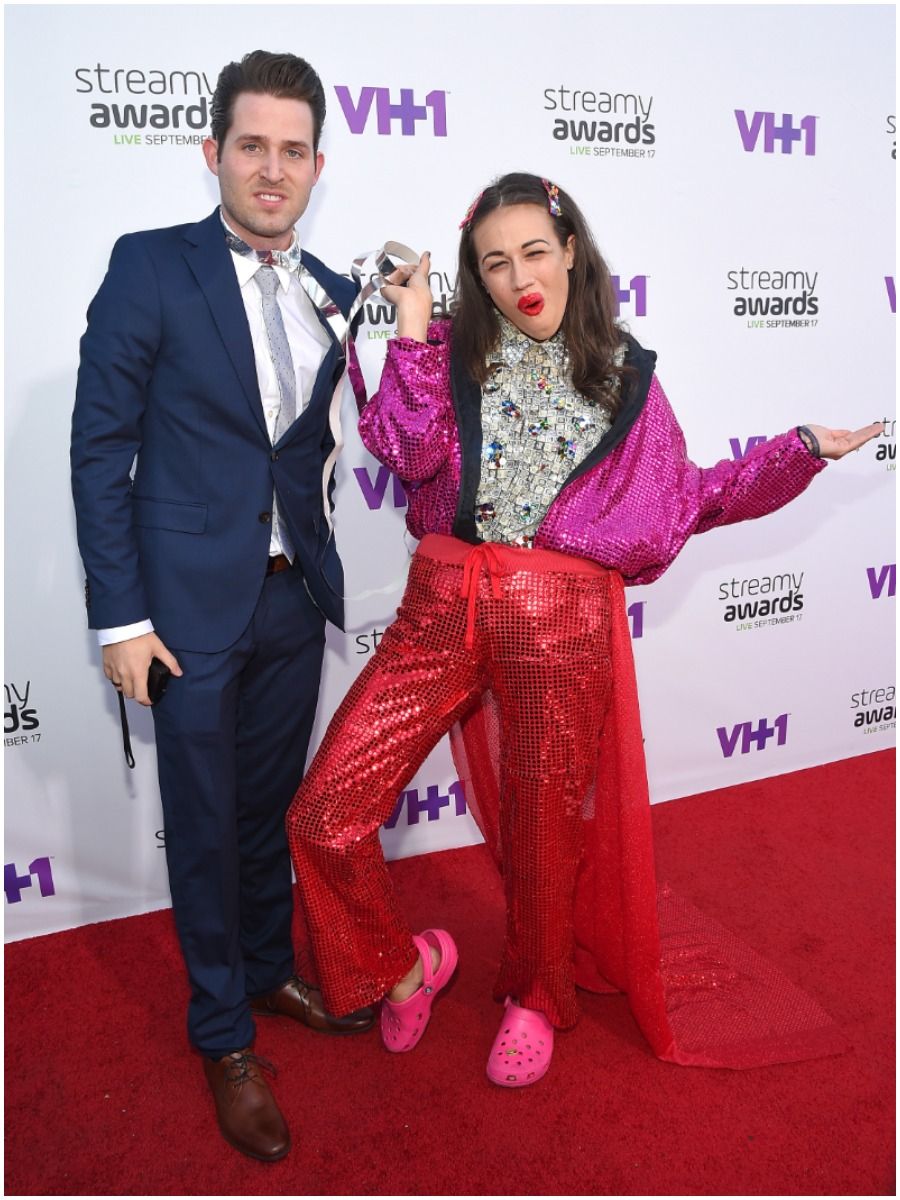
For nearly a decade, the public image of Joshua David Evans existed largely in the shadow of internet spectacle. To millions of subscribers during the golden era of YouTube lifestyle vlogging, he was "JoshDTown", the charming, harmonizing partner to Colleen Ballinger, the creator behind the viral character Miranda Sings. When the couple announced their separation in October 2016 after just fourteen months of marriage, the resulting fallout tore through social media. Audiences picked sides, algorithms amplified the vitriol, and Evans vanished into years of self-imposed exile, battling severe clinical depression and alcoholism.
The narrative inverted sharply in mid-2023. When Ballinger faced an industry-wide reckoning over boundary violations with underage fans and workplace misconduct, Evans stepped forward to speak on the record. His account, corroborated by private communications, former production associates, and a high-profile multi-hour sit-down interview with documentary creator Swoop, provided a detailed look into the psychological mechanics of their marriage. Evans documented systemic gaslighting, enforced public performances of marital bliss, and professional sabotage.
Yet his re-emergence also invited renewed scrutiny of his own digital archive. As reported by a contemporaneous Just Jared Report, past controversies, including a resurfaced theater sketch involving racially insensitive stage paint, demanded public accounting. Examining the documented record of Joshua David Evans requires disentangling the realities of relational abuse from the messy, unregulated history of early YouTube celebrity.
📌 Key Takeaways:
- The Gaslighting Claims: Primary interviews and internal communications describe a high-pressure dynamic where Evans was coerced into publicly defending a relationship that was privately deteriorating under emotional manipulation.
- The Accountability Reckoning: When past offensive videos resurfaced during the 2023 scandal, Evans broke creator precedent by confirming their authenticity, admitting intentionality in past theatrical choices, and issuing unequivocal apologies.
- The Cultural Precedent: Evans's public disclosures offered one of the first forensic post-mortems of a monetized "vlog-family" relationship, illustrating how platform incentives distort human autonomy and private grief.
From JoshDTown to Algorithmic Commodity: The Early YouTube Era
Joshua David Evans entered YouTube when the platform rewarded aggressive personal transparency. Performing alongside vocal groups like Cat's Pajamas and uploading lifestyle vlogs under the handle JoshDTown, Evans built an audience on sincerity and boy-next-door optimism. By 2014, his channel had surpassed 1.3 million subscribers, drawing tens of millions of views on videos chronicling his engagement and daily domestic life with Ballinger.
Their digital footprint was not merely casual documentation. It was an enterprise. Viewers became investors in the relationship, tracking milestone updates through coordinated, cross-promoted uploads.
Behind the lens, the production demands created unbearable friction. Digital creators during the mid-2010s lacked labor protections, talent managers trained in psychological welfare, or distinct boundaries between public IP and private marriage. According to Evans, the line separating his actual feelings from the scripted demands of the "Colleen and Josh" brand eroded almost immediately. Ballinger's rapid ascension, spurred by her Netflix deal for Haters Back Off, created a sharp power imbalance inside the relationship.
Production schedules dictated private life. Evans later described an environment where authentic conflict was forbidden off-camera because it threatened the monetization of their shared brand. The pressure culminated in their televised, heavily sponsored July 2015 wedding, an event viewed by millions that Evans would later characterize as the beginning of the end of his personal autonomy.
The Swoop Interview and the Mechanics of Alleged Gaslighting
In September 2023, Evans sat down with investigative video essayist Swoop for an exhaustive, multi-hour interview titled Joshua: The Colleen Ballinger & Miranda Sings Docuseries. The video accumulated over 3.5 million views within days, driven by Evans's refusal to offer sensationalized gossip in favor of a clinical breakdown of emotional abuse.
The core of Evans's disclosure rested on allegations of sustained psychological invalidation, commonly understood as gaslighting. He detailed a pattern in which Ballinger allegedly isolated him from mutual acquaintances, undermined his confidence in his creative work, and routinely reframed his attempts to address marital infidelity as paranoid delusions.
Internal messages and third-party testimonies corroborated parts of Evans's account. He recalled finding evidence of emotional and creative intimacy between Ballinger and her Haters Back Off co-star Erik Stocklin, whom Ballinger eventually married. When Evans raised concerns, he was allegedly told his jealousy was unhinged, unprofessional, and destructive to their joint financial livelihood.
The isolation extended to his professional relationships. Evans outlined instances where executives and digital networks were discouraged from booking him independently of Ballinger, ensuring his brand remained tethered to her public orbit. This systematic discrediting left him emotionally destabilized, establishing a dynamic where he constantly doubted his own memory and sanity.
Documenting the Split: The 2015, 2023 Timeline and Fallout
The collapse of the marriage was swift, public, and legally constrained. When the couple announced their divorce in October 2016 through separate, tearful videos, the immediate reaction of the internet was profoundly asymmetric. Ballinger retained the loyalty of their shared base, while Evans absorbed severe community vitriol, stalker activity, and public mockery.
| Timeframe | Public Stance & Output | Documented Reality & Fallout |
|---|---|---|
| July 2015 | Elaborate wedding vlog posted; generates millions of views as the peak celebration of the relationship. | Private relations deteriorate due to creative control disputes and intense commercial sponsorship demands. |
| October 2016 | Separate divorce announcements posted; Ballinger asks fans not to take sides while Evans weeps openly on screen. | Evans faces targeted harassment campaigns online; loss of creative contracts triggers an immediate mental health crisis. |
| 2017, 2020 | Evans attempts intermittent YouTube uploads, focuses on sobriety, and gradually pulls back from influencer life. | Evans marries musician Pamela Rose; quietly undergoes psychological rehabilitation and alcoholism recovery away from Los Angeles. |
| June, July 2023 | Ballinger posts the infamous "Toxic Gossip Train" ukulele response video, sparking global digital backlash. | Former fans and creators re-evaluate the 2016 divorce, questioning Ballinger's framing of the marriage and treatment of Evans. |
| August, September 2023 | Evans appears in Swoop's multi-part investigative series to lay out the full structural timeline of the marriage. | Public validation of Evans's claims occurs alongside resurfacing of his own past controversial sketch comedy material. |
The asymmetry of the immediate aftermath devastated Evans financially and mentally. Between 2016 and 2018, Ballinger’s subscriber base surged past 8 million, backed by touring revenue and broad mainstream visibility. Evans, conversely, experienced rapid subscriber abandonment, sponsor flight, and private despair that culminated in severe substance abuse. The divorce was not merely a domestic split; it was the erasure of his professional career within the Google-owned ecosystem.

Addressing the Past: Scrutiny, Apologies, and Primary Records
The renewed spotlight in 2023 was not entirely vindicating. In the wake of Ballinger's public unraveling, internet sleuths combed through Evans’s own decades-old digital footprint, uncovering questionable content from his early theatrical and vlogging days.
Chief among these controversies was a resurfaced stage performance where Evans appeared wearing dark greasepaint to portray a character, drawing widespread accusations of blackface. Digital creators facing similar exposure often dismiss old content as harmless parody, claim context was manipulated, or delete evidence in silence. Evans took a radically different posture.
Addressing the controversy publicly on social media, Evans acknowledged that the performance happened and conceded that the aesthetic choice was deliberate. He admitted that the staging was offensive, accepted full responsibility without qualifying his age or the era in which it occurred, and apologized to communities harmed by the imagery. This direct response broke the conventional influencer crisis playbook, trading defensive PR spin for plain accountability.
Scrutiny also centered on his historic boundary management with young fans during the mid-2010s. Like many creators of that generation, Evans frequently interacted with teenage audiences via Twitter direct messages, public meet-and-greets, and livestreamed chats.
While primary investigations and witness accounts uncovered no predatory grooming patterns comparable to the allegations leveled against Ballinger, Evans publicly admitted that his boundaries had been unacceptably loose. He acknowledged that leaning on impressionable followers for emotional comfort and validation during his marital collapse was irresponsible, recognizing the implicit power imbalance between a creator in his thirties and teenage consumers.
Parasocial Collateral and the Reconstruction of Josh David Evans
The trajectory of Joshua David Evans serves as an instructive case study in the human costs of early social platform monetization. For half a decade, Evans lived inside an architectural system that converted private affection into metrics, view duration, and ad revenue. When that system ruptured, he lacked the legal infrastructure, personal distance, or mental reserves necessary to survive the fallout intact.
His survival and subsequent rehabilitation reflect an intentional disengagement from digital hyper-visibility. Following his 2019 marriage to musician Pamela Rose, Evans stepped away from daily vlogging, relocated outside the southern California creator ecosystem, and prioritized long-term recovery and clinical support.
Online audiences in 2026 operate with far higher media literacy than those of 2016. The easy binary of hero and villain that framed early YouTube feuds has deteriorated under scrutiny. Evans's narrative does not present him as a flawless martyr; rather, it highlights a complex human being who endured significant domestic abuse, engaged in real personal failures, and chose to model accountability when confronted with both.
The public reckoning over Ballinger’s conduct did not simply vindicate Evans's long-dismissed version of events. It forced an entire generation of digital consumers to confront their own complicity in consuming private suffering masquerading as daily entertainment.
Frequently Asked Questions (FAQ)
Did Joshua David Evans sign a non-disclosure agreement (NDA) during his divorce from Colleen Ballinger?
While specific financial and legal terms of their 2016 divorce remain private, Evans confirmed in subsequent interviews that informal mutual understandings, professional isolation, and the threat of severe legal and reputational retaliation kept him from speaking publicly for nearly seven years.
What was the outcome of the controversial stage video controversy?
When footage of a theatrical performance involving dark stage makeup resurfaced in July 2023, Evans issued an immediate, unvarnished statement confirming the performance was purposeful, expressing deep remorse, and explicitly apologizing for the harm caused without attempting to deflect blame onto external directors or historical norms.
Is Joshua David Evans still producing content on YouTube?
Evans has permanently retired from the daily lifestyle vlogging model that defined his early career. While he occasionally shares creative projects, music, and personal updates, he maintains strict boundaries regarding his private life, family, and domestic activities.
Accountability in the Aftermath of Early Creator Culture
The legacy of Joshua David Evans stands as an indictment of the algorithmic gold rush that defined YouTube between 2012 and 2018. During that era, platforms incentivized users to dismantle the partition between their real-world vulnerabilities and their public performance, offering wealth and engagement in exchange for access to real-time intimacy.
When those arrangements collapsed, platforms suffered no financial consequences. The creators and their audiences were left to absorb the psychological damage alone. The re-evaluation of Evans’s story in 2023 and beyond established an important precedent: the recognition that relational abuse can exist side-by-side with genuine creator culpability.
Evans demonstrated that taking real accountability requires confronting past mistakes directly, avoiding deflection, and refusing to weaponize personal victimhood to evade hard truths. His journey from high-profile vlogging icon to isolated outcast, and finally to a sober, reflective adult operating outside the algorithmic machinery, offers a blueprint for navigating public collapse with dignity. As the creator economy matures, the lessons extracted from his experience remain essential for creators and consumers alike.
