The Revival of Southern Comfort: How Classic Deli Staples Reclaimed Fame
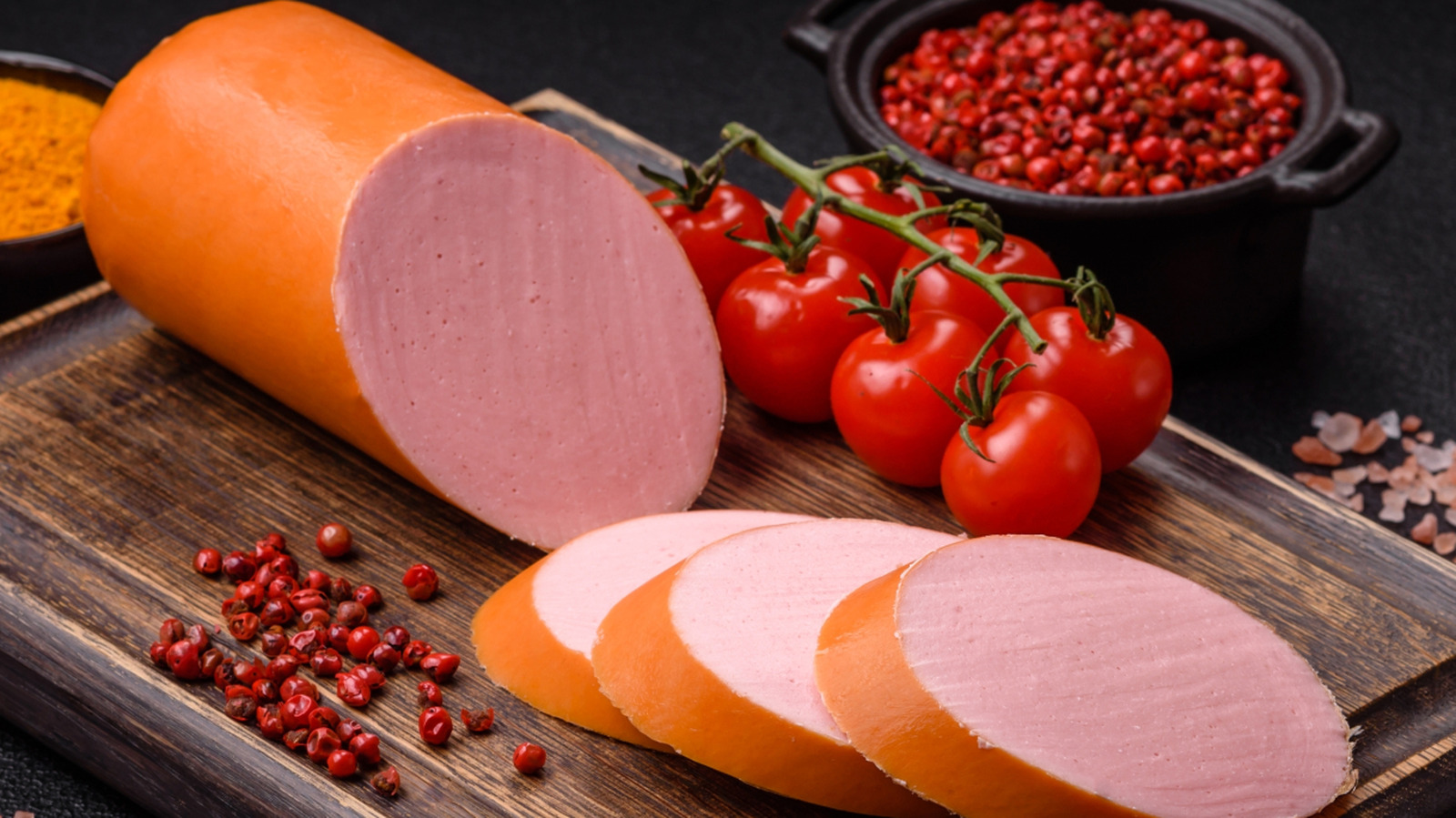
Cast iron pans across the American South have hissed over thick rounds of pork for generations, but the humble cold cut is currently commanding a level of cultural fascination nobody anticipated. Long dismissed as a budget staple of depression-era kitchens and roadside gas stations, the fried bologna sandwich has vaulted into the culinary spotlight, amplified by viral internet nostalgia, working-class food pride, and regional pride. As documented in a comprehensive culinary overview by the Mashed Report, classic regional American sandwiches are experiencing an unprecedented revival, pulling working-class lunch counters and diner traditions back to center stage.
Online communities, food essayists, and viral creators have increasingly paired unabashed comfort food cravings with discussions of identity, body positivity, and regional heritage. Phrases once whispered around blue-collar break rooms or deployed as lazy cultural tropes, linking hearty appetites and Southern diner indulgences, have been dismantled and repurposed into badges of authentic culinary joy. What began as an unpretentious home meal has evolved into a celebrated centerpiece of American comfort dining.
📌 Key Takeaways:
- The Culinary Shift: Fried bologna has transitioned from an overlooked budget lunch into an artisanal centerpiece across Southern and Midwestern eateries.
- The Viral Catalyst: Social video creators and digital essayists have reclaimed historic working-class food tropes, pairing unapologetic eating habits with regional pride.
- The Modern Blueprint: Modern culinary interpretations elevate the classic with thick-cut deli meat, house-made pimento cheese, and cast iron skillet searing.
From Depression-Era Ration to Cult Diner Icon
Bologna entered the Southern and Midwestern pantry out of sheer survival. During the 1930s, families stretched meager grocery budgets by purchasing seasoned, finely ground emulsified pork and beef logs. Slicing the meat thick and throwing it into smoking bacon grease produced something transformative. Heat caused the flat discs to dome, forcing home cooks to cut deliberate slits along the perimeter, creating the signature four-point cross or "pac-man" wedge that prevents curling and guarantees maximum surface contact with the pan.
That contact produces deeply caramelized, crispy edges that contrast with the tender center of the meat. Slapped between two slices of spongy white bread with a generous smear of bright yellow mustard, the meal sustained factory workers, farmhands, and schoolchildren for decades. It was cheap, salty, fast, and intensely comforting.
Over time, suburban tastes drifted toward leaner, pre-packaged poultry cold cuts, pushing fried bologna to the margins of gas station griddles and rural diners. Yet the sensory memory never dissolved. For millions raised in the rural South, Appalachia, and the lower Midwest, the smell of sizzling bologna evokes childhood kitchens far more powerfully than a roasted chicken or a slow-cooked brisket ever could.
The Cultural Reclamation of Unapologetic Eating
The cultural discourse surrounding hearty diner fare has shifted dramatically over the past three years. Historical stereotypes frequently mocked Southern food ways, weaponizing heavy, high-fat staples against marginalized bodies and working-class women. Online food culture spent much of the early 2010s pushing sterile aesthetic meal prep, low-calorie substitutions, and performative restriction.
That dynamic broke open across TikTok, Instagram, and Reddit. A new generation of creators began championing unfiltered indulgence, explicitly celebrating full-fat comfort staples without guilt or qualification. Videos featuring thick slabs of sizzling cured pork, melted American cheese, and pillowy white bread racked up tens of millions of views. Rather than apologizing for calorie-dense meals, creators reclaimed them as expressions of warmth, survival, and maternal hospitality.
Food historians point out that this digital pivot represents a pushback against sanitized dietary minimalism. Eating a messy, griddle-crisped sandwich on camera became a statement of bodily autonomy and cultural authenticity. The dish ceased to be an embarrassing relic of lean times; it transformed into an emblem of candid, unpretentious living.
Evolution of the Griddled Classic Across Decades
The shift from rural survival food to high-end gastropub staple did not happen overnight. Tracking the preparation styles across different eras reveals how changes in consumer sentiment altered the basic architecture of the sandwich.
| Era | Meat Preparation | Toppings & Bread | Cultural Role |
|---|---|---|---|
| 1930s, 1950s | Thin pre-cut slices scored with slits | Lard-toasted white bread, plain yellow mustard | Budget survival food for laborers and rural households |
| 1970s, 1990s | Single or double slice, pan-fried | Kraft singles, untoasted sandwich loaf, mayonnaise | Quick after-school latchkey meal, truck stop breakfast |
| 2020, 2026 | Half-inch hand-carved slabs, hardwood smoked | Sharp pimento cheese, kettle chips, brioche or Texas toast | Artisanal gastropub highlight, viral social media phenomenon |
Oklahoma Smoked Meat and the Modern Gastropub Reinvention
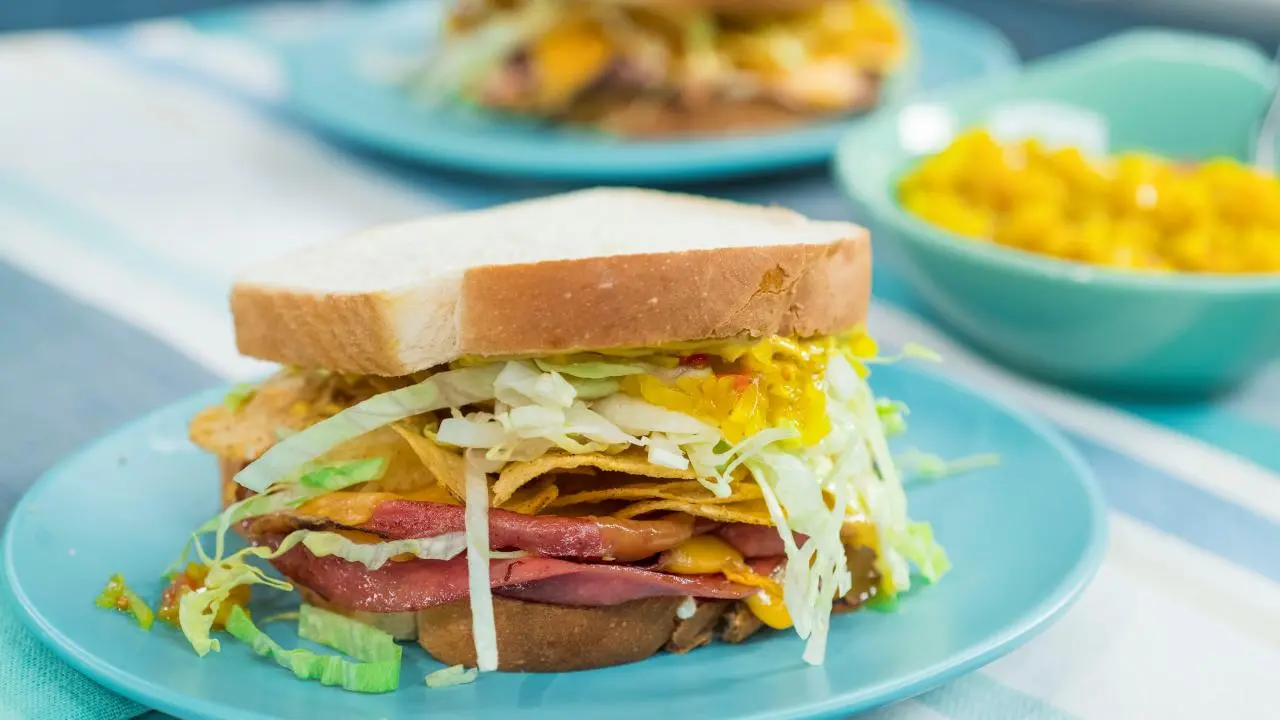
Nowhere is the regional devotion to cured meat deeper than in the Sooner State. Often dubbed "Oklahoma tenderloin," bologna here is traditionally rubbed with barbecue spices, placed in a smoker for hours over pecan or hickory wood, sliced thick, and finished on a blistering flat top.
Modern chefs have seized on this regional variation to build headline-grabbing dishes. In Tulsa and Oklahoma City, independent kitchens draw lines out the door by stacking hand-cut smoked slabs with house-made sharp pimento cheese, pickled jalapeños, and crunchy kettle-cooked chips between buttered Texas toast. The pimento cheese melts into the warm crevices of the crisped pork, while the chips provide an acoustic crunch that counters the emulsified texture of the meat.
Independent restaurants in Chicago, Nashville, and Atlanta followed suit, charging $14 to $18 for plates that elevate bologna using heritage pork belly, garlic confit aioli, and brioche buns. Despite the upscale surroundings, the essential appeal remains unchanged: salty fat, acid, sharp dairy, and soft carbohydrates working in deliberate harmony.
The Chemistry Behind Cast Iron Skillet Searing
Bologna is an emulsion of finely pureed meat, fat, water, and curing salts, typically seasoned with coriander, black pepper, nutmeg, allspice, and celery seed. Because the fat is distributed uniformly throughout the protein suspension, exposing it to direct, high conductive heat produces an intense reaction.
Cooking the cold cut in a seasoned cast iron skillet triggers immediate rendering of surface fats. The high surface heat accelerates the Maillard reaction, generating hundreds of new flavor compounds that do not exist in cold deli meat. Scoring the edges, making three or four radial cuts approximately one inch deep, ensures the disc stays perfectly flat against the iron.
Leaving the meat undisturbed for roughly 90 to 120 seconds per side develops a deeply browned crust. That sear breaks up the smooth consistency of the cold cut, creating the textural contrast that defines the entire sandwich. Skipping the sear leaves the meat rubbery and tepid; nailing the crust delivers the caramelized punch that turned a depression ration into an enduring addiction.
Frequently Asked Questions (FAQ)
Q1: Why do chefs cut slits into the edges of bologna before frying?
Bologna expands unevenly when exposed to high heat because the outer ring heats and shrinks faster than the center, creating a cup or dome. Cutting small radial slits around the perimeter releases the tension, allowing the meat to lie completely flat against the griddle for even browning and crisp edges.
Q2: What is the traditional difference between Southern and Oklahoma-style fried bologna?
Traditional Southern fried bologna uses commercially cured slabs seared directly in butter, lard, or bacon drippings, served with yellow mustard and American cheese. Oklahoma-style bologna is often seasoned with dry barbecue rub, slowly smoked over hardwood logs as a whole chub, sliced into half-inch slabs, and then seared on a flat-top.
Q3: Which bread and condiment pairing works best for an authentic sandwich?
Standard white sandwich bread or thick-cut Texas toast remains the gold standard because its soft crumb compresses easily around the hot meat. A sharp, acidic condiment, such as classic yellow mustard, spicy brown mustard, or a vinegar-heavy pimento cheese spread, is essential to cut through the richness of the rendered pork fat.
The Lasting Power of Working-Class Flavor
The ongoing fascination with fried bologna proves that culinary prestige cannot be dictated solely from the top down. While food trends cycle through imported delicacies, complex fermentation techniques, and engineered plant proteins, the emotional baseline of dining consistently snaps back toward warmth, salt, and simplicity.
By rescuing the griddled cold cut from historical condescension, contemporary cooks and digital communities have reaffirmed an essential truth about American dining: the meals remembered most fondly are rarely the ones designed to impress strangers. They are the ones built on a smoking skillet, an unpretentious griddle, and the comforting crackle of crisped meat on an ordinary afternoon.
