The Rise of French Avenue Amber Empire: From Quiet Release to Global Sellout
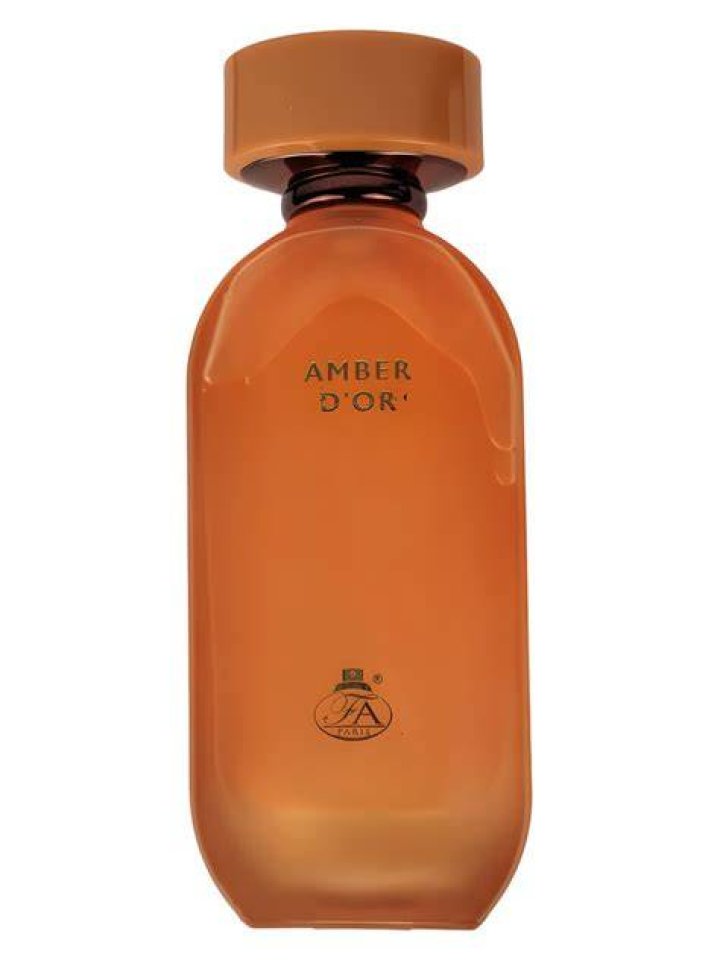
In early 2024, UAE fragrance house Fragrance World rolled out an unassuming release under its elevated French Avenue sub-label. Shipped in modest quantities to regional distributors across the Persian Gulf and Europe, Amber Empire arrived with little traditional marketing. By early 2026, the oriental woody fragrance had evolved into one of the most elusive bottles in contemporary Middle Eastern perfumery. Restock alerts on discount storefronts trigger digital queues that exhaust hundreds of units in under ten minutes, while secondary marketplace markups run as high as 160% over the original manufacturer list price.
The runaway popularity of the release reflects a broader transformation in fragrance consumer behavior. Driven by TikTok community hype and blind buy endorsements across enthusiast forums, buyers now actively scour inventory feeds for clone compositions that challenge four-hundred-dollar luxury benchmarks. French Avenue Amber Empire hit the exact intersection of premium packaging, high oil concentration, and an opulent scent profile, setting off a supply squeeze that retailers are still scrambling to balance.
📌 Executive Brief:
- Supply Dynamics: Production cycles at Fragrance World have struggled to match algorithmic spikes, causing recurrent retail sellouts within minutes of stock alerts.
- Formulation Appeal: The fragrance pairs a resinous amber accord with vanilla, benzoin, and dry woods, rivaling the performance of niche perfumes retailing at quintuple its cost.
- Pricing Pressures: While originally launched at an accessible $40 to $45 retail tier, grey-market resellers throughout 2025 and 2026 have consistently commanded upwards of $95 to $120 per 100ml bottle.
The Sub-Brand Strategy Behind Fragrance World's Luxury Pivot
For over a decade, Dubai-based Fragrance World operated as a high-volume clone house, catering largely to value-oriented consumers seeking budget alternatives to popular designer releases. That baseline model changed when domestic competitors like Lattafa and Afnan introduced elevated private collections designed to compete directly on presentation and formulation quality. To counter this, Fragrance World introduced French Avenue, an imprint built around heavier glass bottles, magnetic caps, and higher-grade raw ingredients.
Amber Empire arrived as part of this upmarket offensive. Rather than settling for thin, alcohol-heavy openings typical of low-tier dupes, the scent was engineered as a dense eau de parfum with an immediate resinous weight. Word-of-mouth spread among boutique fragrance reviewers who noted that the unboxing experience and tactile packaging rivaled prestigious Parisian houses. When prominent reviewers published direct niche clone comparison tests against ultra-luxury ambers, consumer demand jumped from localized Middle Eastern collectors to a worldwide audience virtually overnight.
This explosive visibility collided head-on with production realities. Fragrance World manufactures in discrete operational runs rather than maintaining continuous fluid lines for every individual catalog entry. When viral clips generated hundreds of thousands of views across fragrance communities in late 2024, existing global wholesale stock was depleted in less than three weeks.
Deconstructing the Amber Accord: The Drivers of Blind Buy Demand
The runaway reception of French Avenue Amber Empire stems from an accessible yet sophisticated scent profile. At its core sits a rich amber accord constructed from labdanum, sweet benzoin, and a dry, balsamic base that steers clear of cloying dessert sweetness. The opening delivers a brief splash of bright bergamot and dry spice before yielding to a heart dominated by warm resins, tonka bean, and subtle smoky undertones.
In the air, the composition projects an enveloping warmth. The sillage rating ranks in the moderate-to-heavy tier; two sprays leave a distinct scent trail for the first three hours without choking an indoor room. As the fragrance settles, the dry down notes shift toward powdery vanilla, creamy sandalwood, and a persistent cedarwood frame. This dry, wood-anchored foundation prevents the sweet amber notes from collapsing into generic syrup, lending the blend an aristocratic air that blind buy value seekers covet.
Longevity and projection match consumer expectations for heavy-weather staples. Across verified testing, Amber Empire routinely yields 8 to 11 hours of skin endurance, surviving well beyond the 24-hour mark when applied directly to wool or cotton garments. For collectors fatigued by diluted designer formulations, this level of technical output at an accessible price point turns a cautious blind purchase into an immediate community recommendation.
Tracking Restocks, Pricing Surges, and Secondary Market Shifts
The imbalance between regional factory output and global retail demand generated a predictable secondary economy. Between late 2024 and early 2026, Amber Empire transformed from a standard discounter staple into a heavily flipped commodity. Liquidations and restocks tracked by import tracking bots revealed clear price cycles across major online storefronts.
| Phase & Timeline | Supply & Restock Status | Average Price (USD) | Resale Market Variance |
|---|---|---|---|
| Q2 2024 (Regional Launch) | Abundant across Gulf discounters; sparse Western export. | $38, $45 | 0% (Base MSRP) |
| Q4 2024 (Viral Breakthrough) | Western importers sold out; European boutique backorders. | $55, $70 | +40% to +55% |
| 2025 (Peak Bottleneck) | Restocks exhaust in under 15 minutes; widespread scalping. | $90, $118 | +110% to +162% |
| 2026 (Stabilization Window) | Staggered bimonthly shipments; grey-market margins shrinking. | $50, $68 | +15% to +45% |
The table highlights how online speculation distorts accessible perfumery. While wholesale import prices stayed relatively consistent at factory export gates in the UAE, domestic markups in North America and Western Europe spiked whenever stock dried up. Private listings on eBay and specialized decanting marketplaces flourished, with resellers successfully selling partial bottles at premium tiers previously reserved for discontinued luxury vintages.
Batch Performance and the Realities of Maturation
As Fragrance World ramped up production to capture unsatisfied demand, questions emerged across online enthusiast communities regarding batch performance. Fragrance subreddits and regional Facebook swap groups saw frequent debates over whether newer shipments matched the potency of the initial 2024 batches. Rumors of sudden reformulations began circulating as early as mid-2025.
Chemical analyses and seasoned decanter assessments suggest a far simpler explanation: maturation speed. Middle Eastern perfumery operates on rapid turnaround cycles. When demand peaks, freshly mixed bottles skip the extended warehouse maceration period typical of slower-moving catalog lines. A bottle filled in October and delivered to an American doorstep by November often contains oils that have not fully stabilized in their alcohol carrier.
Users who initially reported weaker projection on 2025 and 2026 batches frequently noticed a distinct shift after allowing bottles to sit dark and undisturbed for six to eight weeks. The raw alcoholic edge dissipated, the balsamic vanilla deepened, and the longevity metrics realigned with early press runs. Batch variation exists, but extreme performance drop-offs are primarily tied to premature distribution rather than deliberate formula dilution.
How Middle Eastern Houses Upended the Western Prestige Monopoly
The rapid ascension of French Avenue Amber Empire is part of a larger structural reckoning inside the global beauty industry. For decades, legacy European luxury conglomerates relied on high retail prices to signal exclusivity, often hiking MSRPs annually while stripping down base formulations. A standard 70ml bottle from a premier French or British heritage house now easily demands $320 to $450 at retail counters.
Middle Eastern manufacturers identified this structural disconnect. By eliminating lavish Madison Avenue flagship rents, bypassing celebrity ambassador contracts, and relying on grassroots digital algorithms for distribution, houses like Fragrance World deliver heavyweight, complex juices at wholesale margins. Consumers who previously felt priced out of high-end amber scents now access similar aromatic density for less than a fifth of the expenditure.
This dynamic has forced Western brands onto the defensive. Rather than dismissing Gulf clone houses as cheap knockoffs, heritage brands now monitor their product pipelines closely. When an independent UAE label can engineer an oriental woody fragrance that commands authentic organic waitlists and sold-out inventories worldwide, the balance of authority in modern olfactory creation has decisively moved east.
Frequently Asked Questions (FAQ)
Q1: What fragrance does French Avenue Amber Empire smell like?
A1: Amber Empire is primarily compared to ultra-premium niche amber compositions, most notably the resinous, benzoin-heavy profile of Maison Francis Kurkdjian Grand Soir and the balsamic warmth of Atkinsons Amber Empire. It highlights a dry, non-gourmand amber accord balanced by vanilla, labdanum, and subtle cedarwood.
Q2: How does French Avenue Amber Empire perform in longevity and projection?
A2: It performs comfortably as a high-tier eau de parfum. Wearers consistently experience 8 to 11 hours of active longevity on skin and over 24 hours on clothing. Sillage is assertive during the first three hours before tapering into an intimate, warm scent bubble.
Q3: Is French Avenue Amber Empire worth paying inflated reseller prices?
A3: If priced between $45 and $65, the fragrance delivers exceptional blind buy value relative to its material quality. Paying scalper rates exceeding $90 to $100 defeats the core appeal of the release; buyers should leverage restock alert services rather than funding grey-market markups.
Q4: Why does inventory sell out so quickly across major online discounters?
A4: Fragrance World produces French Avenue lines in periodic batches rather than on continuous production tracks. High demand driven by TikTok, YouTube reviews, and fragrance community threads causes incoming wholesale allotments to exhaust within minutes of listing.
Navigating the Evolving Market for French Avenue Releases
The saga of French Avenue Amber Empire clarifies the modern lifecycle of viral fragrances. Consumer focus has decoupled from heritage branding, centering instead on chemical performance, blend depth, and transparent pricing. When an affordable release delivers genuine quality, online networks mobilize to turn a regional launch into a worldwide supply emergency.
For collectors and casual wearers alike, patience remains the most effective purchasing tool. As production output from Fragrance World stabilizes through 2026, factory supply runs will gradually satisfy pent-up backorders. Those who bypass secondary-market markups and wait for verified discounter restocks will find that Amber Empire validates its reputation: a beautifully weighted, persistent amber fragrance that delivers luxury complexity without the punitive luxury price tag.
