The Rise of Theatrical Hip-Hop: From Hamilton to Prison Rehabilitation Plays
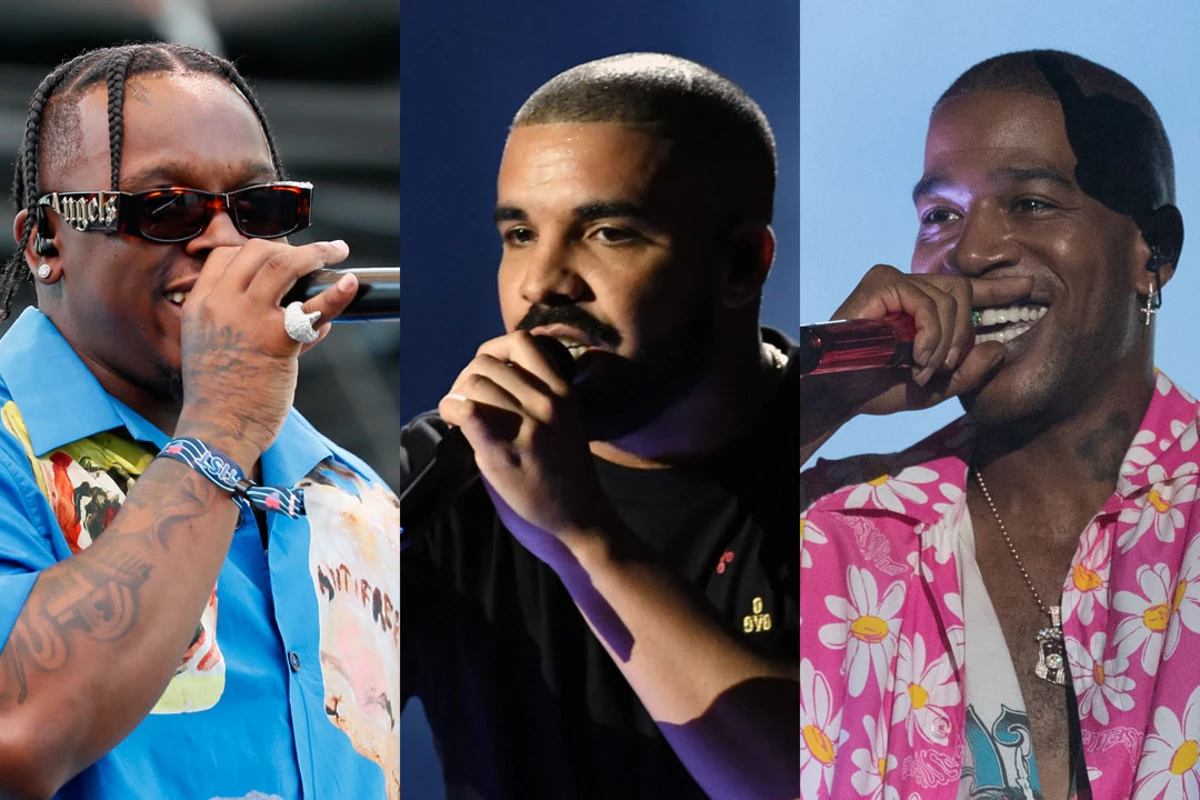
A performer stands downstage under a harsh white spotlight, shifting between sung counterpoint and rapid-fire verses. The distinction between singing and rapping, once enforced by strict musical genre boundaries, has effectively dissolved. From commercial stages in Manhattan to correctional facilities running spoken-word arts interventions, performers routinely fuse vocal melody with percussive verse to communicate character, urgency, and internal conflict. As documented in a recent Revolt TV Report tracing how hip-hop took over Broadway stages, the cadence of the genre has grown into one of theater's most potent dramatic engines.
This crossover is far more than an aesthetic trend. Traditional book musicals often pause narrative progression so a soloist can elaborate on an emotion across a three-minute ballad. Rhymed metric storytelling, by contrast, accelerates exposition without sacrificing interior depth. Playwrights and directors now treat rhythmic cadence and melodic rap as core dramaturgical tools, proving that the pairing of lyricism and rhythm can anchor complex historical retellings as easily as grassroots rehabilitation programs.
📌 Quick Summary:
- The Structural Shift: Performers increasingly blend vocal dexterity with syncopated delivery to compress narrative exposition and articulate complex character motivations.
- The Institutional Impact: Broadway productions and grassroots justice initiatives both utilize hip-hop theater to bypass conventional dramatic pacing and engage nontraditional audiences.
- The Creative Repertoire: Modern staging requires cross-genre vocalists capable of sustained melodic pitch alongside high-speed technical enunciation.
Breaking the Proscenium: The Evolution of Melodic Verse
For decades, commercial musical theater treated rap as a novelty act or a comedic aside. Productions that attempted to graft street sounds onto golden-age orchestral structures frequently produced awkward, stilted caricatures. The turning point arrived when artists raised inside hip-hop culture began writing for the theater from the ground up, recognizing that the dramatic demands of a libretto mirror the mechanics of a concept album.
Early landmarks laid the groundwork. Works like George C. Wolfe’s 1995 production *Bring in 'da Noise, Bring in 'da Funk* demonstrated that street rhythms could drive theatrical pacing. Later, Lin-Manuel Miranda’s *In the Heights* (2008) proved that salsa, sung musical theater hooks, and rapid-fire bilingual verses could coexist harmoniously on a commercial stage. The underlying vocal delivery shifted from isolated, speak-singing interludes into fluid, hybrid flows that transitioned between pitch-perfect singing and rhythmically precise rap in the span of a single bar.
The Structural Architecture of Musical Storytelling
When writers build theatrical hip-hop, they confront a practical math problem: information density. A traditional Broadway tune averages 80 to 120 words per minute. A dense hip-hop bar easily clocks 200 words per minute while maintaining strict multisyllabic rhyme schemes. This density lets an author unpack decades of historical context, political theory, or psychological trauma in fractions of the time required by standard operatic recitative.
In a 2020 conversation with The Big Issue, Lin-Manuel Miranda reflected on this natural affinity, explaining: "It was a no-brainer to take hip-hop into theatre." He noted that the medium demands immense lyricism, making rap the natural linguistic vehicle for intense narrative compression. Characters who sing communicate vulnerability, longing, or despair; characters who rap display sharp calculation, intellect, and defensive armor. Blending both within a single character arc reveals layered psychological states that monologues alone struggle to capture.
From Commercial Showcases to Social Interventions
The technical demands of modern hip-hop theater have evolved across multiple distinct stages over the past three decades, transitioning from experimental fringe workshops to billion-dollar commercial runs and restorative justice facilities.
| Era & Setting | Defining Production Model | Vocal & Lyrical Format |
|---|---|---|
| 1995, 2005: Fringe Foundations | Downtown workshops, choreopoems, and spoken-word collectives | A cappella spoken verse paired with heavy live percussion and jazz-inflected hooks |
| 2008, 2015: Commercial Legitimacy | Broadway runs (*In the Heights*, *Holler If Ya Hear Me*, *Hamilton*) | Complex multisyllabic rhyming interwoven with traditional four-part Broadway harmonies |
| 2016, 2026: Institutional Integration | Regional theater revivals, school curricula, and prison theater initiatives | Autobiographical verse, restorative spoken-word drama, and cross-genre stage vocalization |
The vocal stamina demanded by these scores is punishing. Performers must manage breath control to deliver six straight syllables on an eighth-note grid, then immediately widen their soft palate to hit a sustained, resonant vocal belt. Conservatories now train cross-genre vocalists specifically in diaphragmatic pacing for spoken rhythms alongside traditional bel canto technique.

Beyond the Box Office: Hip-Hop Theater Behind Bars
While Broadway capitalized on the commercial potency of lyrical rhythm, correctional facilities across the United States discovered its therapeutic and rehabilitative weight. Organizations like Rehabilitation Through the Arts (RTA) in New York state and Shakespeare Behind Bars have incorporated spoken-word verse, hip-hop theater, and melodic composition into their ongoing workshops.
Writing rhymed, rhythmic verse requires participants to organize chaotic life experiences into strict meters. The structural discipline of the four-bar measure enforces clarity, emotional restraint, and intentional word choice. Incarcerated writers regularly stage original productions where melodic hooks convey grief or remorse, while rap verses lay bare the concrete realities of systemic poverty, systemic failure, and personal culpability. A 2024 survey of carceral creative arts programs observed that participants engaging in rhythm-based creative writing modules showed a marked reduction in disciplinary infractions and reported stronger emotional processing skills.
Inside these workshops, performance strips away commercial polish to reveal hip-hop's core utility: an accessible, democratic mode of personal testimony. Incarcerated actors do not require elaborate sets, expensive pit orchestras, or intricate lighting rigs. A simple human beatbox or a bare stage provides the rhythmic canvas needed to tell urgent, deeply human stories.
Vocal Dexterity and the Demands on Modern Stage Performers
The contemporary audition room looks drastically different than it did two decades ago. Casting directors for touring productions and regional stages routinely evaluate rhythmic pocket alongside traditional vocal range. A performer auditioning for modern ensemble roles must possess sharp musicality, locking into syncopated grooves without trailing the conductor's downbeat.
Singing and rapping place divergent mechanical demands on the human voice. Sung notes rely on continuous airflow and steady vocal fold vibration, while percussive rhyming depends on rapid glottal stops, aggressive diction, and tight consonant articulation. Switching between both modes in real time can quickly cause vocal fatigue if an actor lacks proper technique. Specialized vocal coaches now use custom warmup regimens, combining classical arpeggios with staccato consonant drills, to help stage performers maintain vocal longevity across eight demanding performances a week.
Frequently Asked Questions (FAQ)
Q1: How does theatrical hip-hop differ from conventional spoken-word poetry?
A1: While spoken-word poetry emphasizes free-form metric flexibility and solo recital, theatrical hip-hop operates on strict musical time signatures, uses narrative counterpoint, and coordinates with orchestrations to advance plot and develop character arcs across an ensemble cast.
Q2: Why are correctional facilities using hip-hop theater for rehabilitation?
A2: The structural boundaries of metric rhyme require emotional discipline, structured self-reflection, and precise language. Participants process personal trauma, cultivate collaborative performance skills, and discover productive outlets for complex frustrations without needing expensive theatrical resources.
Q3: What unique vocal strain comes with alternating between singing and rapping on stage?
A3: Rapping requires heavy consonant articulation, rapid glottal stops, and quick breath cycles, while singing demands open resonance, continuous airflow, and sustained vocal fold relaxation. Switching between them without dedicated cross-training can trigger muscle tension and vocal fatigue.
What Lies Ahead for Hybrid Vocal Storytelling
The boundary between melodic vocalization and rapid-fire lyricism has fallen for good. As younger writers emerge from diverse musical backgrounds, theater continues to move away from rigid genre classifications, embracing lyrical delivery as a primary tool for dramatic expression.
This synthesis equips future dramatists to tackle intricate, fast-moving themes that strain traditional theatrical structures. Whether chronicling historical upheaval on Broadway or fostering restorative self-reflection behind prison walls, the marriage of vocal melody and percussive rhythm provides a vital stage language for our time.
