The Sacred Meaning Behind San Judas Tadeo Arm Tattoos Revealed
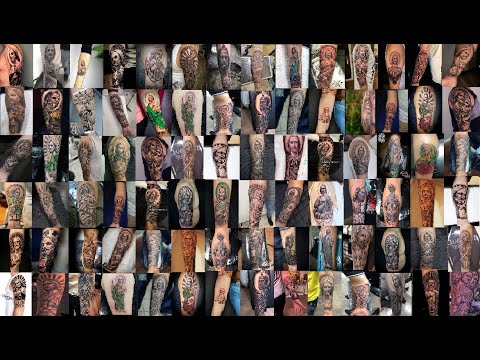
Every month, tattoo studios across Mexico City, Los Angeles, and Chicago see an influx of clients carrying worn prayer cards of Saint Jude Thaddeus. For many collectors, engraving this figure onto skin is not an aesthetic impulse; it is the fulfillment of a solemn vow (a manda) made during life's darkest moments. Digital showcases tracking this sacred body art, notably documented in a YouTube (La Santa Corona) Report, highlight how arm sleeves dedicated to the patron saint of lost causes have become one of the most requested and culturally layered forms of religious ink worldwide.
The arm serves as an open canvas of faith, survival, and identity. Whether executed in classic Chicano tattoo style or hyper-detailed realism, these tattoos translate centuries-old Catholic iconography into modern armor. Understanding why this trend continues to accelerate in 2026 requires looking past surface-level ink into the deep theology, street heritage, and personal covenants stamped into human flesh.
📌 Key Takeaways:
- The Sacred Covenant: Most San Judas arm tattoos originate as fulfilled promises (mandas) following recovery from illness, legal troubles, addiction, or economic ruin.
- Iconographic Precision: Traditional designs must include distinct biblical markers: the flame of the Holy Spirit, the Medallion of Edessa, a walking staff, and green mantle symbolism.
- Stylistic Shift: While fine-line black and grey realism still dominates Catholic portraiture, artists in 2026 increasingly blend vivid emerald accents into monochromatic sleeves.
The Street Roots and Sacred Vows of Saint Jude Devotion
Devotion to Saint Jude Thaddeus holds a unique place in contemporary Mexican and diaspora culture. Canonically recognized as an Apostle and martyr, Jude historically spent centuries overshadowed by Judas Iscariot due to their shared first name. Early Catholics believed praying to Jude was an absolute last resort, cementing his legacy as the patron saint of lost causes and desperate situations. In modern urban centers like Mexico City's San Hipólito Church, his monthly veneration every 28th day draws thousands of youth, blue-collar workers, and marginalized communities who feel ignored by conventional institutions.
When someone receives a perceived miracle, whether beating a terminal diagnosis, securing asylum, or surviving street violence, tradition demands reciprocity. A Saint Jude Thaddeus tattoo acts as permanent collateral. Tattooers in East Los Angeles report that clients rarely arrive asking for artistic improvisations of the saint's face. Instead, they demand strict adherence to the statue's features: steady eyes, classical posture, and uncompromised dignity. The tattoo serves as an unwritten contract, visible every day to the wearer and their community.
Decoding the Sacred Iconography: From the Medallion to the Flame
A legitimate religious arm sleeve design featuring Saint Jude relies on exact theological markers. Misinterpreting these symbols breaks the spiritual connection wearers seek to preserve. The most crucial feature is the tongue of fire resting upon his head, symbolizing Pentecost when the Holy Spirit descended upon the Apostles. In forearm religious ink, artists highlight this flame to represent divine wisdom and moral guidance during moments of uncertainty.
Across his chest hangs the Medallion of Edessa, bearing an impression of the face of Jesus Christ (the Image of Edessa). According to church tradition, Jude carried this cloth image to King Abgar of Edessa to cure his leprosy. In tattoo composition, this medallion represents healing and an unbreakable bond between the saint and Christ. The garment itself carries weight: the green mantle symbolism embodies hope and spiritual renewal against all earthly odds, while the wooden club or halberd clutched in his hand quietly marks his martyrdom in ancient Persia.
Stylistic Traditions Across Studios: Comparing Ink Approaches
San Judas arm pieces generally fall into three artistic schools, each offering distinct aesthetics, wear profiles, and session timelines.
| Style Category | Visual Characteristics | Average Sessions & Cost (2026) |
|---|---|---|
| Chicano Fine-Line Black & Grey | Single-needle shading, soft gray washes, filigree lettering, cloudscapes, and hyper-clean drapery folds. | 1, 2 sessions | $600, $1,200 |
| Black and Grey Realism | Photorealistic facial textures, deep opaque blacks, dramatic chiaroscuro lighting, and textured fabric rendering. | 2, 3 sessions | $1,200, $2,500 |
| Color Realism & Selective Accent | Monochrome portraiture paired with saturated emerald greens on the cloak and warm golds on the medallion. | 2, 4 sessions | $1,500, $3,200 |
The choice of style frequently reflects regional culture. In Southern California and Texas, Chicano fine-line remains the gold standard, tracing its lineage back to Mexican-American prison artists of the 1970s who used single-needle rigs to create smooth, atmospheric gradients. In modern European and South American shops, artists lean heavily toward high-contrast realism, turning the outer bicep into a marble sculpture carved straight from a Renaissance cathedral.

Strategic Arm Placement: Why the Forearm and Bicep Take Priority
Saint sleeve placement is rarely accidental. Devotees overwhelmingly position San Judas on the inner or outer forearm. This placement allows the wearer to look directly down at the saint during prayer, creating an intimate talisman during high-stress hours. When hands are extended in manual labor or greeting, the image is immediately visible to others, acting as public witness to the wearer's faith.
Outer bicep and full-arm projects offer structural advantages for larger narratives. A standard full arm integrates San Judas as the anchor on the lower arm, topped by the Sacred Heart, praying hands with a rosary, or the Virgin of Guadalupe on the upper shoulder. Placing Saint Jude on the dominant arm also carries protective Catholic tattoo symbolism: it represents divine strength guiding every physical action the wearer undertakes.
Navigating Stigma, Authenticity, and Religious Scrutiny
Protective Catholic tattoos have weathered complicated relationships with both institutional religion and law enforcement. In past decades, authorities in Mexico and the United States frequently stereotyped Saint Jude tattoos, incorrectly linking them exclusively to cartel subcultures or street gangs. This narrow perception overlooked the millions of everyday working-class families, nurses, mechanics, and small business owners who revere him purely for personal health and financial survival.
The Catholic Church itself has historically maintained ambiguous stances regarding body art. While Levitical passages discouraged flesh cuttings, contemporary clergy across Latin America routinely bless tattooed parishioners during Saint Jude feast days. Parish priests in Mexico City acknowledge that for many young believers, these tattoos represent the most honest form of catechism they practice, wearing their patron on their body long after childhood catechism lessons have faded.
Frequently Asked Questions (FAQ)
Q1: What does a San Judas Tadeo arm tattoo symbolize?
A1: It symbolizes unwavering faith in desperate or hopeless circumstances, gratitude for answered prayers, divine protection, and the fulfillment of a sacred vow (manda) made during personal hardship.
Q2: Why is the medallion on San Judas's chest so important?
A2: The Medallion of Edessa features the face of Jesus Christ. It represents miraculous physical healing, divine authority, and the historical mission of Saint Jude delivering Christ's image to cure King Abgar.
Q3: How much does a full Saint Jude arm sleeve typically cost in 2026?
A3: A comprehensive sleeve completed by an experienced black and grey realism specialist ranges between $2,500 and $5,000, depending on artist reputation, hourly rates (averaging $180, $300 per hour), and total detail complexity.
Q4: Can Catholic priests bless a Saint Jude tattoo?
A4: Yes. While official church doctrine does not require or explicitly mandate tattooing, many local priests across Mexico, the United States, and Latin America regularly sprinkle holy water on devotional tattoos during annual October 28 celebrations.
The Lasting Mark of Devotion
Tattoos come and go with shifting fashion trends, but devotional arm ink answers to a different authority. For the millions who carry Saint Jude across their forearms and shoulders, these markings represent survival milestones. The ink preserves the exact moment someone hit rock bottom, asked for divine intervention, and found a way forward.
As tattoo equipment, pigments, and realistic shading techniques advance, the core motivation behind these pieces stays rooted in ancient tradition. A San Judas Tadeo arm sleeve remains an enduring proclamation of resilience, a permanent reminder that even when every earthly door slams shut, hope remains carved into the skin.
