The Ultimate Guide to 'Let It Go' Memes: Meanings, Templates, and Best Uses
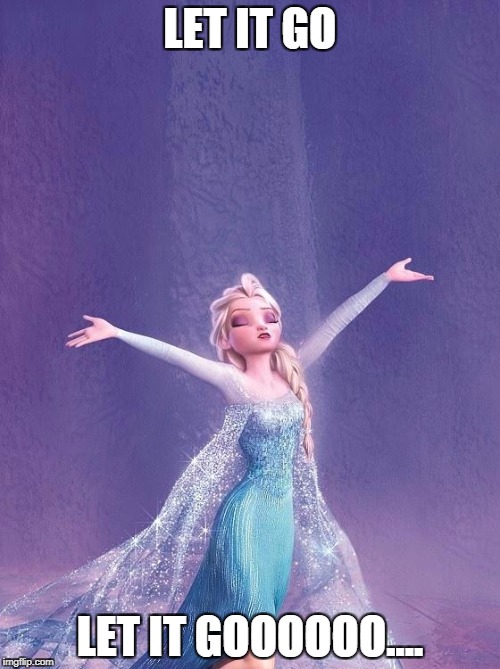
When Disney released Frozen in November 2013, the animation giant anticipated a commercial win, not an inescapable cultural fixture. Idina Menzel’s theatrical performance of "Let It Go" quickly swept global charts, collected an Academy Award, and embedded itself in millions of family households. Almost immediately, the internet seized the orchestral anthem and stripped away its fairy-tale earnestness, repurposing Elsa's grand emancipation into the universal currency of sarcastic reaction GIFs, dramatic walkout memes, and deadpan burnout humor.
While researchers often examine how short catchphrases mutate across media ecosystems, a dynamic tracked by an AP News Report on viral phrase adoption and modern linguistic memes, the cinematic ballad followed its own chaotic trajectory. Over a decade later, the sequence where Elsa sheds her royal mantle has become digital shorthand for abandoning hopeless disputes, resigning from toxic workplaces, and watching chaotic situations unravel without lifting a finger.
📌 Key Takeaways:
- Origins: The meme stems from Elsa's musical transformation in Disney's 2013 animated feature Frozen, composed by Kristen Anderson-Lopez and Robert Lopez.
- The Pivot: Online creators stripped the song's sincerity, turning the lyrics and visual cues into vehicles for relatable burnout humor and defiant disengagement.
- Modern Utility: On short-form video platforms, pitch-shifted audio clips and dramatic door-slam cuts serve as universal templates for corporate exits and everyday boundary-setting.
From Theatrical Liberation to Sarcastic Reaction Shorthand
In the original film sequence, Elsa flees Arendelle after accidentally revealing her cryokinetic powers. Reaching the North Mountain, she sheds her gloves, lets down her braided hair, and builds an isolated crystalline fortress. The scene was constructed as a traditional Broadway-style realization of personal freedom. Yet the visual language, especially the dismissive cape toss and the final, defiant door slam, carried an innate theatricality that lent itself perfectly to online parody.
Early iterations flourished on Tumblr and YouTube between 2014 and 2016. Users synchronized Menzel's high notes to footage of office workers walking out on late shifts, pets causing absolute domestic destruction, or video game characters glitching into digital voids. The core comedic mechanism relied on bathos: contrasting an operatic, high-stakes declaration of self-actualization against trivial, everyday annoyances. Dropping an ice cream cone became a reason to sing; failing a math exam prompted an Elsa-style strut into the woods.
The Essential Templates: Image Macros, Door Slams, and Soundbites
Visual humor relies on instantly recognizable physical gestures. The "Let It Go" sequence provided several distinct motion clips that quickly codified into standard image macro formats and video loops.
The first dominant template isolates the moment Elsa flings her royal cape into the howling wind. Paired with captions about canceling plans or unmatching a disappointing dating prospect, the image captures immediate, guilt-free release. Creators do not use it to express triumph; they use it to express radical indifference.
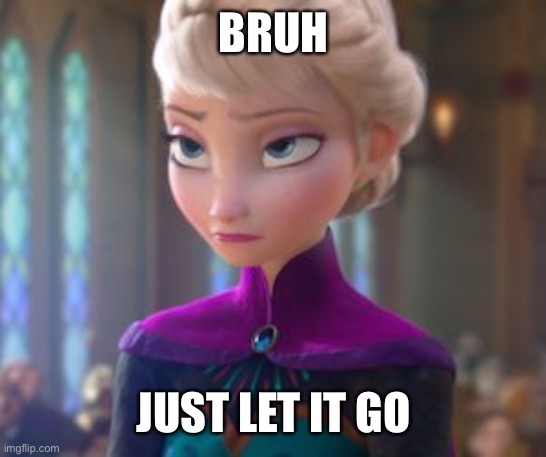
The second template captures the song's closing visual: Elsa stepping onto her ice balcony, uttering the final line ("The cold never bothered me anyway"), and slamming the ornate double doors shut in the viewer's face. This clip operates as an absolute conversational guillotine. Reddit threads, Slack channels, and comment sections routinely deploy the GIF to conclude circular arguments or dismiss unwanted unsolicited advice.
On TikTok and Instagram Reels, the song found second life through audio manipulation. Creators warped Menzel's vocals with heavy bass distortion, aggressive pitch shifts, or intentional clipping. These viral soundbites accompany clips of people walking away from workplace confrontations, leaving unwashed dishes in the sink, or watching catastrophic code compile without attempting a fix.
The Evolution of 'Let It Go' Formats Across Digital Eras
Internet formats rarely stay static. Over thirteen years, the humor shifted from literal musical pastiches into fragmented, cynical micro-content tailored for rapid algorithmic consumption.
| Era & Platform Focus | Dominant Meme Format | Cultural Tone & Intent |
|---|---|---|
| 2013, 2016YouTube, Tumblr, Facebook | Full-length musical parodies, lip-sync videos, and basic top-text/bottom-text image macros. | Earnest playfulness; lighthearted family exhaustion over song overplay. |
| 2017, 2021Twitter, Reddit, Imgur | Sarcastic reaction GIFs, door-slam dismissal loops, and screenshot reaction chains. | Cynical detachment; online argument shut-downs and social battery exhaustion. |
| 2022, 2026TikTok, Reels, Shorts | Distorted audio mashups, dramatic POV walkouts, and corporate "quiet quitting" skits. | Absurdist burnout comedy; intentional boundary enforcement against institutional pressure. |
The Sociological Pull of Burnout Humor
The longevity of the meme speaks to changing attitudes around modern labor and stress. In the late 2010s, digital discourse leaned heavily on hustle culture. By the mid-2020s, that ethos largely collapsed under widespread fatigue. Giving up ceased to look like failure; it looked like self-preservation.
Elsa’s ballad functions as an ideal vessel for this shift because the character actively abandons her assigned duties to sit alone in an empty castle. She does not negotiate with the kingdom. She leaves. When a remote worker closes their laptop at 4:59 PM while an urgent email chain explodes in their inbox, pairing the moment with Elsa singing "turn away and slam the door" offers genuine catharsis.
Humor theorists call this benign violation: a stressful, high-pressure scenario made harmless by theatrical exaggeration. Instead of agonizing over a broken water heater or an unreasonable manager, posting an Elsa reaction template signals that the situation has crossed into absurd territory. The user concedes defeat with absolute theatricality.
Guidelines for Creating Fresh Variations
Creating content around a decade-old pop culture asset requires avoiding exhausted tropes. Slapping bold text over a stock image of Elsa no longer works. Modern digital audiences respond to specific, high-friction scenarios rather than generic sentiments.
To execute the format effectively, focus on three specific mechanics:
First, maintain sharp contrast. The comedy collapses if the situation matches the grandeur of the music. The song works best when attached to micro-crises: a failed attempt at baking bread, a minor scheduling error that ruins an entire afternoon, or an argument over who forgot to run the dishwasher.
Second, respect the visual cut. If using video, the comedic punchline lives in Elsa’s final door slam. Cut to black on the exact beat where the heavy ice doors strike each other. Dragging the clip out for even half a second ruins the deadpan timing.
Finally, steer clear of hollow corporate marketing. When brands adopt the template to promote clearance sales or customer service slogans, the inherent rebellion disappears. The meme belongs to individuals throwing their hands up in exasperation, not brand accounts attempting to look relatable.
Frequently Asked Questions (FAQ)
Q1: Why did 'Let It Go' become a meme instead of other Disney songs?
A1: The song combines extreme operatic sincerity with decisive physical gestures, such as flinging a cape and slamming doors shut. This visual and tonal intensity makes it easy to juxtapose against petty, everyday frustrations for comedic effect.
Q2: What is the most popular video variation of the meme on modern platforms?
A2: Short-form video platforms frequently feature "dramatic walkout" skits. Creators play high-decibel or distorted snippets of the chorus while physically leaving workplaces, awkward parties, or escalating arguments.
Q3: Does Disney issue copyright strikes against social media memes using the song?
A3: Disney licenses its music library extensively across TikTok, YouTube Shorts, and Meta platforms. Using short, official audio soundbites within platform-provided audio libraries is generally permitted, though full-length reuploads or unauthorized commercial advertisements face strict automated copyright enforcement.
The Enduring Pull of Elsa's Door Slam
Pop culture produces dozens of chart-topping songs every year, yet virtually none develop an enduring, multi-generational meme lifecycle. Most internet trends flare for three weeks and vanish completely from collective memory. "Let It Go" evaded this fate by becoming an indispensable piece of emotional punctuation.
The ballad endured because it expresses a feeling that never becomes obsolete: the sudden, thrilling realization that a problem is no longer your responsibility. Whether delivered through a blurry animated GIF, a pixelated screen capture, or an ear-splitting phone speaker, Elsa walking away from her duties remains the definitive internet symbol for walking out the door.
