The Ultimate Hobby Lobby Dollhouse Starter Guide: Kits, Tools, and Tips
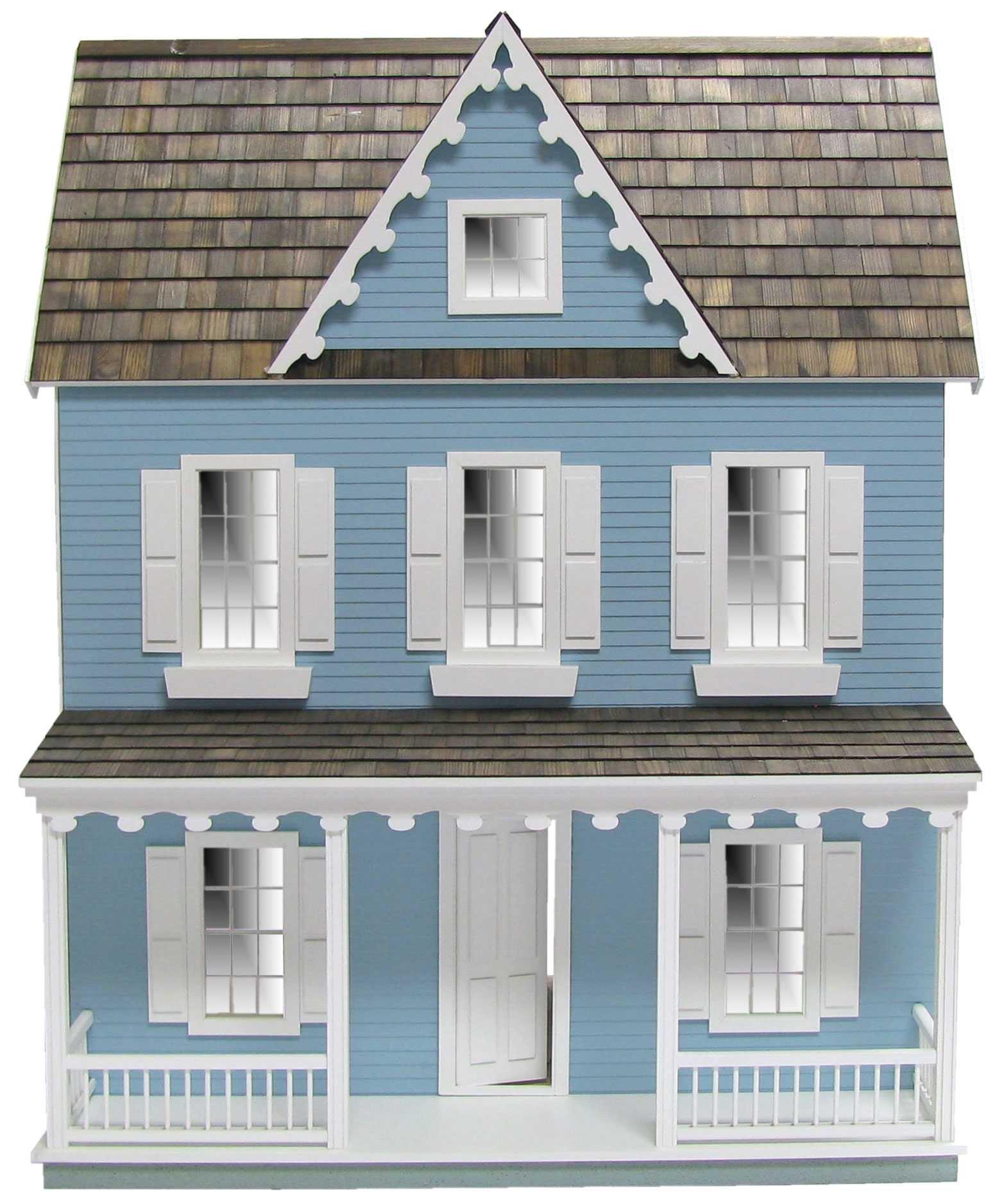
Miniature crafting has quietly migrated from quiet basement workshops into mainstream lifestyle culture. Where dollhouse construction once required specialized trade catalogs and artisanal cabinetmakers, big-box craft retail now supplies the bulk of materials for modern hobbyists, architectural modelers, and room-box artists. A recent Tasting Table Report showcased how tiny domestic pieces have surged into everyday aesthetics, turning miniature cooking tools and micro-pantries into genuine home decor trends.
At the center of this accessible micro-craze sits Hobby Lobby. The retailer's miniature aisle carries everything from die-cut structural shells to turned-wood balustrades. Navigating these shelves requires a critical eye. Between shifting discount cycles and wide variations in material tolerances, transforming a flat-packed wooden box into an heirloom display demands both technical planning and strategic shopping.
📌 Key Takeaways:
- Scale Consistency: Hobby Lobby's proprietary Mayberry Street Miniatures line generally follows the standard 1:12 scale, but accessory pieces occasionally drift into 1:10 or 1:16 proportions.
- Structural Assembly: Building unfinished wood dollhouse kits requires wood-specific PVA glues, specialized bar clamps, and pre-assembly dry-fitting to prevent irreversible warping.
- Purchasing Strategy: Standard rotating discounts slash prices by 40% to 50% every few weeks, while end-of-season clearance rounds offer deeper markdowns for budget builds.
Navigating the Miniature Aisle: Mayberry Street and Third-Party Kits
Step into the woodworking and model aisle at Hobby Lobby, and you immediately meet Mayberry Street Miniatures. This in-house brand dominates the store's miniature footprint, supplying tiny parlor sets, cast-resin breakfast plates, brass-finished hinges, and bundled building materials. Alongside these branded blisters hang boxed shells from legacy kit producers like Real Good Toys and Greenleaf, offering different entry points for beginners and seasoned crafters alike.
The product catalog splits across two primary structural materials: thin die-cut birch plywood and thicker milled medium-density fiberboard (MDF). Greenleaf kits, frequently featured on clearance endcaps, rely on stamped 1/8-inch plywood sheets. They demand aggressive sanding, careful punch-out handling, and gap-filling wood putty. By contrast, MDF structures provide dead-flat surfaces and crisp 90-degree corners, though they add considerable weight and react poorly to water-heavy adhesives.
The assortment caters to distinct subcultures. Historical restorers shop the aisle for miniature architectural components such as Victorian roof brackets and dentil mouldings. Meanwhile, modern diorama artists scour the displays for diorama supplies to create hyper-realistic book nooks, abandoned urban settings, and micro-studios. Knowing your structural goals before loading a cart prevents costly inventory mismatches later.
Unfinished Wood Dollhouse Kits: Build Quality, Joint Alignment, and Assembly Tools
Opening an unfinished wood dollhouse kit can intimidate first-time builders. Dozens of stamped wood sheets, loose strip wood, and cellophane bags of plastic window panes spill across the workbench. Structural success hinges on avoiding the most common builder trap: gluing pieces immediately out of the box.
Dry fitting is non-negotiable. Plywood sheets absorb humidity in distribution warehouses, causing subtle bowing across main floorplates and exterior walls. Clamping panels together dry with blue painter's tape allows you to identify warped panels, misaligned tab-and-slot joints, and rough edges before any adhesive bonds. Builders should assemble an essential toolkit before opening the glue bottle:
- Adhesives: Standard yellow carpenter's PVA glue forms bonds stronger than the wood itself. Avoid hot glue guns for load-bearing walls; hot melt adhesive becomes brittle within two to three years, causing entire wall joins to snap under seasonal temperature shifts.
- Tension Tools: Stock up on miniature bar clamps, corner clamps, and heavy masking tape. Elastic bands work well for holding small bay window assemblies under compression.
- Surface Prep: Medium 150-grit and fine 220-grit sandpaper, backed by small sanding blocks, clean tab burrs without rounding off straight edges.
- Precision Cutting: A heavy-duty hobby knife with fresh #11 blades trims binding tabs and cleans out window mortises cleanly.
Allow glue joints to cure under clamp pressure for a full 24 hours before handling the shell. Rushing this stage introduces structural twists that make installing roof shingles and hanging miniature interior doors nearly impossible.
The 1:12 Scale Matching Test: Proportions, Furniture Durability, and Material Flaws
The gold standard of traditional miniature craft is the 1:12 scale, where one inch of model space translates to one foot of real-world dimension. While Mayberry Street Miniatures markets its accessories under this ratio, actual manufacturing tolerances show noticeable drift. Some imported sofa frames appear oversized next to traditional artisan pieces, measuring closer to 1:10 scale, while certain dining sets lean closer to 1:14.
Durability varies substantially by material class. Turned-wood furniture pieces withstand years of repositioning, sanding, and restaining. Resin kitchen accessories, however, are prone to brittle fractures if dropped onto hard floors. To help evaluate what to buy and what to modify, the breakdown below details how major Hobby Lobby miniature categories perform in practical builds:
| Product Category | Primary Material | Scale Fidelity & Durability | Typical Price Range |
|---|---|---|---|
| Unfinished Kits | Birch Plywood / MDF | Accurate 1:12 shells; requires sanding and gap-fill | $89.99, $199.99 |
| 1:12 Scale Furniture | Basswood, Poly-resin, Fabric | High durability; occasional scale drift on upholstered chairs | $4.99, $18.99 |
| Flooring & Wallpapers | Embossed Cardstock, Wood Veneer | Excellent visual scale; paper sheets curl if wet-glued | $3.49, $9.99 |
| Lighting Fixtures | Cast Metal, Brass, LED / Grain of Wheat | Fragile micro-wiring; modern battery versions offer easy mounting | $6.99, $16.99 |
| Kitchen Accessories | Cold-cast Resin, Stamped Tin | Highly detailed; brittle under impact drops | $2.99, $11.99 |
When selecting pieces, bring a small ruler to the store. Measuring doorways, chair heights (standard seat height should hover between 1.25 and 1.5 inches), and kitchen counter surfaces (ideally 3 inches from floor to counter) ensures your scene maintains convincing perspective.

Interior Finishes: Flooring, Wallpaper, and Architectural Detailing
Decorating interior dollhouse rooms mirrors real construction, but with micro-tolerances. Standard latex house paint and liquid wallpaper paste will ruin a miniature build; excess water content causes cardboard, cardstock, and thin wood veneer to blister and ripple instantly.
When applying miniature flooring and wallpaper, spray adhesives or acid-free double-sided adhesive film provide the best results. If using traditional liquid dollhouse wallpaper mucilage, apply it in a paper-thin coat using a foam roller, then squeegee the surface flat with an old plastic gift card. For authentic wooden floorboards, builder-grade basswood strips stained with oil-based wood stain and sealed with satin polyurethane yield museum-grade realism at a fraction of pre-sheeted flooring costs.
Miniature architectural components elevate an ordinary plywood box into an architectural statement. Hobby Lobby stocks pre-cut baseboards, crown mouldings, stair balusters, and turned newel posts. Always pre-paint or pre-stain these trim pieces before cutting. Use a miniature miter box and razor saw with 42 teeth per inch to execute crisp 45-degree corner joints. Mismatched gaps can be camouflaged using paintable wood putty applied with a toothpick.
Illuminating the Build: Wiring Runs and Kitchen Detailing
Lighting separates flat craft projects from immersive dioramas. Hobbyists choose between two primary methods for dollhouse lighting fixtures: traditional copper tape wire systems or self-contained battery-operated magnetic LEDs.
Tape wiring embeds flat copper conductors beneath wallpaper and floorboards, connecting down to a single 12-volt transformer. It allows centralized switching and tiny, scale-accurate chandeliers. It also requires soldering, careful continuity testing, and brass brad piercing. A single break inside an adhesive layer can disable power to an entire second floor.
Modern battery fixtures represent a major leap forward for casual builders. These self-contained units house tiny 3-volt coin-cell batteries (CR1632 or CR2032) and built-in micro-switches inside brass ceiling canopies. They adhere directly to ceiling surfaces using miniature neodymium magnets, allowing you to remove them instantly for battery swaps without damaging your ceilings.
Once illumination is set, dollhouse kitchen accessories bring the room to life. Realistic displays balance glossy and matte surfaces. Placing tiny cast-iron skillets onto stove grates, tucking resin spice jars into miniature pantries, and arranging hand-painted porcelain mixing bowls adds lived-in texture that catches the overhead light realistically.
Shopping Strategy: Clearance Cycles, Pricing Discrepancies, and Weekly Markdowns
Building a fully appointed dollhouse is an investment, but paying full retail is avoidable. Hobby Lobby operates on predictable sale rotations, alternating departments weekly or bi-weekly. Miniature items, unfinished wood kits, and architectural trims routinely drop by 40% to 50% during their designated promotion weeks. If the miniature aisle is full price during your visit, wait seven days; the discount almost always rotates back into place.
Major savings hide in the clearance aisles. During biannual resets, discontinued furniture models and boxed kits receive deep price cuts, dropping up to 75% off the original sticker price. An investigative account published by TwistedSifter highlighted instances where identical items carried different clearance stickers in the same store due to rolling inventory tag cycles. Savvy shoppers check clearance endcaps and examine shelf tags across adjacent aisles for unexpected markdowns.
Beyond the dollhouse aisle itself, look through other store departments for budget supplies:
- Jewelry Making: Findings, jump rings, and headpins make convincing cabinet knobs, drawer pulls, and curtain rods.
- Floral Craft: Preserved moss, fine wire, and dried seed heads supply convincing landscaping foliage for dollhouse porches.
- Sewing & Fabric: Scrap fabric quarters provide tightly woven cotton and linen patterns scaled appropriately for miniature upholstery, curtains, and bedding.
Frequently Asked Questions (FAQ)
Q1: What is the best glue for assembling a wooden dollhouse kit?
A1: Professional-grade wood glue (such as Titebond II or Gorilla Wood PVA) provides the strongest permanent bond for bare wood joints. Use quick-drying clear tacky glue for interior trims, mouldings, and wallpapers. Avoid hot melt glue guns for structural load-bearing walls, as hot glue degrades and cracks over time.
Q2: Can you mix 1:12 scale furniture from different manufacturers?
A2: Yes, but keep a tape measure on hand. While 1:12 scale mathematically means one inch equals one foot, actual furniture proportions vary across brands. Mayberry Street furniture often features slightly thicker wooden legs and bulkier seat cushions than handcrafted artisan pieces. Measure doorway clearances and seat heights before securing items permanently.
Q3: How do you prevent dollhouse wallpaper from bubbling?
A3: Avoid water-rich glues like standard school paste. Coat the back of your paper with heavy-duty spray adhesive, acid-free double-sided sheet adhesive, or a thin layer of specialized dollhouse wallpaper paste applied with a dense foam roller. Always seal interior wooden walls with primer first to keep natural wood oils from bleeding through the paper.
The Evolution of Modern Miniature Making
The miniature hobby has moved past the era of pristine, untouchable Victorian parlors kept behind locked glass cabinets. Today's crafters use unfinished shells as blank canvases for mid-century modern retrofits, industrial loft layouts, and cozy rustic farmhouses. The availability of low-cost components turns these wood kits into experimental platforms for interior styling and structural woodworking.
Transforming flat sheets of birch and bags of miniature parts into an authentic micro-residence takes patience, steady sanding, and careful budgeting. Armed with the right adhesives, scale awareness, and an eye on weekly discount schedules, anyone can turn an affordable starter kit into a striking, personalized miniature home.
