The Video Clips Fueling 'I'm Tired Grandpa': Social Proof Behind the Trending Audio
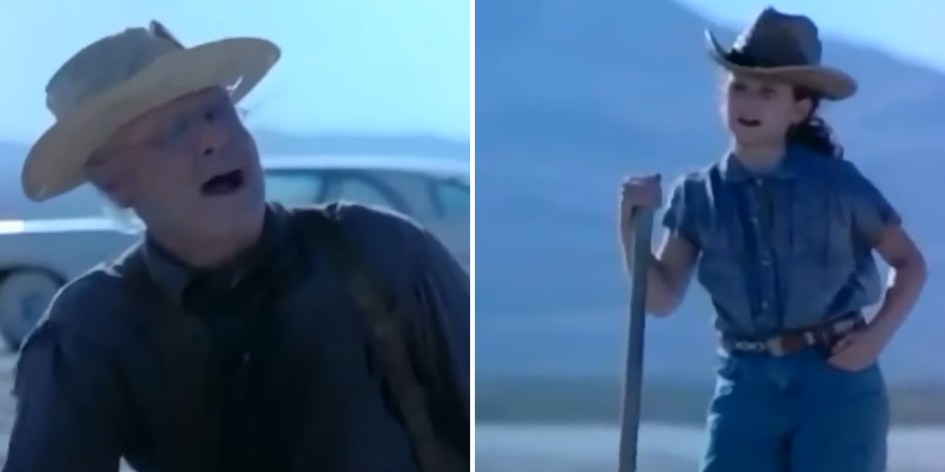
Few soundbites have captured the exhaustion of the modern workforce quite like a raspy, sun-scorched exchange lifted from a two-decade-old family film. Across TikTok, Instagram Reels, and X, millions of video clips now deploy the iconic Holes movie quote as the default punchline for student burnout, inflation fatigue, and corporate overload. Detailed tracking in The Daily Dot Report and digital archives at Know Your Meme confirm that the brief exchange has evolved from a nostalgic movie throwback into an enduring shorthand for generational frustration.
The premise is disarmingly simple. A child complains of fatigue; an unyielding elder barks back with zero empathy. That blunt tension fuels thousands of daily uploads where creators lip-sync the dialogue over unpaid overtime slips, mounting utility bills, and political gridlock. Rather than fading after a brief viral cycle, the clip has cemented itself as a permanent fixture in the algorithmic bloodstream.
📌 Key Takeaways:
- The Origin: The audio stems from Andrew Davis's 2003 Disney adaptation of Holes, spoken during a punitive labor scene at Camp Green Lake.
- The Audio Hook: The high-pitched whine ("I'm tired of this, grandpa!") countered by a callous gravel roar ("Well, that's too damn bad!") provides perfect comedic pacing for short-form video.
- The 2026 Reality: The meme has expanded beyond harmless humor into sharp social commentary on modern labor conditions, late-stage career fatigue, and political helplessness.
The Desert Dust Origins: How a 2003 Disney Line Resurfaced
The audio trace begins in the parched expanse of Camp Green Lake, the fictional juvenile detention facility created by author Louis Sachar. In the 2003 screen adaptation, young boys spend twelve-hour days digging five-foot-deep holes in dry lakebeds under armed guard. During an unsparing sequence, an unnamed young laborer drops his shovel and laments his misery: "I'm tired of this, grandpa!" Nathan Davis, portraying the weary and indifferent elder, snaps back instantly: "Well that's too damn bad!"
The exchange lasts less than four seconds. It carries no swelling orchestral score, just the abrasive clink of iron shovels against stone. Decades later, that stripped-down cadence became audio gold. According to Daily Dot meme history, the line lived quietly in millennial nostalgia until early Vine creators chopped the audio into bite-sized sketches in the mid-2010s. When TikTok democratized audio remixing, the snippet transformed into an open-source template for anyone facing relentless demands.
The Mechanics Behind the Viral Soundbite
Why does this particular sound bite outperform thousands of other movie lines? The secret lies in acoustic contrast. The boy's voice carries genuine, youthful desperation. The elder's reply delivers instantaneous, gravel-throated dismissiveness. There is no pause for negotiation, no middle ground, and zero pity.
Creators immediately recognized how neatly this binary dynamic maps onto modern grievances. In typical short-form clips, the creator uses an on-screen text overlay to establish an impossible dilemma. The visual might show an entry-level worker staring at a spreadsheet at 9:00 PM, a college student juggling three exam deadlines, or a renter reading a lease renewal. As the boy whines, the camera zooms tight on the creator's despairing face. When the elder roars his reply, the creator resumes typing or sighs in defeat. The punchline arrives fast, requiring minimal setup and hitting with ruthless comedic timing.
From Office Burnout to Feeds on X: How the Trend Expanded
Over the past several years, the TikTok audio trend broke out of entertainment channels and entered corporate and political discourse. Influencers on X regularly post the audio over campaign trail footage, macroeconomic charts, and clips of legislative hearings. When interest rates spiked and consumer sentiment dipped throughout recent quarters, users frequently paired Federal Reserve updates with the harsh gravel of the elder's reply.
The format has also become standard shorthand in gaming circles and sports forums. After grueling multi-overtime playoff losses or grueling multiplayer grinds, team fans flood message boards with the soundbite. Because the dialogue captures the emotional reality of doing hard labor for zero tangible reward, it applies universally to any scenario involving unappreciated effort.

Tracking the Lifecycle: A Data Breakdown of the Audio's Evolution
The progression from physical film reel to high-velocity internet meme reveals how pop culture nostalgia is repurposed across platforms. The table below traces the key operational milestones and audience shifts that sustained the clip's relevance.
| Era | Primary Platform | Dominant Narrative Theme | Engagement Dynamic |
|---|---|---|---|
| 2003, 2012 | DVD / Broadcast Cable | Cinematic narrative and character punishment | Passive viewing, word-of-mouth quotes |
| 2013, 2018 | Vine & Early YouTube | Slapstick physical comedy and childhood nostalgia | Looping 6-second sketches, niche shares |
| 2019, 2023 | TikTok & Instagram Reels | Academic stress, customer service dread | Widespread lip sync trend, user imitation |
| 2024, 2026 | TikTok, X, Short-form Feeds | Labor disputes, economic stagnation, satire | Cross-platform political and institutional commentary |
Why the Dialogue Resonates Across Generations
The staying power of this viral soundbite is tied directly to modern economic sentiment. For younger professionals entering an uncertain job market, the exchange serves as an unintentional mirror of the broader economic divide. One generation asks for relief or acknowledgement; an entrenched system tells them to keep working without pause.
Humor functions as a coping mechanism. When workers post clips showing back-to-back video meetings, dwindling retirement expectations, or mandatory return-to-office mandates, they use the dialogue to strip away corporate euphemisms. The response cuts straight through HR jargon. There are no wellness seminars or mental health days in the Camp Green Lake desert, only the shovel and the dirt.
Creative Execution: What Makes Audio Clips Succeed or Flop
Not every adaptation lands well. With millions of iterations circulating online, audiences have developed a sharp eye for low-effort posts. Successful clips generally share three key production qualities:
First, environmental authenticity matters. Videos shot in bleak, mundane environments, sterile cubicles, dimly lit libraries, or retail backrooms, resonate far deeper than highly polished studio sketches. The physical setting should reinforce the feeling of being trapped in an inescapable chore.
Second, pacing dictates engagement. The pause between the child's line and the grandfather's retort must breathe. Cutting the audio too quickly ruins the comic timing, while dragging it out kills algorithmic retention on short-form feeds.
Finally, corporate brand accounts almost always miss the mark when attempting to co-opt the phrase. When an enterprise software company or consumer brand uses the audio to advertise products, the social commentary collapses. The joke relies on recognizing genuine hardship; turning it into a sales pitch strips the audio of its authentic bite.
Frequently Asked Questions (FAQ)
Q1: What movie does the "I'm tired grandpa" audio actually come from?
A1: The audio originates from the 2003 live-action Disney film Holes, based on the novel by Louis Sachar. The scene depicts juvenile inmates forced to dig holes in the desert heat at Camp Green Lake.
Q2: Who are the actors speaking in the original scene?
A2: The young worker is played by an uncredited background actor, while the elderly guard is portrayed by veteran character actor Nathan Davis, whose sharp delivery made the line memorable.
Q3: Why did this specific soundbite surge in popularity years after the film released?
A3: Short-form video platforms prioritized punchy, high-contrast audio files for creator lip-syncs. The comedic tension between sincere exhaustion and total lack of sympathy made it an ideal audio template for workplace and financial satire.
Digital Fatigue and the Enduring Power of Camp Green Lake
Short-form audio trends usually burn bright and vanish within a matter of weeks. They arrive on algorithmic waves, dominate user feeds for seven days, and disappear into digital irrelevance. The continued vitality of the Holes clip proves that some audio relics carry structural staying power that outlasts fleeting meme cycles.
As long as people face exhausting workweeks, impossible living costs, and unsympathetic systems, the harsh cry of Camp Green Lake will stay relevant. It provides five seconds of shared solidarity, wrapped in pitch-black comedy. You grip the shovel, you wipe the sweat from your brow, and you keep digging.
