TikTok Shop Malaysia's RM250M Shakeup: What the Massive JomLokal Commitment Means for You
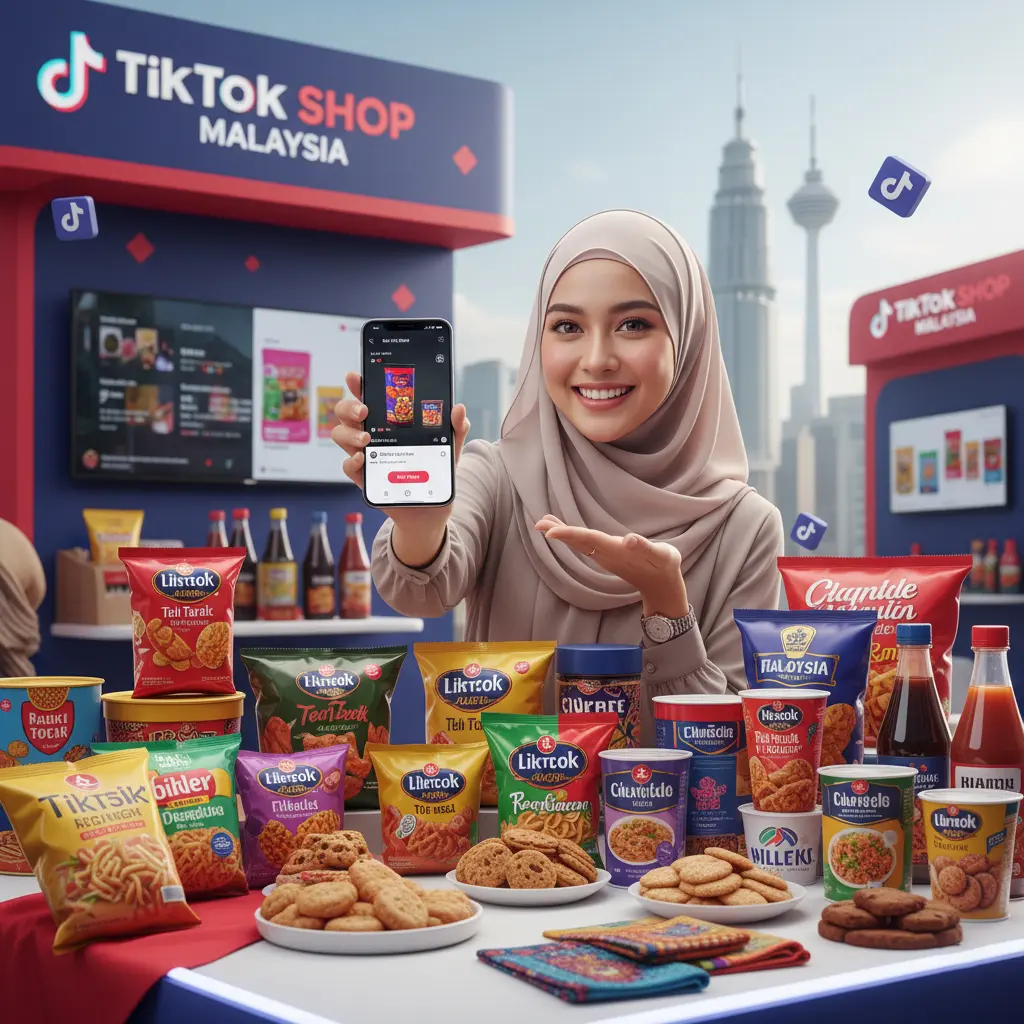
ByteDance’s commerce arm has poured a staggering RM250 million into its Malaysian merchant ecosystem under an expanded JomLokal initiative. According to an industry development documented in a Dealroom report, the platform has locked in massive capital reserves to subsidize local seller acquisition, bankroll operational vouchers, and deepen its partnership with domestic regulators. The capital infusion comes as competition between conventional search-based marketplaces and entertainment-first shopping reaches peak intensity across Southeast Asia.
The aggressive move directly addresses long-standing seller friction around platform commissions, payment processing overhead, and logistics bottlenecks. Through coordinated programs alongside the Ministry of Domestic Trade and Cost of Living (KPDN), the company is attempting to rewrite the unit economics of homegrown enterprises. For Malaysian entrepreneurs navigating rising operational overhead, this financial influx offers immediate relief, though it demands a sharp recalibration of how digital goods are marketed and fulfilled.
📌 Key Takeaways:
- The Financial Backing: TikTok Shop has committed RM250 million to Malaysian merchants via its JomLokal program, funding shipping subsidies, commission discounts, and merchant training.
- The Regulatory Tie-In: Collaborations with KPDN tie these incentives directly to the Buy Malaysian Products Campaign (KBBM), shielding domestic micro-enterprises from aggressive cross-border discounting.
- The Operational Pivot: Capitalizing on the program requires moving past static catalog listings; success demands live-streaming operations and active participation in the creator affiliate network.
Behind the RM250 Million JomLokal Expansion
When TikTok Shop initially rolled out the #JomLokal tag in late 2023, it served primarily as a promotional banner for Merdeka and year-end retail campaigns. Industry coverage from local tech monitors, including SoyaCincau, tracked early participants clocking average sales increases of 130% during targeted campaign windows. That initial traction convinced ByteDance executives that Malaysia’s retail base had unique viral velocity if granted platform-level support.
The latest RM250 million commitment represents a transition from seasonal promotional stunts to persistent infrastructure subsidies. Rather than sporadic discount codes, capital is being routed into structural operational offsets: subsidizing shipping labels, co-funding flash-sale vouchers for verified local brands, and providing physical incubator spaces in urban centers outside the Klang Valley. Local manufacturers who previously relied on wholesale distributors are setting up internal production studios to interface directly with retail buyers.
This war chest also serves as a strategic moat. As regional e-commerce incumbents increase merchant take-rates to achieve operational profitability, TikTok is deliberately depressing seller costs to capture small and medium-sized enterprise (SME) supply chains before competitors can adjust their fee models.
Fee Subsidies and Alignment with National Trade Policy
A critical engine behind the rollout is close coordination with KPDN. For years, domestic policy makers have pushed for digital modernization that retains wealth locally rather than funneling transaction revenue directly to offshore drop-shippers. By integrating with national commerce campaigns, the platform secures valuable regulatory goodwill while granting homegrown businesses lower financial barriers to entry.
Under negotiated tiers within the JomLokal umbrella, qualified Malaysian-owned entities selling homegrown goods enjoy targeted relief on marketplace commission tiers. Standard category commission fees, which often range between 4% and 7% depending on product classification, are discounted through platform rebate programs during a merchant’s initial scale-up window. Free shipping vouchers, traditionally a substantial expense for small merchants attempting to compete with mega-distributors, are heavily backstopped by the fund.
These policy alignments give domestic businesses a fighting chance against ultra-low-cost international imports. By artificially closing the price spread through state-backed promotional real estate and platform vouchers, local brands in apparel, packaged food, and beauty products are gaining sustained visibility on user feeds.
Marketplace Comparison: Evaluating Seller Economics
Understanding where to allocate inventory requires dissecting how TikTok Shop’s current cost profile compares against legacy players in the Malaysian market. Below is an operational breakdown for registered domestic sellers:
| Commercial Factor | TikTok Shop Malaysia (JomLokal) | Shopee Malaysia | Lazada Malaysia |
|---|---|---|---|
| Base Commission Fee | 2.16%, 6.50% (Subsidized under initiative) | 4.32%, 8.64% (Standard non-mall tier) | 4.00%, 7.50% (Category dependent) |
| Transaction Fee | 2.16% (Flat payment gateway fee) | 2.16% (Including SST) | 2.16% (Standard gateway processing) |
| Primary Discovery Vector | Algorithmic content & live streaming | Intent-based search & home banners | Search indexing & promotional feed |
| Native Creator Affiliates | Fully integrated in-app creator network | External affiliate links & sub-networks | External partner affiliate network |
| Domestic SME Support | RM250M allocation for vouchers/training | Selective export & digitalization grants | Periodic SME development packages |

Navigating TikTok Seller Center: Registration Realities
Unlocking these incentives requires navigating the compliance checks built into the TikTok Seller Center Malaysia portal. Regulators and platform administrators have tightened documentation standards to prevent international shell accounts from siphoning funds meant for domestic merchants.
Individual sellers can theoretically register using an individual Malaysian NRIC, but business accounts require verified Suruhanjaya Syarikat Malaysia (SSM) business documentation. The corporate name on the SSM certificate must mirror the company's designated local business bank account precisely. Any discrepancy between business registry names and payout accounts triggers swift automated freezes that can sideline cash flow for weeks.
Once identity verification passes, merchants face a strict probationary window known as the "New Seller Protection Period." During this operational trial, shops face a hard daily cap on order processing volume, preventing nascent operations from folding under unexpected viral spikes. Bypassing this ceiling requires maintaining flawless on-time dispatch rates above 95% and a seller fault cancellation rate below 1% for thirty consecutive days.
Affiliates and Live Streaming: The Conversion Realities
Listing a product catalog inside the seller portal accomplishes almost nothing on its own. Unlike legacy e-commerce, where consumers search explicitly for "kitchen scale" or "car phone mount," discovery here relies entirely on entertainment-led distribution. Survival demands mastering two mechanics: live streaming sessions and the open affiliate marketplace.
Through the built-in affiliate center, merchants can offer automated commission cuts, typically ranging from 10% to 20%, to third-party video creators. Successful homegrown brands often avoid producing thousands of videos themselves. Instead, they distribute product samples across hundreds of niche micro-influencers throughout regional Malaysia, creating dozens of spontaneous purchasing touchpoints across the user base.
Meanwhile, live stream commerce operates on rigorous, disciplined schedules. Top-performing domestic vendors run broadcasts lasting six to ten continuous hours, deploying dedicated live hosts who answer sizing queries, demonstrate product durability, and release time-limited vouchers every fifteen minutes. It is a grueling, operations-heavy model, but it generates immediate cash flow without requiring massive upfront spending on traditional digital search ads.
Structural Vulnerabilities and When to Look Elsewhere
Despite the subsidized millions floating through the system, the platform is not a universal panacea for every enterprise. Business models centered on low margins, bulky dimensions, or complex customization face severe hazards on this network.
The algorithm is volatile. A business can process 5,000 orders over a three-day weekend after an organic clip catches traction, only to experience complete silence the following week. Operations lacking redundant manufacturing, flexible packaging labor, and substantial buffer capital can easily suffer stockouts. Platform penalties for delayed shipments are swift; failing to hand parcels over to domestic logistics couriers within the mandatory 48-hour service level agreement triggers immediate platform fines and algorithmic demotion.
High-end luxury brands and industrial B2B equipment providers should approach with extreme caution. The core purchasing dynamic revolves around spontaneous, low-friction impulse purchases, usually capped under RM150. Products requiring extensive consultations, legal contracts, or multi-week consideration cycles yield dismal return on ad spend inside an algorithmic entertainment loop.
Frequently Asked Questions (FAQ)
Q1: What documentation is required to onboard as a corporate seller on TikTok Shop Malaysia?
A1: Corporate entities must provide an official SSM business registration certificate (Borang D or Section 17), a valid Malaysian identity card (NRIC) or passport for the business director, a local phone number, and a Malaysian bank account statement whose registered corporate name matches the SSM filing identically.
Q2: How does the RM250 million JomLokal fund affect everyday transaction fees?
A2: The capital allocation is deployed through targeted fee offsets, merchant training facilities, shipping voucher injections for buyers, and marketing co-funding. While base payment gateway processing remains standard, participating domestic brands can offset platform fees and reduce fulfillment expenditures via platform-funded shipping initiatives.
Q3: Can individual sellers operate on the platform without an active SSM business registration?
A3: Yes. Malaysian citizens aged 18 and older can open an individual seller account using their Malaysian NRIC and personal bank account. However, individual accounts face stricter operational verification thresholds, cannot access certain brand-exclusive campaign perks under JomLokal, and must transition to an SSM corporate tier once processing large business volumes.
The Road Ahead for Malaysian Social Commerce in 2026
The injection of RM250 million marks a permanent shift in how retail trade operates within the country. The wall separating social networking, digital video consumption, and transactional e-commerce has crumbled. Retailers who treat digital selling merely as uploading high-resolution photos to an inactive web storefront will find their market share eroded by faster, video-native operations.
The current flood of merchant subsidies will not last indefinitely. Platform subsidies exist to shift consumer habits, lock in local logistics channels, and establish merchant dependency. For domestic business owners, the current environment presents a brief window to capture audience attention, build recurring customer databases, and refine live production pipelines while ByteDance is footing the promotional bill.
