Timeline of a Viral Sensation: How Monkey Rage Bait Took Over TikTok and X
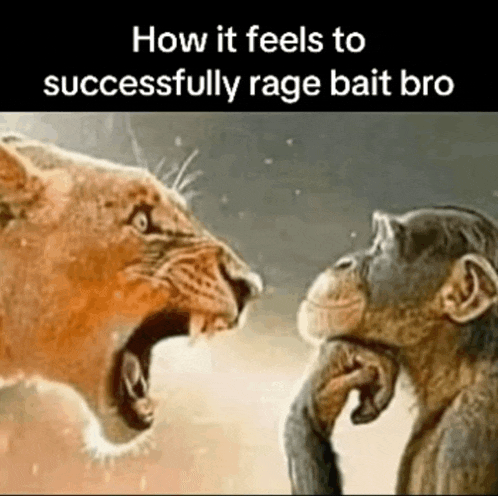
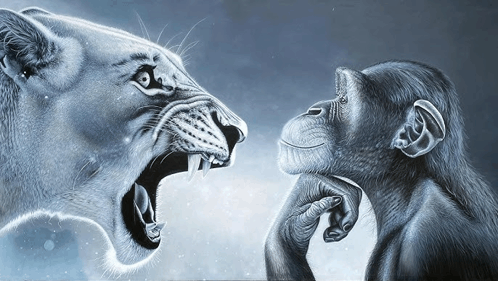
Scroll through TikTok or X on any given afternoon, and the standoff is impossible to miss. A massive male lion bares its teeth, roaring at deafening point-blank range into the face of a terrified, cornered monkey clinging to a branch. In thousands of short-form video variations, the animal still is paired with blown-out bass, distorted screaming audio, and a single deadpan caption: "How it feels to ragebait bro." What started as an uncredited snapshot of raw wildlife tension has mutated into the definitive visual shorthand for algorithmic trolling.
The visual explosion did not happen by accident. As detailed in an investigative breakdown by a Yahoo Report, the image struck a nerve because it visualizes the exact dynamic of modern feed consumption: one participant deliberately inciting absolute, unhinged panic in another for sheer amusement. Tracing the trajectory of this viral animal format reveals how internet subcultures repurpose raw nature photography to mock the platforms that feed on human exasperation.
📌 Key Takeaways:
- The Phenomenon: The "Lion Screaming at Monkey" format emerged as an unstoppable reaction image on X and TikTok, capturing the asymmetric relationship between trolls and their targets.
- The Trajectory: Documented by digital archive Know Your Meme in July 2025, the template escalated from a niche imageboard punchline into a mainstream engagement engine by early 2026.
- The Engine: Short-form algorithms prioritize volatile comment sections, turning deliberate provocations ("ragebaiting") into the most lucrative currency on the social web.
The Wildlife Photograph Behind the Screaming Standoff
The core image depicts an apex predator asserting dominance in the harshest terms possible. A male lion stands inches away from a young baboon that is pressed flat against a tree trunk, eyes wide with distress, screeching back in futile self-defense. For years, the photo floated through wildlife enthusiast forums and Reddit nature boards without attracting mainstream internet culture. It was viewed strictly through the lens of safari documentation: a brutal, fleeting encounter between predator and prey in an African game reserve.
Context shifted when digital communities stripped the natural hierarchy out of the frame. In wildlife reality, the baboon faces mortal peril. Online, users reinterpreted the monkey's sheer panic as the disproportionate fury of an internet commenter who took obvious bait. The lion became the smug poster who dropped a contrarian take into the replies and walked away. That deliberate inversion stripped away the original danger, converting a grim survival struggle into a comedic caricature of everyday online communication.
How "How It Feels To Ragebait Bro" Captured the Feed
Digital archive Know Your Meme cataloged the initial spike of the "Lion Screaming At Monkey" template on July 23, 2025, noting its emergence across meme-sharing Discords and shitposting communities. Early iterations functioned as classic two-panel reaction images, contrasting calm trolling with explosive replies. Over several months, the format abandoned elaborate setups in favor of a single recurring punchline centered around the phrase "How it feels to ragebait bro."
On X, the still image became an automatic reaction posted under quote-tweets that spiraled out of control. Whenever an influencer, politician, or casual user penned an impassioned, multi-paragraph response to an obvious troll, someone inevitably dropped the snarling lion below the rant. The subtext was brutal. It told the poster that their righteous anger was not noble; it was merely cheap theater for whoever agitated them.
Tracing the Evolution from Wildlife Still to Engagement Bait
The transformation of the snapshot reflects a broader shift across online platforms. Over a decade, static image jokes gave way to dynamic video templates tailored to short-form algorithms.
| Timeframe | Dominant Format & Platform | Primary Cultural Function |
|---|---|---|
| 2018, 2023 | Wildlife photography forums and Reddit nature subs | Appreciation of raw safari encounters and animal behavior |
| Mid-2025 | X reaction image and meme-forum macro | Visualizing disproportionate, angry responses in comment threads |
| Early 2026 | TikTok short-form video with high-gain animal audio | Self-referential celebrating of ragebaiting tactics and algorithmic reach |
The Economics of Agitation on TikTok and X
The meme spread rapidly because ragebaiting has become a dominant business model for online creators. Social media algorithms reward high dwell times and active comment sections far more than passive "likes." A video designed to inform earns modest attention. A post that makes a factually absurd claim about everyday cooking, gaming, or relationships provokes hundreds of furious corrections. Those corrections signal high user involvement to recommendation engines, pushing the post onto millions of additional feeds.
Creators realized that generating genuine outrage took too much effort. Staging petty irritation worked just as well. Dropping an intentionally incorrect sports take, slicing a sandwich upside down on camera, or mispronouncing a common brand name draws thousands of users eager to correct the creator. The screaming lion template became the audience's way of holding up a mirror to the game. It acknowledges that everyone knows the fight is fake, yet everyone participates anyway.
Audio Mutations and the Brainrot Remix Engine
The leap to TikTok altered the texture of the joke. Short-form video requires motion and sound, which led creators to match the frozen photograph with hyper-compressed audio clips. Some edits layered high-decibel chimpanzee shrieks over slow zooms on the baboon's face. Others matched the lion's roar to clips of popular streamers like IShowSpeed smashing keyboards during gaming losses.
CapCut templates automated the process, allowing anyone to superimpose custom text within seconds. A student might use it to describe waking up their roommate at 3:00 AM. A gamer might post it to depict typing "skill issue" into an in-game lobby after a lucky win. By detaching the visual from its literal animal origin, the template became an all-purpose vessel for modern digital mischief.
What the Template Reveals About Feed Fatigue
The popularity of the monkey ragebait format exposes widespread exhaustion with performative online discourse. A decade ago, internet arguments still carried an illusion of persuasion. People debated politics, art, and etiquette with the naive expectation that the opposing party might concede ground. In the current social media ecosystem, that illusion has vanished.
Users understand that arguments online are rarely organic. They are deliberate engagement traps designed to extract time and emotional energy. Rather than writing heartfelt rebuttals to obvious provocations, younger demographics increasingly respond with ironic detachment. Posting the image of the shrieking monkey signals that you recognize the trap. It disarms the troll by reducing their calculated outrage campaign to a predictable, low-stakes joke.
Frequently Asked Questions (FAQ)
Q1: What is the origin of the "Lion Screaming at Monkey" meme?
A1: The meme originates from a real-life wildlife photograph of a male lion cornering a distressed baboon against a tree trunk. The image circulated on nature blogs for years before being repurposed as a reaction macro on X and Discord in mid-2025.
Q2: What does "How It Feels To Ragebait Bro" actually mean?
A2: "Ragebaiting" describes the practice of posting controversial, incorrect, or irritating statements online solely to provoke an angry response. The meme caption highlights the feeling of satisfaction someone gets when their trivial provocation causes another person to experience intense, visible frustration.
Q3: Why did this specific template surge in popularity on TikTok?
A3: CapCut creators paired the dramatic, high-contrast wildlife photo with distorted sound effects, screeching audio clips, and fast zooms. The combination of intense imagery and sensory overload made it an ideal template for short-form video algorithms that reward punchy, high-retention humor.
The Evolution of Platform Humor Heading into Late 2026
The shelf life of short-form internet humor is notoriously brief, but templates anchored to core psychological behaviors tend to endure. Provocation will remain the most efficient way to capture attention on algorithmic feeds as long as recommendation engines treat anger as high-value engagement. The "Lion Screaming at Monkey" format resonated because it stripped away the pretense around social media conflict. It framed digital arguments not as genuine intellectual clashes, but as visceral, noisy standoffs where the instigator watches safely from the sidelines while the target expends all their energy screaming into the void.
