Timeline of Critical Incidents at Steamworks Baths: From Early Reports to Recent Lakeview Investigations
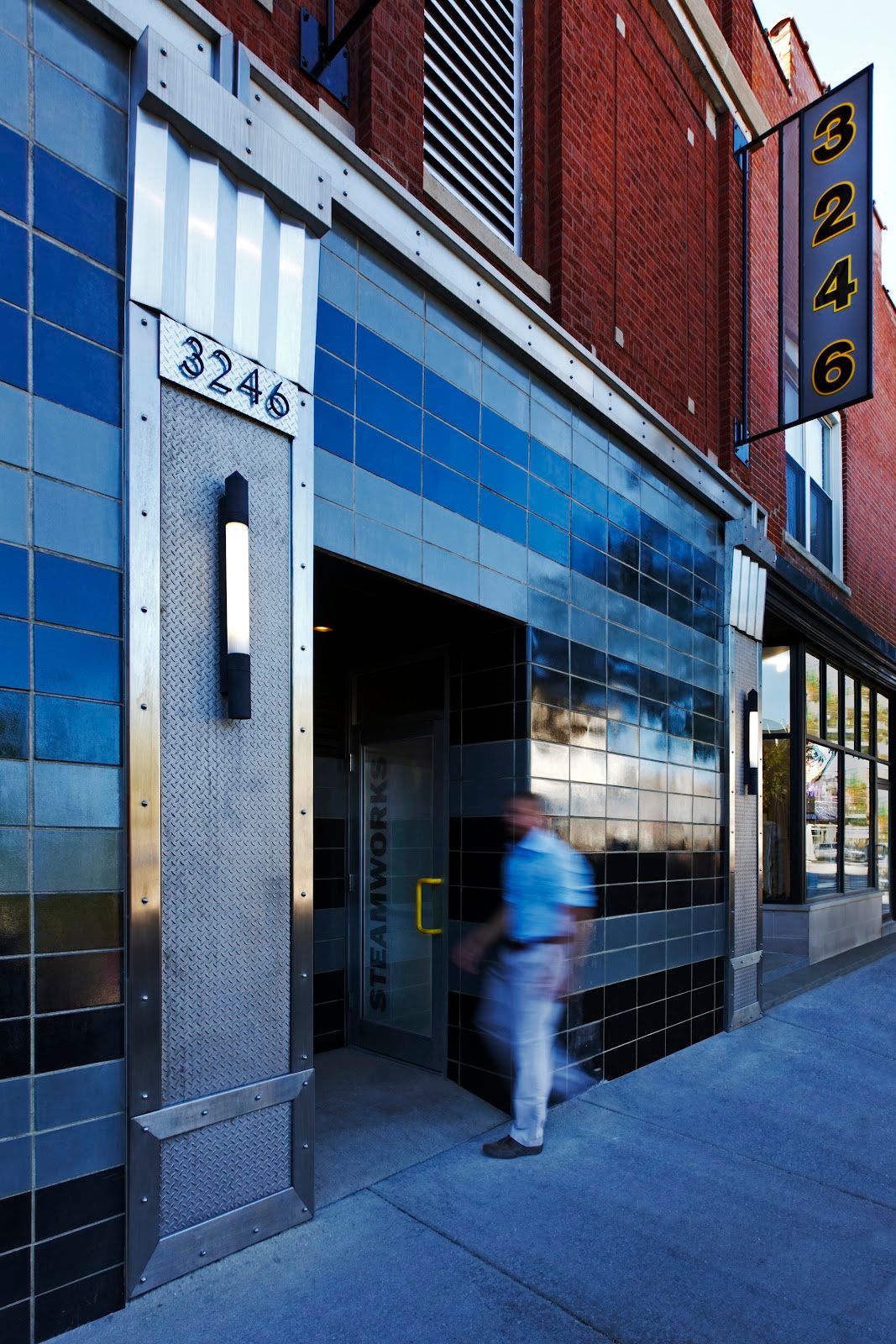
Behind the frosted glass doors and brick exterior at 3246 N Halsted St in Chicago's Lakeview neighborhood sits Steamworks Baths, a multi-story, 24-hour private club and bathhouse that has operated on the North Side for decades. While the venue stands as a long-running social and recreational institution within the historic Northalsted corridor, municipal records and emergency dispatch archives show a recurring history of acute medical calls, wellness checks, and police inquiries. Public scrutiny escalated sharply after an ABC7 Chicago Report revealed that Chicago police initiated death investigations after two men were discovered deceased inside the facility just days apart.
Operating a round-the-clock venue featuring saunas, hot tubs, private dressing rooms, and dark corridors creates a difficult public safety dynamic. In a setting built on customer discretion, emergency responders often race against time when health emergencies unfold. Examining 3246 N Halsted St incidents through verified police records, medical examiner determinations, and city licensing reports reveals the friction between patron privacy, urban nightlife hazards, and municipal oversight.
📌 Key Takeaways:
- The Investigative Record: Chicago Police Department death investigations and Cook County medical examiner reports document multiple fatalities and unresponsive patron calls at 3246 N Halsted St, punctuated by back-to-back deaths in March 2020 and a fatal tub incident in January 2017.
- The Systemic Risk Factors: Emergency medical responders routinely confront a dangerous mix of intense heat from saunas, dehydration, and synthetic substances like GHB, ketamine, or fentanyl-laced narcotics in privacy-focused rooms.
- Operational Reforms: Public health scrutiny led to reinforced Halsted Street wellness checks, rapid-access lockbox keys for first responders, and staff training in automated external defibrillators (AEDs) and naloxone administration.
Emergency Responses on Halsted Street: The Pattern of Critical Incidents
First responders in Chicago's 19th Police District know the address well. Nestled between bustling entertainment venues, casual diners, and multi-unit residential buildings on North Halsted, Steamworks Chicago operates under strict commercial licensing as a health club and bathhouse. Unlike standard fitness centers, it offers private rental rooms, dry saunas, steam rooms, and communal whirlpools round the clock.
That continuous operational cycle presents unique challenges for Chicago Fire Department paramedics. When an ambulance arrives at the curb, crews must quickly navigate a maze of private rental spaces and locker areas where customers expect absolute anonymity.
Over the years, dispatches to the property have ranged from routine falls and heat exhaustion calls to acute drug overdoses and unresponsive patron reports. The inherent design of bathhouse facilities complicates routine checks. Private rooms lock from the inside, ambient steam reduces visibility, and heavy door insulation dampens sound. If an individual experiences cardiovascular failure or accidental drug toxicity behind a closed door, discovery often depends on checkout deadlines or proactive hallway sweeps by staff.
The March 2020 Investigations: Two Fatalities in One Week
Public scrutiny regarding safety standards peaked in early March 2020. Within a single week, paramedics and officers from the Town Hall Police District responded to back-to-back death investigations at the facility.
On Saturday, March 7, 2020, staff discovered a 57-year-old man unresponsive inside one of the private rental rooms during an afternoon occupancy check. Paramedics rushed to the scene but pronounced the patron dead inside the building. Less than 72 hours later, on Tuesday, March 10, dispatchers sent emergency units back to 3246 N Halsted St. Staff had discovered another patron, a 34-year-old man, completely unresponsive in a separate room. Emergency medical teams initiated resuscitation protocols, but he could not be revived.
The back-to-back deaths drew substantial media coverage across the North Side. Detectives launched formal death investigations to eliminate foul play, while the Cook County Medical Examiner's Office took custody of the bodies for autopsy and comprehensive toxicology screenings. City officials faced immediate questions from community advocates and local business groups regarding whether the facility enforced adequate patron safety measures or had violated local emergency response codes.
Documented Emergency Responses and Timeline of Halsted Street Inquiries
The cluster of incidents in 2020 was not an isolated chapter in the building's public record. Dispatch logs, archival reporting, and municipal licensing reviews detail a pattern of emergency calls stretching across several years.
| Date / Era | Incident Nature & Location | Official Agency Response |
|---|---|---|
| January 2017 | A 51-year-old man was discovered unresponsive submerged in a communal whirlpool tub by fellow patrons. | CFD transported the man to Advocate Illinois Masonic Medical Center in critical condition, where he later died. CPD death investigation opened. |
| March 7, 2020 | A 57-year-old patron found deceased inside a private room during a routine turnover check. | CPD Area North detectives conducted on-site interviews; Cook County medical examiner took jurisdiction for full toxicological review. |
| March 10, 2020 | A 34-year-old man found unconscious inside a private room less than three days after the prior incident. | Pronounced dead on scene. Area detectives ruled out structural foul play, prompting municipal reviews into safety monitoring. |
| 2021, 2023 | Intermittent 911 calls involving accidental drug overdoses, fainting, and dehydration-related injuries. | Coordinated harm reduction visits; introduction of direct naloxone availability and streamlined paramedic access routes. |
| 2024, 2026 | Routine wellness checks, city fire code compliance evaluations, and community harm reduction audits. | Ongoing oversight by Chicago Department of Public Health, 44th Ward office, and private harm reduction outreach teams. |
The January 2017 incident highlighted the acute risks associated with shared wet amenities. According to reporting from Block Club Chicago, a patron discovered an unresponsive man submerged inside a bathhouse tub. On-site staff and paramedics attempted CPR before transporting the victim to Advocate Illinois Masonic Medical Center, the primary Level 1 trauma hospital on the North Side, where physicians pronounced him dead.
These cases highlight how quickly minor medical issues escalate into critical emergencies in wet, private spaces.

Cook County Medical Examiner Findings and Public Health Reality
Whenever an unattended death occurs inside a commercial venue, the Cook County Medical Examiner conducts formal inquiries. Autopsies in these cases routinely focus on two distinct vectors: acute cardiovascular collapse and accidental drug toxicity.
The physical environment of a bathhouse places genuine stress on the human cardiovascular system. Elevated temperatures in dry saunas (often maintained between 160°F and 190°F) and wet steam rooms cause blood vessels to dilate, dropping blood pressure and forcing the heart to beat faster. When patrons spend prolonged hours inside these rooms without adequate water intake, dehydration sets in quickly. For individuals with underlying cardiac conditions, the strain can trigger sudden arrhythmia.
Substance use complicates the equation. Across the broader American nightlife scene, recreational drug use continues to present life-threatening hazards, particularly when synthetic central nervous system depressants like gamma-hydroxybutyrate (GHB) or ketamine enter the picture. When combined with alcohol or intense ambient heat, GHB suppresses respiratory function rapidly. The user may slip from a drowsy state into unconsciousness or respiratory arrest within minutes.
Public health investigators in Cook County also track the presence of illicit fentanyl, which has infiltrated the recreational drug supply across the Chicago metropolitan area. What a patron assumes is a recreational stimulant can easily carry a lethal dose of synthetic opioids. In a locked private room, respiratory depression often goes completely unnoticed until it is too late.
Bathhouse Safety Protocols: Wellness Checks and Harm Reduction Reforms
Following the critical incidents of 2017 and 2020, pressure mounted on Steamworks management to bolster their internal monitoring systems without undermining customer privacy. Bathhouses have long served as spaces where LGBTQ+ men seek refuge from surveillance and societal discrimination. Striking a functional balance between personal discretion and emergency life support requires clear operational protocols.
The business implemented revised patron safety measures:
- Mandatory Room Turnover and Time Checks: Private room rentals are strictly metered on four- to eight-hour increments. Staff members initiate room checks if a patron does not return their key or request an extension.
- Proactive Hallway Sweeps: Employees routinely walk common corridors, wet facilities, and public lounge areas to check for individuals who appear heavily disoriented or unconscious.
- Harm Reduction Toolkits: In partnership with North Side public health organizations, staff members receive training on recognizing acute opioid toxicity and administering intramuscular or nasal naloxone (Narcan).
- Defibrillator Deployment: Multiple Automated External Defibrillators (AEDs) are stationed throughout the multi-level facility, ensuring staff can begin cardiac support before Chicago Fire Department ambulances arrive.
- Free Testing Kits and Resources: Distribution of fentanyl test strips and rapid-access testing resources directly inside venues has become standard practice throughout the 44th Ward's nightlife ecosystem.
The effectiveness of these measures rests on early detection. Even the best medical equipment cannot save an unresponsive patron if nobody notices their distress for several hours.
Navigating Lakeview Nightlife Regulations and Commercial Oversight
Operating a bathhouse in Chicago places Steamworks under overlapping regulatory jurisdictions. The City of Chicago Department of Business Affairs and Consumer Protection (BACP) licenses the venue, while the Chicago Department of Public Health (CDPH) and the Chicago Fire Department oversee sanitary, water quality, and building code compliance.
Politically, the facility sits squarely within Chicago's 44th Ward, an area that includes the historic Northalsted entertainment district. Local aldermanic offices, neighborhood community groups, and the 19th Police District maintain close lines of communication regarding commercial nightlife activity. While bars and clubs face strict 2:00 AM or 4:00 AM closing times, bathhouse zoning permits continuous operation, making it one of the few places in Lakeview open late into the morning hours.
City regulators periodically inspect the property to verify that commercial spas and whirlpools maintain proper chemical balances, emergency exits remain unblocked, and master keys for individual private rooms function properly. Whenever 911 call volumes spike, municipal inspectors conduct targeted administrative reviews to verify that management complies with municipal public assembly codes.
Frequently Asked Questions (FAQ)
Q1: Why did police investigate Steamworks Chicago in March 2020?
A1: Chicago Police Department detectives launched death investigations after two men were discovered deceased in private rooms inside the 3246 N Halsted St facility within three days. Cook County medical examiners conducted autopsies to determine the exact causes of death and rule out foul play.
Q2: What are the main health and safety risks at bathhouse facilities?
A2: The primary health hazards stem from prolonged exposure to high-temperature saunas and steam rooms, which can trigger severe dehydration, fainting, and cardiovascular stress. These risks escalate dramatically when patrons consume alcohol or central nervous system depressants like GHB, ketamine, or contaminated street drugs.
Q3: How do Chicago emergency personnel access locked private rooms?
A3: Facility staff maintain master override keys and passcodes for all rental rooms. When paramedics or police respond to a 911 wellness call, on-site personnel are legally and operationally required to grant rapid physical entry to the room.
Q4: What harm reduction policies are currently in place at the facility?
A4: In recent years, management has implemented structured check-out wellness sweeps, installed automated external defibrillators (AEDs) on site, trained floor staff to administer naloxone for suspected overdoses, and partnered with North Side public health groups to supply harm reduction resources.
The Evolution of Safety and Accountability on Halsted
The operational history of 3246 N Halsted St underscores the delicate tightrope urban bathhouses walk in modern cities. These venues must balance the community's demand for private, judgment-free spaces with the urgent realities of public health management and emergency medicine.
Tragedies like those documented in 2017 and 2020 transformed how local officials, public health workers, and business operators approach patron welfare. Discretion can no longer come at the expense of oversight. As Chicago's nightlife safety protocols adapt to new synthetic drug risks and evolving municipal standards, steady surveillance of locked corridors, active staff intervention, and immediate emergency access remain the difference between a swift medical rescue and a tragic police investigation.
