Tushbaby Launches The Pearl: How It Shapes the 2026 Baby Carrier Market
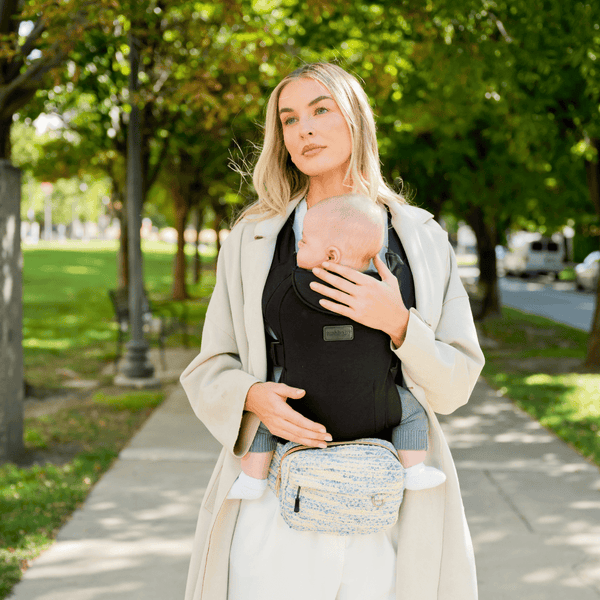
For years, Tushbaby dominated family travel hubs and suburban parks with a single, ubiquitous tool: a rigid, shelf-style hip seat that spared parents' backs at the expense of true hands-free mobility. That deliberate engineering choice left an obvious blind spot in the infant market. Parents love hip seats for squirming 18-month-olds, but the design cannot safely support a seven-pound newborn lacking head and neck control. Tushbaby moved decisively to solve that vulnerability, formally expanding into early-infancy gear with the introduction of The Pearl wrap carrier, as detailed in the original PR Newswire Report.
Entering the fourth-trimester arena requires an entirely different engineering logic. Traditional wraps offer custom compression but intimidate sleep-deprived caregivers with complex textile origami. Structured buckled carriers offer speed but often feel stiff, hot, and excessively bulky inside the home. With The Pearl, Tushbaby delivers a focused response to this trade-off, presenting a hybrid system engineered specifically for the earliest weeks of life while setting the tone for infant transit design across 2026.
📌 Key Takeaways:
- The Structural Pivot: The Pearl marks Tushbaby's calculated entry into the zero-to-six-month infant space, establishing a dedicated newborn wrap carrier that functions independently from its signature hip seat platform.
- The Hybrid Engineering: Combining pre-formed, cross-back shoulder panels with an intuitive quick-tie wrap system, the carrier minimizes user error while maintaining rigorous infant spinal support.
- Market Realignment: Positioned squarely against category mainstays like the Solly Baby Wrap and Ergobaby Embrace, The Pearl changes how expecting parents assemble their core baby registry essentials.
The Fourth-Trimester Gap in Tushbaby's Lineup
Tushbaby achieved viral success by rejecting the complex webbing and chest clips common in mountaineering-style baby carriers. Their core hip seat solved a simple mechanical problem: distributing a toddler's dead weight across the adult pelvic girdle. Yet the brand faced an inherent commercial ceiling. Parents had to wait until an infant achieved independent head control, typically around four to six months, before safely strapping the platform onto their hips.
That timing gap cost the company early brand loyalty. During those initial twelve weeks postpartum, new parents establish their babywearing habits. They turn to soft modal wraps, elastic carriers, or lightweight hybrids to soothe colicky infants and keep their hands free for household tasks. By the time a baby reached sitting age, families had already committed hundreds of dollars to rival brands like Ergobaby, BabyBjörn, or Boba. The Pearl was developed precisely to stop this customer churn at the front door of parenthood.
Architecture of The Pearl: Hybrid Fabrics and Quick-Tie Mechanics
Pure fabric wraps demand patience. When a caregiver is operating on three hours of fractured sleep, wrapping five meters of stretchy jersey knit around their torso often leads to loose carrying, sagging hips, or airway obstruction. The Pearl addresses this with a hybrid format. It blends the custom molding of a traditional tie wrap with the pre-structured security of a fitted harness.
The carrier uses a tailored textile construction that blends organic cotton fibers with micro-modal elasticity. This breathable hybrid wrap limits heat retention between parent and child, a notorious cause of infant fussiness and postpartum overheating. Instead of endlessly looping loose cloth, the caregiver slips into structured shoulder straps that cross automatically across the upper back, using a streamlined quick-tie wrap system to cinch the fabric snug against the body.
This layout removes guessing games around tension. The tensioning straps guide excess fabric through defined anchor channels, keeping the child pinned in an upright, chest-to-chest orientation. You get true hands-free babywearing without the creeping looseness that plagues simple elastic slings after twenty minutes of walking.
Release Timeline and the 2026 Newborn Carrier Breakdown
When the carrier arrived, it landed in a crowded infant sector. Established legacy carriers had already begun stripping down their heavy outdoor harnesses to appeal to indoor, postpartum lifestyles. To evaluate where The Pearl lands in 2026, we examined key specifications across the four primary newborn carriers currently dominating hospital discharge bags and baby registries.
| Carrier Model | Core Structural Type | Weight Capacity | Primary Fastening Method | Base Price |
|---|---|---|---|---|
| Tushbaby The Pearl | Breathable Hybrid Wrap | 7, 26 lbs | Cross-back guide with assisted cinching | $89, $99 |
| Solly Baby Wrap | Pure Traditional Fabric | 8, 25 lbs | Manual five-meter continuous tie | $74, $82 |
| Ergobaby Embrace | Knit Buckle Hybrid | 7, 25 lbs | Waistband & chest buckle snaps | $99, $110 |
| BabyBjörn Mini | Structured Two-Part Carrier | 7, 24 lbs | Front interlocking latches | $109, $130 |
The engineering differences reveal distinct design philosophies. Solly leans on minimalist purity, requiring practice and dexterity. Ergobaby leans heavily on hard plastic buckles, which some parents find uncomfortable when sitting on a couch. The Pearl sits intentionally between the two, using the softness of fabric to avoid pressure points along healing incisions while using structural guides to prevent infant slump.
Postpartum Ergonomics and Infant Spinal Support
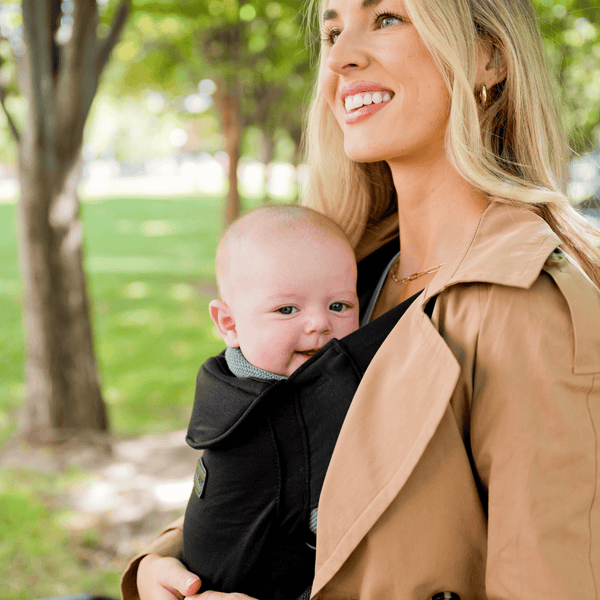
Carrying a newborn differs fundamentally from toting an active nine-month-old. A newborn's skeletal system remains mostly cartilaginous. The cervical spine cannot balance the heavy cranium, and the pelvic joint requires careful positioning to prevent developmental dysplasia. Any newborn-certified wrap must hold the infant's legs in the spread-squat "M-position", with knees sitting higher than the buttocks, while supporting the gentle, natural C-curve of the early spine.
Pediatric orthopedists routinely caution parents about stretchy wraps that bow outward. If the fabric stretches excessively, the baby slides down toward the wearer's naval, curving their neck forward into their chest and risking positional asphyxiation. The Pearl counters this by integrating reinforced structural webbing through the undercarriage. This deliberate base firmness preserves the child's airway well clear of fabric folds, fulfilling rigid newborn safety certification criteria without requiring separate foam infant inserts.
Equally critical is the adult's physical recovery. Postpartum parents often manage healing abdominal walls, pelvic floor sensitivity, and upper-back strain caused by breastfeeding postures. Traditional front carriers place a heavy load on the lower abdominal wall via tight straps or concentrate their downward pull solely on the cervical neck joints. The Pearl distributes the infant's center of gravity evenly across the ribcage and mid-thoracic spine. By spreading the weight broadly across the back, it functions as a true weight distribution carrier, delivering measurable lumbar back relief during prolonged contact naps.
Integration with the Broader Tushbaby Ecosystem
The Pearl does not replace the classic Tushbaby platform; it serves as its chronological predecessor. In modern nursery planning, parents build unified systems rather than buying disconnected accessories. Tushbaby designed The Pearl to work alongside the wider line of Tushbaby accessories, including the brand's attachable clutch packs, changing pads, and packing pods.
Consumer discussions across babywearing forums and Reddit parenting communities underscore this exact point. Many caregivers express frustration over buying an infant wrap from one manufacturer, only to discover their diaper bags, pacifier clips, and outerwear do not fit with the harness. Tushbaby applied consistent styling, hardware finishes, and complementary strap geometry across both products. A parent can use The Pearl exclusively throughout the initial 16 weeks, then seamlessly migrate into the hip seat alternative as the infant reaches the developmental milestones of supported sitting and exploratory head movement.
Matching the Carrier to Real-World Family Needs
Selecting the right carrier requires understanding the daily demands of your household. The Pearl offers distinct advantages, but it does not suit every single childcare scenario.
Ideal Profiles:
- The Postpartum Recovery Parent: Individuals recovering from a cesarean delivery who need a carrier that sits entirely above the lower abdomen without relying on a thick, stiff waistbelt.
- The Multi-Caregiver Household: Homes where parents of noticeably different heights share the same carrier, bypassing the hassle of readjusting rigid strap ladders.
- Indoor Contact-Nap Advocates: Caregivers looking for a breathable fabric interface that allows them to move between standing, desk work, and gentle walking without waking a sleeping infant.
Risk Flags and Alternative Scenarios:
- Heavy All-Weather Hiking: Parents planning long trail walks should opt for a fully frame-supported carrier with dedicated outdoor suspension.
- Toddler Transitions: If your child already weighs over 20 pounds and holds their torso upright with ease, skip soft wraps entirely and choose a structured hip seat or high-capacity framed carrier.
Frequently Asked Questions (FAQ)
Can The Pearl wrap be used for outward-facing carrying positions?
No. The Pearl is engineered exclusively for inward-facing, chest-to-chest positioning. This design safeguards early cervical spine development, shields vulnerable hip joints, and allows the caregiver to monitor the baby's open airway continuously.
How does The Pearl differ mechanically from the original Tushbaby hip seat?
The original Tushbaby uses a rigid internal shelf secured by a wide, heavy-duty hook-and-loop waistband, requiring one hand to steady the child. The Pearl is a hands-free hybrid wrap constructed from woven and elastic textiles designed to safely support newborns starting at seven pounds without requiring manual stabilization.
Is The Pearl safe for low-birthweight infants?
The carrier is certified for infants weighing seven pounds and above. If your newborn is premature or weighs under seven pounds, consult your pediatrician before using any soft wrap carrier to verify appropriate trunk tone and uncompromised airway stability.
The Evolving Standards of Infant Mobility in 2026
Infant product design in 2026 demands clarity and thoughtful reduction. New parents are walking away from confusing gear that requires twenty-minute instructional videos or creates physical strain around recovering bodies. The Pearl demonstrates how established brands must adapt: by pairing safety-tested engineering with streamlined textiles that take the friction out of daily use.
By closing its longstanding fourth-trimester gap, Tushbaby has turned a single viral product into a cohesive babywearing pipeline. The Pearl proves that hands-free newborn wraps do not need to rely on dizzying fabric ties or unyielding plastic buckles to keep babies safe. For families stepping into early parenthood, that balance of reliable physical support and simple mechanics offers genuine peace of mind during the most demanding weeks of infancy.
