Visual Proof: How to Locate the Hidden Fill Plug and Add Automatic Transmission Fluid Correctly
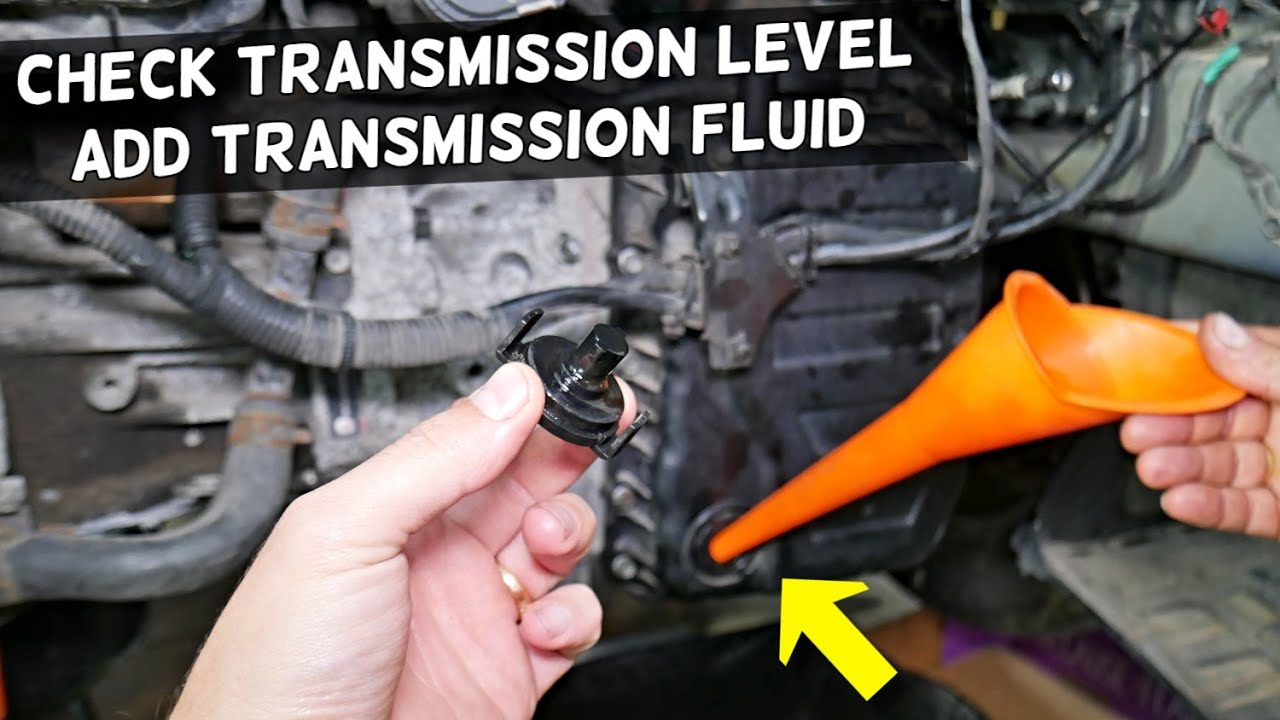
How to Add Transmission Fluid: Locating the Hidden Fill Plug and Servicing Sealed Gearboxes
Modern engine bays offer fewer visual clues than ever. Lift the hood of a late-model pickup or crossover, and the familiar brightly colored transmission dipstick is almost certainly missing. Automakers have spent the past decade transitioning to so-called "sealed for life" transmissions, eliminating top-side access and locking maintenance behind specialized fill plugs and scan tools. The consequences for vehicle owners are steep. As detailed in an investigative Torque News Report, a 2022 Chevy Silverado owner faced a staggering $1,400 dealer quote for a routine 45,000-mile transmission service after independent shops flatly refused to touch the truck.
Independent repair shops turn these jobs away because adding fluid to modern drivetrains is no longer a simple pour-and-go chore. Missing the mark by half a quart can destroy valve bodies, trigger erratic gear shifts, or foam the lubricant. Learning how to add transmission fluid today requires understanding the physical anatomy of hidden fill ports, tracking fluid thermal expansion via onboard sensors, and using the exact tools needed to pump fluid upward against gravity.
📌 Quick Summary:
- The Modern Reality: Traditional dipsticks are largely gone, replaced by side-mounted transmission fill plugs and bottom-facing standpipe check ports.
- The Primary Hazard: Overfilling transmission fluid causes aeration and pressure drop, while underfilling leads directly to transmission slip symptoms and clutch burn.
- The Essential Gear: Servicing modern sealed gearboxes requires a fluid transfer pump, vehicle level ramps or jack stands, and an OBD-II scanner capable of live transmission temperature readings.
The Death of the Dipstick and the Rise of Sealed Transmissions
For fifty years, fluid checks followed an identical rhythm: warm the engine, pull the brightly painted ring near the firewall, wipe the blade on a shop rag, and top it off with a long-neck funnel. That workflow died with modern fuel economy mandates. To squeeze extra tenths of a mile per gallon, engineers turned to eight-, nine-, and ten-speed automatic gearboxes that demand tighter tolerances and lower fluid drag.
Automakers began sealing these systems to prevent owners from pouring off-the-shelf fluid into transmissions calibrated for ultra-low viscosity formulations. Dust and moisture entry also shortened the lifespan of early electronic solenoids. By removing the transmission dipstick tube, manufacturers eliminated a primary vapor leak path and cut warranty claims caused by improper home topping.
The tradeoff fell squarely on the consumer. The phrase "filled for life" generally translates to the life of the factory powertrain warranty, often 60,000 miles, rather than the life of the vehicle. When service intervals arrive between 45,000 and 60,000 miles, owners face steep dealer fees because routine replenishment requires lifting the entire chassis level, identifying obscured inspection ports, and pumping fluid directly into the gearbox casing from underneath.
Locating the Hidden Fill Plug and Inspection Ports
Finding where to pump fresh automatic transmission fluid depends on your vehicle's drive architecture. In rear-wheel-drive trucks and longitudinal SUVs (such as Ford F-150s, Chevy Silverados, or Jeep Grand Cherokees), the fill port sits directly on the side of the transmission case, typically midway up the passenger or driver side above the transmission pan rail. These ports are sealed with an aluminum or steel hex bolt, often marked with an embossed gear symbol or simply blank.
Front-wheel-drive sedans and transverse crossovers use a different layout. Many Japanese and Korean platforms (Toyota, Honda, Hyundai) place a recessed transmission fill plug on the upper transaxle casing, accessible only by removing the engine air intake box or turning the front wheels to peel back the plastic fender liner. These plugs often feature a black rubber grommet stamped with the letters "ATF" or a 17mm to 24mm bolt securing a crush washer.
Crucially, modern gearboxes feature two distinct ports:
- The Fill Port: Located high on the transmission case, designed to receive the hose of a fluid transfer pump.
- The Fluid Level Inspection Plug (Check Plug): Located either inside the drain plug via a hollow standpipe (common on Toyota/Lexus and German ZF transmissions) or low on the transmission pan side. When fluid reaches its operational level at the target temperature, excess lubricant weeps out of this port.
Opening the wrong bolt can release internal mechanical detents or shift springs. Always cross-reference the casing casting marks with a digital factory service manual before breaking torque on any side-casing bolt.
Drain and Fill vs. Fluid Flush: Critical Differences
Automotive forums and service desks routinely debate whether to perform a traditional drain and fill procedure or an automated high-pressure flush. For everyday maintenance, automotive engineers and veteran master technicians almost universally advise against machine-forced chemical flushes.
| Service Type | Typical Cost Range | Fluid Volume Replaced | Mechanical Risk Profile |
|---|---|---|---|
| Drain and Fill | $60, $150 (DIY) / $250, $450 (Shop) | 40%, 60% of total capacity | Extremely Low; retains clutch pack friction balance. |
| Pan Drop and Filter Swap | $120, $250 (DIY) / $400, $800 (Shop) | 50%, 70% of total capacity | Low; removes settling pan magnets debris and renews intake filter. |
| Machine Pressure Flush | $350, $700 (Dealership/Specialty) | 95%, 100% of total capacity | High on older transmissions; forces dislodged varnish into valve channels. |
A gravity drain leaves a portion of the fluid inside the torque converter and cooler lines. This is normal and beneficial. Introducing fresh additives in controlled increments preserves the suspended friction material that clutch plates require to engage smoothly. Dropping the transmission pan and filter during alternate service intervals allows you to clean the pan retention magnets, clear out clutch wear residue, and prevent fluid cavitation before sealing the pan back up.
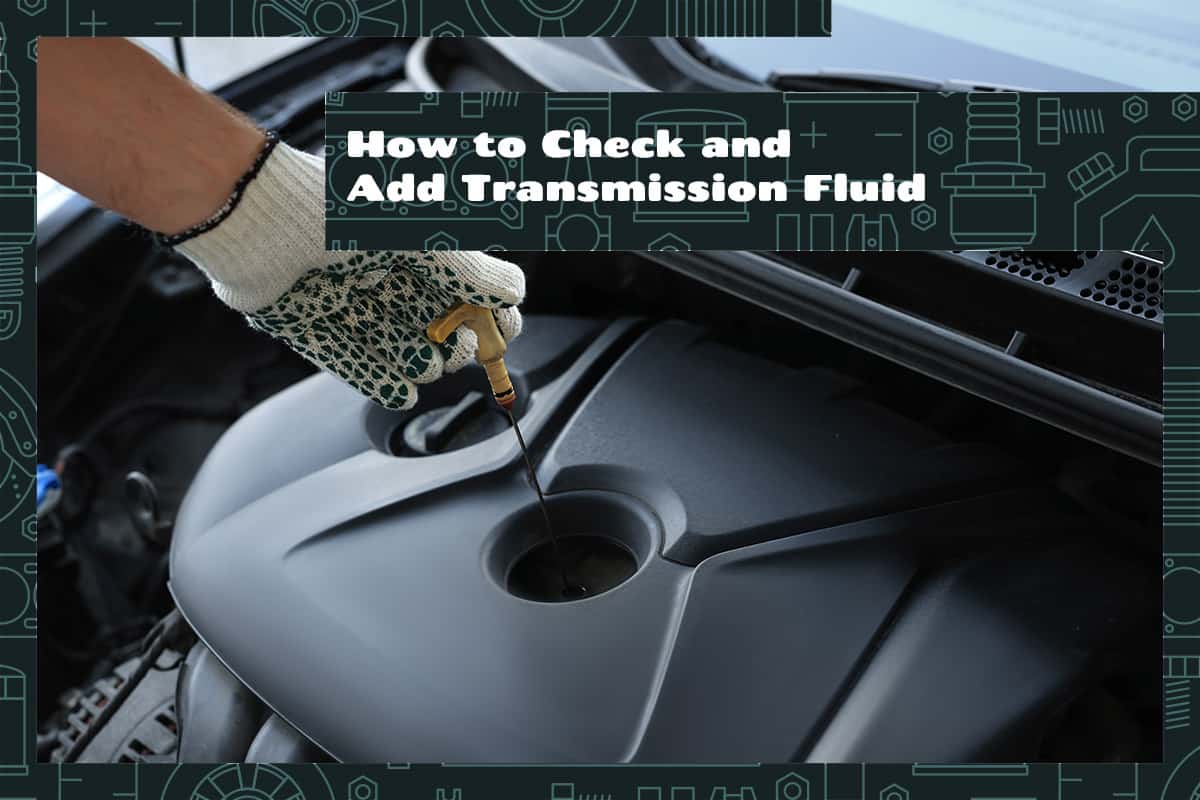
Step-by-Step Procedure: Adding Fluid to a Sealed Transmission
Adding fluid to a sealed gearbox without an engine-bay dipstick demands methodical preparation. Work in a well-ventilated space on a completely level concrete floor.
Step 1: Level the Chassis
Set the vehicle on jack stands or an automotive lift. Verify the vehicle is perfectly horizontal using a bubble level placed on the frame rail or transmission oil pan. If the vehicle tilts forward or backward, your fluid reading will be inaccurate by as much as a full quart.
Step 2: Clean and Remove the Fill Port
Locate the transmission fill plug. Spray the surrounding casing with brake cleaner and wipe it thoroughly with a lint-free towel. Grit entering the transmission can score spool valves. Remove the fill plug using the appropriate socket, Allen, or Torx driver.
Step 3: Connect the Fluid Transfer Pump
Insert the discharge hose of your manual or pneumatic fluid transfer pump firmly into the fill hole. Place the intake tube directly into your new bottle of fluid adhering to exact OEM fluid specifications (such as Mercon LV, Dexron ULV, Toyota WS, or ZF Lifeguard). Pump the fluid slowly until a thin trickle begins to weep out of the fill hole or the check plug, then thread the plug back in hand-tight.
Step 4: Execute the Operating Temperature Check
Automatic transmission fluid expands significantly when heated. You cannot set the final level while the fluid is cold. Connect an OBD-II scanner to the vehicle's diagnostic port and monitor the transmission fluid temperature sensor reading. Start the engine, hold the brake pedal, and cycle the gear selector through Park, Reverse, Neutral, Drive, and Low gears, pausing for 3 to 5 seconds in each position to purge air pockets from the valve body.
Return the vehicle to Park and allow the engine to idle until the scanner shows the transmission has reached its specific inspection window, typically between 95°F and 122°F (35°C to 50°C) depending on manufacturer guidelines.
Step 5: Final Level Calibration
With the engine still idling in Park and the temperature verified, remove the fluid level inspection plug:
- If no fluid emerges, pump additional fluid in until it begins running out.
- If a heavy stream pours out, allow it to drain into a catch pan.
- The moment the stream transitions from a solid pour to a thin, broken drizzle, the transmission is precisely filled.
Reinstall the inspection plug with a fresh crush washer or O-ring and torque it to factory specifications (typically 15 to 25 ft-lbs). Shut off the engine.
The Dangers of Overfilling and Underfilling
Transmission fluid serves three critical functions: hydraulic actuation, gear cooling, and clutch pack friction control. Incorrect fluid levels disrupt all three.
Underfilling causes the internal hydraulic pump to suck air alongside fluid. This aeration drops line pressure, delaying gear engagement and causing transmission slip symptoms, such as the engine revving without accelerating or clunking violently into drive. Deprived of adequate fluid, clutch plates glaze and overheat rapidly.
Overfilling transmission fluid causes equal devastation. When the fluid level sits too high, the rotating planetary gear sets whip the oil bath into a frothy, aerated foam. Aerated fluid cannot hold hydraulic pressure; it compresses under load where hydraulic fluid should remain incompressible. This generates severe slipping, foaming out of the case vent tubes, high running temperatures, and catastrophic seal failure.
Matching OEM Specifications: Avoiding Fluid Contamination
The era of grabbing a generic bottle of "universal" transmission fluid off a gas station shelf is over. Modern friction modifiers vary wildly across platforms.
Using Dexron VI in a transmission that requires Dexron ULV (Ultra Low Viscosity) can decrease fuel economy and cause rough, hunting shifts because the hydraulic passages are calibrated for a lighter base oil. Conversely, running an older formulation in a continuous-slip torque converter will ruin internal lockup clutches within a few thousand miles.
Always verify the exact specification printed in your owner's manual. Look for dedicated manufacturer licensing codes (such as Ford WSS-M2C949-A or Toyota 08886-02305) on the back label. If a third-party multi-vehicle fluid lists dozens of disparate approvals across Japanese, German, and domestic manufacturers on a single bottle, pass it by in favor of genuine OEM-bottled fluid or fluid with explicit single-spec certification.
Frequently Asked Questions (FAQ)
Q1: Can I add transmission fluid while the engine is cold and turned off?
A1: You can inject initial fluid while the engine is cold to prevent dry running after a pan drop, but you must never finalize the fluid level with the engine cold or off. Transmissions drain fluid back into the pan when shut down, which creates a false high-level reading. The final calibration must always occur with the engine idling and the fluid within its specified operating temperature range.
Q2: Why do dealerships charge over $1,000 for a sealed transmission service?
A2: Dealership pricing includes high hourly labor rates, branded fluids that often cost $25 to $40 per quart, and structured procedures requiring diagnostic scan tools and pan disassembly. However, independent quotes can be high because shops must carry multiple proprietary fluid types and absorb liability risks on complex 8-to-10-speed electronically controlled transmissions.
Q3: How do I know if my transmission fluid is low if there is no dipstick?
A3: Watch for telltale driveability symptoms: hesitation when shifting from Park into Drive or Reverse, unexpected engine revving between gear changes (flaring), shuttering during light acceleration, or an illuminated Check Engine Light triggering gear ratio monitoring codes (such as P0730 through P0735).
Maintaining Transmission Health in 2026 and Beyond
Modern vehicles demand precision over guesswork. The removal of the dipstick ended the era of casual fluid top-offs, turning routine transmission maintenance into a calibrated procedure that mirrors internal engine assembly.
Taking ownership of this process saves hundreds of dollars in shop labor while protecting your vehicle's most expensive mechanical component. If you choose to service your own transmission, invest in a reliable OBD-II diagnostic scanner, purchase a dedicated fluid transfer pump, and strictly adhere to OEM fluid formulations. Precision at the fill plug ensures your gearbox operates smoothly across hundreds of thousands of miles.
