What Does 'Gooning' Really Mean? Behind the Viral Slang Dominating Headlines
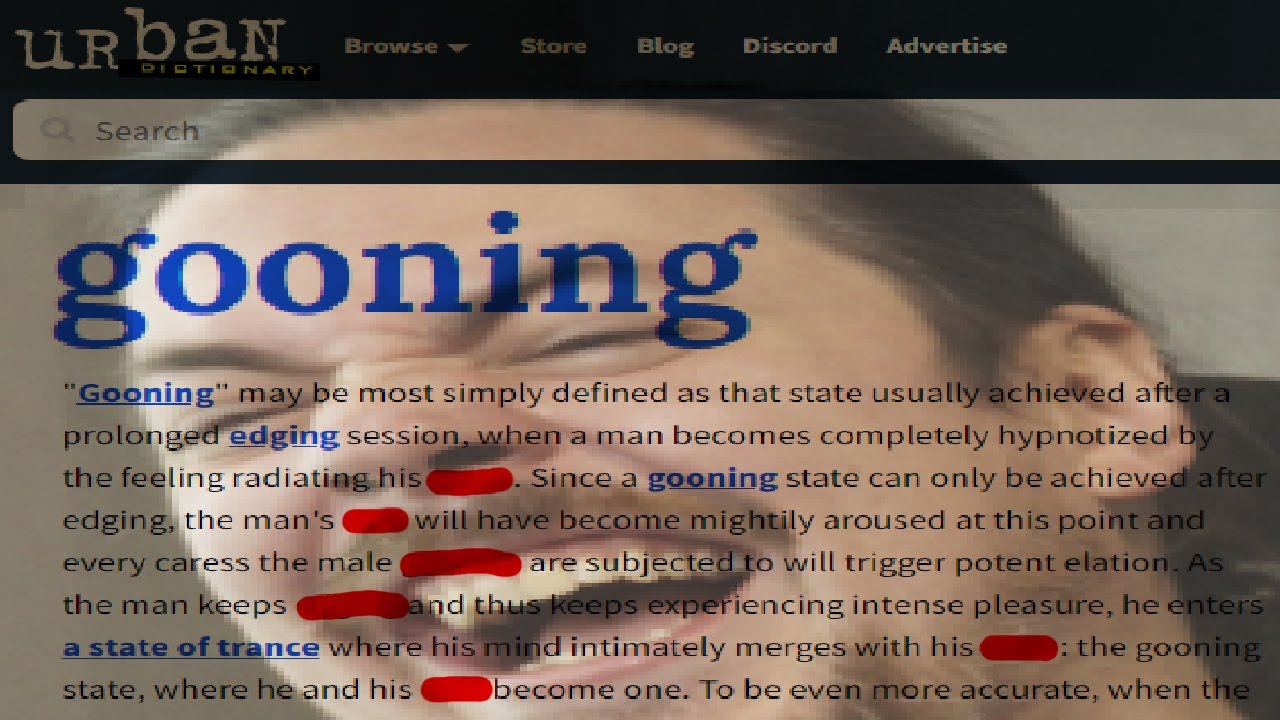
Parents scrolling through family group chats and teachers grading high school assignments recently hit an identical wall of linguistic confusion. The word "gooning" suddenly surfaced across middle school hallways, TikTok reaction videos, and Discord servers, sandwiched casually between gibberish terms like "rizz" and "skibidi." Yet unlike innocent playground slang, the term carries an explicit history. Mental health professionals have raised alarms over the disconnect between how teenagers use the phrase as an ironic meme and what the behavior actually involves, as highlighted in a recent HuffPost UK Report detailing why therapists want parents to understand the phrase.
The confusion stems from a rapid linguistic laundering process. An obscure, explicit practice developed deep inside anonymous forum subcultures migrated directly into mainstream youth dialect, shedding much of its literal meaning while preserving a dark undercurrent of hyper-fixation. Unraveling the phenomenon requires examining how isolated digital behaviors turn into widespread youth culture, and why the line between harmless online irony and genuine compulsive behavior blurred so rapidly.
📌 Quick Summary:
- The Literal Definition: Originating as adult NSFW slang, gooning describes a prolonged, hypnotic trance state achieved through extended masturbation, repetitive visual stimulation, and compulsive screen time.
- The Algorithmic Shift: On platforms like TikTok and Twitch, Gen Z vocabulary stripped away the explicit adult context, turning the term into shorthand for zoning out, hyper-focusing, or consuming mindless internet content.
- The Real-World Fallout: The collision between crude schoolyard memes and the term’s adult origins triggered suspensions, workplace HR investigations, and heightened scrutiny over platform liability laws.
From Anonymous Forums to Mainstream Subculture
The exact origin of the term traces back to early-2010s fetish imageboards and fringe Reddit communities. Within these spaces, users coined the term to differentiate standard sexual consumption from a state of total cognitive surrender. While conventional masturbation focuses on release, this practice centers on postponement, often overlapping with edging, where arousal is sustained for hours without reaching climax.
Practitioners describe entering a "goon state," a trance-like mental condition characterized by vacant facial expressions, suspended critical thinking, and hours of rapid-fire media consumption. Participants frequently assembled complex multi-monitor setups, known in forum vernacular as "goon stations," cycling through thousands of short video clips to maintain constant neurochemical stimulation. For years, the subculture existed in strict isolation, confined to gated adult channels and self-moderated message boards.
That isolation broke when algorithmic recommendation engines began harvesting forum slang for mainstream feeds. Around early 2024, content creators on platforms like Twitch and Kick started using the phrase to mock viewers who appeared completely detached during livestreams. Once the term escaped its quarantined environment, its definition fractured along generational lines.
The Semantic Shift into Gen Z Brainrot
Younger internet users rarely discover slang through its original context. Instead, algorithmic aggregation on TikTok and YouTube Shorts introduces words purely as phonetic novelties. Stripped of its explicit origins, the word joined the pantheon of brainrot terms, a vernacular genre defined by rapid-fire irony, intentional absurdity, and linguistic detachment.
For teenagers between 12 and 17 years old, "gooning" quickly became synonymous with simply staring blankly at a smartphone or getting lost in a gaming session. Someone studying for eight hours straight might ironically claim they are "gooning over chemistry notes." A gamer locked into an intense round of *Fortnite* might be accused of "goon-moding."
This linguistic laundering creates an acute generational divide. While older adults and content moderators recognize the phrase as explicit sexual slang, younger speakers treat it as interchangeable with "spacing out." The dissonance causes frequent friction: a middle school student repeating an internet catchphrase in a classroom can face severe disciplinary action for using sexually explicit language they do not fully understand.
Quantifying the Spectrum: From Irony to Compulsion
The gap between everyday social media consumption and clinical behavioral concern lies in duration, intention, and physiological impact. Understanding where casual internet use ends and compulsive fixation begins requires examining how each behavior interacts with neurobiology.
| Behavioral Category | Typical Medium | Cognitive & Neurological State | Average Duration |
|---|---|---|---|
| Brainrot Slang Usage | TikTok, Discord, Public Banter | Social belonging, ironic detachment, low physiological impact | Transient (Seconds) |
| Doomscrolling / Passive Screen Time | Short-form video feeds, algorithmic feeds | Moderate dopamine loop, fragmented attention span, fatigue | 1, 3 Hours |
| Explicit "Gooning" Sessions | Multi-tab adult video hubs, specialized forums | Severe dopamine overload, dissociation, prolonged hyper-arousal | 4, 12 Hours |

Institutional Clashes and Unexpected Legal Fallout
The migration of this phrase into classrooms, professional workplaces, and moderated consumer platforms produced tangible administrative consequences. When educators began overhearing students shouting the phrase during class, responses ranged from standard reprimands to formal sexual harassment investigations. School districts across the United States and the United Kingdom enacted zero-tolerance keyword policies, punishing students who claimed they had no idea the word had any connection to sexual behavior.
The tension escalated into broader legal debates over platform responsibility and age verification. In legislative hearings surrounding measures like the Kids Online Safety Act (KOSA) in the United States and the enforcement of the Online Safety Act in the United Kingdom, regulators cited the viral spread of predatory subculture terminology as evidence of algorithmic failure. Lawmakers argued that platforms fail to protect minors when algorithmic mechanics funnel impressionable audiences from harmless irony toward adult content pipelines.
Workplace environments experienced similar disruption. Corporate HR departments, tasked with mediating cross-generational language barriers, saw a rise in complaints over junior employees using the term in workplace chat tools like Slack and Microsoft Teams. What younger workers viewed as humorous commentary on mental exhaustion was interpreted by corporate compliance teams as hostile workplace behavior, prompting companies to issue updated digital communication guidelines.
The Mental Health Reality of Dopamine Overload
Beyond the linguistic confusion lies a genuine clinical concern: the physiological consequences of extended, hyper-stimulated isolation. Sex therapists and addiction specialists note that the underlying practice, spending eight to twelve hours in a continuous state of high-intensity visual arousal without physical completion, places unprecedented strain on the brain's reward architecture.
This prolonged behavior floods the brain with massive surges of dopamine, followed by sharp dopamine deficits that can trigger acute depressive symptoms, executive dysfunction, and severe anhedonia. Clinical psychologists point out that individuals who engage in these extended sessions often use the trance state as a dissociative coping mechanism. Facing chronic anxiety, financial uncertainty, or social isolation, the individual retreats into a continuous sensory loop that effectively switches off external stress.
The physical consequences are equally disruptive. Clinicians report that chronic practitioners experience profound sleep disruption, carpal tunnel symptoms, and altered sexual response cycles that make real-world intimacy difficult or impossible. The problem rarely lives in the vocabulary alone; the true crisis lies in the behavioral pattern of using digital interfaces to bypass normal emotional processing.
Frequently Asked Questions (FAQ)
Q1: What does "gooning" mean when teenagers use it on TikTok?
A1: In most social media contexts, Gen Z uses the term purely as an ironic joke meaning to zone out, procrastinate, hyper-focus on a task, or spend hours staring blankly at a screen. Most teens using the word do not associate it with its explicit adult origins.
Q2: What is the literal, NSFW definition of the term?
A2: The original adult slang refers to prolonged masturbation combined with edging, where an individual consumes continuous adult video feeds for hours to enter a hypnotic, dissociative mental trance without immediately reaching climax.
Q3: Why are therapists and child safety experts concerned about this trend?
A3: Clinicians worry about two distinct issues: the risk that minors repeating the meme will be exposed to extreme adult content through algorithmic searches, and the severe neurochemical toll that prolonged, high-stimulation screen addiction inflicts on mental health.
Q4: How should parents respond if their child repeats the word?
A4: Child behavioral specialists recommend avoiding immediate punitive overreactions. Instead, clarify the word's adult origins, explain why public spaces consider it inappropriate, and check whether the child's daily device habits reflect compulsive, dissociative screen time.
Navigating Online Culture and Digital Compulsion
Internet slang moves faster than administrative policy or parenting guidelines can comfortably track. Words that emerge from the darkest corners of private forums will continue finding their way into the public vocabulary, laundered through the relentless churn of short-form video algorithms. Treating every teenager who utters a viral meme as a clinical patient misses the mark, just as dismissing the term entirely ignores the genuine risks of compulsive digital consumption.
The real challenge in modern digital environments is learning to separate linguistic noise from behavioral distress. While the word "gooning" may eventually fade from youth slang like countless viral trends before it, the underlying appetite for continuous digital dissociation remains real. Addressing that reality requires proactive media literacy, honest conversations about digital habits, and healthy offline boundaries that keep hyper-stimulating screens from dominating everyday life.
