What Is Really in In-N-Out Spread? Flavor Chemistry and Facts

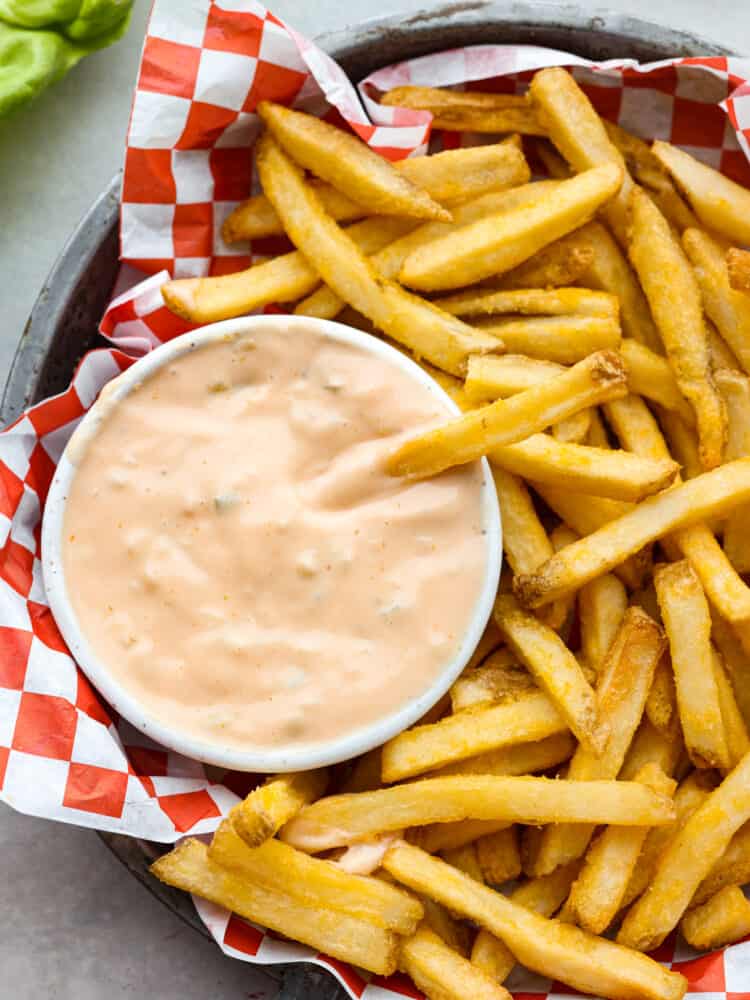
Step into any In-N-Out drive-thru from California to Texas, and the ritual remains unchanged: paper-lined red trays, fresh-cut potatoes bubbling in sunflower oil, and burgers crowned with a blush-pink dressing. For decades, the Irvine-based chain has guarded its proprietary condiments with quiet discipline, fueling an obsession among home cooks determined to crack the code. While casual diners dismiss it as ordinary Thousand Island, culinary scientists and copycat obsessives know better. According to an investigative Tasting Table Report charting the chain's cult following and underground menu mechanics, minor operational precision transforms basic pantry items into a distinct sensory signature.
The gap between a soggy, store-bought imitation and the sharp, unctuous sauce clinging to a Double-Double comes down to micro-adjustments in acid and moisture control. Recreating this smash burger condiment requires understanding the precise tension between emulsified fat, acetic bite, and vegetable crunch.
📌 Key Takeaways:
- The Core Formula: Authentic In-N-Out spread is an emulsion of high-oil heavy mayonnaise, tomato paste or ketchup, sweet pickle relish, and a sharp shot of distilled white vinegar.
- The Crucial Misconception: The spread itself does not contain caramelized onions; those are grilled directly on the flat top and layered separately during Animal Style assembly.
- The Chemical Driver: The spread succeeds because its high acid content cuts directly through rich, 60/40 beef fat and melted American cheese.
The Thousand Island Fallacy and the Acid-Fat Ratio
The most persistent myth in fast-food lore is that In-N-Out simply repackages standard bottled Thousand Island. A quick look at historical culinary definitions dismantles that claim. Traditional early-twentieth-century Thousand Island recipes rely on minced hard-boiled egg, pimentos, chives, and sometimes Worcestershire sauce or chili paste. In-N-Out spread intentionally strips away these earthy aromatics in favor of structural clarity: sweet, sour, salt, and fat.
The sauce functions as a functional counterbalance to the burger's heavy components. When a hot beef patty drips liquefied rendered tallow over melted American cheese, the palate quickly becomes overwhelmed by dairy and beef fats. A standard sugary dressing makes this heaviness worse. In-N-Out avoids palate fatigue by keeping the pH of its spread noticeably lower than typical grocery store condiments.
A controlled splash of distilled white vinegar provides immediate acetic punch, preventing the heavy mayonnaise base from coating the tongue in an oily film. Sweet pickle relish brings bursts of texture, but the liquid brine mixed into the base distributes crisp tartness through every square millimeter of sauce.
Dissecting the Emulsion: Why Homemade Batches Split
Most home cooks fail because they assemble the sauce haphazardly, creating an unstable suspension that breaks against hot beef. A commercial packet must endure rapid temperature swings: chilled at 38°F to 40°F inside walk-in coolers, spread across room-temperature toasted sponge dough buns, and immediately exposed to sizzling patties hovering near 160°F.
Mayonnaise forms the structural backbone. Using light mayonnaise or olive-oil-based variants introduces excess water or bitter polyphenols that rupture when warmed. Fast-food spreads rely on high-fat, commercial-grade egg yolk emulsions containing around 75% to 80% vegetable oil. Egg yolks supply lecithin, a phospholipid that bonds water droplets to lipids.
When you introduce sweet pickle relish, excess moisture threatens this matrix. If your relish sits in syrupy water, adding it directly will turn the sauce thin and watery within ten minutes. Culinary lab tests consistently reveal that commercial kitchens drain excess liquid from vegetable garnishes before incorporating them into stable batches. Pressing relish lightly in a fine-mesh strainer preserves crispness while keeping the sauce thick enough to cling to a hot burger bun.
Benchmarking the Ratios: Dressing Profiles Compared
Understanding where In-N-Out spread sits alongside alternative burger dressings highlights its dialed-in balance. Minor ingredient shifts completely change the flavor balance between commercial sauces:
| Condiment Type | Fat-to-Acid Balance | Textural Inclusion | Distinctive Flavor Driver |
|---|---|---|---|
| Standard Bottled Thousand Island | Heavy sweet fat (High corn syrup, moderate acid) | Minced relish, occasional bell pepper bits | Corn syrup sweetness, mild paprika note |
| McDonald's Big Mac Special Sauce | Savory-acidic (No tomato base, vinegar-forward) | Finely minced dill pickle relish | Turmeric, garlic powder, onion powder, mustard |
| Shake Shack "Shack Sauce" | Sharp creamy savory (Mayo, mustard, pickle brine) | Completely smooth, no chunks | Dijon mustard, cayenne, kosher pickle juice |
| In-N-Out Secret Spread | Sharp-sweet balance (Mayo, ketchup, clean acetic bite) | Finely diced sweet pickle relish | Distilled white vinegar punch, tomato sweetness |
The Animal Style Dynamic: Mustard Sears and Allium Chemistry
A common mistake in copycat recipes is folding cooked onions directly into the sauce jar. Food lovers often ask for "extra spread" and equate it to the golden, jammy topping seen on Animal Style fries and burgers. In reality, In-N-Out maintains strict separation on its prep lines.
The chain's famous secret menu item relies on three distinct flavor layers: the spread on the bun, a yellow mustard sear on the raw meat patty, and deeply browned caramelized onions layered on top.
During the mustard sear, cooks squirt plain yellow mustard onto the unseared side of the beef before flipping it onto a 375°F chrome griddle. The heat flashes the vinegar and water away, frying turmeric, mustard seed, and salt directly into the crust of the meat.
When you bite into an Animal Style burger, your tongue encounters:
- The cool, fatty acid of the spread.
- The caramelized sweetness of onions cooked low and slow until natural sugars break down.
- The sharp, savory crust left behind by the fried mustard.
Mixing onions into the sauce ahead of time ruins this contrast. The alliums release water, dulling the clean vinegar note and making the sauce brown and murky instead of light pink.
The Calibrated Home Formula and Resting Science
To build an authentic clone at home, measure your ingredients by weight rather than loose spoonfuls. This maintains the essential balance between sugar, fat, and acetic acid.
Mix 1/2 cup (115g) full-fat mayonnaise with 3 tablespoons (50g) standard tomato ketchup, 2 tablespoons (30g) well-drained sweet pickle relish, 1 teaspoon (5ml) distilled white vinegar, and a tiny pinch of fine sea salt. Skip fancy ingredients like smoked paprika, garlic cloves, or Worcestershire sauce. The strength of this sauce lies in its straightforward fast-food roots.
Once mixed, let the sauce rest in the refrigerator for at least 60 minutes before serving. This rest period isn't optional. Acetic acid needs time to tenderize the relish bits and dissolve the remaining sugar crystals, while the fat molecules absorb the natural color compounds from the ketchup. The result is a smooth, balanced spread with the familiar pale salmon color.
Frequently Asked Questions (FAQ)
Can I substitute dill relish for sweet pickle relish in this spread?
Using dill relish removes the essential sweetness needed to balance the distilled white vinegar and ketchup. If you only have dill relish, add half a teaspoon of granulated white sugar to restore the proper balance between sweet and tart flavors.
How long will homemade copycat spread keep in the refrigerator?
Stored in an airtight glass container, this emulsion stays fresh for up to two weeks at or below 40°F. If you notice watery liquid pooling on top, stir the sauce gently to bring the emulsion back together.
Why does my homemade spread taste sweeter than the packets at the restaurant?
High-fructose corn syrup in conventional supermarket ketchups and sweet relishes can push the sugar level too high. If your sauce tastes too sweet, stir in an extra quarter-teaspoon of distilled white vinegar to restore its sharp edge.
Fast-Food Engineering in the Home Kitchen
The quiet brilliance of In-N-Out spread lies in what it leaves out. It doesn't rely on expensive spices, complex reductions, or secret chemical additives. Instead, it succeeds through smart culinary mechanics: using clean acid to cut rich beef fat, keeping enough oil to prevent soggy bread, and adding relish for crunch.
When you balance the acid against the richness of a hot beef patty, simple pantry staples turn into one of the most recognizable sauces in American fast food. Master that balance, and your kitchen will turn out burgers that rival the West Coast original every single time.
