What Is Taro Milk Tea Really Made Of? The Truth Behind the Iconic Purple Boba Drink

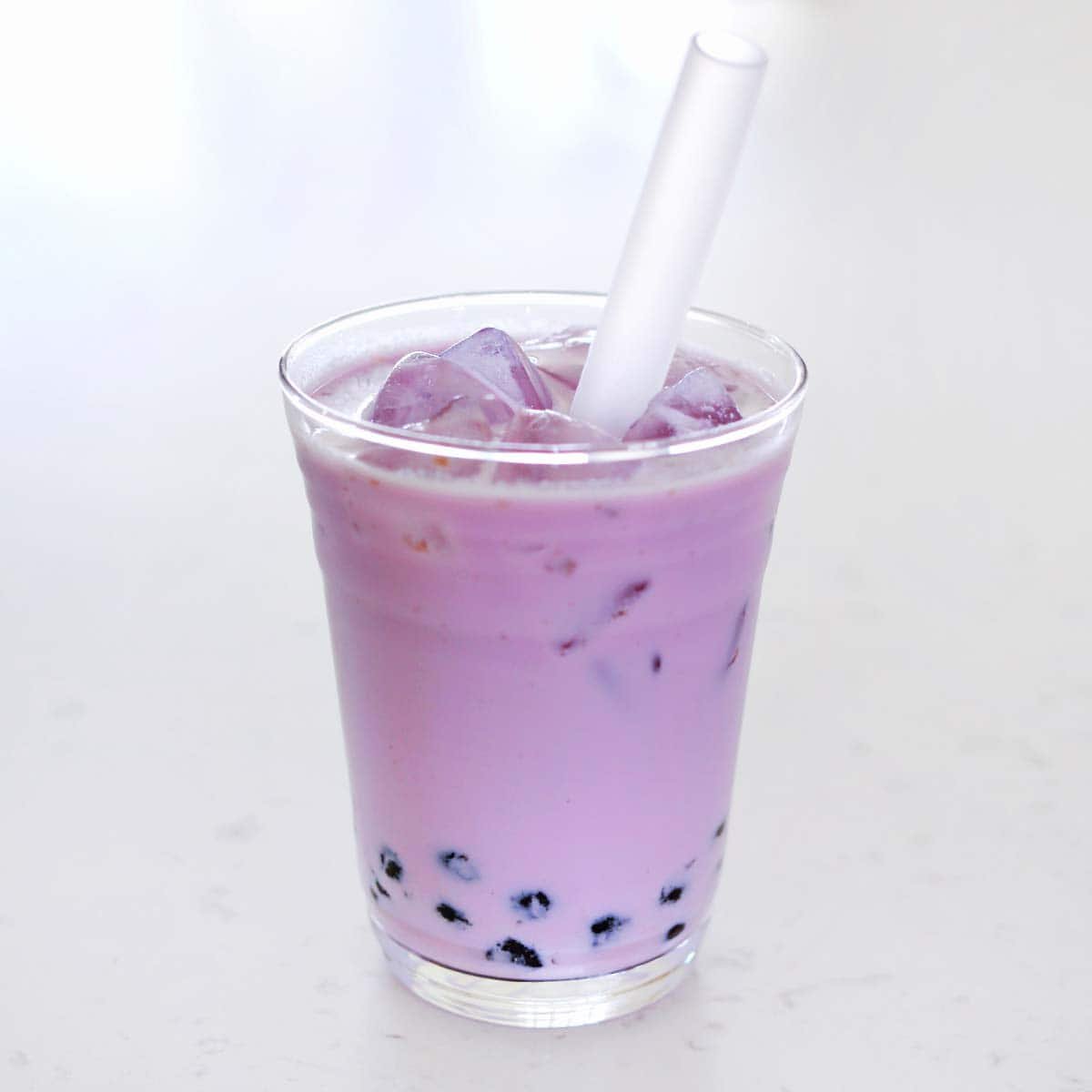
Step inside any bubble tea shop from Taipei to Toronto, and one beverage commands instant visual attention: a pastel lavender concoction settled beneath a layer of glossy black tapioca pearls. Taro milk tea has sustained a decade-long surge in global cafe culture, driving international franchises and independent tea houses alike. Yet the vivid violet hue sitting on cafe counters often disguises a massive gulf between traditional agricultural roots and industrial beverage science. Investigations into major franchise practices, including an investigative breakdown by the Mashed Report on Kung Fu Tea's menu development, show that what lands in your cup rarely starts with a freshly dug tuber.
The modern drink sits at a curious intersection of culinary heritage, food chemistry, and social media styling. Understanding what goes into a typical cup requires peeling back decades of Taiwanese street food innovation, deconstructing commercial dry mixes, and confronting misconceptions about purple root crops.
📌 Key Takeaways:
- The Color Reality: Natural taro flesh brews into an off-white or pale grayish paste; the electric violet hue in commercial cups comes almost exclusively from purple food coloring or blue and red dye blends.
- Powder vs. Root: Most quick-service shops rely on commercial taro root powder loaded with non-dairy creamer, glucose syrup, and synthetic flavorings rather than freshly simmered tubers.
- Caffeine Variables: A cup can pack 40 to 60 milligrams of caffeine or none at all, depending on whether the barista shakes the mix with a black tea base, a jasmine green tea base, or hot water alone.
The Botanical Illusion: Sorting Taro Root From Ube
The biggest consumer myth surrounding taro milk tea stems from a simple botanical mix-up. True taro (Colocasia esculenta) is an ancient wetland tuber native to Southeast Asia and southern China. Slice open raw taro root, and you will not find vibrant magenta. The flesh is chalky white, speckled with tiny purple-brown fibers, turning an unglamorous shade of grayish-beige when boiled and mashed.
The deep purple image popularized across social feeds belongs to ube (Dioscorea alata), an entirely different tuber known as purple yam. Ube originates in the Philippines, where it has anchored traditional desserts like halaya for generations. Ube contains dense concentrations of natural anthocyanins, giving it a rich violet color. Taro contains very few anthocyanins. When early commercial bubble tea brands sought an eye-catching visual identity in the late 1990s, food manufacturers added synthetic dyes to synthetic taro root powder. That single formulation choice permanently fused the idea of pale taro with vivid purple in consumer minds.
The confusion extends to flavor profiles. Taro provides an earthy, starchy backbone that carries a distinct nutty vanilla flavor when sweetened. Ube leans sweeter, heavier, with floral notes reminiscent of white chocolate and roasted coconut. When a drink menu advertises taro but arrives neon-purple, you are drinking industrial dyes designed to mimic ube aesthetics while borrowing taro's name.
Commercial Powders Versus Fresh Mash: The Boba Shop Divide
Standard boba shop preparation splits into two distinct operational tiers: high-speed powder reconstitution and artisanal whole-root prep. The vast majority of mainstream bubble tea franchises choose convenience. Commercial taro root powder comes prepackaged in large foil bags containing a blend of spray-dried taro starch, non-dairy creamer (usually hydrogenated palm kernel oil and corn syrup solids), sugar, silicon dioxide anti-caking agents, and certified food dyes such as Red 40 and Blue 1.
This dry blend dissolves rapidly in warm water, allowing a barista to assemble a drink in under 45 seconds. The resulting beverage delivers consistent sweetness and uniform texture across hundreds of franchise locations. However, that speed eliminates the nuanced, earthy starchiness of the actual crop.
At craft tea houses, staff prepare fresh taro paste daily. Workers peel, cube, and steam raw taro tubers until soft, then whip the steaming root with condensed milk, fresh milk, or simple syrup. This creates a thick, textured puree spooned along the inner walls of the plastic cup before hot tea and milk are poured over ice. The visual result is subtle, a soft, marble-patterned lavender-gray drink layered with dense root fibers. The mouthfeel mirrors melted ice cream blended with starchy pudding, presenting a stark textural contrast to the silky, water-thin profile of powder-based drinks.
Inside the Cup: Caloric Load, Sweeteners, and Creamers
The standard nutritional profile of a 16-ounce taro milk tea often catches health-conscious consumers off guard. Because base powders rely on non-dairy creamer to establish an emulsion, fat and sugar are embedded directly into the mix before any external liquid sugar enters the shaker cup.
| Preparation Style | Typical Calories (16 oz) | Sugar Content (Grams) | Primary Base Components |
|---|---|---|---|
| Commercial Powder (Full Sweetness) | 420, 510 kcal | 48, 62 g | Taro flavor powder, non-dairy creamer, cane syrup |
| Fresh Taro Paste (With Whole Milk) | 340, 410 kcal | 28, 38 g | Steamed taro root, dairy milk, light cane syrup |
| Powder Blend + Tapioca Pearls | 570, 680 kcal | 65, 84 g | Powder mix, creamer, brown sugar soaked boba |
| Modern Protein Adaptation | 150, 190 kcal | 1, 3 g | Whey isolate, taro extract, stevia/sucralose |
Adding traditional tapioca pearls increases the density further. Cooked cassava starch balls simmer in concentrated brown sugar syrup, adding roughly 150 to 220 calories per scoop. For consumers treating bubble tea as a light mid-afternoon beverage, a single large cup easily matches the caloric and carbohydrate load of a full meal.
This nutritional profile has sparked shifts across the supplement industry. Mainstream fitness brands now develop protein formulas that replicate the taste profile of Taiwanese desserts. Fitness outlets monitoring sports nutrition trends note that brands like Boba Tea Protein formulate functional whey powders specifically around taro and milk tea flavor bases, catering to consumers who want the nutty taste without the 50-gram carbohydrate spike.
The Tea Base Question: Does Taro Milk Tea Have Caffeine?
Customers frequently ask whether taro milk tea provides a morning pick-me-up or functions as an evening, kid-friendly treat. The real answer depends entirely on how the shop builds its menu.
In standard chain operations, taro milk tea often contains zero brewed tea. Instead, workers dissolve the purple powder in hot water, shake it with ice, and pour it directly over tapioca pearls. In this format, the beverage contains 0 milligrams of caffeine, making it safe for caffeine-sensitive drinkers. However, some commercial powder brands blend instant black tea extract directly into their dry mixes to impart bitterness that balances the heavy creamer.
At tea-forward establishments, the drink starts with a freshly brewed liquid base. Baristas typically reach for one of two profiles:
- Black Tea Base: An Assam or Ceylon steep that delivers bold, malty tannins. This cuts through rich dairy fat and contributes approximately 45 to 65 milligrams of caffeine per serving.
- Jasmine Green Tea Base: A light, floral tea that introduces grassy notes, bright aroma, and roughly 25 to 40 milligrams of caffeine. Jasmine green tea balances the earthy density of real taro paste particularly well.
Always verify the base liquid before ordering. If your goal is an evening treat free of stimulants, ask the barista specifically whether their taro formulation uses a brewed tea base or a water-only blend.
Kitchen Safety and Oxalate Chemistry Behind Real Taro
Home cooks who attempt to make fresh taro paste from scratch often run into an unexpected barrier: severe physical irritation. Raw taro root contains sharp, microscopic needle-like crystals of calcium oxalate. Touching unpeeled, raw taro with bare hands can cause intense contact dermatitis, characterized by burning, itching, and swelling.
Ingesting undercooked taro triggers similar irritation in the human throat and mouth, creating a painful scratching sensation. For companion animals, the threat is even more pronounced. Veterinary guidance from Dogster highlights that while cooked, unseasoned taro provides safe dietary fiber, raw taro leaves and unboiled tubers are toxic to dogs due to these sharp oxalate structures. Proper cooking breaks down the calcium oxalate, making the root safe to consume.
To prepare real root mash safely, bubble tea kitchens follow rigid handling steps. Prep cooks wear protective kitchen gloves to peel away the hairy, bark-like skin. The roots are cut into small pieces and steamed at high heat for at least 35 to 45 minutes until the starches soften completely and oxalates break down. Once softened, the pale root is whipped with cane sugar syrup or condensed milk, transforming an abrasive tuber into a smooth dessert base.
How to Order the Best Cup at Any Boba Counter
Ordering a balanced cup of taro milk tea requires navigating shop menus with intention. If you prefer real food ingredients over industrial syrups, scan the menu board for specific keywords: "fresh taro," "taro paste," or "mashed taro milk." These drinks generally command a higher price, often $1.00 to $1.50 more than powder-based drinks, due to the labor involved in steaming and pureeing fresh tubers.
Next, adjust your sugar preferences. Standard powder formulations already contain high levels of corn syrup solids within the creamer. If you order the drink at "100% Sweetness" (regular sweetness), the barista adds another 30 to 40 milliliters of liquid cane sugar syrup into the shaker cup. Requesting 30% sweetness (light sweet) or even 0% added sugar allows the natural nutty vanilla flavor of the root to emerge without being overwhelmed by sugar.
Finally, inspect the dairy options. Standard bubble tea shops use non-dairy creamer derived from palm oil to cater to lactose-sensitive populations. If you prefer whole ingredients, ask the cashier to substitute the powder base or creamer with fresh oat milk, whole dairy milk, or soy milk paired with fresh taro mash. This modification produces a drink that tastes grounded, creamy, and distinctly balanced.
Frequently Asked Questions (FAQ)
Q1: Why is my taro milk tea gray instead of purple?
A: A gray or pale off-white color indicates that your drink was made with genuine steamed taro root rather than artificial powders. Real taro flesh contains minimal natural pigment and brews into an earthy, starchy beige-gray hue. Bright lavender drinks rely on artificial food coloring.
Q2: Is taro milk tea dairy-free by default?
A: It depends on the shop. Many powders utilize non-dairy creamer, which is free of liquid milk but often contains sodium caseinate, a milk-derived protein that is not suitable for strict vegans. Fresh taro paste drinks, on the other hand, frequently use condensed milk or fresh cow's milk unless an oat or soy substitute is requested.
Q3: What makes taro taste like vanilla and nuts?
A: Taro contains naturally occurring volatile compounds that give it an earthy, subtly nutty undertone when cooked. Commercial syrup and powder producers boost this profile by adding ethyl vanillin and synthetic malt compounds, giving the finished drink its signature melted-vanilla-ice-cream flavor.
Q4: Can I order taro milk tea completely caffeine-free?
A: Yes. Most cafes that use commercial taro powder can mix the drink with hot water or steamed milk instead of brewed tea. Simply request your taro drink "caffeine-free" or ask the cashier to omit the black or green tea base during preparation.
The Shifting Culture of Modern Taro Drinks
Consumer preferences in the beverage sector continue to lean toward ingredient transparency, pushing bubble tea shops to rethink their staple recipes. The bright purple cup that came to define bubble tea aesthetics in the 2010s is increasingly viewed with skepticism by drinkers seeking whole foods and fewer artificial additives. Independent shops are putting fresh, house-steamed taro paste front and center, trading the neon hue for subtle, earthy gray tones.
This shift honors the agricultural roots of the ingredient while delivering an authentic texture that powder mixes cannot duplicate. Whether you prefer the nostalgic sweetness of a classic lavender powder shake or the thick, starchy richness of fresh tuber mash, understanding what goes into the cup gives you complete control over your order.
