What Is the 'Ripping Apart Cushion' Meme? The Unhinged Viral Trend Explained

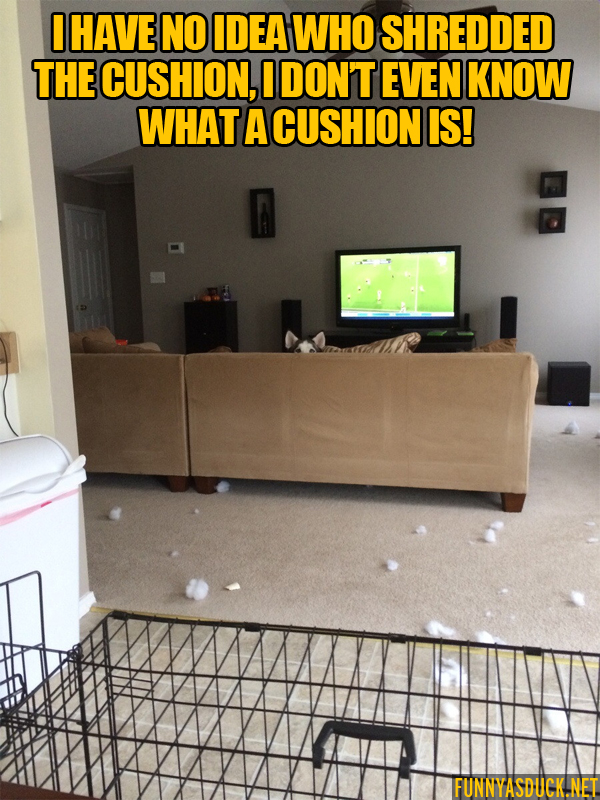
Social media feeds have largely abandoned polished reaction images in favor of feral domestic destruction. Over the past several months, video feeds across TikTok, Instagram Reels, and X have filled with creators violently tearing sofa cushions to shreds, biting deep into exposed upholstery foam, or hurling clouds of polyester stuffing across their living rooms. It is physical, loud, and aggressively unhinged.
The visual operates as the ultimate crashout reaction clip, an exaggerated performance of frustration for moments when a standard facepalm or typed response feels inadequate. Whether captioned with dating horror stories, academic burnouts, or catastrophic gaming blunders, the spectacle of someone shredding household furniture has turned into a defining symbol of online exasperation.
📌 Key Takeaways:
- The Core Premise: Users physically rip, chew, or violently disembowel couch cushions to communicate absolute mental collapse, sensory overload, or secondhand embarrassment.
- The Lineage: Rooted in classic "screaming into a pillow" tropes, the meme accelerated via TikTok audio trends and streaming "crashout" culture before morphing into extreme physical comedy.
- The Engagement Metric: Visual destruction consistently outpaces static reaction templates, generating tens of millions of views through chaotic visual and auditory impact.
From Quiet Pillow Screaming to Full Domestic Destruction
Muffled screams into a bedroom pillow have existed as an audiovisual shorthand for decades. Sitcoms in the 1990s and 2000s regularly leaned on the image of a frustrated teenager burying their face in bedding to express romantic panic. The modern tearing-apart variation discards that restraint entirely.
Instead of absorbing sound, the furniture becomes a casualty. The modern couch cushion biting meme initially gained traction in digital fandom spaces, where users posted clips of themselves literally gnawing on throw pillows to process agonizing plot twists or intense romantic tension. By late 2024, that private embarrassment boiled over into overt hostility. Creators stopped biting and started shredding.
Tracking by documentation hubs like Know Your Meme highlights how fast reaction humor has drifted toward hyper-physicality. A simple frustration reaction gif of an actor rolling their eyes no longer commands attention in high-velocity feeds. Modern algorithms favor movement, velocity, and genuine sensory disruption. Watching an otherwise calm individual suddenly tear a seam open with their bare hands delivers immediate narrative shock value within the first two seconds of playback.
Deciphering the Audio Tracks and Creator Origins
Like most viral phenomena, the trend did not emerge in a vacuum; it relies heavily on specific sound pairings. Early iterations leaned on high-pitched squeals, distorted bass hits, or high-gain video game lobby arguments. Creators synchronize their physical assault on the couch with sudden audio spikes, producing an audiovisual punchline that feels almost tactile.
A prominent strain of the unhinged reaction video utilizes dialogue clips from reality television blowups, anime battle cries, or viral Twitch stream meltdowns. When a streamer loses their temper and snaps their peripherals, viewers frequently remix the audio over independent footage of someone systematically deconstructing their own sofa. In other variations, creators replace their own vocal cords entirely with guttural animal noises or metallic crunch sound effects, creating a jarring contrast between an everyday apartment setting and wild primal behavior.
The visual humor works because it breaks social decorum inside a domestic space. Sofas represent comfort, leisure, and financial investment. Watching someone treat an expensive sectional like a piece of fresh prey violates ordinary living-room etiquette, generating instant comedic tension.
The Evolution of Digital Rage and Reaction Formats
Digital expressions of anger have shifted radically over the last fifteen years. Early internet culture channeled rage through crude illustrations, whereas modern formats demand theatrical, whole-body performance.
| Meme Era | Dominant Visual Medium | Emotional Tone | Primary Platform |
|---|---|---|---|
| 2010, 2014 | Rage Comics & "Keyboard Smash" text | Sarcastic, exaggerated anger | Reddit, Tumblr, Web Forums |
| 2015, 2019 | Short reaction gifs & celebrity facepalms | Exasperated, ironic detachment | Twitter/X, Vine, Slack |
| 2020, 2023 | Pillow biting & screaming into couch | Internalized panic, secondhand cringe | TikTok, Instagram Reels |
| 2024, 2026 | Physical cushion tearing & furniture destruction | Feral breakdown, total sensory overload | TikTok, Short-form Video Platforms |
The progression reveals a clear trajectory toward tactile chaos. Early platforms relied on symbolic representations of anger, like typing in all-caps or linking to animated loops. Contemporary platforms demand visceral, physical staging. Tearing apart furniture provides an unmistakable kinetic payoff that static images simply cannot match.
The Psychology of Sensory Overload and Secondhand Rage
Why do millions of viewers stop scrolling to watch someone chew through polyester batting? Much of the appeal lies in psychological catharsis. The pace of modern media consumption produces acute cognitive exhaustion. News cycles, algorithmic feeds, and professional obligations create a low-hum background stress that regular language struggles to articulate.
The pillow tearing rage format externalizes that friction. When an individual caption reads, "My boss scheduled a 4:30 PM meeting on a Friday to discuss quarterly deliverables," standard complaining feels stale. Pairing that mundane corporate inconvenience with an immediate, unhinged physical reaction creates sharp comedic dissonance. The creator acts out the forbidden impulse that polite society forces everyone to suppress.
Viewers also experience strong secondhand physical resonance. Anyone who has ever squeezed a stress ball understands the urge to physically squeeze, crush, or destroy an inanimate object during moments of acute frustration. The couch serves as the ultimate target: it is soft, resilient, widely accessible, and utterly helpless.
Staging the Carnage: Real Destruction Versus Staged Props
As the destroying furniture meme expanded across the internet, creators ran into a practical economic issue: genuine couches are expensive. Replacing high-density foam cushions every time an idea strikes is financially unsustainable.
This reality forced the genre to develop its own production tricks. Many creators now source secondhand cushions from thrift outlets specifically designated as sacrificial props. Others use cheap polyester pillow inserts stuffed inside old zippered slipcovers, allowing them to pull out handfuls of synthetic cotton without permanently ruining their actual furniture. The trick relies on camera positioning: tucking the cheap prop into a luxury sofa frame makes the ensuing destruction look authentic.
Comment sections frequently divide between users in on the joke and casual observers horrified by the perceived property loss. Inquiries like "How many couches do you own?" routinely drive engagement figures higher, signaling the algorithm to push the video to an even broader audience.
Frequently Asked Questions (FAQ)
Q1: What is the main meaning behind the ripping apart cushion meme?
A1: It symbolizes extreme frustration, secondhand embarrassment, or mental collapse. Users employ the physical act of destroying cushions to show that an everyday annoyance or emotional trigger was so intense it drove them completely past logical speech.
Q2: Where did the trend start?
A2: The trope evolved out of fandom reaction videos on TikTok and Tumblr, where creators bit pillows to suppress screams over romantic scenes. By late 2024, comedic creators transformed the quiet bite into aggressive, whole-body destruction paired with chaotic viral sounds.
Q3: Are people actually ruining their real furniture for these videos?
A3: While some extreme clips show genuine furniture damage, experienced creators typically use slipcovers, cheap thrifted cushions, or replaceable polyester stuffing to stage the mess without destroying valuable furniture.
Q4: Why does this format get so much engagement on social algorithms?
A4: Violent motion, bursting foam, and sudden noise capture user attention in the first fraction of a second. High visual kineticism stops users from scrolling, boosting completion rates and comment volume.
The Future of Tactile Chaos in Short-Form Media
The rise of cushion destruction marks a clear departure from quiet, cerebral internet humor. As feeds grow increasingly automated and predictable, creators lean hard into physical, tactile messiness to prove their humanity. Tearing through fabric, scattering batting, and gnawing on foam cannot be easily faked with smooth filters. It demands real-world mess, physical commitment, and a willingness to vacuum the living room afterward.
While the specific props will eventually shift, the underlying appetite for unfiltered catharsis is here to stay. Audiences will continue to bypass measured responses in favor of pure, performative mayhem whenever life becomes slightly too overwhelming to process in polite sentences.
