Wheatus Celebrates 25 Years of 'Teenage Dirtbag': The Complete Timeline from 2000 to 2025
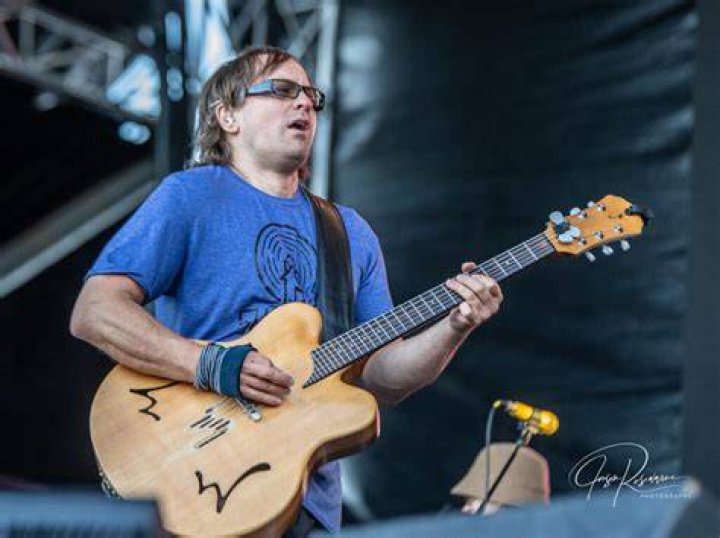
When Brendan B. Brown laid down the scratch vocal track for an offbeat acoustic-rock demo in his mother's basement in the late 1990s, he assumed the recording would die in Long Island obscurity. Instead, that self-deprecating track became a global cultural benchmark. Reaching its official 25th anniversary milestone, the song continues to defy the typical expiration date of 2000s alternative rock, crossing seamlessly from cassette players and suburban CD stereos to stadium setlists and short-form video algorithms. As Brown noted while revisiting the band's catalog in a detailed Sheldon Ang Media Report, the track was never engineered to follow pop rules; it survived precisely because it broke them.
Behind the song's breezy acoustic bounce sits an intricate cocktail of suburban trauma, heavy metal devotion, and gender-bending vocal theater. The enduring obsession with the teenage dirtbag lyrics is not mere pop punk nostalgia. It represents a rare cultural moment where an outsider pop anthem retained its emotional bite across three separate generations of listeners.
📌 Key Takeaways:
- The Real Origin: The song was sparked by an infamous 1984 Satanic panic murder in Northport, Long Island, which caused local authorities to target heavy metal fans like Brown as dangerous outcasts.
- The Falsetto Secret: Brendan B. Brown performed both the male narrative and the female response in Noelle's voice simply because the band had no female vocalist present during their basement recording sessions.
- Cross-Generational Life: From its initial 2000 platinum success to stadium covers by One Direction and billions of algorithmic streams, the bedroom demo ranks among alternative rock's most durable independent triumphs.
The Dark Long Island Reality Behind the 'Dirtbag' Label
Most casual listeners hear the song as a lighthearted tale of adolescent pining. The reality is far grimmer. In the summer of 1984, the suburban town of Northport, Long Island, was rocked by the murder of seventeen-year-old Gary Lauwers by his peer Ricky Kasso, a self-styled Satanist who wore heavy metal patches. The sensationalized media circus triggered widespread panic across local schools and neighborhoods. Anyone wearing black band shirts or carrying hard rock cassettes was instantly pegged as a threat.
Brown was ten years old at the time. He rode his bicycle around Northport listening to AC/DC, Judas Priest, and Iron Maiden. Overnight, neighbors and local authority figures began treating him with hostility, writing him off as a burnout. The label "dirtbag" was not an ironic badge of honor; it was an insult hurled by school administrators and suburban parents. Speaking to Australian music journalists during the band's 25-year retrospective tour, Brown recalled daydreaming about a musical escape when he was ten, completely unaware of how to reach it. Writing the track over a decade later was his direct response to that suburban demonization.
Deciphering the Teenage Dirtbag Lyrics: Iron Maiden Tickets and Noelle
The storytelling relies on vivid, highly specific imagery. The verses establish a classic high school caste system: the narrator stands beside the athletic field, ignored by authority figures and terrorized by school jocks driving expensive cars. Enter "Noelle," an untouchable classmate named after a real-life crush Brown knew in high school who had no idea he existed.
The turning point in the lyrics is both absurd and deeply romantic. The protagonist daydreams about taking Noelle to an arena metal show, clutching two Iron Maiden tickets like a holy grail. High school dramas usually center on dances or proms; Wheatus framed theirs around British heavy metal. The climactic third verse subverts expectations when Noelle approaches the outcast at his locker, reveals a secret rust-colored Pontiac Sunbird, and confesses: "I've got two tickets to Iron Maiden, baby / Come with me Friday, don't say maybe."
The twist works because it trades cynical high school social climbing for pure wish fulfillment. It is a daydream where the untouchable outsider wins not by transforming into someone popular, but by having the object of his affection validate his subcultural identity.
The Mechanics of a Bedroom Pop Miracle: Chords and Falsetto
Musically, the song borrows as much from Golden Era hip-hop production as it does from classic alternative rock. Brown recorded the instrumentation using budget-tier studio gear, tracking the iconic acoustic rhythm guitar over sequenced drum loops that owed a stylistic debt to A Tribe Called Quest and Public Enemy. The driving acoustic guitar chords, fundamentally anchored around open-position E major, B major, and A major shapes, provided an earthy, tactile foundation underneath unconventional digital scratches and distorted bass breaks.
The vocal execution remains the song's most radical choice. Brown sang the verses with a nasal, conversational rasp before leaping into a clean, unvarnished falsetto for the chorus and the female role of Noelle. Recording in his mother's basement with no female vocalists available, Brown decided to track the counter-melody himself. That falsetto switch became the song's signature hook, injecting a playful, theater-kid vulnerability that stood in sharp contrast to the aggressive, hyper-masculine posturing that dominated the nu-metal airwaves of 2000.
| Timeframe | Milestone Event | Cultural & Financial Impact |
|---|---|---|
| 1995, 1999 | Basement tracking in Long Island | Recorded independently on ADAT machines using consumer microphones. |
| 2000, 2002 | Global chart explosion | Hit #2 on the UK Singles Chart and #1 in Australia; multi-platinum physical sales. |
| 2013, 2015 | Arena-pop revival | One Direction adopted the track on world tours, introducing the song to Gen Z fans. |
| 2022, 2024 | Viral algorithmic trend | Over 1 billion impressions; adopted by celebrities sharing awkward youth photos. |
| 2025, 2026 | 25th anniversary global tour | Sellout international tours; high-profile collaborative discussions with pop peers. |
From Radio Censorship to Contemporary Pop Royalty
The song's road to ubiquity was blocked by major industry friction. When Sony Music picked up the independent record, radio stations across the United States balked at the line "He brings a gun to school." In the wake of national tragedies, broadcasters demanded a sanitized version. Radio programmers erased the word "gun" and scrubbed references to smoking. Brown resisted the changes, but commercial stations aired the bleeped edit, muffling the narrative tension that made the song genuine.
Despite American terrestrial radio hesitation, the track became an international juggernaut. It dominated the charts in the United Kingdom, Ireland, Germany, and Australia. Brown subsequently spent years reclaiming control of Wheatus' masters, re-recording lost multis, and maintaining complete touring independence.
That fiercely guarded independence paid dividends when the song experienced multiple cultural rebirths. In late 2025 conversations with British entertainment outlets, Brown reflected on conversations with global pop stars like Ed Sheeran and the unexpected influence Wheatus exerted on younger artists. The track refused to stay locked inside its original release window. When pop stars performed the song in packed football stadiums, they treated it not as a vintage novelty, but as an essential modern rock composition.
Why the Loser Anthem Refuses to Fade
Many alternative hits from the turn of the century sounded dated within five years. Nu-metal grew abrasive; high-gloss skate punk lost its punch. Wheatus survived because the song trades in emotional transparency. Everyone, regardless of era or background, has lived through the sensation of standing invisible on the perimeter of a schoolyard while popular kids glide past.
The resurgence of the track across short-form digital platforms highlighted this universal chord. Millions of teenagers and young adults used Brown's falsetto refrain to post unfiltered pictures of their awkward phases. It flipped the internet's obsession with perfection upside down. Embracing the dirtbag identity became an exercise in self-acceptance. The track offers reassurance: being strange, broke, and obsessed with rock records was never a character flaw, it was the only honorable way to get through adolescence.
Frequently Asked Questions (FAQ)
Q1: What is the true origin and meaning behind "Teenage Dirtbag"?
A1: The song was written by Brendan B. Brown as a response to his youth in Northport, Long Island, following a 1984 murder tied to the Satanic panic. Local adults branded young rock fans "dirtbags," prompting Brown to write an underdog anthem about self-worth and escaping suburban ostracization.
Q2: Why does Brendan B. Brown sing the female part in falsetto?
A2: When Wheatus tracked the original demo in a Long Island basement, no female backing singers were present. Brown sang the part himself using a high falsetto register. The take sounded so distinctive that the band kept it for the final studio release.
Q3: What are the basic acoustic guitar chords for the song?
A3: The song is played primarily in standard tuning with open-style chords, cycling through E major, B major, A major, and occasional passes to C# minor during the bridge. It combines folk-style strumming with an understated hip-hop rhythmic pulse.
Q4: Why was the song censored on American radio?
A4: US radio stations objected to the lyric "He brings a gun to school" due to heightened national sensitivity surrounding school violence. Commercial edits blanked out the word "gun" and altered sections mentioning drugs, though the unedited version remained intact on international releases.
The Enduring Grace of Staying an Outsider
Reaching the quarter-century mark as an independent rock outfit is a rare feat. Doing so on the back of a bedroom demo that continues to pull millions of new teenage listeners each year is almost unheard of. Wheatus never chased the shiny production trends of modern pop, nor did they dilute their idiosyncratic style to please corporate labels. Brendan B. Brown turned childhood alienation into an evergreen masterwork. Twenty-five years later, that scruffy, falsetto-driven metal fantasy remains the undisputed soundtrack for anyone who ever felt like an outcast.
